News Archives - Exquisite Timepieces
iconHome Blog / News

Category: News

Why Do Rolex Watches Not Tick

Why Do Rolex Watches Not Tick?

Samar

May 26, 2026

One of the most common questions people ask about luxury watches is: why do Rolex watches not tick? The simple answer is that most modern Rolex watches do not tick once per second like many battery-powered quartz watches. Instead, their seconds hand appears to move in a smooth, flowing motion across the dial. This visual effect is often called the Rolex sweep.

However, the idea that Rolex watches “do not tick” is only partly true. A Rolex does tick, but it ticks so quickly and in such small steps that the motion looks smooth to the human eye. Rolex explains that its Chronergy escapement operates eight times per second, equal to 28,800 beats per hour, creating thousands of tiny impulses every hour rather than one large jump per second.

That is why a real Rolex usually does not have the obvious “tick-tick-tick” motion associated with common quartz watches. The difference comes from the type of movement inside the watch.

The Main Reason Rolex Watches Appear Not to Tick

Most current Rolex watches use self-winding mechanical movements, also called automatic movements. These movements are powered by a mainspring, gears, a balance wheel, and an escapement rather than a battery. Rolex’s Perpetual rotor system winds the watch using the natural movement of the wearer’s wrist, and Rolex says this automatic winding mechanism was introduced in 1931.

In a typical quartz watch, the seconds hand often jumps forward once every second. In a mechanical Rolex, the seconds hand is driven by a fast-beating mechanical movement. Instead of moving one full second at a time, it advances in several smaller increments per second. Because these jumps are so small and frequent, the seconds hand looks like it is gliding.

So, when people say “Rolex watches do not tick,” what they usually mean is this: Rolex watches do not usually make a visible one-second jump like a quartz watch.

Rolex Watches Do Tick — Just Very Fast
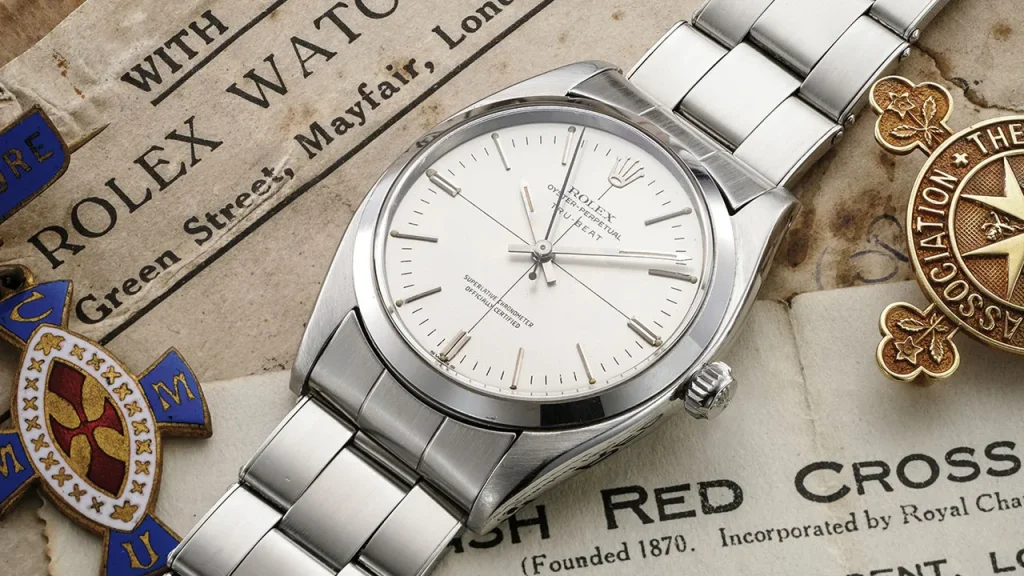
The most important point is that a Rolex is not completely silent or motionless between seconds. It still has a ticking action inside the movement. The escapement controls the release of energy from the mainspring, and every release creates a tiny beat. Rolex describes the Chronergy escapement as working eight times per second, making 28,800 beats per hour.

That means the seconds hand on many modern Rolex watches advances in very small steps. The motion looks smooth, but under close inspection or slow-motion video, you can see that the hand is not truly continuous. It is moving in tiny increments.

This is an important distinction because many people believe a real Rolex should have a perfectly fluid seconds hand with no stepping at all. That is not accurate. A mechanical Rolex sweep is smooth-looking, but it is still mechanical. The hand moves in micro-steps, not in a single unbroken digital-like glide.

Why Quartz Watches Tick Once Per Second

To understand the Rolex sweep, it helps to compare it with quartz watches. Many quartz watches use a battery-powered movement that sends an electrical pulse to a small motor. This motor often advances the seconds hand once per second. The result is the familiar one-second tick.

This design is efficient because moving the hand once per second helps preserve battery life. It also makes quartz watches simple, accurate, and affordable compared with complex mechanical movements.

Rolex built its identity mainly around mechanical watchmaking, not mass-market quartz technology. Modern Rolex collections are known for automatic mechanical movements, which is why their seconds hands generally sweep rather than jump once per second. Rolex’s own Oyster Perpetual page describes the model as having mechanical prowess and connects it with the brand’s self-winding heritage.

The Role of the Escapement in a Rolex Watch

The escapement is one of the most important parts of a mechanical watch. It controls how energy is released from the mainspring and regulates the timing of the watch. Without an escapement, the mainspring would unwind too quickly and the watch could not keep accurate time.

In Rolex’s modern Chronergy escapement, the system releases energy in controlled beats. Rolex states that this happens eight times per second, producing the cadence that drives the gear train and hands.

This high-frequency mechanical rhythm is the reason the seconds hand appears smooth. The hand is not waiting an entire second before moving. It is being advanced many times within each second.

That smoothness is also one reason people associate Rolex watches with quality. The sweep gives the watch a refined, mechanical feel that separates it from the sharper one-second jump of many quartz watches.

Is the Smooth Sweep Proof That a Rolex Is Real?

A smooth seconds hand can be a good sign, but it is not enough to prove a Rolex is genuine. Many counterfeit watches use automatic mechanical movements that also produce a sweeping seconds hand. Some high-quality fakes may even beat at a frequency similar to Rolex movements.

At the same time, a seconds hand that jumps once per second is often a warning sign on a watch claiming to be a modern automatic Rolex. Most current Rolex watches are mechanical and should not show the obvious one-second quartz-style tick. However, this rule has exceptions, especially with vintage Rolex quartz models.

The safest way to authenticate a Rolex is to have it inspected by a qualified watchmaker, Rolex service center, or trusted professional dealer. Dial printing, case finishing, bracelet construction, serial and reference details, movement architecture, and documentation all matter. The seconds-hand motion is only one clue.

The Important Exception: Rolex Oysterquartz

Although Rolex is famous for mechanical watches, it has made quartz watches in the past. The most important exception is the Rolex Oysterquartz, a genuine Rolex line introduced in the 1970s. Hodinkee notes that the Oysterquartz launched in 1977 and remained in the Rolex catalog until 2001, and that its seconds hand does tick.

This matters because people often say, “If a Rolex ticks, it is fake.” That statement is too broad. A modern mechanical Rolex should not tick once per second, but a genuine Oysterquartz does.

The Oysterquartz is not a fake Rolex. It is a real Rolex quartz model with its own collector following. It simply works differently from Rolex’s automatic mechanical watches. So, when discussing whether a Rolex ticks, the model and era are important.

Why the Rolex Sweep Looks So Smooth

The Rolex sweep looks smooth because the seconds hand moves multiple times per second. Each movement is small, so the human eye blends the steps together into one flowing motion.

Think of it like a video. A video is technically made of individual frames, but when those frames appear quickly enough, your eyes perceive continuous motion. A Rolex seconds hand works in a similar way. It is not truly floating around the dial. It is advancing step by step at a high frequency.

This is why the phrase “Rolex watches do not tick” is more of a popular shortcut than a technical explanation. A more accurate statement would be: Rolex watches tick many times per second, so their seconds hands appear to sweep.

Does Every Mechanical Watch Sweep Like a Rolex?

No. Many mechanical watches have sweeping seconds hands, but not all of them look equally smooth. The smoothness depends largely on the movement’s beat rate. A higher beat rate usually creates a smoother-looking seconds hand because the hand moves more times per second.

Many modern Rolex movements operate at 28,800 beats per hour, or eight beats per second, according to Rolex’s own explanation of its Chronergy escapement. Older mechanical watches, including some vintage Rolex models and many watches from other brands, may beat at lower frequencies. A lower beat rate can make the seconds hand appear slightly less smooth.

This does not automatically mean the watch is poor quality. Some excellent mechanical watches use lower beat rates by design. Beat rate affects visual motion, power consumption, wear characteristics, and movement architecture. Smoothness is only one part of watchmaking quality.

Why Rolex Uses Automatic Mechanical Movements

Rolex’s mechanical identity is deeply connected to its history. In 1931, Rolex invented and patented the Perpetual rotor, a self-winding mechanism that uses wrist movement to wind the watch. Rolex describes this system as being at the heart of modern automatic watches.

This automatic system helps explain why Rolex watches are associated with continuous movement. When worn regularly, the watch winds itself through the motion of the wrist. Energy is stored in the mainspring and released through the gear train and escapement to power the hands.

The result is a watch that feels alive. The seconds hand moves with a steady mechanical rhythm, and the wearer does not need a battery to keep it running. This is part of the appeal of Rolex and other high-end mechanical watches.

Does a Rolex Make Any Sound?

Yes, a Rolex can make a very faint mechanical sound if held close to the ear in a quiet room. The sound is not usually the loud, once-per-second tick of a quartz wall clock or inexpensive quartz wristwatch. Instead, it is a faster and softer mechanical beat.

The exact sound can vary depending on the model, case construction, movement, age, and service condition. A loud, irregular, scraping, or unusual noise may indicate a problem and should be checked by a professional watchmaker.

For normal use, the visual sweep is much more noticeable than the sound. That is why the “Rolex does not tick” idea usually refers to the motion of the seconds hand, not total silence.

Common Myths About Rolex Ticking

Myth 1: “A real Rolex never ticks.”

This is false. A mechanical Rolex ticks internally several times per second. Some genuine Rolex quartz models, such as the Oysterquartz, visibly tick once per second.

Myth 2: “A smooth seconds hand always means the Rolex is real.”

This is also false. Some counterfeit watches use automatic movements that can create a sweeping seconds hand. Authentication requires more than looking at the seconds hand.

Myth 3: “A Rolex seconds hand is perfectly smooth.”

Not exactly. It only appears smooth because the hand advances in tiny steps. Under magnification or slow-motion recording, those small steps can be seen.

Myth 4: “Only Rolex watches sweep.”

Many mechanical watches from other brands also have sweeping seconds hands. Rolex is famous for the effect, but it is not unique to Rolex.

How to Tell If a Rolex Tick Is Normal

A modern automatic Rolex should usually show a smooth-looking sweep rather than a one-second jump. If a modern Rolex Submariner, Datejust, GMT-Master II, Daytona, Oyster Perpetual, Sea-Dweller, or Day-Date appears to tick once per second, that is a reason to be cautious.

However, do not rely on that test alone. A watch may be stopped, low on power, damaged, magnetized, poorly serviced, or counterfeit. A vintage Oysterquartz may tick once per second and still be genuine. The correct judgment depends on the exact reference and movement.

For buyers, the best approach is to purchase from a trusted source, request proper documentation when available, compare the reference carefully, and have the movement inspected if authenticity is uncertain.

Conclusion: Why Do Rolex Watches Not Tick?

Rolex watches appear not to tick because most of them use high-quality mechanical automatic movements rather than typical battery-powered quartz movements. Their seconds hands move in several tiny steps per second, creating the famous smooth sweep. Rolex’s Chronergy escapement is described by the brand as operating eight times per second, equal to 28,800 beats per hour.

So, the most accurate answer is: Rolex watches do tick, but they tick so quickly that the seconds hand appears to glide. That smooth motion is one of the most recognizable features of modern Rolex watches, but it is not a complete authentication test. Some fake watches sweep, and some genuine Rolex watches, especially Oysterquartz models, tick once per second.

Understanding this difference helps separate myth from fact. The Rolex sweep is not magic; it is the result of precise mechanical engineering, a fast-beating escapement, and Rolex’s long tradition of automatic watchmaking.

FAQs

Do Rolex watches tick or sweep?

Most modern Rolex watches technically tick many times per second, but their seconds hands appear to sweep smoothly around the dial.

Why does a Rolex seconds hand move smoothly?

It moves smoothly because the mechanical movement advances the seconds hand in several small steps per second instead of one large step per second.

Does a ticking Rolex mean it is fake?

Not always. A modern automatic Rolex that ticks once per second may be suspicious, but genuine Rolex Oysterquartz watches also tick once per second.

How many times per second does a Rolex tick?

Rolex states that its Chronergy escapement operates eight times per second, equal to 28,800 beats per hour.

Is the Rolex sweep completely smooth?

No. It looks smooth to the eye, but it is made of very small mechanical steps.
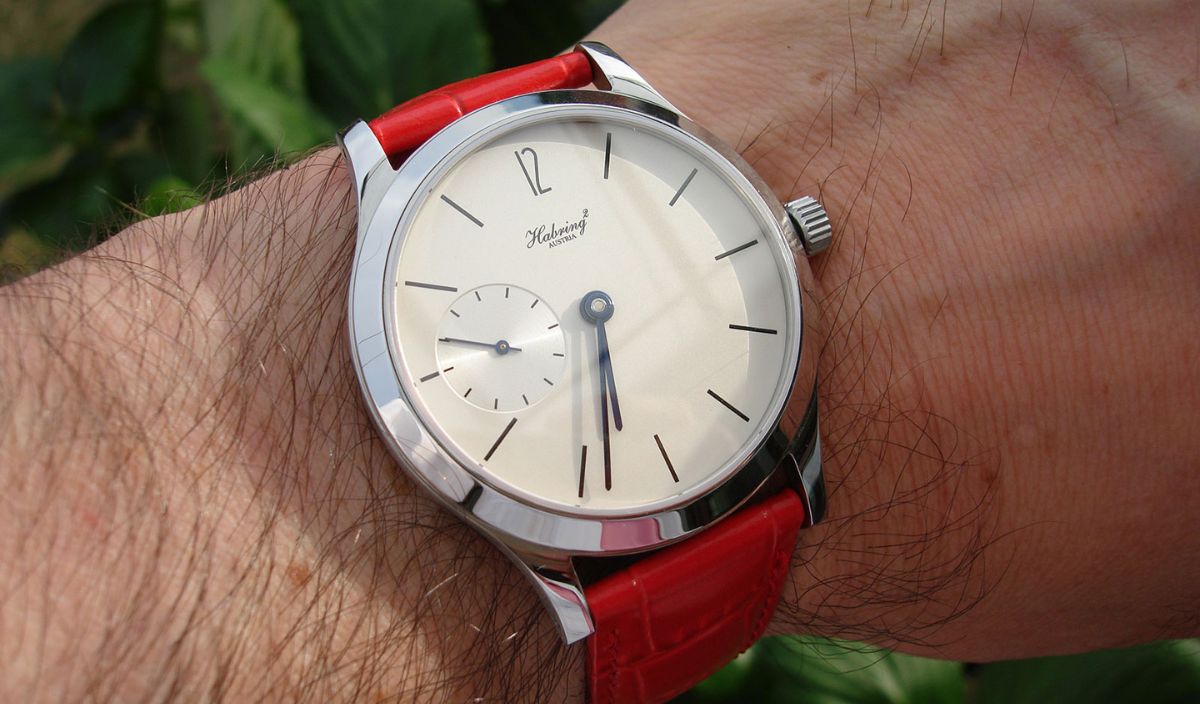
Habring²

Habring²: The Complete Brand Breakdown

Samar

May 26, 2026

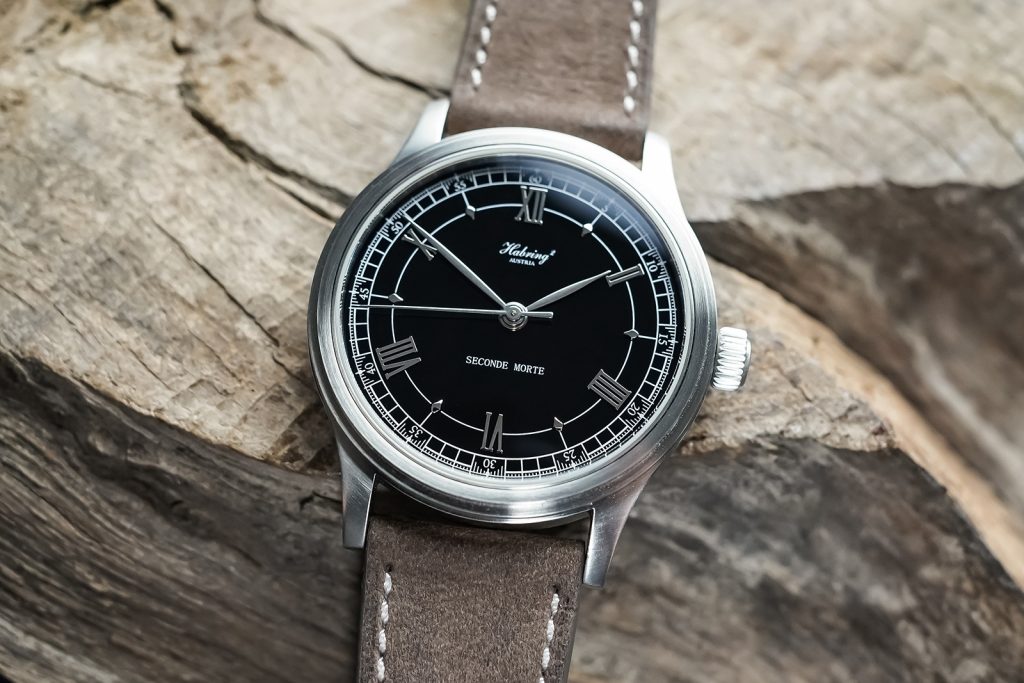
Habring² is a small independent luxury watchmaker based in Völkermarkt, Austria. The company is best known for creating mechanically innovative yet practical timepieces, often featuring rare complications such as deadbeat seconds and split-seconds chronographs. Founded by husband-and-wife team Richard and Maria Habring, the brand has earned a strong reputation among collectors for combining technical ingenuity with relatively accessible pricing in the world of independent horology.

Founding and Origin

Habring² was officially established in October 2004 in Völkermarkt, Carinthia, Austria. The “²” in the brand name symbolizes the partnership between founders Richard Habring and Maria Kristina Habring.

Before launching the company, Richard Habring had already built a respected career in Swiss watchmaking. He worked with prestigious manufacturers including IWC Schaffhausen, Jaeger-LeCoultre, and A. Lange & Söhne. During his time at IWC in the early 1990s, he became especially well known for developing an affordable split-seconds chronograph system based on the Valjoux 7750 movement — the famous “Doppelchronograph.”

The founders created Habring² with the goal of producing small-series mechanical watches focused on reliability, serviceability, and practical everyday wear rather than ultra-luxury exclusivity.

Early History

Richard Habring’s watchmaking journey began in 1985 at the renowned watchmaking school in Karlstein an der Thaya, Lower Austria. Even during his studies, he demonstrated exceptional technical talent by designing complex mechanisms such as perpetual calendars and tourbillons.

From 1989 onward, Richard produced a number of highly complicated custom pieces under his own name, including tourbillons and chronographs. His work attracted attention from collectors and auction houses and eventually led to collaborations with major Swiss brands.

In 2004, Maria and Richard launched the first serially produced Habring² watch. Initially, production remained extremely limited, with only a small number of pieces manufactured each year by hand.

Philosophy and Watchmaking Approach

Habring² is often described as a “pragmatic” independent watchmaker. Instead of pursuing extravagant finishing or extremely high prices, the brand focuses on engineering-driven innovation, durability, and customer service.

The company emphasizes:

  • Mechanical simplicity and reliability
  • Hand assembly and manual finishing
  • Small-scale production
  • Serviceable long-term watch designs
  • Useful complications rather than purely decorative features

Maria and Richard Habring have referred to themselves as the “organic farmers” of watchmaking because of their emphasis on sustainability, fairness, and long-term craftsmanship.

In-House Movement Development

For many years, Habring² modified reliable ETA and Valjoux movements to create their watches. However, when ETA began restricting movement supply to independent brands, Habring² started developing its own calibers.

A major milestone came in 2014 with the introduction of the A11 movement in the Felix model. According to the company and industry publications, the A11 became one of the first modern mechanical watch movements largely developed and produced in Austria.

The A11 platform later became the foundation for many Habring² complications and models.

Notable Watches and Innovations

Doppelchronograph

The Doppel series is based on Richard Habring’s famous split-seconds chronograph innovation originally developed during his IWC years. Habring² later adapted and improved the system for its own watches after the original patent expired.

Erwin

The Erwin model became one of the brand’s most recognized watches. It features a deadbeat seconds complication, where the seconds hand ticks in one-second intervals like a quartz watch while remaining fully mechanical.

Felix

Released for the company’s 10th anniversary in 2014, the Felix introduced the in-house A11 movement and marked a turning point for the brand’s technical independence.

Josef

Introduced during the brand’s 20th anniversary celebrations in 2024, the Josef regulator combines a regulator-style display with deadbeat seconds technology.

Production and Reputation

Habring² remains intentionally small-scale. The company originally targeted production of around 50 watches annually, though later reports indicate annual output increased to a few hundred pieces while still maintaining hand-crafted production methods.

The brand has gained strong respect among collectors and independent watch enthusiasts because of its technical creativity, approachable founders, and comparatively attainable pricing. Habring² has also received recognition at the Grand Prix d’Horlogerie de Genève (GPHG), one of the watch industry’s most prestigious award ceremonies.

Conclusion

Habring² represents a distinctive approach to independent watchmaking: technically innovative, mechanically honest, and deeply personal. Since its founding in Austria in 2004, the company has grown into one of the most respected small independent watch brands in the world. Through their focus on practical complications, in-house engineering, and handcrafted production, Richard and Maria Habring have built a brand admired for both authenticity and horological creativity.

Few modern watch brands generate as much fascination, controversy, and curiosity as Richard Mille. Known for futuristic designs, celebrity endorsements, and staggering price tags that often exceed six or even seven figures, Richard Mille has become one of the most recognizable names in ultra-luxury watchmaking.

For many people, the biggest question is simple:

Why are Richard Mille watches so expensive?

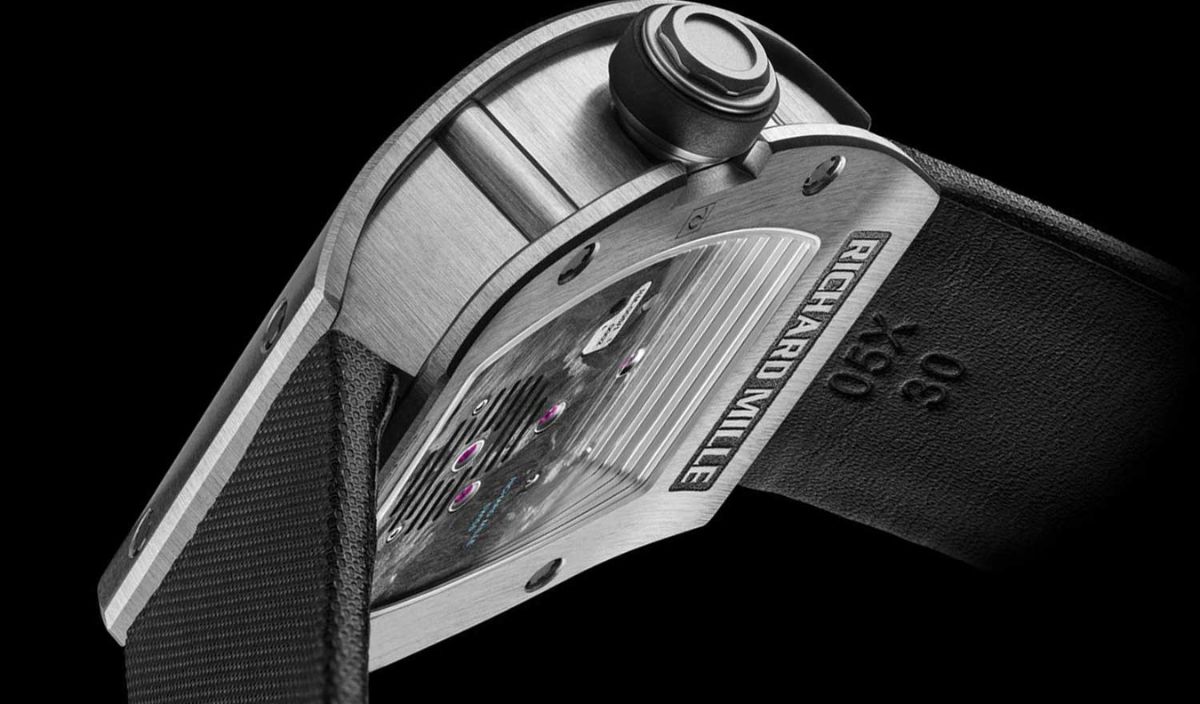
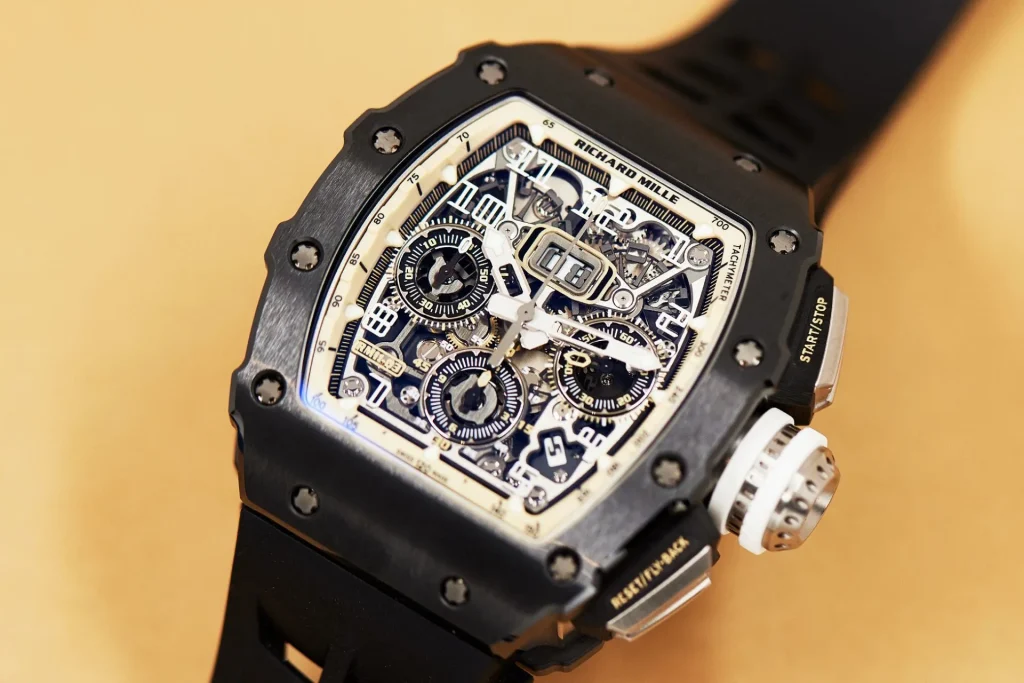
The answer goes far beyond branding alone. Richard Mille watches combine advanced engineering, exotic materials, low production numbers, hand-finishing, research-intensive manufacturing, and an exclusivity strategy designed specifically for elite collectors.

This article explores the real reasons behind Richard Mille’s extraordinary pricing and why the brand has become one of the most expensive modern watchmakers in the world.

The Origins of Richard Mille

Richard Mille was founded in 2001 by Richard Mille and Dominique Guenat in Switzerland.

Before creating his own brand, Richard Mille spent decades working in the luxury watch industry, including positions at:

  • Finhor
  • Mauboussin
  • Matra automotive partnerships

His vision was radically different from traditional Swiss watchmaking. Rather than creating classical dress watches, Richard Mille wanted to build:

  • “Racing machines on the wrist”
  • Technological luxury watches
  • Ultra-light mechanical timepieces
  • Sports-ready haute horlogerie

The company quickly became famous for combining:

  • Aerospace engineering
  • Formula 1 materials
  • Skeletonized architecture
  • Shock resistance
  • Futuristic aesthetics

From the beginning, the watches were intentionally expensive and exclusive.

1. Advanced Materials Make Richard Mille Watches Expensive

One of the biggest reasons Richard Mille watches cost so much is their use of highly advanced materials rarely found in traditional watchmaking.

Exotic Case Materials

Richard Mille uses materials derived from:

  • Formula 1 racing
  • Aerospace engineering
  • Military applications
  • High-performance automotive industries

Common materials include:

  • Carbon TPT
  • Quartz TPT
  • Titanium
  • Graphene composites
  • Sapphire crystal cases
  • Ceramic composites

These materials are extremely difficult and expensive to manufacture.

Carbon TPT Technology

One of Richard Mille’s signature materials is Carbon TPT.

This material is created by:

  • Layering ultra-thin carbon fibers
  • Heating them under extreme pressure
  • Machining the final block with precision tools

The process is:

  • Time-consuming
  • Wasteful in raw material usage
  • Technically difficult

The result is:

  • Extremely lightweight cases
  • High durability
  • Unique visual patterns

No two Carbon TPT watches look exactly the same.

2. Extreme Research and Development Costs

Richard Mille invests heavily in engineering research.

Unlike many luxury brands that focus mainly on aesthetics, Richard Mille develops watches designed to survive:

  • Professional tennis
  • Formula 1 racing
  • Golf swings
  • Extreme impacts

For example:
Rafael Nadal famously wears Richard Mille tourbillons while playing professional tennis.

This requires extraordinary engineering because mechanical watches are normally vulnerable to shock and vibration.

Shock Resistance Engineering

Many Richard Mille movements are suspended within the case using:

  • Shock absorbers
  • Flexible mounting systems
  • Aerospace-inspired architecture

The watches are engineered to withstand thousands of G-forces.

Developing this level of durability dramatically increases:

  • Design complexity
  • Prototype costs
  • Manufacturing expenses
  • Testing requirements

3. Richard Mille Watches Are Extremely Difficult to Manufacture

Richard Mille watches are notoriously hard to produce.

Unlike traditional round watches, Richard Mille cases feature:

  • Curved tonneau shapes
  • Multi-layer construction
  • Complex skeletonization
  • Tight tolerances

Even machining a single case requires:

  • Specialized CNC equipment
  • Extensive hand finishing
  • Long production hours

Some sapphire crystal Richard Mille cases reportedly require over 1,000 hours of machining and finishing alone.

4. Hand-Finished Haute Horlogerie Movements

Despite their modern appearance, Richard Mille watches still belong to the world of haute horlogerie.

Many movements are:

  • Hand-finished
  • Skeletonized
  • Decorated manually
  • Assembled by expert watchmakers

The finishing includes:

  • Hand polishing
  • Anglage (beveling)
  • Satin brushing
  • Microblasting
  • Mirror polishing

Even hidden movement components receive decorative finishing.

Complex Mechanical Complications

Many Richard Mille watches contain advanced complications such as:

  • Tourbillons
  • Split-second chronographs
  • Annual calendars
  • Power reserve indicators
  • Torque indicators

These complications require:

  • Highly trained watchmakers
  • Extensive assembly time
  • Precision adjustment

Tourbillons alone are among the most expensive watch complications to manufacture.

5. Extremely Low Production Numbers

Scarcity is another major factor behind Richard Mille pricing.

Unlike mass luxury brands, Richard Mille produces relatively few watches annually.

Industry estimates suggest:

  • Production remains highly limited
  • Many models are boutique-exclusive
  • Waitlists are common

Limited supply creates:

  • Strong demand
  • Secondary market premiums
  • Collector exclusivity

Some Richard Mille models immediately trade above retail prices due to scarcity.

6. Celebrity and Sports Partnerships

Richard Mille aggressively markets through elite athletes and celebrities.

Brand ambassadors include:

  • Rafael Nadal
  • Charles Leclerc
  • Bubba Watson
  • Yohan Blake

Unlike traditional sponsorships, Richard Mille often develops specialized watches for these athletes.

For example:

  • Nadal’s watches are ultra-lightweight for tennis
  • Racing models emphasize shock resistance
  • Golf editions focus on flexibility and durability

These partnerships reinforce the brand’s image as a high-performance luxury product.

7. Richard Mille Markets Exclusivity

Richard Mille intentionally positions itself as ultra-exclusive.

The brand:

  • Avoids mass availability
  • Limits retail locations
  • Produces small runs
  • Maintains extremely high pricing

High prices themselves become part of the brand identity.

For many buyers, Richard Mille represents:

  • Wealth signaling
  • Status
  • Exclusivity
  • Modern luxury culture

The watches are often viewed as:

  • Collectible art
  • Social status symbols
  • Investment pieces

rather than simply timekeeping devices.

8. Secondary Market Demand Increases Prices

Another reason Richard Mille watches seem so expensive is the resale market.

Many models:

  • Sell out immediately
  • Trade far above retail
  • Become difficult to obtain

For example:

  • Retail price: $300,000
  • Secondary market price: $500,000+

Collectors sometimes purchase Richard Mille watches primarily for investment or exclusivity.

This resale market reinforces the perception of extreme value.

9. The Brand Rejects Traditional Watchmaking Conventions

Richard Mille deliberately avoids traditional luxury watch aesthetics.

Instead of classic dress watches, the brand emphasizes:

  • Futuristic design
  • Openworked movements
  • Industrial architecture
  • Technical appearance

This modern identity appeals strongly to:

  • Younger collectors
  • Athletes
  • Celebrities
  • Tech entrepreneurs

The watches look radically different from traditional Swiss brands such as:

  • Patek Philippe
  • Vacheron Constantin
  • Audemars Piguet

This distinctiveness helps justify premium pricing in the luxury market.

10. Some Richard Mille Watches Cost Millions

The most expensive Richard Mille watches can exceed several million dollars.

Reasons include:

  • Sapphire crystal construction
  • Unique complications
  • Gem-setting
  • Limited editions
  • One-of-one pieces

Highly complicated models may require:

  • Thousands of labor hours
  • Specialized engineering teams
  • Experimental manufacturing techniques

These watches operate more like collectible mechanical sculptures than standard consumer products.

Criticism of Richard Mille Pricing

Despite its success, Richard Mille also faces criticism.

Some collectors argue:

  • Prices are inflated by hype
  • Celebrity marketing drives value more than horology
  • Designs are overly aggressive
  • Watches rely heavily on exclusivity culture

Others believe Richard Mille genuinely deserves its pricing due to:

  • Technical innovation
  • Material science
  • Manufacturing complexity
  • Engineering breakthroughs

The brand remains highly polarizing within the watch world.

Are Richard Mille Watches Worth the Price?

Whether Richard Mille watches are “worth it” depends entirely on perspective.

For collectors interested in:

  • Engineering innovation
  • Material science
  • Modern watchmaking
  • Exclusivity
  • Avant-garde design

Richard Mille offers something few other brands can replicate.

For traditional horology enthusiasts:

Some may prefer:

  • Classical finishing
  • Historic heritage
  • Traditional aesthetics

from brands like:

  • Patek Philippe
  • A. Lange & Söhne
  • F.P. Journe

Ultimately, Richard Mille exists in a unique category combining:

  • Technology
  • luxury
  • sports engineering
  • celebrity culture
  • collectible exclusivity

Final Verdict: Why Are Richard Mille Watches So Expensive?

Richard Mille watches are expensive because they combine:

  • Advanced aerospace materials
  • Extreme engineering
  • Hand-finished haute horlogerie
  • Limited production
  • Intensive R&D
  • Celebrity partnerships
  • Strong brand exclusivity

These are not ordinary luxury watches. Richard Mille positions its products as high-performance mechanical machines designed for elite collectors, athletes, and ultra-wealthy buyers.

Whether one views them as revolutionary engineering masterpieces or luxury status symbols, there is no denying that Richard Mille has completely transformed the modern perception of ultra-high-end watchmaking.

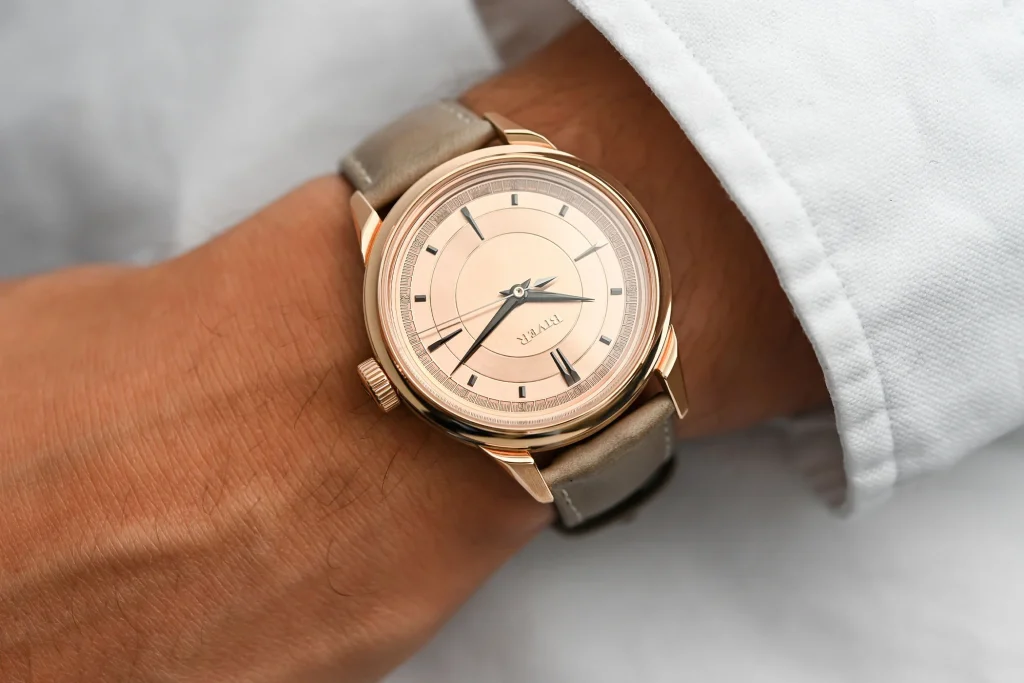
Biver: The Complete Brand Breakdown

Samar

May 22, 2026

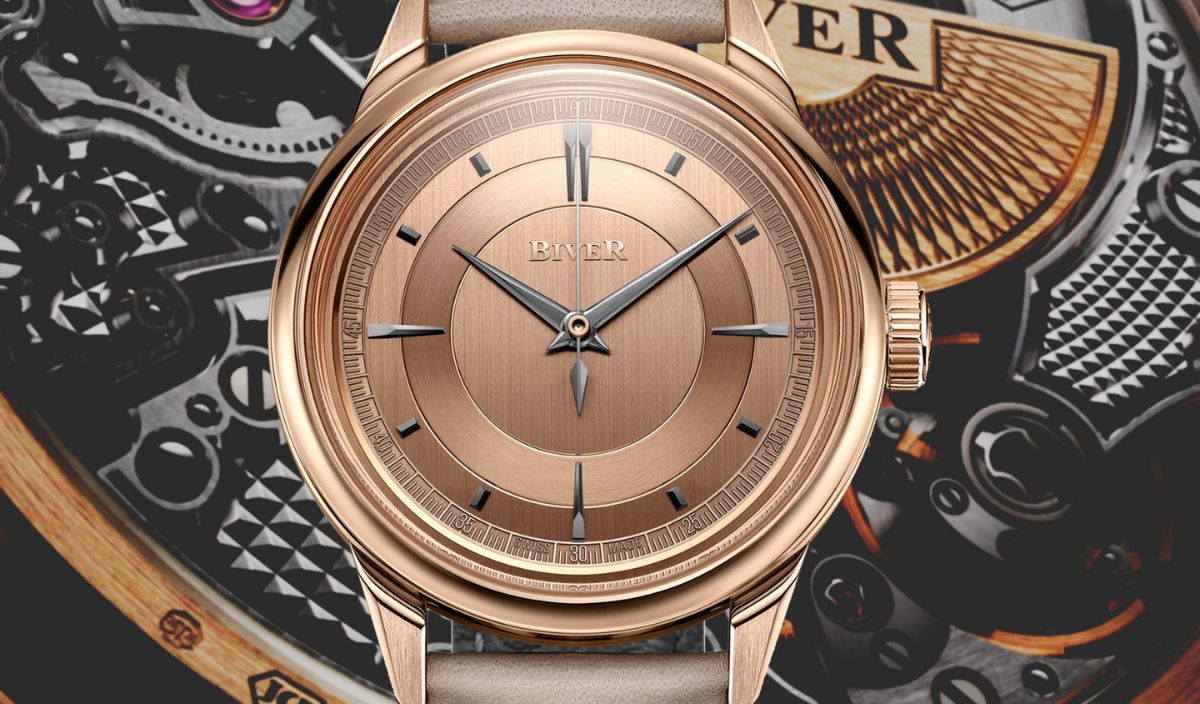
Biver is an independent Swiss haute horlogerie manufacturer founded by legendary watch industry executive Jean-Claude Biver and his son Pierre Biver. The brand was officially established in 2022 and publicly launched in 2023 with the introduction of its first watch, the Carillon Tourbillon Biver.

Based in Givrins near Lake Geneva, Biver focuses on extremely high-end mechanical watchmaking, emphasizing traditional craftsmanship, hand-finishing, minute repeaters, tourbillons, and artisanal decorative techniques.

The company represents Jean-Claude Biver’s return to active watchmaking after decades of leadership roles at brands such as:

  • Blancpain
  • Hublot
  • TAG Heuer
  • Omega

Today, Biver is regarded as one of the most prestigious emerging independent watch brands in contemporary haute horlogerie.

History

Origins of Jean-Claude Biver

Jean-Claude Biver was born on September 20, 1949, in Luxembourg City. He became one of the most influential figures in modern Swiss watchmaking during the late 20th and early 21st centuries.

Biver’s career included major roles in reviving and expanding several historic Swiss watch brands. He became particularly famous for:

  • Reviving Blancpain during the quartz crisis
  • Expanding Omega’s luxury positioning
  • Transforming Hublot into a global luxury powerhouse
  • Leading the watch division of LVMH

Many industry observers credit Jean-Claude Biver with helping revive mechanical Swiss watchmaking after the quartz crisis of the 1970s and 1980s.

After stepping down from operational leadership at LVMH in 2018 due to health reasons, Biver later returned to independent watchmaking through a new family-run project with his son Pierre.

Founding of Biver (2022)

The company officially known as “jcbiver SA” was founded in 2022 by Jean-Claude Biver and Pierre Biver.

The goal of the brand was not simply to create another luxury watch company, but to establish a highly exclusive independent manufacture dedicated to:

  • Traditional Swiss haute horlogerie
  • Emotional craftsmanship
  • Hand-finishing
  • Long-term artisanal watchmaking
  • Multi-generational transmission of expertise

According to the company, the project was conceived as a father-son collaboration centered around preserving classical Swiss watchmaking traditions while creating entirely new timepieces.

The Biver workshops were established in a restored farmhouse in Givrins between Geneva and the Vallée de Joux, one of Switzerland’s most historic watchmaking regions.

Public Launch and Carillon Tourbillon Biver (2023)

Biver officially entered the public watch market in March 2023 shortly before Watches & Wonders Geneva.

The brand’s first watch, the:

  • Carillon Tourbillon Biver

was an ultra-high-end minute repeater tourbillon produced in very limited quantities.

The watch featured:

  • Minute repeater complication
  • Tourbillon regulator
  • Hand-finished movement architecture
  • Cathedral gongs
  • Precious stone dials
  • Extensive artisanal finishing

The launch generated enormous attention within the watch industry because it marked Jean-Claude Biver’s return to independent watchmaking after decades of corporate leadership.

The first models were priced around CHF 500,000, immediately positioning the brand within the highest tier of haute horlogerie.

Philosophy and Watchmaking Vision

A Return to Classical Haute Horlogerie

Unlike many modern luxury brands focused on industrial production or sporty aesthetics, Biver emphasizes:

  • Traditional movement finishing
  • Decorative artistry
  • Mechanical purity
  • Acoustic complications
  • Emotional craftsmanship

The company repeatedly describes watches as objects possessing “soul” rather than merely technical instruments.

Biver’s philosophy combines:

  • Classical Swiss traditions
  • Modern engineering precision
  • Artistic finishing
  • Multi-generational knowledge transfer

The brand strongly emphasizes the idea of “invisible beauty,” meaning that even hidden movement components must receive the same finishing quality as visible surfaces.

Manufacturing and Craftsmanship

Workshops in Givrins

Biver watches are produced in Givrins, Switzerland, where master watchmakers and artisans collaborate in small-scale workshops.

The brand works with highly specialized craftsmen for:

  • Hand engraving
  • Guilloché
  • Grand feu enamel
  • Stone dials
  • Polishing
  • Movement decoration

According to company statements, each watch is assembled and finished with extremely high levels of manual labor and traditional techniques.

Distinctive finishing characteristics include:

  • Mirror polishing
  • Interior angles
  • Hand beveling
  • Black polishing
  • Hand-decorated bridges
  • Traditional haute horlogerie finishing standards

Important Collections

Carillon Tourbillon Biver

The Carillon Tourbillon Biver became the brand’s foundational model.

The watch combined:

  • Minute repeater
  • Tourbillon
  • Open movement architecture
  • Classical case proportions
  • Handcrafted decorative finishing

The model established Biver’s reputation for ultra-high-end watchmaking and artisanal execution.

Automatique (2024)

In 2024, Biver introduced the:

  • Automatique

This was the company’s first simpler time-only automatic watch, though it still remained positioned in the ultra-luxury segment.

The Automatique featured:

  • Micro-rotor movement
  • Zero-reset seconds mechanism
  • Modular caliber architecture
  • Extensive hand-finishing

The introduction of the Automatique represented Biver’s first move toward slightly broader production while maintaining artisanal standards.

Industry Reception

The launch of Biver generated major discussion throughout the global watch industry.

Collectors and journalists viewed the project as historically significant because:

  • Jean-Claude Biver is one of the most influential executives in watch history
  • The brand represented his personal vision rather than a corporate project
  • Production levels were extremely limited
  • The watches targeted elite collectors

Many commentators compared Biver’s positioning to independent haute horlogerie makers such as:

  • Philippe Dufour
  • F.P. Journe
  • Greubel Forsey
  • Akrivia

Position in Haute Horlogerie

Biver occupies the ultra-premium independent sector of Swiss watchmaking.

The company focuses on:

  • Very low production
  • Exceptional movement decoration
  • High complication watchmaking
  • Traditional craftsmanship
  • Collector exclusivity

Unlike industrial luxury manufacturers, Biver emphasizes small-scale artisanal production and emotional craftsmanship over mass visibility.

Legacy and Importance

Although still a young brand, Biver already holds major significance because it represents the culmination of Jean-Claude Biver’s five-decade influence on modern Swiss watchmaking.

The company merges:

  • Traditional Swiss craftsmanship
  • Independent watchmaking values
  • Modern haute horlogerie engineering
  • Multi-generational family leadership

Through Biver, Jean-Claude and Pierre Biver aim to create a lasting family-run watch manufacture dedicated to preserving the artistic and emotional dimensions of high-end Swiss mechanical watchmaking.

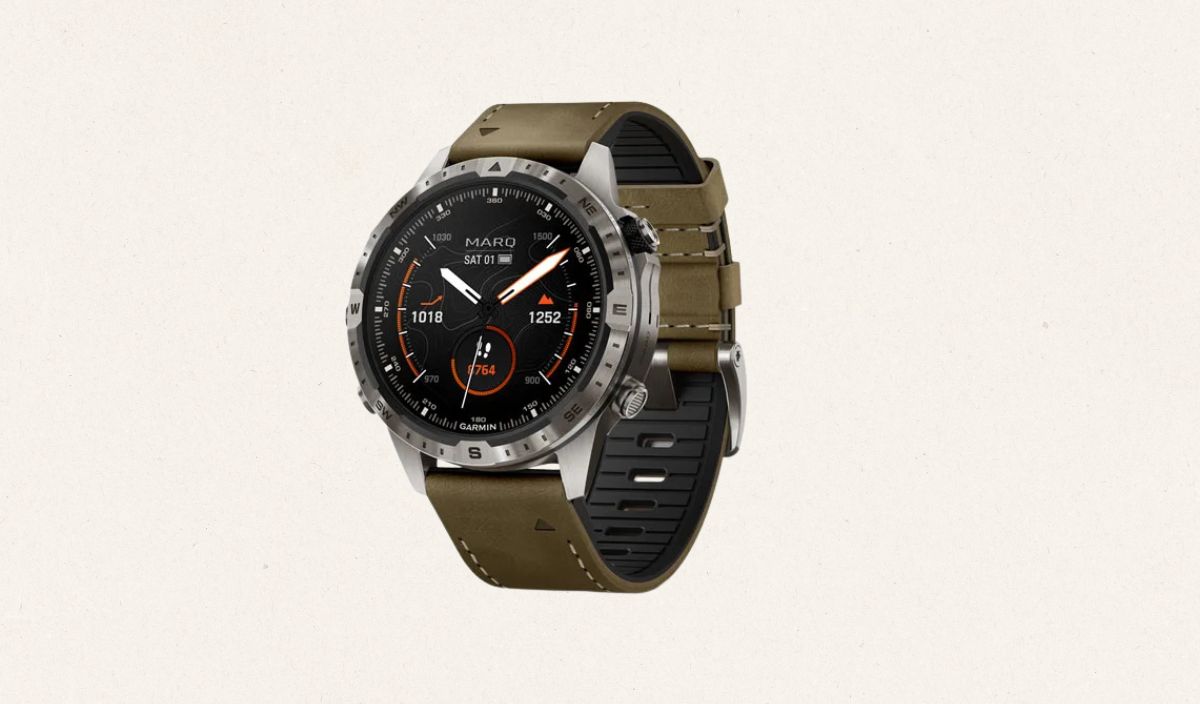
Garmin watches are widely known for fitness tracking, GPS accuracy, and outdoor durability. One of the most common questions users ask before buying is: are Garmin watches waterproof?

The short answer is: no Garmin watch is technically “100% waterproof,” but most are highly water-resistant and designed for swimming, showers, and heavy water exposure.

In watch terminology, “waterproof” is no longer an official standard. Instead, manufacturers use water resistance ratings measured in meters or ATM (atmospheres). Garmin watches are built to handle real-world water exposure, but the level of protection varies by model.

This guide explains Garmin water resistance ratings, which models are safe for swimming, whether you can wear them in the ocean or pool, and what limits you should never exceed.

Understanding Water Resistance vs Waterproof

Why “Waterproof” Is Not a Technical Term

The term “waterproof” is misleading in modern watchmaking. No watch is completely immune to water under all conditions.

Instead, brands like Garmin use standardized water resistance ratings such as:

  • 3 ATM (30 meters)
  • 5 ATM (50 meters)
  • 10 ATM (100 meters)

These ratings come from controlled laboratory pressure tests, not real underwater depth conditions.

What Water Resistance Actually Means

Water resistance indicates how much pressure a watch can withstand before water may enter the casing.

Important rule:

  • 1 ATM ≈ pressure at 10 meters depth (theoretical, not actual diving depth safety)

However, real-life activities create more pressure than still water, such as:

  • Swimming strokes
  • Diving into water
  • Hot showers (steam pressure)
  • High-speed water sports

That’s why real usage limits are more conservative than the rating numbers.

Garmin Water Resistance Ratings Explained

Most Garmin watches fall into two main categories:

1. 5 ATM (50 meters water resistance)

This is the most common rating for Garmin fitness and lifestyle watches.

Watches with 5 ATM rating are safe for:

  • Swimming in pools
  • Showering
  • Rain exposure
  • Shallow water activities

Examples include many models in:

  • Garmin Venu series
  • Garmin Forerunner entry models
  • Garmin Vivoactive series

Limitations:

  • Not suitable for diving
  • Not recommended for high-speed water sports
  • Avoid deep snorkeling or scuba diving

2. 10 ATM (100 meters water resistance)

Higher-end Garmin multisport and outdoor watches often come with 10 ATM rating.

Watches with 10 ATM are designed for:

  • Open water swimming
  • Surfing
  • Snorkeling
  • High-intensity water sports

Examples include:

  • Garmin Fenix series
  • Garmin Enduro series
  • Garmin Epix series

These models are significantly more durable in aquatic environments.

Can You Swim With Garmin Watches?

Yes — Most Garmin Watches Are Swim-Safe

Most modern Garmin watches are specifically designed with swimming tracking features.

If your watch has:

  • 5 ATM or higher rating
  • Swim tracking mode

Then it is safe for:

  • Pool swimming
  • Open water swimming
  • Triathlon training

Swimming Features in Garmin Watches

Garmin integrates advanced swim tracking such as:

  • Stroke detection
  • Lap counting
  • SWOLF efficiency score
  • Distance tracking
  • Open water GPS tracking

This makes Garmin one of the most popular brands for swimmers and triathletes.

Can You Shower With a Garmin Watch?

Technically, most Garmin watches can handle showering, but it is not recommended for long-term durability.

Why showers can be risky:

  • Hot water increases internal pressure
  • Soap and chemicals can degrade seals
  • Steam may affect waterproof gaskets over time

Even though 5 ATM watches can survive showers, Garmin advises removing the watch when possible to extend lifespan.

Can Garmin Watches Be Used for Diving?

Recreational Diving vs Scuba Diving

Most Garmin watches are NOT suitable for scuba diving unless specifically designed for it.

Safe for:

  • Snorkeling
  • Surface swimming
  • Shallow water immersion

Not safe for:

  • Deep scuba diving
  • High-pressure underwater activities beyond rated limits

Only certain specialized dive computers (not standard watches) are designed for deep diving.

Garmin Watches in Saltwater and Oceans

Yes, but with care

Garmin watches can be used in oceans, but saltwater requires extra maintenance.

After exposure to saltwater:

  • Rinse with fresh water immediately
  • Dry completely before charging
  • Avoid prolonged salt buildup

Saltwater is more corrosive than freshwater and can damage seals over time if not cleaned properly.

Common Myths About Waterproof Watches

Myth 1: “100 meters means I can dive 100 meters deep”

False. The rating refers to pressure resistance under static conditions, not actual diving depth.

Myth 2: “Water resistance lasts forever”

False. Water resistance can degrade over time due to:

  • Aging rubber seals
  • Temperature changes
  • Physical impact
  • Battery replacement (opening case)

Myth 3: “Garmin watches never get water damage”

False. Even water-resistant devices can fail if:

  • Buttons are pressed underwater
  • Cracks develop in casing
  • Watch is exposed to extreme pressure

Which Garmin Watches Are Best for Water Activities?

1. Garmin Fenix Series

Garmin Fenix 7

  • 10 ATM water resistance
  • Designed for swimming, triathlon, and adventure sports
  • Supports open water GPS tracking

2. Garmin Forerunner Series

Garmin Forerunner 965

  • Typically 5–10 ATM depending on model
  • Excellent swim tracking features
  • Lightweight for endurance sports

3. Garmin Epix Series

Garmin Epix Pro

  • 10 ATM rating
  • Advanced mapping + swimming support
  • High durability for outdoor sports

What Happens If You Exceed Water Limits?

If a Garmin watch is exposed beyond its rating:

  • Water may enter the case
  • Sensors may fail
  • Screen fogging may occur
  • Permanent damage can happen

Important note:
Water damage is usually NOT covered under warranty unless manufacturing defect is proven.

How Garmin Ensures Water Resistance

Garmin uses multiple engineering methods:

  • Rubber gasket sealing
  • Reinforced case design
  • Button sealing systems
  • Pressure-tested manufacturing standards

High-end models undergo rigorous quality testing before release.

Maintenance Tips to Keep Your Garmin Water Resistant

To maximize lifespan:

1. Rinse after swimming

Especially after saltwater or chlorine exposure.

2. Avoid pressing buttons underwater

This can break seal integrity in some conditions.

3. Dry properly after water exposure

Prevent moisture buildup around sensors.

4. Avoid hot water exposure

Steam from showers or saunas can weaken seals.

5. Regular inspection

Check for cracks or wear in straps and casing.

So, Are Garmin Watches Waterproof?

The accurate answer is:

Garmin watches are not technically waterproof, but they are highly water-resistant and designed for swimming, rain, and most water-based activities.

Summary:

  • Most Garmin watches = 5 ATM or 10 ATM water resistance
  • Safe for swimming and rain
  • Some models suitable for snorkeling and water sports
  • Not designed for deep scuba diving
  • Require basic maintenance for long-term durability

Final Verdict

Garmin watches are among the most reliable water-resistant smartwatches in the world. Whether you are a runner, swimmer, triathlete, or outdoor adventurer, Garmin devices are engineered to handle real-world water exposure with confidence.

However, like all electronic devices, they are not indestructible. Understanding their limits and maintaining them properly ensures long-lasting performance.

If you want a smartwatch that can survive swimming, rain, and intense workouts, Garmin is one of the strongest choices available today.

To Top