News Archives - Page 12 of 45 - Exquisite Timepieces
iconHome Blog / News / Page 12

Category: News

garmin fenix vs epix

Whether you’re scaling mountains, pushing through marathons, or tracking everyday wellness, Garmin’s top tier wearables continue to set the standard.

Among its most elite offerings, the Fenix and Epix lines stand out not just for their rugged design, but for their powerhouse performance, premium materials, and suite of smart features. If you’re stuck choosing between the ultra endurance Fenix series and the vivid AMOLED equipped Epix models, this guide is here to help.

In this detailed breakdown, we’ll compare the best of both lines. From outdoor explorers to performance focused athletes, there’s a perfect match waiting for you.

Below, you’ll find nine standout Garmin Fenix watches and five of the most capable Epix models, all packed with advanced metrics and cutting edge tech for serious users. Whether you prioritize screen clarity, battery life, or multisport capabilities, this guide makes it easier to choose the right Garmin watch in 2025.

How to Choose the Right Garmin Fenix or Garmin Epix

The Garmin Fenix and Epix lines share many core features but serve slightly different user needs. The Fenix series is built with endurance athletes and outdoor adventurers in mind.

These watches typically include solar charging, extended battery life, military grade durability, and outdoor navigation tools making them ideal for long expeditions or backcountry exploration.

Fenix models often have Power Glass or Power Sapphire lenses and come in multiple size options to suit wrist preferences and performance demands.

On the other hand, the Garmin Epix series focuses on offering a stunning visual experience with high resolution AMOLED displays, all without sacrificing core training features.

While Epix models may have shorter battery life compared to their Fenix counterparts, they shine literally with vibrant screens and sleeker styling. They’re perfect for athletes who want advanced training insights, but also value everyday wear appeal.

If your priority is ultimate durability, extended off grid performance, and solar power, go with a Fenix. If you want premium visuals and don’t mind charging a bit more often, Epix could be your ideal match.

Best Garmin Fenix Watches

The Garmin Fenix series is built for those who demand unmatched durability and endurance from their smartwatch. Engineered for outdoor athletes, adventurers, and multi-day explorers, Fenix watches are known for their solar charging, rugged materials, and exceptional battery life.

These watches are equipped with multi-band GPS, topo maps, advanced health metrics, and features like an integrated flashlight or tactical modes, depending on the model. Whether you’re trail running, skiing, hiking, or deep in the backcountry, the Fenix delivers high level performance across all environments.

With sizes ranging from compact (42mm) to oversized (51mm), the Fenix line offers a fit for every wrist and activity type.

This lineup is ideal for users who prioritize toughness, accuracy, and staying powered for weeks even in the wild. Below, we break down the top Fenix models available in 2025, covering a variety of use cases and budgets.

Garmin Fenix 7X Pro Sapphire Solar

Garmin Fenix 7X Pro Sapphire Solar

This beast is built for the hardcore. The 7X Pro Sapphire Solar has a massive 51mm case, scratch-resistant sapphire glass, solar charging, and up to 37 days of battery life.

Toss in multi-band GNSS, topographic maps, a flashlight, and all the latest training metrics, and you’ve got a wrist-mounted powerhouse for endurance athletes and explorers.

An integrated LED flashlight improves night visibility, and advanced training tools like stamina tracking, HRV status, and Training Readiness make it a perfect companion for ultramarathoners, hikers, and survivalists.

This is a watch that excels under pressure, in any environment. Its massive 51mm case isn’t for the faint of wrist but for those who can wear it, the performance is unmatched. MSRP: $999.99.

Garmin Fenix 7 Pro Solar

Garmin Fenix 7 Pro Solar

Need all the Fenix toughness without the sapphire price? The Fenix 7 Pro Solar delivers solar power, topo maps, training insights, and rugged durability at a more accessible price. It skips the sapphire crystal but keeps most of the core performance features intact.
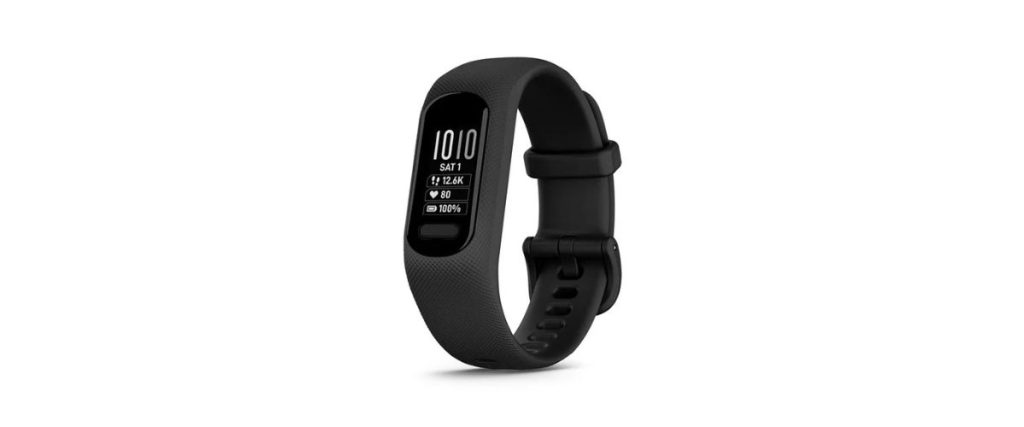
The rugged case and physical buttons are designed for tough conditions, making it a top pick for trail runners, mountaineers, and triathletes. Although it lacks the scratch resistant sapphire lens, the Fenix 7 Pro Solar retains high end durability and accuracy.

It’s ideal for those who need advanced training data and long battery life without maxing out their budget. MSRP: $799.99.

Garmin Fenix 7S Pro Sapphire Solar

Garmin Fenix 7S Pro Sapphire Solar

Small wrist, big ambitions? The 42mm 7S Pro Sapphire Solar packs all the Fenix power into a compact build. You still get solar charging, sapphire glass, full GPS support, and features like Training Readiness and PacePro. Ideal for anyone who wants elite features in a smaller package.
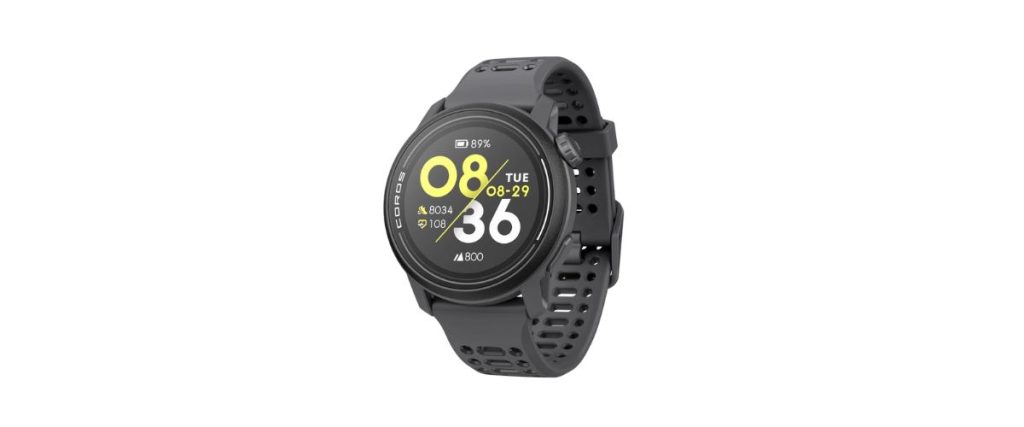
The battery life stretches up to 14 days in smartwatch mode, perfect for extended adventures and rigorous training schedules.

With its durable yet refined look, the 7S Pro Sapphire Solar transitions easily from gym to trail to everyday wear. It’s a go to for smaller users who still demand pro level tracking and resilience. MSRP: $899.99.

Garmin Fenix 7 Standard

Garmin Fenix 7 Standard

This is the entry point into the Fenix 7 world. You lose the solar and sapphire perks, but still get full GPS, mapping, real-time stamina, and long battery life up to 18 days. It’s rugged, reliable, and one of the most affordable ways to go Fenix.

The build is rough with physical buttons for easy use in wet or gloved conditions, and the touchscreen interface enhances overall navigation.

 It’s perfect for general athletes, outdoor adventurers, or tech savvy users who want premium Garmin features without paying top tier prices. It’s one of the best ways to enter the Fenix lineup if you want a balance between affordability and performance. MSRP: $699.99.

Garmin Fenix 6X Pro Solar

Garmin Fenix 6X Pro Solar

Don’t let its age fool you the 6X Pro Solar is still a trail-ready tank. You get solar charging, up to 24 days of battery life, topo maps, music storage, and a massive 51mm display that’s easy to read in any light. Sure, it’s missing newer features like HRV status and multi-band GPS, but it nails the core essentials for serious outdoor use. 

For hikers who want premium performance at a more forgiving price, it’s still a rock-solid pick.

 While it doesn’t have some of the newer features like Training Readiness or multi-band GPS, it still covers the essentials for serious training and outdoor tracking.

The 51mm case provides a large display for easy map viewing and data reading, making it a great pick for those who want premium features at a discounted price point. MSRP: $849.99.

Garmin Fenix 6 Pro

Garmin Fenix 6 Pro

If you don’t care about solar, the 6 Pro offers big value. It comes with onboard maps, music, Garmin Pay, and a sturdy 47mm frame. It’s a feature-rich adventure watch at a friendlier price.

Full onboard mapping, and multisport tracking for activities like skiing, trail running, and swimming

The 47mm case fits most wrists comfortably and is built to withstand rugged conditions.Its robust suite of fitness and health metrics makes it a reliable companion for anyone from casual adventurers to dedicated endurance athletes. 

If you’re looking for high functionality without venturing into the four figure price range, the Fenix 6 Pro remains an excellent buy. MSRP: $649.99.

Garmin Fenix 7X Solar

Garmin Fenix 7X Solar

Big watch, big power. The Fenix 7X Solar gives you the same 51mm case and solar smarts as the Pro version, minus the sapphire crystal. You still get the flashlight, training tools, and up to 28 days of juice.

The 51mm case houses a large display perfect for maps and data. Battery life is one of its standout features, reaching up to 28 days in smartwatch mode and 89 hours in GPS.

While it lacks the scratch resistance of the Sapphire version, the durability is still excellent. This model is ideal for those who want most of the flagship capabilities of the 7X Pro Sapphire Solar, but at a more budget-conscious price. MSRP: $899.99.

Garmin Fenix 7S Standard

Garmin Fenix 7S Standard

Compact and capable, the 7S Standard is the minimalist’s Fenix. You don’t get solar or sapphire, but you do get full training metrics and GPS in a wrist-friendly 42mm design.

It forgoes premium features like solar charging or sapphire glass, but still includes full GPS tracking, training insights, health monitoring, and smart notifications. 

Its 42mm case fits comfortably on narrower wrists while maintaining a tough, outdoors ready design. With up to 11 days of battery life in smartwatch mode, it’s great for daily wear and short training sessions.

This is an excellent entry-level model for users who prioritize comfort and essential features without stepping up to the more advanced or pricier Fenix versions. MSRP: $699.99.

Garmin Fenix 6S Pro Solar

Garmin Fenix 6S Pro Solar

Another solid small-size option with solar charging, topo maps, and music support. Battery life is a bit lower than newer models, but it’s still more than enough for most weekend warriors and daily adventurers.

Its smaller solar panel and battery mean slightly less runtime about 9 days in smartwatch mode and 25 hours in GPS but it remains a dependable tool for outdoor activities and workouts.

Advanced metrics such as VO2 Max, Pulse Ox, and PacePro make it ideal for athletes who want precision in a compact package. This is the perfect watch for performance-focused users who need a lightweight fit and long-term durability. MSRP: $749.99.

Best Garmin Epix Watches

If display quality and refined design are at the top of your wishlist, the Garmin Epix line delivers with style and substance. Featuring vivid AMOLED touchscreens, premium materials like sapphire glass and titanium bezels, and full multisport support, Epix watches strike a balance between high performance training tools and everyday sophistication.

While they don’t include solar charging like the Fenix series, Epix models still offer impressive battery life up to 16 days in smartwatch mode and are loaded with Garmin’s latest fitness, sleep, recovery, and navigation tech.

This series is perfect for serious athletes, tech savvy users, or professionals who want a fitness watch that looks just as good in the gym as it does in the office. Below are the top Epix models to consider in 2025, each offering a unique mix of power, comfort, and premium features.

Garmin Epix Pro (Gen 2) Sapphire

Garmin Epix Pro (Gen 2) Sapphire

This one blends style and power with a sharp AMOLED screen, sapphire crystal, titanium bezel, and LED flashlight. It’s a premium tool for those who want advanced health tracking, topo maps, HRV insights  and want it to look good, too.

 It’s just as comfortable on a mountain trail as it is in a business meeting. With up to 16 days of battery life in smartwatch mode and robust navigation tools, it serves high performance athletes and professionals alike.

The touchscreen and five button layout ensure smooth interaction in any condition. Whether you’re running marathons or managing stress recovery, the Epix Pro Sapphire does it all with polished precision. MSRP: $999.99.

Garmin Epix (Gen 2) Standard

Garmin Epix (Gen 2) Standard

Want the AMOLED goodness without the bells and whistles? The Epix Gen 2 Standard ditches the flashlight and sapphire glass but keeps the core training and health features. A solid pick for athletes who like clean design with serious function.

The solid yet refined build suits all day wear, and the intuitive UI makes switching between training modes seamless. Whether you’re training for your next big race or optimizing your wellness routine, the Epix Gen 2 balances technology and style exceptionally well. 

Battery lasts up to 16 days in smartwatch mode, with quick charging support. This watch is ideal for athletes who want high end features without the extras. MSRP: $899.99.

Garmin Epix Pro 51mm

Garmin Epix Pro 51mm

For those who want it all and want it big. The 51mm Pro brings the largest AMOLED screen in Garmin’s arsenal, massive battery life, and every feature you could ask for. Perfect for ultra-distance athletes who want max display real estate.

It boasts a bold AMOLED display, titanium construction, and a built-in LED flashlight for rugged environments.

Despite its size, the watch maintains a comfortable fit with a sleek profile and customizable settings. Whether tackling multi-day hikes or ultra-distance races, this watch is built to endure. It’s ideal for users who want uncompromised visuals and battery life in a single watch. MSRP: $1,099.99.

Garmin Epix Pro 42mm

Garmin Epix Pro 42mm

Don’t let the size fool you. The 42mm Epix Pro is compact but still brings the heat with full mapping, an AMOLED screen, flashlight, and wellness tracking. Ideal for anyone who wants elite features in a sleek form.

It also includes an LED flashlight and wellness tools like sleep coaching, Body Battery, and stress tracking. The battery life is efficient at up to 10 days in smartwatch mode, and the watch supports fast charging. Its elegant design transitions well from workouts to daily wear. 

Ideal for endurance athletes, active professionals, or anyone who prefers a more compact fit without losing capability. MSRP: $899.99.

Garmin Epix Pro 47mm

Garmin Epix Pro 47mm

Not too big, not too small. The 47mm version hits the Goldilocks zone. You get the same AMOLED screen, LED flashlight, sapphire glass, and full Garmin training tools — all in a perfectly balanced package.

The 47mm variant is a versatile companion for trail runners, cyclists, and fitness focused professionals, offering detailed insights into training load, recovery, and performance metrics. Battery life is a strong 16 days in smartwatch mode, making it suitable for week-long adventures without frequent charging. 

The build is rugged but refined, blending titanium and polymer materials for strength and comfort. Whether tackling mountain summits or corporate deadlines, this watch adapts to any lifestyle seamlessly. MSRP: $999.99.

Conclusion

It’s Fenix vs Epix, but there’s no wrong choice here. If you live for long battery life, off-grid power, and max durability, go Fenix. If you want a brilliant screen, sleeker design, and training smarts in a more modern frame, Epix is calling your name.

Whatever your vibe, both lines are loaded with Garmin’s best tech in 2025. Choose your weapon and get after it.

best place to buy used watches

The 7 BEST Places to Buy Used Watches

Charlotte H

June 13, 2025

There’s real value in the pre-owned watch world like better prices, access to discontinued models, and the chance to own something with a bit of history behind it. But when you’re dropping serious cash on a single piece, it’s important to buy from someone you can actually trust.

Buying new is more straightforward. You just head to the brand’s site, find an authorized retailer, and you’re good to go. The pre-owned space isn’t quite that simple though.

You could be dealing with a private seller or a company that specializes in luxury watches, and not all of them are going to have the same policies and reputation.

You’ve got to know what to look out for. Things like certified authenticity, transparent service history, solid return policies – these all matter. So, to make the whole process a little easier, we’ve done the legwork for you. Here are the 7 best places to buy used watches online, all vetted and trusted, so you can shop with confidence.

The Benefits of Buying Watches Pre-Owned

There’s a lot to love about buying a watch pre-owned. One of the biggest advantages is the potential to save some money.

For many of us collectors, there’s a running list of dream watches we hope to own someday, and more often than not, the biggest barrier is the number staring back at us from our bank account. Pre-owned models often come in below retail, which can make that dream piece a reality sooner than expected.

It’s also where you’ll find the hard-to-get stuff. Limited editions, discontinued references, and cult-favorite models that sell out before you’ve even had a chance to think about them.

Sometimes, a release comes and goes in a flash and if you weren’t on the list or in the loop, you’re out of luck. That’s where the pre-owned market shines. It gives collectors a second shot at owning the pieces they thought had slipped through the cracks.

Similarly, exclusivity is a big part of the game. Some big name watchmakers like Rolex for example are not easy to find brand-new.

Try walking into a store and picking up a brand-new Submariner or Daytona off the shelf and you’ll often be met with a smile and a waiting list that can stretch two or three years.

And that’s if you even make it onto the list in the first place. That means that for a lot of collectors and first-time buyers, the pre-owned market is the only realistic choice.

There’s also something to be said for buying a watch that’s already lived a little. That slight patina on the case, the softened edges of the bezel, it all adds character. These watches have stories, and wearing one can feel more personal, more grounded than buying something factory fresh.

Finally, there’s value retention. A brand-new watch often takes a hit the second it leaves the boutique. Pre-owned, that depreciation has already happened. If you buy wisely, you’re less likely to lose value and in some cases, your piece might even appreciate over time.

The Best Places to Buy Used Watches

If you’re convinced that buying pre-owned is the way to go, the next big question is where to actually shop. With so many platforms out there, it can be tough to know who to trust. To save you the guesswork, we’ve pulled together our top picks of the best places to buy used watches.

1. Exquisite Timepieces

Exquisite Timepieces is a go-to spot for anyone serious about watches. Based in Naples, Florida, they’re an authorized retailer for over 60 luxury brands, and their pre-owned selection is just as impressive.

You’ll find everything from heavy hitters like Rolex, Omega, and IWC to high-end grails from Patek Philippe, Audemars Piguet, and Vacheron Constantin, all of which are carefully inspected and serviced before being listed for sale.

What makes them stand out is the range. Whether you’re after a sleek dress watch, something sportier or a rare limited edition you missed out on, there’s something for every style and budget.

Their attention to detail, reputation in the watch world, and transparent approach to selling pre-owned make them a trusted source for collectors and first-timers alike.

2. Chrono24

Chrono24 is one of the biggest and most trusted marketplaces for buying used watches online, and for good reason. It brings together thousands of professional dealers and private sellers from around the world under one digital roof.

They have a number of systems in place to give buyers the confidence to purchase. For starters, their Buyer Protection ensures your payment goes into a secure escrow account and only gets released to the seller once you’ve had 14 days to inspect your watch and make sure everything checks out.

Every watch listed also must meet Chrono24’s strict authenticity standards, and dealers have to go through a thorough verification process before they’re allowed to sell. That means photo ID, tax info, and business registration details are all on file.

You also get access to customer reviews, which makes it easier to buy with confidence. Even top-tier retailers like Exquisite Timepieces list inventory on Chrono24, which says a lot about the platform’s credibility in the pre-owned watch world.

3. Watchfinder

Watchfinder & Co. is another major player in the pre-owned watch market, and they have been since 2002. With thousands of timepieces from over 50 top-tier brands, including Rolex, Omega, and Cartier, they’ve built a reputation as one of the most trusted names in the business.

What really sets them apart is their in-house, manufacturer-accredited service centre, something you won’t find at most pre-owned retailers.

Every watch goes through a thorough inspection and servicing process before it hits their site, so you know you’re getting a piece that’s been properly looked after. They also offer a 14-day return window, which gives you time to try it on, assess it, and send it back if it’s not quite right.

4. eBay

With millions of listings and sellers from across the globe, eBay offers unmatched variety, especially when it comes to vintage finds and quirky, hard-to-source models you won’t see anywhere else. If you’re after something with real wear and character, eBay can be a goldmine.

That said, it takes a bit more work. Unlike curated platforms, you’re largely on your own to vet the listing and the seller.

Some watches now go through eBay’s authentication process, automatically for pieces over $2,000, and optionally for lower-priced ones, but that’s not always a guarantee everything will be smooth sailing.

You need to read listings closely, study photos, check seller ratings, and don’t hesitate to message the seller with questions. Personally, it’s not where I’d spend thousands, but if you’ve got an eye for detail and a bit of experience, eBay can be a great place to score something unique.

5. Bob’s Watches

Another well-reputed retailer for buying used watches is Bob’s Watches. With over 20 years of experience, they’ve built a trustworthy marketplace where you can shop for some of the most coveted brands in the industry, including Rolex, Omega, and Patek Philippe.

They’re known for their commitment to transparency, ensuring every watch listed on their site includes both the buy and sell prices, so you can make an informed purchase.

As you’d expect, each piece undergoes a thorough inspection by third-party experts, so you can shop with confidence knowing every watch is 100% authentic. Additionally, they offer a low-price guarantee, allowing you to compare prices and feel assured you’re getting great value for your investment.

6. Watches of Switzerland

If you’re in the market for a pre-owned luxury watch, Watches of Switzerland is definitely worth checking out. They’ve got an impressive selection of both vintage and modern timepieces from some of the best Swiss brands like Patek Philippe, Jaeger-LeCoultre, and OMEGA. Their stock is always changing, so you can expect fresh options regularly.

Many of their pre-owned pieces are reconditioned and serviced by the original brands, meaning you’re getting a timepiece that’s been professionally cared for and each one is brand-certified and comes with a warranty, so you’re covered if anything goes wrong.

7. The 1916 Company

Finally, the 1916 Company is a great option if you’re after something truly special in the pre-owned watch market. They carry a carefully curated selection of rare and collectible timepieces from some of the most prestigious brands in the world, including Rolex, Patek Philippe, and Omega.

One of the standout features of The 1916 Company is their partnership with the Rolex Certified Pre-Owned Program. This means that any Rolex you buy from them is fully authenticated, serviced by Rolex and comes with a 2-year international warranty. It’s a nice reassurance that you’re getting a genuine piece in excellent working condition.

Conclusion

Buying a pre-owned watch is a great way to snag a deal while adding something unique to your collection. Whether it’s a rare vintage find or a discontinued model, the pre-owned market opens up a whole new world of options.

And the best part is that there are plenty of trusted retailers out there, each with their own strengths, from transparency in pricing to offering warranties and expert authentication.

The key to buying used watches is doing your homework. Read reviews, check the seller’s reputation, and trust your instincts. If something doesn’t feel right, don’t hesitate to walk away. But when you do find the right piece, it gets very exciting. So take your time, explore your options and enjoy exploring the pre-owned watch world!

best tool watches

The 12 Best Tool Watches for 2025

Charlotte H

June 8, 2025

For some, watches are there to look good, playing a part to elevate an outfit or reveal some sort of status. But for others, watches need to have meaning, a purpose, to be durable, resilient and even in some cases help people do their jobs.

For instance, divers, pilots, race car drivers, and even astronauts often rely on specific watches to withstand extreme conditions and assist with crucial tasks. These are what we call tool watches.

bot-only-image

We know that nowadays, you don’t necessarily need a dive watch to go swimming, and few pilots today require a mechanical chronograph to navigate the skies, but that doesn’t make these watches any less cool or important. Their rugged build, practical features, and rich history are what make them so sought after.

With so many options out there, finding the best of the best can be tricky. That’s where we come in. We’ve rounded up 12 of the absolute best tool watches for 2025 and we promise, these are watches we’ve tried and tested ourselves, so we know they don’t only look the part but can get the job done if duty calls.

What Exactly Is a Tool Watch?

So what is a tool watch, really? In simple terms, it’s a watch designed to do more than just tell time. It has a purpose. It was built to be used in real-world situations such as tracking dive times underwater, timing laps on a racetrack, or helping a pilot navigate across time zones.

Historically, tool watches emerged out of necessity. Early wristwatches, adapted from pocket watches, were created for military use so they were built tough to withstand battle.

As technology advanced and people pushed the boundaries of exploration, the need for specialized timepieces grew. That’s how we ended up with categories like dive watches, pilot watches, field watches, and racing chronographs. Each of these watches were engineered to serve a specific function.

Ultimately, a tool watch is all about durability, reliability, and functionality. They’re designed to survive tough conditions, whether it’s offering improved water resistance, shock-proof cases, highly legible dials, and features like rotating bezels, GMT hands, or even helium escape valves for serious divers.

Who Wears Tool Watches?

Know that if you already have a taste for tool watches but you aren’t exactly into deep-sea diving, piloting fighter jets, or timing laps in a Formula 1 car, then that’s okay. Us neither. You can still love a tool watch without needing to put its full set of functions to the test.

In fact, tool watches are some of the most popular out there, simply because there’s something undeniably cool about wearing a watch that could handle those extreme situations, should they ever come up.

Tool watches are built to be tough, functional, and versatile, and that’s exactly why people love them. You might simply be an outdoor enthusiast, a frequent traveller, or just someone who appreciates a well-engineered timepiece. Whatever your lifestyle, it’s hard for a tool watch not to fit effortlessly into daily life.

And let’s not forget, there’s an undeniable sense of confidence in wearing a watch with a purpose. They remind us of a time when watches were essential tools, not just accessories and even if we’re not using them for their original mission, we still love knowing that, if we had to, our watch could handle the challenge.

The 12 Best Tool Watches

With so many tool watches out there, finding the best of the best can feel overwhelming. So, to help, we’ve tried and tested the latest releases and even some golden oldies to bring you 12 of the absolute best tool watches for 2025.

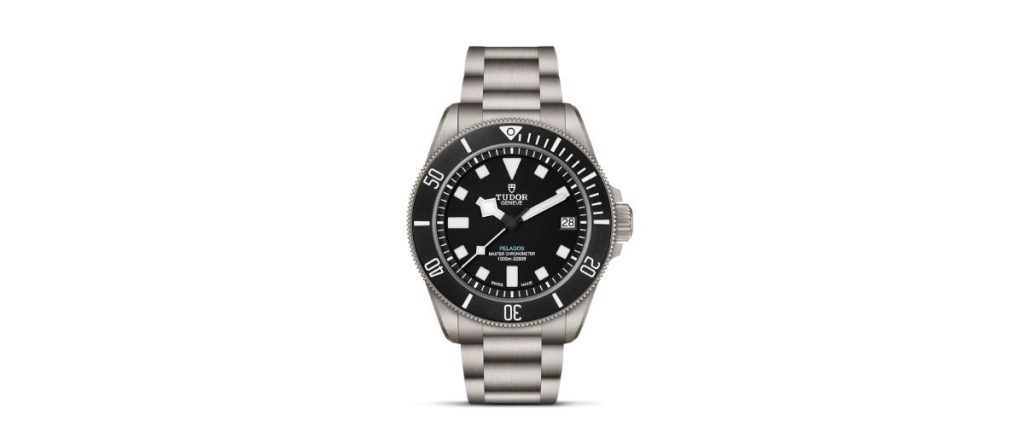
Tudor Pelagos 39

Tudor Pelagos 39

The Tudor Pelagos 39 is everything you’d want in a modern tool watch, especially if you want something water resistant. Crafted from titanium, it measures 39mm wide, 11.8mm thick, and weighs just 107g on the bracelet.

Unlike its bigger 500 meter rated siblings, the Pelagos 39 offers a more compact, everyday-friendly design while still delivering serious dive watch credentials, including 200m of water resistance and Tudor’s T-Fit micro-adjust system for a perfect fit.

It combines the no-nonsense tool-watch DNA of the Pelagos with the versatility of the Black Bay Fifty-Eight, making it ideal for both adventure and daily wear.

The brushed ceramic bezel, matte black dial, and signature snowflake hands keep the design sharp and legible. It’s a tool watch that doesn’t feel like overkill yet still packs all the performance you’d expect from Tudor.

Price: $4,875

Oris Aquis Date Calibre 400

Oris Aquis Date Calibre 400

The Oris Aquis Date is proof that a dive watch can be both functional and stylish without strictly following vintage design cues. With its sleek integrated case, bold hour markers, and ceramic bezel, the Aquis stands out in a sea of traditional divers. But what really sets it apart is what’s inside, the Oris Calibre 400 series.

This movement is a personal favourite, offering an impressive five-day power reserve, high anti-magnetic resistance, and a 10-year recommended service interval. That’s serious longevity and reliability for a mechanical watch. Of course, if the in-house movement isn’t a must, Oris still offers excellent Sellita-powered versions that deliver great performance at a lower price.

Price: $3,500

Yema Speedgraf

Yema may not be the first name that comes to mind for racing watches, but its motorsport pedigree runs deep and it’s a watch many of my tool watch-loving friends have argued is one of the best in the motorsport genre. 

Worn by legends like Mario Andretti, the Speedgraf is a true vintage-inspired chronograph that delivers both history and style.

With its 39mm bicompax layout, domed crystal, and classic tachymeter and telemeter scales, the Speedgraf is the definition of a heritage racing watch.

The Seiko NE86 automatic movement ensures reliability, while its rally strap reinforces its motorsport DNA. Yema describes it as a “competitively priced neo-vintage chronograph,” but honestly, I think that undersells just how well it captures the spirit of classic racing timepieces.

Price: $1,499

Longines Spirit Zulu Time GMT

Longines Spirit Zulu Time GMT

For those that love a tool watch built for the cockpit, you can’t go far wrong with the Longines Spirit Zulu Time GMT. It’s the perfect blend of classic pilot watch aesthetics and modern functionality. If I had to pick one model, it would be the 39mm titanium reference, as it’s compact, travel-friendly and wonderfully lightweight on the wrist.

Key features include the bidirectional bezel with a black ceramic insert and 24-hour scale, and a matte black dial accented with gold-tone numerals, hands, and a red GMT hand for easy readability. Inside, the COSC-certified L844.4 movement offers 72 hours of power reserve and independent hour-hand adjustment which is essential for frequent travelers.

Price: $4,275

Sinn 104

Sinn 104 White Dial (ref. 104.012) 

The Sinn 104 is a favorite among collectors, often serving as an entry point into high-end tool watches. Introduced in 2013, it blends the brand’s signature functionality with an understated yet rugged design. At 41mm wide and just under 12mm thick, the case features Sinn’s signature brutalist lugs, a screw-down crown with guards, and a bidirectional 60-click bezel designed for precision timing.

It feels like both a pilot’s watch and a diver’s watch with a water-resistant rating of 200 meters. Plus, it’s powered by the Sellita SW220-1 automatic movement so although German made, it boasts a Swiss movement with a reliable day-date complication and 41-hour power reserve.

For me, the best feature of the Sinn 104 though is the dial. It’s pure, uncluttered, highly legible and built for purpose which is exactly what you want in a great tool watch.

Price: $1,690

Rolex Submariner

Rolex Submariner (ref. 124060)

Arguably the best well-known tool watch of all time, the Rolex Submariner has set the standard for dive watches since its 1953 debut. Worn by everyone from professional divers to James Bond, its legendary status is well earned.

Today’s Submariner measures 41mm wide and features Rolex’s signature Oystersteel case with 300 meters of water resistance. Its unidirectional ceramic bezel offers one of the best actions in the industry, while the Chromalight luminescence ensures visibility in the darkest depths.

The in-house caliber 3235 provides a 70-hour power reserve and Rolex’s Superlative Chronometer accuracy of +/- 2 seconds per day. The issue here is getting your hands on once, since availability and affordability can be an issue.

Price: $9,100

Hamilton Khaki Field

Hamilton Khaki Field Mechanical (ref. H69439131)

The Hamilton Khaki Field is one of the best affordable Swiss-made tool watches in existence in my opinion. It’s a tough-as-nails field watch that comes in a range of case sizes, case metals, and movement types for every wearer and budget. However, if I had to pick just one, I’d go with the Hamilton Khaki Field Titanium Mechanical.

This collection comes in both 38mm and 42mm case sizes, with options for a bare titanium finish or a stealthy black PVD coating. The titanium construction keeps it incredibly lightweight and corrosion-resistant while offering a solid 100m water resistance thanks to its screw-down case back.

Dial colors range from classic black and grey to rich blue and green, depending on the case finish, but every time, legibility is top-notch with Swiss Super-LumiNova on the numerals and hands. Plus, the H-10 automatic movement offers a staggering 80-hour power reserve which is practically unheard of at this price point.

RRP: $995

Omega Speedmaster Moonwatch Professional

Omega Speedmaster Professional Moonwatch (ref. 310.30.42.50.01.002)

We can’t do a run-down of the best tool watches without mentioning the legendary Omega Speedmaster Moonwatch. The Speedmaster is epic in biblical proportions, a first in so many categories, most notably as the first watch worn on the Moon.

It has stayed remarkably true to its original form since the 1960s, offering no ceramic bezels, only manual winding movements and no over-the-top luxury embellishments. There’s even the option to choose Hesalite over sapphire crystal to keep it as close to the original as possible.

The steel case measures to a very wearable 42mm wide with a thickness of 13.2mm, making it slimmer and more refined than previous generations. One of the biggest updates to the modern Moonwatch is the bracelet, but it works on all sorts of straps for a different look every time.

Traditionally seen with a black dial, the Omega Speedmaster was more recently released with a white display, and I think it looks absolutely incredible and suits its space exploration heritage perfectly.

Price: $6,600

Breitling Navitimer

The Breitling Navitimer is one of the most iconic pilot’s watches ever made, and for good reason. While many watches claim to be “tool watches,” few can match the actual functionality of the Navitimer.

Its most recognizable feature is its circular slide rule built into the rotating bezel that allows pilots to calculate airspeed, climb and descent rates, flight times, distances, and fuel consumption, all without the need for electronic instruments.

Over the years, the Navitimer collection has expanded to include a range of sizes and variations, making it more accessible while maintaining its tool-watch DNA. The contemporary lineup features cases in 41mm, 43mm, and 46mm with cases in stainless steel, solid 18k gold and two-toned options.

The dial variations have also expanded beyond the classic black or blue, with newer releases incorporating silver, green, and sunburst finishes. Most of the core models house the Breitling B01 automatic winding calibre which is COSC-certified and runs for 70 hours off the wrist.

RRP: $5,850

Casio G-SHOCK 6900 Series

Casio G-SHOCK 6900 Series

Few watches embody toughness and reliability like the Casio G-SHOCK 6900. Introduced in 1995, this model quickly became a staple among military personnel, first responders, and streetwear enthusiasts.

Its Triple Graph display, round case, and signature front light button set it apart from other G-SHOCK models, giving it a distinctive yet highly functional design.

Two decades later, and the DW-6900 continues to impress with its high levels of shock resistance, 200m water resistance, and an EL backlight for nighttime visibility. It’s also been recently upgraded with solar charging, atomic timekeeping, and LED lighting for added functionality. Good news for those wanting a durable tool watch with a crazy low retail price, this one doesn’t even reach the $200 mark.

RRP: $170

IWC Pilot’s Timezoner Chronograph

If you’re a fan of aviation watches, you probably already know IWC and their expertise in aviation instruments dating all the way back to 1936. The brand’s collection is full of worthy contenders – the Mark XX almost made the cut for this list – but I couldn’t resist including the Timezoner Chronograph. It’s just too cool and practical with its world-time complication.

The centrepiece feature of this tool watch is this very complication, one that lets you change time zones with a simple twist. You just press down the rotating bezel, twist it to your destination time zone, and you’re set.

There’s no fiddling with pushers or buttons; it’s a one-and-done action that feels as satisfying as it sounds. And that epitomizes a great tool watch in my opinion. It also comes with a chronograph that has a flyback function, a 45mm stainless steel case, huge Arabic numerals, and those propeller-like hands for easy legibility.

RRP: $11,900

Seiko 5 Sports GMT

Seiko 5 Sports GMT SSK033

Seiko’s 5 Sports line has always been about making mechanical sports watches accessible, and the Seiko 5 Sports GMT is no exception, adding in a handy GMT complication.  Introduced in 2022, it’s a design that’s unmistakably Seiko with a robust stainless steel case, a recessed crown at 4 o’clock, and the familiar military-inspired vibe.

What really sets this model apart for me is the Hardlex crystal and the two-tone 24-hour bezel insert. Depending on how you look at it, the bezel shifts colors, adding a bit of fun to the watch while still staying practical.

And you also have the LumiBrite hands that glow brilliantly, ensuring legibility in any condition. With a 42.5mm case, 100m water resistance, and an automatic 4R movement with hacking seconds, it’s another tool watch with unbeatable value.

RRP: $475

Conclusion

Tool watches offer something unique for every taste and budget, and that’s what makes this genre so exciting. Whether you’re looking for a reliable, everyday timepiece or a high-performance model built to withstand extreme conditions, hopefully you now realise there really is a tool watch to fit every type of bill.

You don’t have to spend a fortune to get a solid, durable watch either, with brands like Seiko and Casio proving you can get great value without sacrificing quality. But equally, if you’ve got the budget, there are luxury options out there that truly deliver in both craftsmanship and functionality. The beauty of tool watches lies in their versatility so just know that no matter your needs or preferences, there’s a tool watch made with you in mind.

Dive watches are almost more at home out of the water than I am in it—that is to say, they have become a true mainstay of the watchmaking world and often figure as the primary lynchpin of many brands’ collections, with their charm having gone well beyond the interest of recreational divers.

It’s not for nothing that the affectionate term “desk diver” is so frequently thrown around: everybody, and I do mean everybody, loves a good dive watch. (If you don’t yet, trust me, you will.)

bot-only-imagebot-only-image

Unfortunately, many of the best dive watch icons, like the Rolex Submariner and the Blancpain Fifty Fathoms, come with incredibly steep price tags, leaving many of us collectors with more modest means shivering in the kiddie pool while the big dive beasts are way out in the deep end.

You can’t get your hands on one of these icons for less than $2,000. You just can’t. Thankfully, you don’t have to because many other brands here have you covered. From the classy vintage styling of the Lorier Neptune to the avant-garde glow of the Christopher Ward Lumière, here are 10 of the best dive watches under $2,000—and, really, 10 of the best dive watches ever.

History of Dive Watches

Before we get into these dive watches, we need to consider where they came from and how they’ve evolved over time. Sure, they’re not always the go-to for divers these days, but many of them were originally designed to be of maximum usefulness to divers and still reflect that purpose today.

In the 1950s, recreational scuba diving was just starting to take off. It was an exciting era of exploration, with professional pioneers like Jacques Cousteau plumbing the hidden depths of our watery world. But naturally, with a limited oxygen supply comes the need to time just how long you’re underwater—enter the dive watch, an absolutely essential dive companion in these early days. If your dive watch broke or was running poorly, or if you even just misread it, you could die. Dependability and legibility were of the utmost importance.

To fill this critical role, brands introduced purpose-built legends that still enjoy tremendous popularity today. The Blancpain Fifty Fathoms was the first true dive watch, and it was quickly followed by the Rolex Submariner and Omega Seamaster.

Most of these models featured a special dive bezel, which can be rotated to align an arrow at the top with the time you enter the water, and from there, a marked scale shows the elapsed dive time when paired with the minutes hand.

Waterproofing, of course, was essential, and without strong case seals, water could enter the watch and prevent it from running. Finally, the markers and indices were usually made large and prominent and were almost always lumed so they could glow and present the time even in the darker ocean depths.

The 10 Best Dive Watches Under $2,000

So today, even though these watches aren’t always exploring the ocean depths quite as frequently as they were back in the ’50s, they still feature the same quintessential design elements and recall the same spirit of adventure. If you’re looking for something durable and beautiful to carry you through life’s stormy seas, look no further than this list!

DOXA Sub 200 Professional on Bracelet – $1,090

DOXA Sub 200 Professional on Bracelet

I’ve had the opportunity to write about the DOXA Sub 200 a few times before as well and if you’re looking for a dive watch with some fantastic tradition and heritage behind it for under $2,000, you absolutely cannot beat the Sub 200.

I picked the orange dial color (which DOXA calls “Professional”) for this list as it’s DOXA’s iconic hue (meant to best reflect light in the ocean depths, so this is a real-deal diving watch), but there’s also a variety of other excellent options. 

Everything is maximally legibl,e and the colors, with the matte black hands and bezel, the off-white lume plots, and the bright orange dial, work shockingly well together for such an unusual color palette. Plus, the beads-of-rice bracelet just oozes with vintage charm and class.

Longines Hydroconquest – $1,775

Longines Hydroconquest Black Dial Automatic

Quality Swiss brand name? Check. Excellent dive watch design? Double check. Durable, everyday wearable watch that can go from the office to the ocean depths to a luxuriant soirée? Triple check. I love a heck of a lot about this watch.

The hands are just perfect, large and sporty with ample lume. The lugs are long, allowing the watch to sprawl out over the wrist with a balanced appearance that’s more than just a blocky dial squatting just behind your hand. 

The Oyster-style bracelet and oversized numerals aren’t my favorite, I must confess, but the well-proportioned structure of the case and lovely sunray dial more than make up for it. My favorite option is the blue-on-blue, but there are plenty of options for you to find your own.

Unimatic U1 Classic – $665

Unimatic U1 Classic

Italian watchmaking as a whole is drastically underrated, from Panerai to smaller brands like the design-focused Unimatic. Don’t cringe at the words “design-focused,” fellow watch fans, for the U1 Classic is an excellent dive watch with some serious watchmaking chops to go along with its minimalistic and elegant style. 

Its matte black dial and bezel, for some reaso,n work shockingly well with the off-white lume and brushed steel case, and Unimatic kept things as low-key as possible by placing the dial text under the hands so that it almost looks like it’s unbranded at first glance. 

My only complaint is that the rotating bezel doesn’t feature a time scale, but only the dot at the top, so you’ll need to use the dial itself to track elapsed time. It’s just not quite as intuitive. For that reason, this watch makes a superb daily wear diver, but I’d opt for a more informative one if you’re going on real dives.

Lorier Neptune Series IV No Date – $499

Lorier Neptune Series IV No Date

I love the Lorier Neptune. I’ve covered it several times already for all sorts of different articles with different subjects, and I just keep coming back to it. It’s one of the very few modern vintage-inspired releases that manage to be completely original and nearly perfectly executed at an affordable price. 

One of my favorite details on this watch is the lume plots, which are a lovely bright white, since Lorier chose to reject any use of fauxtina, which would force a fake vintage look on us. Even more than that, they went as far as 3D-printing the lume to create a puffy vintage look, which is something I haven’t heard of any other brand trying. It’s pioneering and creates an absolutely perfect look. I find this detail to be representative of the whole watch: perfectly executed, with a powerful focus on getting every little bit just right.

IFL Watches Gravity Concept – $1,290

IFL Watches Gravity Concept

What’s better than a classy Seiko 5 dive watch with a Jubilee-style bracelet, “Batman”-colored bezel, and automatic mechanical movement?

Try this: the IFL Watches modded version with a handpainted dial. The colors of the dial work perfectly with the color scheme of the rest of the watch, so it feels like it was always meant to be there as a special artistic version released by Seiko. It’s a work of art on your wrist, but not in the way of simply printing a popular painting onto a watch dial and selling it as an art piece. 

This is handpainted class that starts with the watch, already a great piece on its own, and adds something extra to make it all the more beautiful and fascinating.

Even the 4:00 crown position, usually something I hesitate to accept, feels like it works so much better because of the orientation of the astronaut on the dial, who appears to be reaching out towards it. It’s just a really dang good watch.

Christopher Ward Trident Lumière – $2,390

The Trident Lumière is Christopher Ward’s latest dive watch, and its French name makes it clear that the best-known British brand chose to laser in on the theme of light here. The indices and hands are molded from Globolight XP, a special type of lume that glows a brilliant blue at night and which can be shaped and molded into solid blocks like almost no other type of lume can. 

I love the way a well-lumed watch glows when it’s been exposed to sunlight, and I love watches that play with the concept of using lume for more than just visibility. This watch exemplifies that to the extreme, and I’m all for it. Sure, it’s a bit over our budget—but I just really couldn’t leave this one out.

Micromilspec Offshore – $1,815

A lesser-known but high-class dive watch from Micromilspec, the Offshore manages to be at once traditional and cutting-edge, drawing from watchmaking icons but presenting a fresh and unique image. The bezel is perhaps its most striking feature, clearly Royal Oak-inspired but without ripping it off, and I love the complex harmony of curves and angles. 

The dial has of course a wavy pattern which is deeply engraved and provides rich texture. Finally, I love the accent color of yellow on blue, which pops so well. Note as well the Offshore runs on the very respectable Swiss made Sellita SW200-1 with a custom rotor, so it’s got some serious watchmaking chops.

Tissot Seastar 2000 Professional Powermatic 80 – $1,125

Tissot Seastar 2000 Professional Powermatic 80

The Seastar 2000 Professional Powermatic 80 couples a very rich and elegant dial with Tissot’s superb Powermatic movement, which is an automatic workhorse with 80 hours of power reserve and a Nivachron-alloy balance spring for antimagnetic resistance. 

Honestly, when I first found out the Powermatic movement was that good, I was shocked—we’re talking about a watch that goes for barely over $1,000 here and it’s getting a longer power reserve than most Rolexes! But Tissot didn’t stop there.

The aqua green color of the dial, with a lovely fumé gradient, pops very well against the monochrome bezel and case, and the wave engraving on the dial is much more irregular than the Micromilspec we just looked at, in a very pleasing way.

Jacques Bianchi JB200 Poulpro Blue Edition – $1,165

Jacques Bianchi JB200 Poulpro Blue Edition

The professional dive watch manufacture out of Marseille absolutely crushed it with this one. The first JB200 was issued to the French Navy in the 1980s, so Maison Bianchi has been making military-grade dive watches for a long time now. With the Poulpro, they decided to get much more playful with their hardcore watchmaking chops, featuring a playful octopus front and center on their dial. 

The octopus feels unobtrusive, thanks to the lightness of its lines, while filling the dial’s negative space in a fun way. Its green emission Super-LumiNova, coupled with the blue watch dial and body, gives you a very aquatic-feeling watch. Plus, it runs on the prestigious Swiss-made Soprod P024. I’m a huge fan of this watch.

Mido Ocean Star Decompression Worldtimer in Blue – $1,310

Mido Ocean Star Decompression Worldtimer in Blue

I can’t get over the vintage, multicolored charm of this watch. Just look at how busy that dial is, with so many different things marked and presented for your use.

All of the colors come together harmoniously, with none of them intruding on the overall blue color palette but still drawing the eye to the information it presents. I mean, this watch is by far the do-it-all older brother of the mechanical dive watch world. 

You’ve got a GMT hand plus a worldtimer bezel, so you can figure out what time it is anywhere on the globe. Perfect for planning your next dive in the Bahamas or off the coast of Italy. And as soon as you get in the water, Mido’s got you covered too, with an extended decompression timing scale so you can avoid the bends as you make your return from the watery world to dry land.

And wearing this, you can look so dang good doing it, too. This is my ultimate “I’m on a beach on the French coast in the summer” watch, but I would totally rock it year-round, too.

Conclusion

Dive watches are probably the single most diverse genre in all of watchmaking, and they’re a distinct favorite for many—myself included. Sure, I’d sooner use that dive bezel for timing a cake in the oven than how much time I’ve spent underwater, but that’s the beauty of a good dive watch.

They channel that sense of underwater adventure and bring it into every moment of your life. So whether you’re a diver or not, you can find your next everyday wearer on this list, at an affordable price!

what is a tachymeter

Need for Speed: What is a Watch Tachymeter?

Marcus Henry

June 3, 2025

You’ve probably seen the numbers making a ring around some of the finest chronographs—or watches with a timer function—on the market today. The mysterious label “tachymeter” took you to a Google search. And now you’ve unluckily fallen into my waiting trap. 

By now, you’re already a minute into reading this article! Or maybe you just saw this one on Exquisite Timepieces’ lovely blog and thought it sounded interesting—welcome! In any case, I promise to keep this one short and sweet, to provide the answers you’re looking for with just a little more information to sweeten the pot.

bot-only-imagebot-only-image

What Is a Tachymeter and How Does It Work?

how does tachymeter work

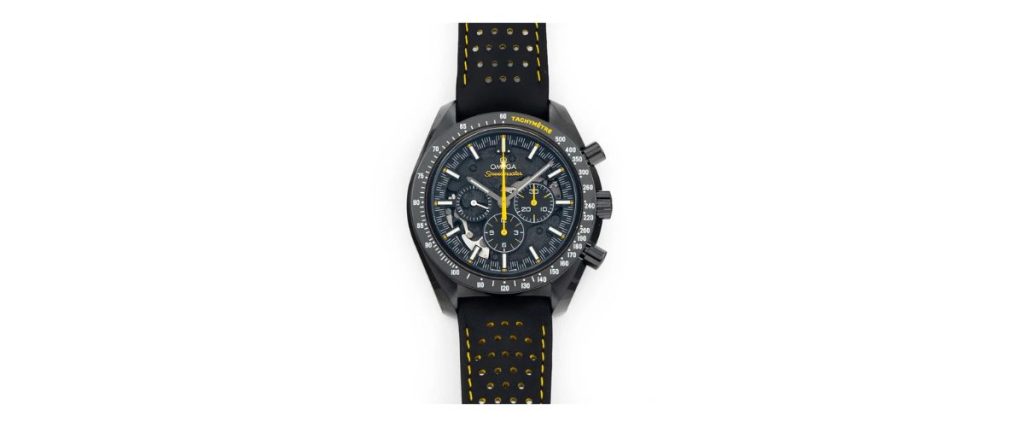
Let’s take a look at one of the most iconic chronographs ever made: the Omega Speedmaster. Examine closely the ring around the dial, which is printed with numbers, little tick marks, and the word Tachymètre (which is French for, you guessed it, tachymeter). 

Now, a tachymeter bezel (that’s the name for the ring around the dial) is always paired with a chronograph watch. That’s because you need the chronograph to use the tachymeter! Let’s break down how you’d go about using it.

What a tachymeter is designed to tell you is your current speed. It doesn’t use any units, which means that you can use it to calculate kilometers per hour, miles per hour, or even millimeters per hour if you like. 

Here’s how it works. Let’s imagine you’re driving down the highway. Right as you pass a mile marker, you’ll want to start the chronograph (using the top button of the chronograph if there are two buttons, or if there’s only one, just press that button) and watch the seconds hand start to move over the dial.

Keep your eyes on the road (especially if you’re driving in this imaginary scenario) and wait until you’ve gone one full mile, by watching the mile markers as you go by. Just as you reach the final one, hit stop on the chronograph (the top button again). Now take a look at your watch.

The final position of the seconds hand will tell you your speed using the tachymeter bezel! For example, if you drove that full mile in 55 seconds, then the tachymeter will tell you that you were driving an average of 65 miles per hour. If you did it in 45 seconds, then it was more like an average of 80 miles per hour.

The kicker is that you can use this for any unit of measurement just based on how you track your distance. If you’re in Europe and watching the kilometer markers go by, your final result is whatever number you end up with, just with the units of kilometers per hour! You do need to be careful though, that whatever speed you’re doing is within the reach of the tachymeter. 

On the Omega Speedmaster, you won’t be able to track anything higher than 500 units per hour. If you’re driving a Lamborghini at top speed around the racing track, you won’t be able to keep track of your speed in millimeters per hour. If you’re timing a snail’s progress, you might be more able to use that one. 

Likewise, you can’t do anything lower than 60 units per hour—no following that same snail’s progress in miles per hour!

What Can I Use a Tachymeter For?

For the most part, tachymeters are used for tracking speed in automobile races. The scale on the bezel is usually suited perfectly to follow even the most high-speed races in miles or kilometers per hour, or for tracking your own speed in that scenario that I suggested as you drive down the highway.

However, tachymeters aren’t limited to just racing and driving! You can use them to follow the airspeed of an airplane, to track how fast your zippy little drone can cover ground, to time how fast your baseball pitch is, and much more. You’re only limited by your imagination!

History of the Tachymeter

Before I wrap this article up, I want to touch on the history of the tachymeter, which is as fascinating as it is convoluted. I’ve seen no fewer than three different origin stories for this lovely contraption: 1913 with the first wristwatch chronograph by Longines; 1821 by the watchmaker Nicolas Rieussec; and 1816 by Louis Moinet. Unfortunately, I’m not in a position to confirm or deny any of the three claims. 

Personally, I find it unlikely that the tachymeter was first invented when the chronograph made its transition to the wrist, as it had existed for a long time before in pocket watch form and such a simple invention as the adaptation of chronograph time to a speed rating would certainly have been thought of.

Between Moinet, the inventor of the first chronograph—which was indeed in 1816, and which did not originally include a tachymeter, although one of his later creations may have—and Rieussec, I’m not able to distinguish. 

Regardless, it’s clear that the tachymeter has been around for well over a century now, and its history is a long and storied one. If this story is ever resolved for good, I’ll be sure to write up another article for those of you who are interested!

Conclusion

The tachymeter is one of the most useful inventions for a watch, simple and yet profoundly effective, more than worth the dial or bezel space it consumes.

It is perhaps the most distinguishing feature of the most iconic chronographs of our day, including the Rolex Daytona and Omega Speedmaster. Frankly, a chronograph without it just feels bare!

To Top