News Archives - Page 16 of 51 - Exquisite Timepieces
iconHome Blog / News / Page 16

Category: News

why does kevin o'leary wear two watches

Why Does Kevin O’Leary Wear Two Watches? 

Nina S

July 20, 2025

If only we all had deep enough pockets to afford a dream watch whenever we fancied. Budget would be of no concern, and our watch collection would be virtually bursting at the seams – a timepiece for every scenario, every outfit, every day. 

That’s a reality for stars like Kevin O’Leary, successful Shark Tank investor and TV presenter (with a net worth of around (ah-hem) $400 million).

The Canadian businessman can splurge on random luxury timepieces whenever his heart desires, rocking the two-watch-wearing trend and outright owning it. But why?

Kevin O’Leary doesn’t beat around the bush. Watch collecting is a disease, did you know? And once it gets under your skin, you have to live with it.

There’s no cure. At least, that’s how he describes his unapologetic addiction to flaunting some of the world’s most covetable timepieces against the sleeve of his $2,800 Yves Saint Lauren denim jacket. It’s simply not his fault. 

Watch addiction is an unimaginable force that sucks you down the horological rabbit hole at unstoppable speed, at least, if you have the budget for it in the first place. 

But despite the financial capacities that separate the business entrepreneur from people like you and I, he still has some great advice for enthusiasts from any walk of life, whether that be about which brands to invest your money in, the beauty of owning historically important watches, or avoiding buying crap. 

He even has his own views on watch etiquette and why he feels that wearing two watches is actually OK.

Who is Kevin O’Leary? 

Perhaps what acquainted Kevin O’Leary with the world of watches was the fact that he was a well-travelled child.

Thanks to his stepfather’s job, O’Leary got the chance to hop from one country to another, experiencing a diverse range of cultures, including Geneva’s watchmaking roots, whilst visiting the United Nations offices in Switzerland. 

By the time O’Leary landed back home from his world tour, the horological seed was already well and truly planted.

It also seemed the man was destined to make a ton of money, which conveniently coincided with his love of watches, enabling him to explore his passion for watchmaking to levels many people could only dream of. 

The man has always had a sixth sense for identifying areas of increasing value, seizing opportunity after opportunity, and the same can be said for his ability to collect watches, too.

First and foremost, Kevin O’Leary is a successful business investor. His first big break came when he invested $10,000 in an educational software company. That company went on to sell for $4.2 billion. Enough said. 

Then, there is O’Leary’s cheffing skills, which he puts to use on his YouTube channel, garnering a huge following for his role as “Chef Wonderful”, where he brings to life cuisines from all over the world through his love and knowledge of cooking.

Aside from being passionate about photography and knowing a thing or two about fine wines, you can also find O’Leary submerged in his love of music. 

He’s a keen collector of guitars and, over the years, has become an accomplished musician. As far as I’m aware, he can’t play more than one instrument at any one time, but he can certainly wear two watches.

Kevin O’Leary Is a Big Watch Fan

Kevin O’Leary is a keen watch collector with a fair few opinions to share on all things horology. His watch collection is very sacred to him. In fact, he has expressed wishes to be buried alongside his watches (it seems you can take it with you!). 

He doesn’t view his watches as assets, either. (Could he be the only loaded celebrity who actually sees the art and meaningful sentiment behind a watch for what it really is?).

His collection, which comprises novelties from the likes of Audemars Piguet, Grand Seiko, Patek Philippe, and Rolex, to name just a few examples, is split across several safes all over the world, and he won’t promote a single thing when filming Shark Tank. 

Even more endearing is that he claims he’ll never sell a watch, not that he’ll ever need to!

Kevin O’Leary spends his time sniffing out unique collectibles, the rare gems that only the affluent folk of society can afford, but he also has a lot of respect for brands like Seiko, which churn out large quantities of watches year by year. Indeed, it’s merely about a particular brand, as such. 

Moreover, it’s whatever watch conjures an emotive response within him and triggers a connection. Suffice to say, this man has been collecting luxury wristwatches for over 50 years, and lives by some important rules.

One, of course, is his right to wear two watches at the same time. Other advice includes buying watches to celebrate the small wins in life, no matter how insignificant. If you can, do it, he says. 

Any watch you buy to mark one of life’s milestones is a watch with sentiment and will therefore evoke some level of emotion when you wear it. Another piece of O’Leary’s advice is to invest in a big brand, if you can. That way, you can move up the horological ladder to where you eventually want to be.

According to the successful business person, you should also aim to diversify your watch collection wherever possible. In doing so, you can experience the whole gamut that the horological industry offers.

And, if you have the know-how and skill to understand the context behind a watch, you can use this experience when selecting historically significant watches. 

Lastly, his view on wearing two watches at any one time runs much deeper than simply owning too many watches. More specifically, his decision to do so stems from his need to keep in direct contact with his many investors.

He uses his watches to retain open communication channels and uphold meaningful connections with his overseas teams. But you’re wondering which watches could possibly sit side by side with one another and still look good, right?

A Glimpse Inside Kevin O’Leary’s Watch Collection

It’s safe to say at this point that Kevin O’Leary doesn’t buy into hype watches. Moreover, he has a deep understanding of the world of horology.

He knows what makes him tick and prefers to spend his money on meaningful designs that either play a significant role in his day-to-day life as one of the world’s most successful business people, or those he has grown up with. 

Vacheron Constantin, for example, is a brand that has been in his life since the young age of just 14, hence he’s now the proud owner of the blue-dialed Overseas watch, which he loves very much. 

And the thought process behind putting two watches on in the morning does seem to follow some sort of method, too, usually starting with the “should I wear gold or steel” deliberation and working outwards from there (dial colour, strap material, and so on and so forth).

O’Leary wears everything from the Omega Speedmaster to the F.P. Journe Chronomètre Bleu. When pairing watches together, combinations including the Patek Philippe Nautilus and the Audemars Piguet Royal Oak often make an appearance as a duo. 

Both are highly covetable sports watches with mass appeal and a huge wrist presence. It has become imperative to O’Leary, particularly over the last few years, to restore the utility of a wristwatch to its full potential, especially following the advent of the smartwatch. 

O’Leary still considers watches a piece of art, but the fact that they can help keep track of New York time and Dubai time makes them even more indispensable when juggling multiple time zones like he does.

Why Are Watches So Important to Kevin O’Leary That He Wears Two?

Back in 2023, Kevin O’Leary garnered a lot of attention when he rocked up at the Benzinga Fintech Deal Day & Awards wearing two watches. When quizzed on the decision to do so, he simply replied that if you don’t wear a watch, it loses its soul. 

Clearly, the TV star has many watches to rotate within his collection, and this is one guaranteed way to ensure each one gets some wrist time.

But since then, we’ve discovered a lot about the man as a watch connoisseur and have come to understand that his watches mean much more to him than simply finishing off an outfit. 

New York and Dubai are where all the money is, so it makes sense that Kevin needs to juggle time zones in order to conduct important business meetings abroad, and part of that process is to navigate multiple time zones. So why not just wear a GMT, you ask?

Well, O’Leary is not the only one wearing two watches. The “double wristing” trend has been taken up by the likes of Richard E Grant and Prince William.

It’s not exactly a new concept. In fact, it’s been around for quite some time, with historical figures such as politician Fidel Castro and NASA Dr Edgar Mitchell among those who have adopted the trend. 

For all of the above, wearing two watches has been about managing two times at once. Fidel Castro wore a Submariner alongside a GMT, enabling him to track three time zones at once easily.

Likewise, Richard E Grant wore the Cartier Santos and a Breitling Navitimer at the 2023 BAFTAs to memorialize his late father, setting one watch to Eswatini time.

Is It OK To Wear Two Watches?

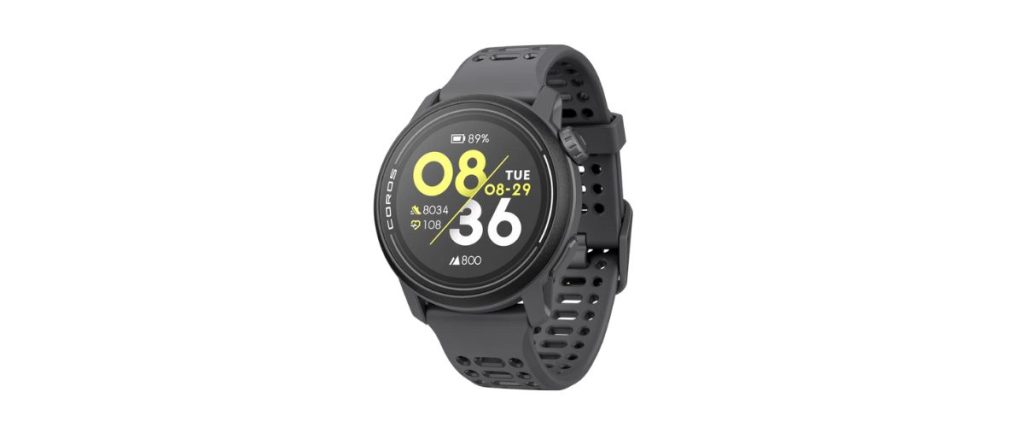
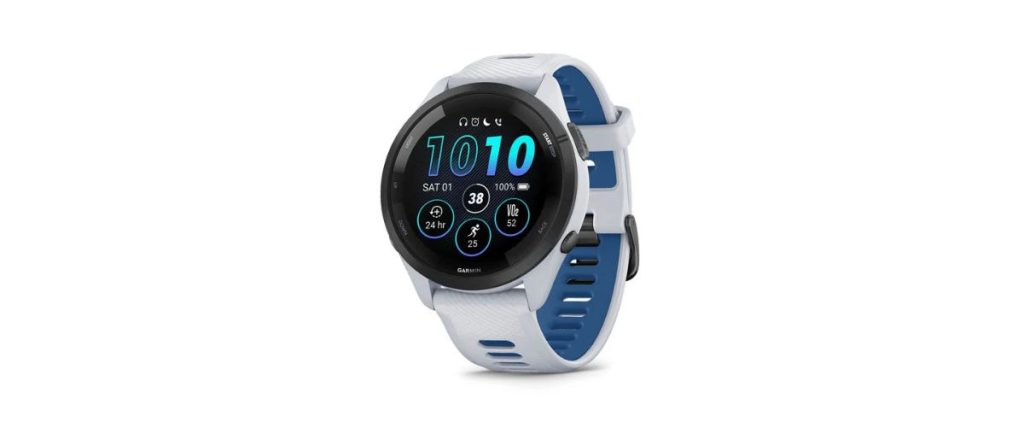
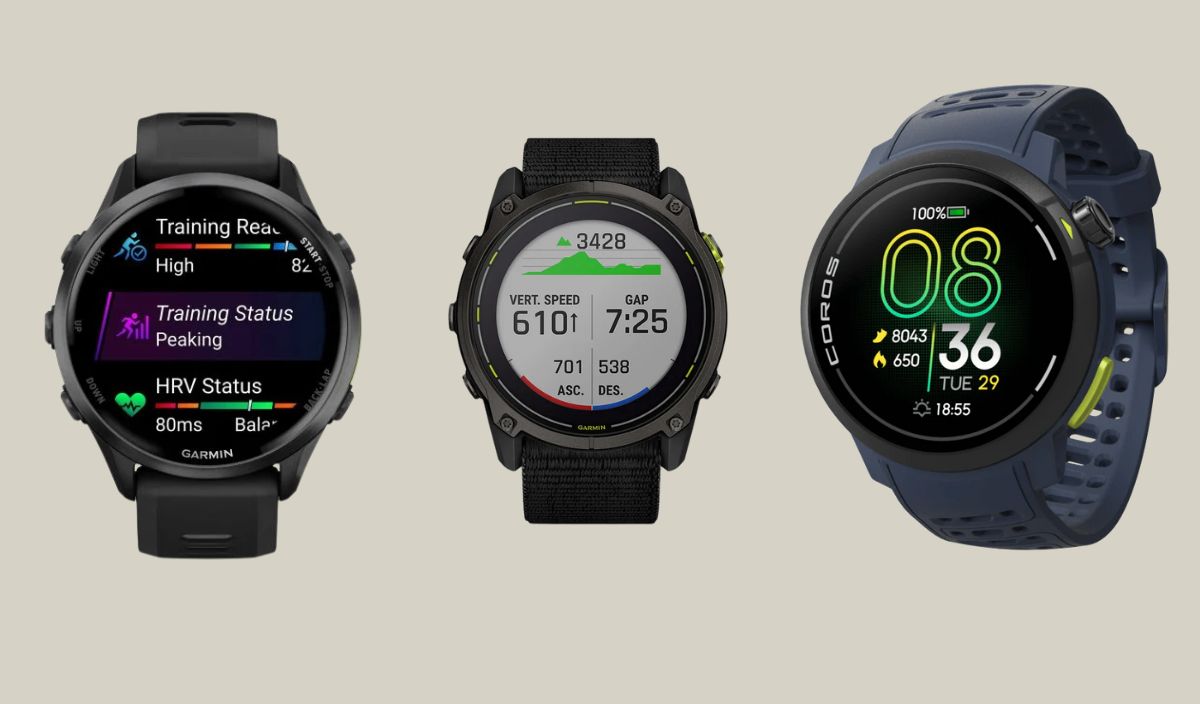
And here’s where one of the biggest disagreements amongst the watch-collecting community exists – is it OK to double wrist? It’s a practice more commonly seen when combining a smartwatch with a traditional analogue.

This way, a collector can still enjoy their classic timepiece while taking advantage of an entire suite of smartwatch apps and features. 

The divisive argument for whether you should wear two watches or not simply lies in whether one is broadminded enough to accept that it looks OK.

For some double wristers, wearing a smartwatch and a traditional wristwatch is not even the same thing, since one is more of a high-tech wrist-worn computer, and the other actually displays the time. 

Those people would argue that they’re simply wearing one watch.

Whatever way you look at it, wearing two watches is a personal choice, and the opinion on this topic varies from one collector to another. One thing is for sure, however. It’s not a common fashion choice, and a larger portion of watch enthusiasts are not doing it than doing it.

Reasons for opting out of the trend include the belief that wearing two watches can be cumbersome and will undoubtedly leave one watch redundant, since you only need to check the time on one dial.

Still, it’s a style choice for some, and it just so happens that some of the most devoted and affluent collectors are doing it.

Reasons Why People Wear Two Watches at the Same Time and How to Double Wrist Stylishly

As mentioned earlier, those who double wrist have their own personal reasons for doing so, just as some will prefer to wear their wrist on their right hand, rather than their left. 

The majority of evidence in favour of wearing two watches seems to lean towards the ability to track two or three time zones at once, while other reasons could be down to a collector owning too many wristwatches.

Either way, if you were seriously contemplating wearing two watches like Kevin O’Leary does, there are things to consider and ways to do it…

It makes sense that wearing two watches of the same size can feel a little odd, almost like you’re trying to quell some OCD urge to balance weight and proportions out across both wrists. The often-desired way to double wrist is to wear two watches of different sizes. 

That way, one can dominate the other and become the main focal point of your attire, celebrating diversity. Others would argue that wearing two watches of the same size is better, since it’s pretty normal for one particular size to sit well on a person’s wrist. And since both wrists measure the same size, why should one wrist be unhappier than the other?

Before we move on, another argument for wearing two watches springs to mind whilst I write this. Creating contrast when double wristing is one thing, but you may require the use of two complications at the same time. Yes, this also circles back to O’Leary’s use of wearing two watches for timezone-tracking. 

He likes to be able to use a classic three-hander and a GMT watch at the same time. But suppose you’re measuring laps at the 24 Hours of Le Mans, but also need to know when to call home and wish the kids “goodnight”? If you don’t happen to own a watch that combines your two most important complications, there’s certainly an argument for wearing two watches at once.

So, Why Does Kevin O’Leary Wear Two Watches?

If you’re Kevin O’Leary, you believe that watches serve very functional purposes, even in today’s society. Yes, complications like the classic GMT allow you to track up to three time zones simultaneously (depending on the model), but if you have as many luxury timepieces as he does, why wouldn’t you utilize them simultaneously? 

He’s also a passionate watch collector, and no amount of convincing a connoisseur that they don’t need to wear a watch when they’re determined to, will sway them not to. 

He’s Kevin O’Leary – he can do what he likes! Being a passionate watch collector, he sees the value in supporting manufacturers that resonate with his values, and sometimes that may spark the urge to promote a brand if he likes them hard enough.

The businessman knows how to look cool and stylish, and let’s face it, he owns some of the most iconic watch designs in history. 

Lastly, O’Leary believes that you run the risk of your watches “losing soul” if you don’t wear them regularly enough. If anything, it’s nice to see someone as successful as him willingly getting the wear out of his watches, rather than buying a hype watch to wear as a one-time statement piece.

Conclusion    

Say what you will about Kevin O’Leary, but the man sure has good taste in watches, from elegant Vacheron Constantin complications to bold status symbols like the Royal Oak and Nautilus.

But his deep-rooted passion for intricate in-house design and authentic craftsmanship seems to set the Shark Tank star apart from other millionaires. 

For O’Leary, a watch has to tell a story or serve as an emotional link to his past endeavours to deserve a place in his ever-growing collection.

And if you were expecting to see some of his most prized possessions fetching thousands of dollars at auction one day, think again. He’s taking them with him, and he’ll be wearing two!

aldis hodge watches

7 of Aldis Hodge’s Most Inspiring Watches

Michael Brown

July 19, 2025

Celebrity culture and luxury watches have always been a natural mix, and “who wore what on the wrist” has been the topic of many watch articles and forums.

For example, there are your flashy and ultra-famous brand ambassadors, like Rolex’s Roger Federer and Omega’s Daniel Craig, who are easily recognized on the red carpet.

Then there is the more “under the radar”, singular actor, self-taught horologist, and polymath “watch guy” named Aldis Hodge.

Notable for his many screen roles in movies like Straight Outta Compton and Hidden Figures and TV series such as City on a Hill  and Cross, Hodge caught watch design fever at age 19 while attending architecture school and is now well on his way to launching his own haute horology brand, A. Hodge Atelier.

Hodge’s first watch design was a sketch of a wooden wristwatch with a wooden cuff-style strap. Since then, he has immersed himself in watch culture and design by apprenticing, enlarging his network, reading the works of watchmaking legends, purchasing his own milling and guilloché machines, and learning French, while continuing to climb the “day job” acting ladder.

7 Watches Inspiring Aldis Hodge

Aldis Hodge has been spotted wearing many watches both onscreen and in public appearances that have helped inspire his own high-flying, horological visions. Here are 7 that will give you some insight into what might be in store when he launches his own brand.  

1. Audemars Piguet Royal Oak Offshore Selfwinding Chronograph (ref. 26420RO.OO.A002CA.01)

Audemars Piguet Royal Oak Offshore Selfwinding Chronograph (ref. 26420RO.OO.A002CA.01)

As we’ll see, Aldis Hodge doesn’t naturally lean toward sports watches. But his Audemars Piguet (AP) Royal Oak Offshore chronograph, with its distinctive integrated case design and octagonal bezel with industrial threaded bolts, suits him well, especially since it was originally conceived by one of Hodge’s designer idols, legendary watchmaker and artist Gerald Genta.

This 43mm diameter, 14.4mm thick reference has an 18k pink gold case and black ceramic bezel, pushers, and screw-down crown. Both the handset and the applied indices are pink gold and lumed.

There are timing hours and minutes subdials at 3 and 6 o’clock, respectively, a date window at 4:30, and a tachymeter on the inner bezel. The black dial has a “Grand Tapisserie” (aka, “waffle”) pattern and is paired with a black rubber strap and an additional one in alligator leather.

Water resistance is a robust 100 meters. At $68,500 retail, it helps if you have a few films and shows under your belt like Hodge before waltzing into your nearest AD and asking for one.

2. Greubel Forsey Double Tourbillon 30˚ Technique Sapphire

Greubel Forsey Double Tourbillon 30˚ Technique Sapphire

Aldis Hodge cites Greubel Forsey founders Robert Greubel and Stephen Forsey as the mentors who have given him the most encouragement in his pursuit of creating his own independent atelier.

Hodge created a stir strolling the red carpet at the 2017 Oscars while sporting this stunning and highly complicated beauty, 1 of 8 in a USA-only limited edition, on his wrist. The watch was a 2016 refresh of the first watch the company produced in 2005 and retailed at the time for an eye-popping $1.1 million.

It features a 50mm diameter, clear sapphire openworked case which offers a 360 degree view of the intricate movement architecture.

The 30 degree inclined tourbillons technically increase accuracy, but their aesthetic effect, paired with the visual impact of the hand-finished subdials and inner workings, offer an “ooh, ahh” religious experience like that of the Sistine Chapel ceiling.

Are there any still out there, and how much would one cost now? I’m sure there are, but I’m afraid to ask.

3. Breguet Tradition Seconde Rétrograde 7097 (ref. 7097BB/G1/9WU)

Greubel Forsey Double Tourbillon 30˚ Technique Sapphire

Iconic Swiss-French inventor and horologist Abraham-Louis Breguet is widely regarded as the “father of modern watchmaking”. No surprise, then, that Hoge turned to his legacy for knowledge and inspiration and wears the Tradition 7097.

This watch captures the spirit of Breguet’s early, intricate pocket watch designs and houses it in a 40mm diameter, 11.7mm thick 18k white gold case with an openworks design that showcases the finely-crafted angles and guillochéd facets of the dial and mechanism in all their glory.

The featured complication of the watch is its retrograde seconds hand that moves across an arc subdial and jumps back to its starting point rather than continuing a full revolution for each minute.

A high quality black alligator strap and white gold buckle complete this fine piece, and it  retails for a “mere” $43,300, which, compared to our first two, is a real steal!

4. Arnold & Son Golden Wheel

Arnold & Son Golden Wheel

Among Aldis Hodge’s guides in his watch journey is Sébastian Chaulmontet who was head of movement design at Arnold & Son during his time with the company.

Hodge has been seen wearing the A&S Golden Wheel, a limited edition watch launched in 2016 for a retail price of $47,500, and features a 44mm diameter 18k red gold case, black semi-open case, and a brown alligator strap.

But what made this watch so special is its unique combination of two complications: the extraordinary and difficult to manufacture “wandering hours” that display the hours with rotating sapphire discs instead of hands; and “true beat seconds”, which unlike mechanical watches but very much like quartz ones, makes the seconds hand jump once every second.

Hodge’s admiration for this watch and Chaulmontet’s design language is probably a good indicator of the complex and layered dialect A. Hodge Atelier watches will speak once he launches the brand.

5. Fernando Ronzen Jumping Hour “Ghost”

Fernando Ronzen Jumping Hour “Ghost”

At Dubai Watch Week in 2019, Aldis Hodge was spotted “double-wristing” a couple of very unique and stunning watches. On the left wrist was the F. Ronzen Jumping Hour “Ghost” designed by independent Canadian watchmaker Fernando Ronzen.

This is another limited edition piece that appeals to Hodge because of its highly complicated and mesmerizing blend of timekeeping and art. It has a 40mm stainless steel case with a Hesalite crystal and sapphire display caseback.

On the dial are discs for hours, minutes, and date, but instead of floating ones like A&S Golden Wheel, these turn, but with a “twist”. The minutes and date discs rotate conventionally, but the hours disc, per the name, “jumps” to the next Arabic numeral index at the top of the hour.

The movements are vintage ones from the 1970s used for jumping hours watches of that decade which have been rebuilt and modified by Ronzen. Finding the original retail price proved elusive. I mean, if you have to ask, then . . . well, you know.

6. Daniel Roth 8-Day Tourbillon

Fernando Ronzen Jumping Hour “Ghost”

What was on Hodge’s right wrist?

The answer is the Daniel Roth 8-Day Tourbillon. Roth, another watchmaker whom Hodge admires, started his company in 1989 (the brand is now owned by Bulgari), and his artisanal watches are recognized for their distinctive fluted lugs and signature “double ellipse” shaped case, a cross between a cushion and barrel-shaped tonneau.

Hodge’s piece is 18k white gold and employs a tourbillon at the 6 o’clock position, along with a small seconds subdial that is 3 tiered arcs with progressively longer hands that rotate and correspond to the correct seconds.

It is powered by the DR 5300 movement which provides a ginormous 8-day (192 hours) power reserve with a single full wind.

The upper half contains a traditional dial with Roman numeral indices embedded in a beautiful, silvered guilloché background. A DR 8-Day Tourbillon like Hodge’s will probably set you back $70-90K.

7. Aldis Hodge Black Adam Watch

Aldis Hodge Black Adam Watch

Although as of this writing a release date for the first A. Hodge Altier brand watch has yet to be announced. But we get a sneak peek horological “trailer” of sorts in the form of a non-working prototype piece that Hodge designed and created for his character Carter Hall, aka “Hawkman”, to wear in the 2022 DC Comics Superhero movie Black Adam, starring Dwayne “The Rock” Johnson.

Since it is only a prototype, the piece is composed of basic contemporary materials such as brass, steel, and calfskin with no working movement.

But the real story is the design motif of the dial, which is based on images from The Egyptian Book of the Dead which Hodge felt perfect for Carter Hall who is depicted as either an Egyptian prince or a police officer from the planet Thanagar who has reincarnated as a combination of an archeologist and superhero!

If that confluence of roles and identities reminds you of the Renaissance man Hodge himself, then you’re reading it right.

The Black Adam watch design signals Hodge’s serious intentions and foreshadows Hodge’s future duality of both screen star and haute horology watchmaker extraordinaire with an established brand.

Hodge’s Next Steps

While we don’t yet know exactly what Hodge’s first working watch will look like, we can safely assume it will be very stylish and complicated, kindred in spirit with the ones listed above.

However, juggling his acting career and horology is taking time, and Hodge is dealing with the realities of finding suppliers, parts, watchmakers, and a support team that can help him bring his independent brand dream to fruition.

But for Hodge, and horologists, time is relative, and “getting it right” is more important than rushing a watch to market just to commercially satisfy the watch-consuming masses. In fact, selling tons of watches is the least of his concerns.

What matters most to Hodge is fulfilling his innate urge to create beautiful objects that will outlast him and continue a dialogue he started. After that, the “cherry on top” will come from watch aficionados recognizing his unique designer aesthetic from across the room and saying, “Look, that’s an A. Hodge.” 

precision watches

We all love watches for different reasons. For me, they’re a form of self-expression, whether it’s a chunky gold case to dial up the luxury, a bold-colored face to keep things playful, or a complex complication just to show off my horological know-how. But at their core, watches are really about one thing: time.

Time is what they were made for, and for most people, that’s still why they wear them. So, it makes sense that a watch should tell the time well. That’s why precision is important.

Precision is all about how accurately a watch keeps time, and while quartz movements often take the crown for accuracy, today’s mechanical movements are getting impressively close.

In this blog, I’m going to be looking into what makes a watch precise, the certifications that prove it, and a few ultra-accurate mechanical timepieces worth putting on your wishlist.

What Does Precision Mean in Watches?

When we talk about precision in regards to watches, we’re really talking about how consistently a watch keeps time. We rarely check the time hoping It’ll be roughly right, we want it to be spot on, day in and day out. 

A precise watch won’t suddenly decide to run two minutes fast one day and three minutes slow the next. Instead, it holds a steady rhythm, ticking in near-perfect harmony with the actual passage of time.

Precision is often confused with accuracy, but they’re slightly different. Think of it this way: accuracy is how close a watch is to the actual time, while precision is how consistent it is in keeping that time over a period.

You can have a watch that’s always five seconds fast(which is inaccurate but precise or one that fluctuates wildly from day to day – which is neither accurate nor precise!

Whether you’re relying on your timepiece to catch a train or just appreciate the engineering behind it, precision is what makes your watch dependable.

Why is Precision in Watchmaking Important?

Okay, so I know some of us wear watches purely for the flex. Others for the nostalgia, craftsmanship, or just because they look really, really good.

But ultimately, let’s not forget that a watch’s main job is to tell the time. And if it can’t do that reliably, then it’s not even close to being fancy wrist candy, no matter how cool it might look.

Precision matters because time matters. Whether you’re making a business meeting, catching a flight, or trying to impress a date with your punctuality, a precise watch keeps your life on track. It also reflects the quality of engineering behind the watch.

A precise mechanical movement is a mark of skill, patience, and centuries of horological tradition brought to life in a tiny case on your wrist.

Plus, for collectors and enthusiasts, knowing your timepiece can hold its own when it comes to precision is part of satisfaction. It’s the difference between a watch that’s just “nice” and one that’s seriously impressive.

Different Certifications to Prove Accuracy in Watches

If precision is important to you, and it should be, there are a few key stamps of approval to look out for. These are the gold standards for measuring how accurate and reliable a watch really is.

COSC – Contrôle Officiel Suisse des Chronomètres

The main, most commonly seen stamp for precision is COSC. It stands for Contrôle Officiel Suisse des Chronomètres, or the Official Swiss Chronometer Testing Institute.

If your watch movement is COSC-certified, it means it’s been tested over 15 days in five different positions and at three temperatures (from a chilly 8°C to a toasty 38°C).

To pass, it has to stay within an average daily deviation of -4 to +6 seconds per day which exceeds most standard Swiss- made mechanical movements that aren’t chronometer-certified.

Many brands like Omega, Longines and Breitling sent their movements to be certified by COSC. But as always, Rolex goes even further…

Rolex Superlative Chronometer

Never one to settle for “good enough,” Rolex takes their COSC-certified movements and puts them through a second round of in-house testing.

This is where their “Superlative Chronometer” standard comes in. Once the movement is cased, it’s tested again to a much stricter tolerance of just -2/+2 seconds per day.

Rolex also checks for water resistance, power reserve, and self-winding efficiency. Every Rolex that passes gets the iconic green seal and the dial inscription “Superlative Chronometer Officially Certified.” It’s a pretty good flex and one of the many reasons Rolex is known as the king of watchmaking

METAS – Master Chronometer Certification

Next up, we have METAS, introduced by the Swiss Federal Institute of Metrology and championed by Omega. To even apply for METAS testing, a watch must already be COSC-certified.

Then it goes through an additional battery of tests that check for anti-magnetic resistance (up to a whopping 15,000 gauss), water resistance, power reserve, and of course, precision.

A METAS-certified watch must maintain a daily deviation of 0 to +5 seconds per day under real-life conditions, including tests in different positions and with varying power reserves. It’s the total package and one of the most robust accuracy certifications in the business.

Geneva Seal – Poinçon de Genève

A precision certification with a fancy name, the Geneva Seal or Poinçon de Genève isn’t just about timing but also heritage and craftsmanship.

Only watches made entirely in the Canton of Geneva can qualify, and they must meet strict standards in both performance and movement finishing. Just some of the necessary finishing includes bevelled edges, polished screws, and an all-around haute horlogerie vibe.
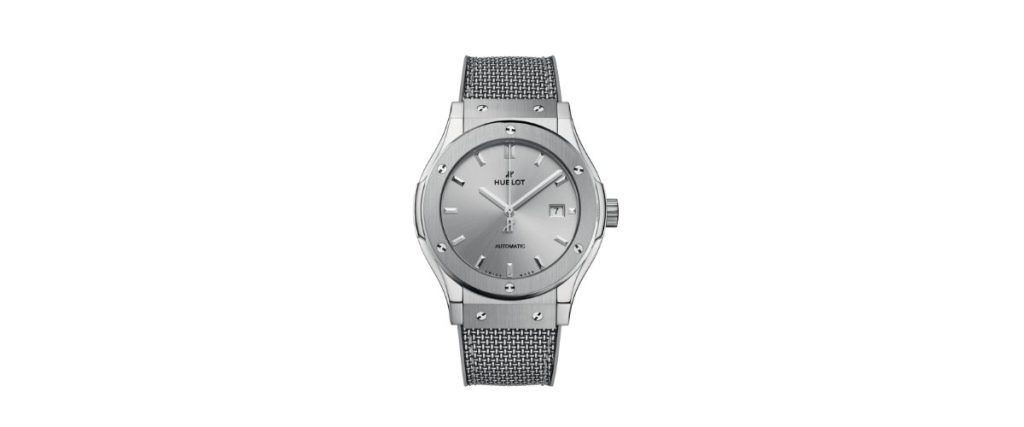
Only a few elite brands like Vacheron Constantin, Roger Dubuis, and Cartier go for this certification. It’s less about raw precision, though that’s still part of it, and more about showcasing the pinnacle of traditional watchmaking art. But rest assured, if it’s got the Geneva Seal, you’re looking at one seriously fine timepiece.

5 Precise Mechanical Watches Worth Exploring

Now that we’ve gone deep into what precision means, why it matters, and how to spot it via certifications, it’s time to highlight a few mechanical masterpieces that truly deliver on the promise of accuracy. These are timepieces that not only look the part but back it up with serious technical pedigree.
Grand Seiko Spring Drive

Grand Seiko Spring Drive

If you’re after a watch that blends the soul of mechanical watchmaking with the exactness of quartz, Grand Seiko’s Spring Drive is in a league of its own.

The Japanese watchmaker’s Spring Drive movement is powered by a traditional mainspring, just like any other mechanical watch but instead of an escapement ticking away, it uses something called the Tri-Synchro Regulator, a genius bit of tech that regulates the energy using electromagnetic force and a quartz crystal.

The result is an insanely smooth sweeping seconds and a mind-blowing accuracy of +/-1 second per day or +/- 15 seconds per month. That’s quartz-level precision in a fully mechanical-looking watch.

Movements like the 9R65 or the higher-end 9RA2 show Grand Seiko’s obsessive attention to detail, both in engineering and finishing.

You can find these movements in a range of Grand Seiko watches but their Snowflake family will forever be a personal favourite of mine – and many other watch collectors it seems. These models have stunning textured dials inspired by the crispness of freshly fallen snow.

Zenith El Primero

Zenith El Primero

First introduced in 1969, the Zenith El Primero was made to stand out against an industry full of chronographs, becoming the first automatic chronograph movement to operate at 36,000 vibrations per hour (5Hz).

That high beat rate allows the movement to measure time down to 1/10th of a second which is perfect for those who appreciate technical finesse and a little historical significance.

Still used and refined today, the El Primero powers a range of Zenith watches, from the Chronomaster Original to the futuristic Defy El Primero 21. In the latter, Zenith went full mad-scientist, introducing a movement with two escapements, one for timekeeping at 36,000 vph and another that beats at an insane 360,000 vph (50Hz) to track time to 1/100th of a second.

Most El Primero movements are COSC-certified, and their high-frequency performance means they can maintain excellent accuracy over longer periods, even as the mainspring winds down.

Rolex Submariner

Rolex Submariner

No list of precise mechanical watches is complete without a Rolex, and if we’re being honest, the Submariner is probably the most iconic of them all. Rugged, timeless, and surgically accurate, it’s the tool watch that does it all.

Every modern Submariner houses Rolex’s Superlative Chronometer-certified movement, which means it passes COSC testing and then undergoes even stricter in-house testing to achieve a deviation of just −2 to +2 seconds per day. That’s Rolex’s benchmark and it’s stamped right on the dial so you’ll never forget it.

Under the hood, you’ll find the Calibre 3230 or 3235 in the date version, featuring a paramagnetic blue Parachrom hairspring, a Chronergy escapement for better efficiency, and a 70-hour power reserve. It’s built like a tank but refined like a Swiss watch should be.

Omega Speedmaster Moonwatch

Omega Speedmaster Moonwatch

You’ve probably heard of the Omega Speedmaster before, because it might be one of the most famous timepieces in the world. It’s the watch that went to the moon on the wrist of Buzz Aldrin and Neil Armstrong during the Apollo 11 mission.

But while the historical cool factor is off the charts, Omega hasn’t rested on its lunar laurels and has updated today’s modern Speedmasters with some advanced and highly precise tech.

Today, most Omega Speedmasters are powered by Co-Axial Master Chronometers, movements like the Calibre 3861 that are METAS-certified, which means they’ve passed COSC testing and Omega’s additional 8 tests for things like anti-magnetism, precision (0 to +5 seconds per day), and power reserve under real-world conditions.

The Co-Axial escapement inside reduces friction for long-term performance, while the Master Chronometer badge gives you the peace of mind that your watch will stay on time no matter what.

Breitling Navitimer

Breitling Navitimer

The Breitling Navitimer is one of those watches that doesn’t just tell the time but celebrates it. Originally designed for pilots in the 1950s, its slide rule bezel is a functional relic of an era when aviators relied on their watches to make quick calculations mid-flight.

But don’t let the vintage charm fool you, because modern Navitimers are anything but old-fashioned when it comes to precision.

Every single Breitling watch, including the Navitimer, is COSC-certified, which is a pretty bold flex in itself. You’re guaranteed a deviation rate of no more than -4 to +6 seconds per day.

Recent Navitimer Chronographs use the Breitling Caliber B01, an in-house automatic chronograph movement with a column-wheel and vertical clutch for ultra-smooth operation. It boasts a 70-hour power reserve and robust anti-shock protection which is ideal for both jet-setting and desk-flying.

Conclusion

At the end of the day, a watch can be many things: a style statement, a conversation starter, a sentimental keepsake, but it should always do one thing really well and that’s tell the time. That’s where precision matters.

Not just for bragging rights, but because there’s something genuinely satisfying about knowing your watch is running exactly as it should. So there’s no guessing, just effortless, reliable performance.

And honestly, once you’ve owned a truly precise watch, it’s hard to go back. It becomes the one you reach for when you actually need to be on time. It earns your trust and it feels pretty great knowing the thing on your wrist is legitimately good at what it does.

You don’t need a drawer full of them, just one that gets it right. One that proves great design and great performance don’t have to be separate things. We all deserve at least one watch like that in our collection.

We’ve all been there. You slip your watch off and find, much to your chagrin, a bright red mark in its place from where it had been putting your wrist in a chokehold.

Ouch! Or you try to adjust your watch and soon find what once fit snugly a moment before is now so loose it feels like you tried to drape a necklace over your wrist. 

You shift your watch up and down your arm, closer to your elbow or the base of your hand, but it slides back and forth as you move.

It’s hard to get a perfect fit on your watch, if we’re being honest. The pinholes in most leather straps often seem to straddle the perfect length so that you flip between them as you go about your day.

Varying levels of exercise and activity can all seem to be major roadblocks to finding that spot-on size. So, how do you get there, and what really is the perfect fit?

Measuring the Perfect Fit

For just about any watch, it is possible to find a perfectly comfortable fit if you have just the right strap length and style. There’s a very simple general guideline that many people follow to check the fit of their watch band: simply slipping one finger under the band.

If you’re able to slide your index finger under the band without being able to move it much side-to-side, then you probably have an excellent fit for your watch that will keep it snug without being too tight. 

This method of measuring accounts for the stretch in the band so that if your wrist expands with physical effort, it won’t be too tight, but otherwise, it’ll still hold to your wrist snugly. The one-finger technique works regardless of where you like your watch to sit on your arm and how you like to wear it.

If you prefer a tighter fit, try using your pinky! There are many ways you can adapt this to be sure you have just the right strap size to keep your watch comfortable.

Many Shades of Perfect

While the index finger test may be the generally accepted definition of “perfect,” many people wear their watch in a different way, and you might even wear each watch differently if you have multiple! It’s really up to you to be able to pick the size and fit of the watch that’s just right for that watch on that day.

Here’s your fun fact of the day: your wristbone is called the ulna, which is actually a long bone running through your forearm and is also a fun word to say if you’re not in a place where you would get a lot of weird looks for doing so.

Personally, I like to have my watch sit right behind the ulna, right about where most would consider to be a standard position for a wristwatch. 

That said, some people prefer to have it sit between the wristbone and the base of the hand, and others could shift their watch higher up the arm towards the elbow.

There is no right or wrong way to wear your watch. Yes, even for you people who wear your watch upside down. Not that I have any idea why on earth you would even choose to… sorry, I got a little carried away. 

In all seriousness, though, you can wear your watch however you want, so finding the perfect fit for your watch is a deeply personal thing and should be part of the way you interact with your watch. A beautiful timepiece does not exist in isolation.

It belongs on the wrist, and the way in which it is situated on your wrist—its rotation, height, width, and position on your arm—all play a role in how you see and admire it. It’s like a frame for a painting, which can either complete the work or seriously degrade from it. Never overlook the frame, friends.

You’ll also want to think about the type of watch you’re wearing and the type of strap it’s on. If you’re the type of athlete who sports a Richard Mille for training and competition (hi Rafa), you’ll need to think about how much your wrist is expanding as you exercise versus after your cooldown.

That said, the rubber strap that athletic watches like this usually come on is great for stretching to follow the slight expansion and contraction of your wrist throughout the day.

Like rubber, leather will also be able to stretch enough to follow the fluctuations in size your wrist experiences throughout the day, so with both of these, you’ll be okay with a tighter fit.

It’s with metal bracelets that things get a little tricky, because a gently snug fit at one moment could become unbearably tight at another. 

If you’re worried about having a watch that fits perfectly at all times, you’ll definitely want to target bracelets with accessible micro-adjust, so that you can easily bounce back and forth between different sizes based on your activity level throughout the day.

Other options include Rolex’s Easylink system, which lets you effortlessly pop an extra 5mm onto the length of your strap to keep it just right at all times.

The Perfect Watch Strap

For a perfect fit, you’ll need two key elements: the watch and the strap. (I know, shocker.) But actually, both the shape and construction of the watch and the make of the strap play a much bigger role in getting a watch to fit well than most people would think.

Since we can’t exactly go in and give your favorite watch a new set of lugs to make it fit your wrist more ergonomically, we’ll have to target finding just the right strap to get you just the right wearing experience.

Like I mentioned earlier, the material of your strap can play a huge role in how it fits your wrist. Some materials, like rubber, are stretchier but are ill-suited to dressy situations.

Leather, of course, is a classic, but be careful about exercising with it and especially swimming with it as it doesn’t handle perspiration or water very well. 

You’re not going to be able to change much about an integrated metal bracelet for your watch, so do try to choose your watch wisely when you’re thinking about buying one and keep features like micro-adjust in mind!

Finally, if you’re the type of person who struggles to find a just-right fit for your watch on leather or rubber straps with pinholes, consider opting for a bespoke strap. It’s definitely costlier, but a well-made bespoke strap will fit your wrist perfectly and will last for generations. 

For many exquisite watches, and especially vintage, I find that the only way to really do them justice is with a strap that is custom-made to suit it.

If you’re not sure where to start, take a look at Jean Rousseau of Paris—I’ve seen a bit of their work, and the level of artisanal craftsmanship they put into each strap they make is truly incredible.

Conclusion

Finding the perfect fit for your watch is an absolute necessity. I’ve heard of many people who bought their grail watch and then, reluctantly, had to return it due to its uncomfortable fit.

Whether you’re struggling with the way your watch feels on your wrist or wondering how one piece can be so much more comfortable than another, rest assured that there are clear guidelines, and there are solutions. Don’t let a bad strap get the best of you!

how tight should a watch be

What is a GMT Watch & Why Do They Matter?

Charlotte H

July 12, 2025

Alongside the classic date window and ever-popular chronograph, the GMT complication is one of the most common features in modern watchmaking. But let’s be honest, if you’re new to watches, the term “GMT” might sound more like something from a flight schedule than a function to have on your wrist.

So, what is a GMT watch, really? Why do watchmakers keep putting them out? And do you actually need one?

This guide is for anyone who’s ever looked at a fourth hand on a dial and thought, “Cool… but what does that do?” We’ll break down the concept, explain how GMT watches work, how to set them, and whether or not they’re right for you.

You’ll leave knowing exactly what a GMT is and how to read one, and maybe – just maybe – tempt you into adding this cool complication into your own watch collection.

What is a GMT Watch?

GMT Watch

A GMT watch is designed to display multiple time zones at once. Sometimes it displays two, but in other cases it can show three all at once. The “GMT” stands for Greenwich Mean Time, the time at the Royal Observatory in Greenwich, London, which once served as the baseline for all global time zones.

These watches usually have an extra hand, often arrow-tipped and brightly colored so that it stands out against the rest of the hardware, that completes one full rotation every 24 hours.

This hand points to a second time zone, which is read either off a 24-hour scale on the dial or, more commonly, on a rotating 24-hour bezel. That means you can track your local time with the standard hour and minute hands, while simultaneously keeping an eye on the time in another part of the world.

What began as a tool for pilots flying long-haul routes has become a favorite among frequent flyers, business professionals, and anyone who wants to stay connected across time zones.

How Do GMT Watches Work?

At the heart of a GMT watch is that distinctive 24-hour hand. Unlike the standard hour hand that circles the dial twice a day, the GMT hand takes 24 hours to make a full loop. This hand references a 24-hour scale, which can either be printed directly on the dial or located on a rotating bezel.

Most GMT watches allow you to set this hand independently from the main hour and minute hands. That means you can set the GMT hand to your home time while adjusting the regular hands to local time when you travel, or vice versa, depending on how you prefer to use it.

Some models also feature a rotating bezel, which you can twist to reflect a third time zone. By aligning the bezel with the GMT hand, you unlock the ability to track another location which is handy for international business calls or planning travel across continents.

What’s the Difference Between an Office GMT & a True GMT?

Just to make things a little more complicated, not all GMT watches work the same way. There are actually a couple of different types out there, and over time, they’ve picked up their own nicknames.

A True GMT, also sometimes called a Flyer GMT, is geared toward travelers. In this style, the local hour hand moves independently, so when you land in a new time zone, you can adjust your local time without touching the GMT hand. It’s a seamless way to hop across borders without losing track of your home base.

An Office GMT, or Caller GMT, is better suited to people who don’t travel as much but want to keep an eye on another time zone. In this version, it’s the GMT hand that you can set independently. This one is perfect for scheduling calls or checking in with someone in another part of the world.

Neither is better or worse; they’re just built for different needs. One helps you change time zones on the fly while the other helps you stay connected to one while staying put.

How Do I Set My GMT Watch?

Setting a GMT watch can feel a little confusing at first, but once you’ve done it a couple of times, it becomes second nature. And trust us, it’s far more satisfying than fumbling with a phone and Googling “what’s the time in…” every time you need to know.

Since there are two main types of GMT watches, how you set them depends on which version you’re wearing.

Setting a True GMT

In this configuration, the local hour hand can be adjusted independently of the minute and GMT hands. To set it, you start by pulling the crown out to the second position and setting the time as usual. This will move the hour, minute, and GMT hands together. Once you’ve done that, push the crown back to the first position.

From there, turning the crown will “jump” the local hour hand forward or backward in one-hour increments, without affecting the other hands. This makes it incredibly convenient when crossing time zones, because your watch continues keeping precise time even as you update the local hour hand to reflect your new location. The 24-hour GMT hand will instead stay locked on your chosen reference time, usually your home time, so you always have that second zone visible at a glance.

Some Flyer GMT watches also include a rotating 24-hour bezel, which allows you to track a third time zone temporarily. You simply rotate the bezel to offset the GMT hand to another time zone without touching any of the hands.

Setting an Office GMT

An Office GMT, or Caller GMT, takes a different approach. Here, it’s the 24-hour GMT hand that can be adjusted independently, while the hour and minute hands move together. This setup is particularly useful if you’re staying put but need to monitor another time zone, like if you’re keeping track of colleagues overseas or staying in sync with family in another part of the world.

To set an Office GMT, you begin by pulling the crown to the second position and setting your local time, which moves the hour and minute hands. Then, depending on the watch, you move the crown to the first or third position to adjust the GMT hand separately. This hand is set to whatever second time zone you want to track and points to a 24-hour scale, either on the dial or on a fixed or rotating bezel.

If your watch includes a rotating bezel, you can use that to track a third time zone as well. Rotating the bezel offsets the GMT hand’s position against the 24-hour scale, giving you another quick reference point without needing to reset anything.

Who Should Choose GMT Watches?

Historically, GMT watches were typically reserved for pilots. Which makes sense, since these professionals are constantly jumping over time zones. But thankfully, the GMT complication isn’t just for aviators anymore.

If you frequently travel for work or leisure, they’re incredibly practical. Adjusting to local time while keeping an eye on your home base becomes effortless. Even if you don’t travel often, a GMT is great for staying synced with friends or family abroad, following international markets, or just indulging your inner horology nerd.

Plus, GMT watches just look cool. That extra hand and often colorful bezel add a bit of flair that many collectors love. And unlike some complications that require a master’s degree to understand, GMT functionality is surprisingly user-friendly once you grasp the basics.

Conclusion

GMT watches may have started life as tools for pilots and world travelers, but today they’re much more than that. They represent a unique mix of function and form, a practical feature wrapped in the design language of sporty elegance or tool-watch charm.

By using an additional 24-hour hand and, often, a rotating bezel, GMTs allow you to track time across the globe without losing sight of home. Whether you go with a true GMT for jet-setting or an office GMT for staying in touch across time zones, the added utility is something you’ll find yourself using more than expected.

And while your smartphone can do it all, there’s something effortlessly beautiful about glancing at your wrist and instantly knowing the hour in Florence, New York, or Geneva without the need for apps or swiping. So, if you’re tempted, we suggest not hesitating to add the GMT complication to your own watch collection. There are plenty of incredible models out there just waiting to join you on international adventures.

To Top