

 Home
Home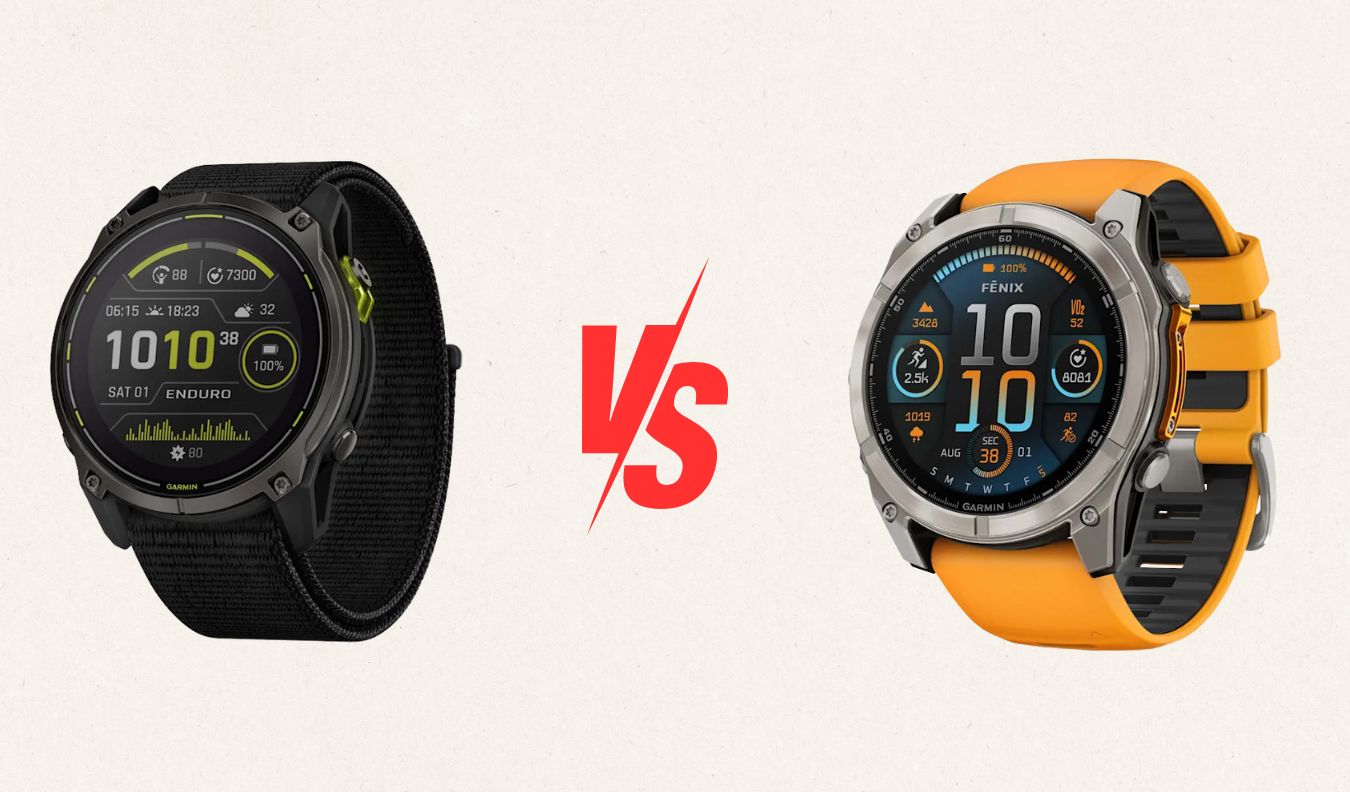


This is the definitive choice between two different philosophies. The Garmin Enduro 3 is a specialist built for a single mission: limitless endurance. It uses unique power saving technology to achieve battery life measured in months, sacrificing smart features and a vibrant screen for pure longevity. The Garmin Fenix 8 is the complete all rounder, featuring a brilliant AMOLED display, full music and mapping, and a rugged build ready for any sport or daily life. You must decide if your priority is a watch that will outlast your longest adventure without a charger or a powerful, versatile tool that excels at everything from training to navigation.
How to Choose Between Garmin Enduro 3 and Fenix 8
This decision defines your athletic life. If you live for week long adventures where a power outlet is a myth, the Enduro 3 is your only real choice. It trades a pretty screen and smart features for a battery that lasts months on a single charge. If you want one watch that does everything brilliantly from daily workouts to backcountry navigation, the Fenix 8 wins. It offers a stunning AMOLED display, onboard music, full mapping, and smart notifications in a rugged case. Your choice is simple: pure endurance for the specialist or versatile excellence for the all around athlete. There is no wrong answer, just the right tool for you.
Best Garmin Fenix 8 Models
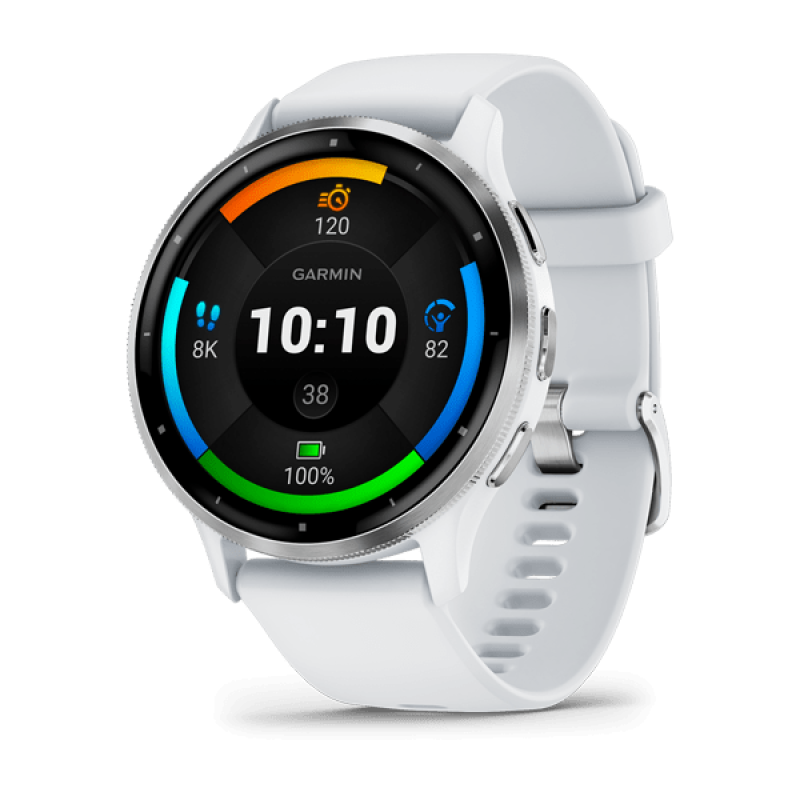
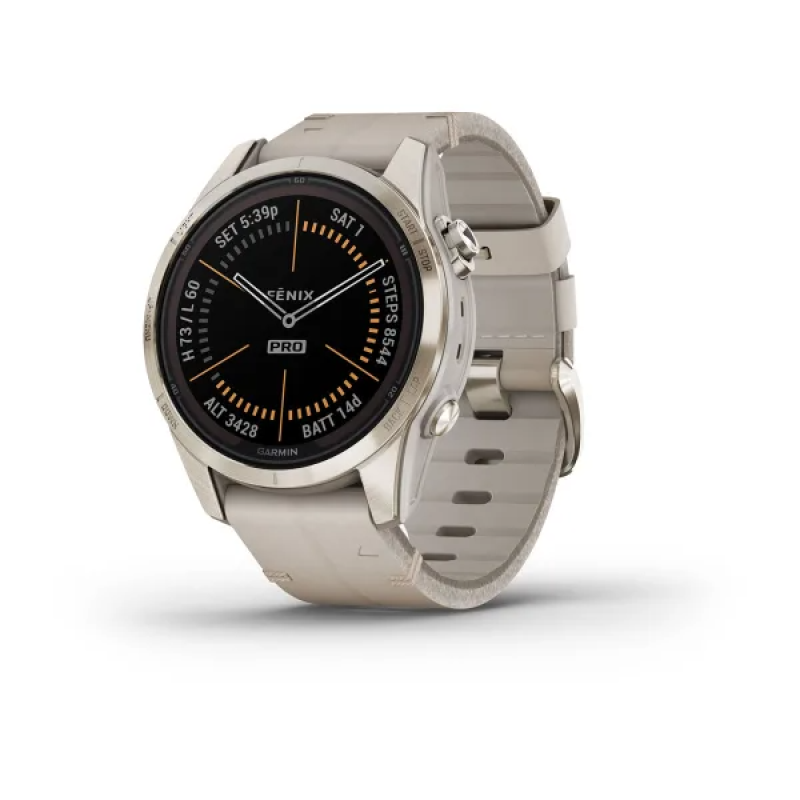
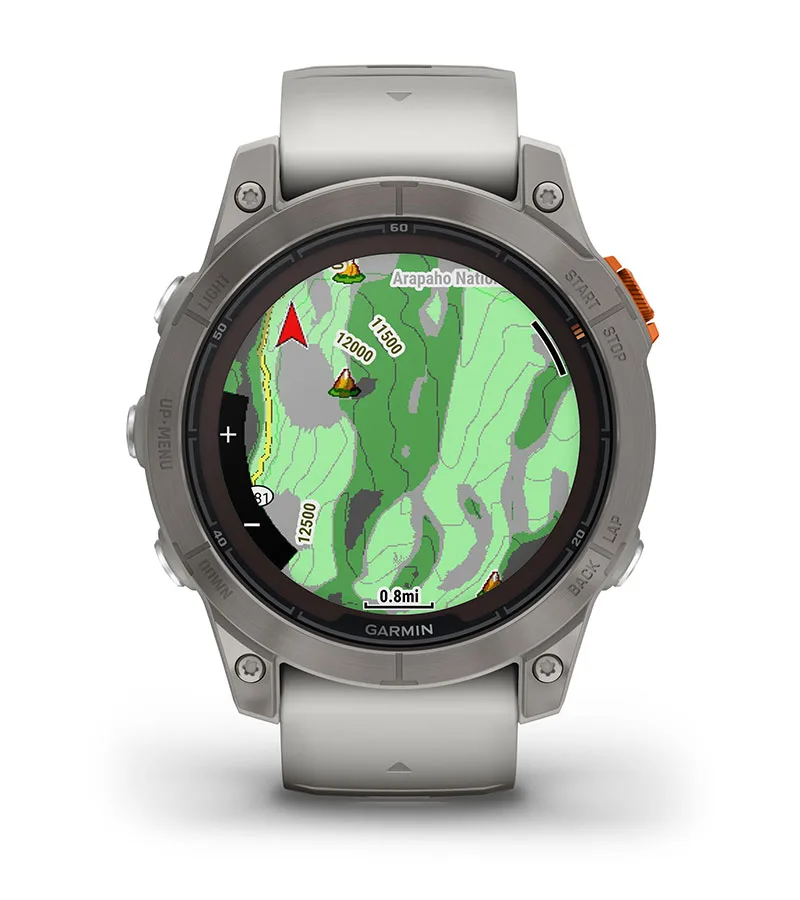
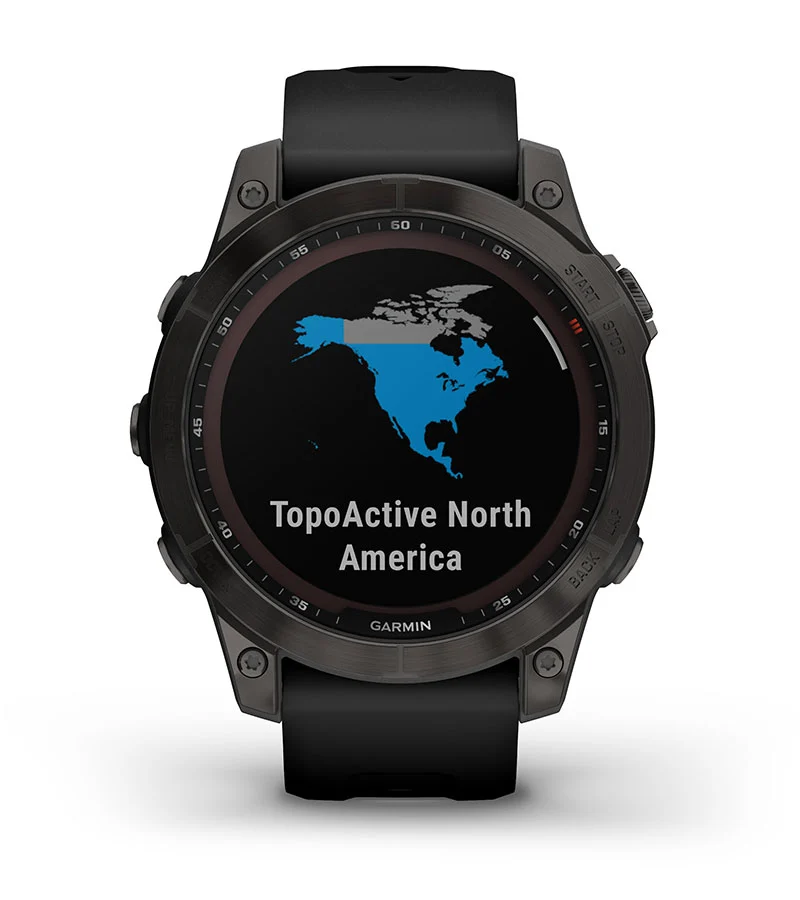
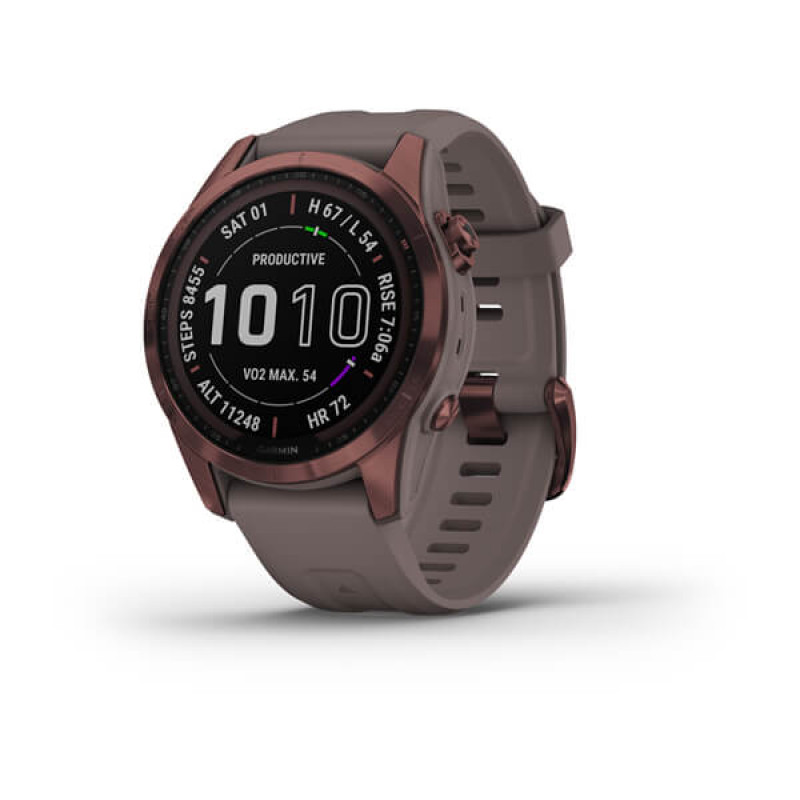
The Fenix 8 family is built around a brilliant AMOLED screen, finally bringing vibrant smartwatch clarity to Garmin’s toughest platform. This lineup offers a model for every priority: compact comfort, solar powered endurance, or maximum durability. Each watch delivers the same powerful core experience: multi band GPS, advanced training metrics, and Garmin’s comprehensive health tracking. You are simply choosing your preferred blend of size, material toughness, and battery technology. Whether you need a sleek daily driver or a solar charged expedition tool, the answer is here. The following six models represent the best configurations for different types of serious athletes and outdoor enthusiasts.
Garmin Fenix 8 $799
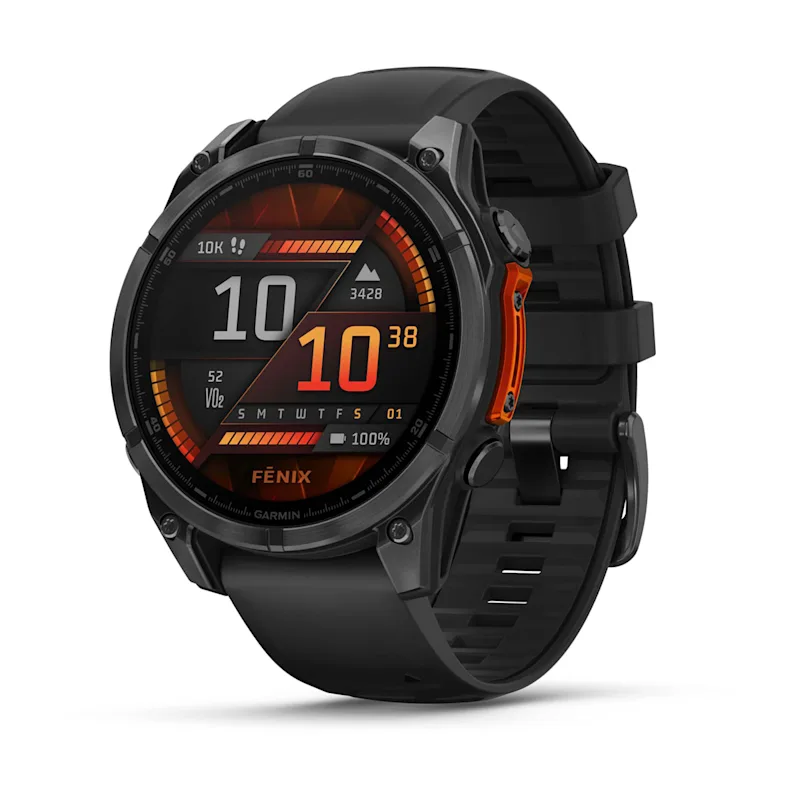
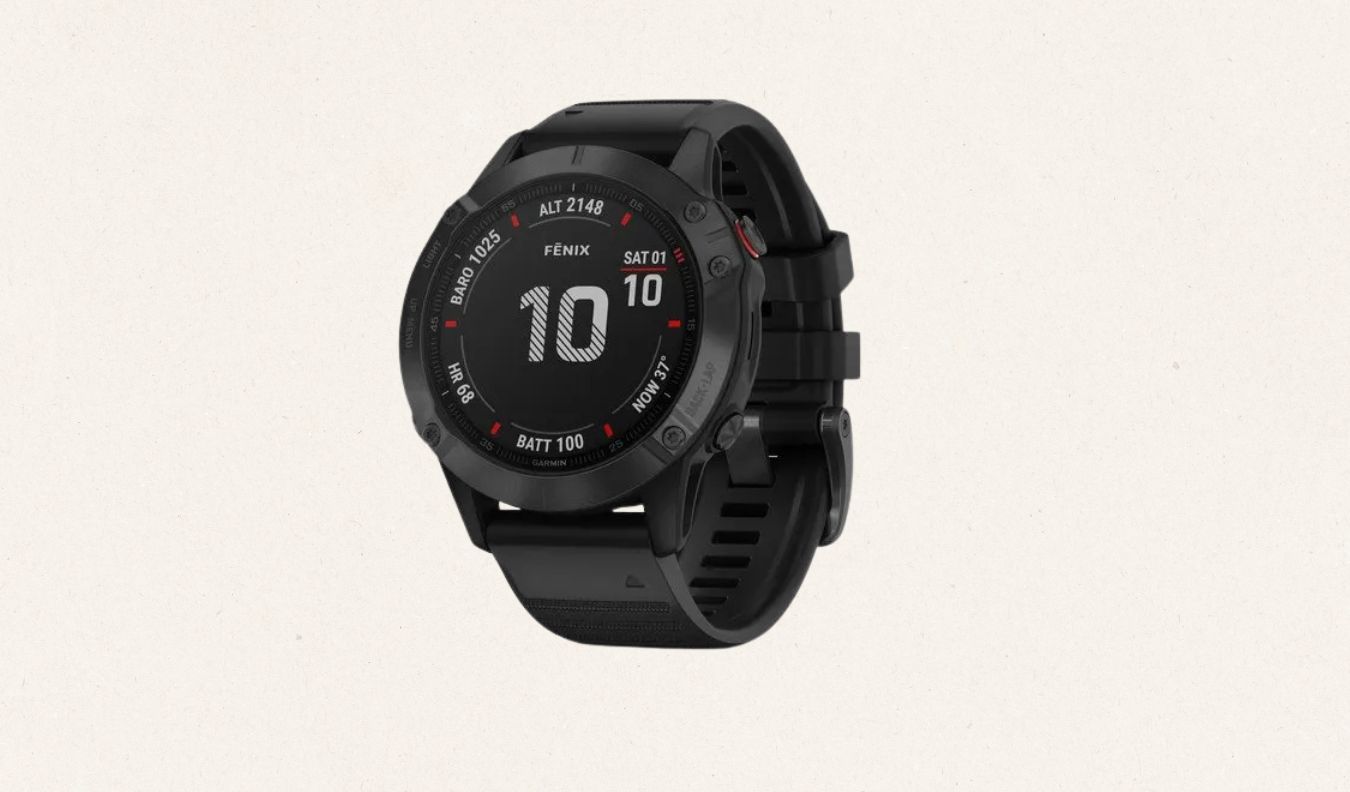
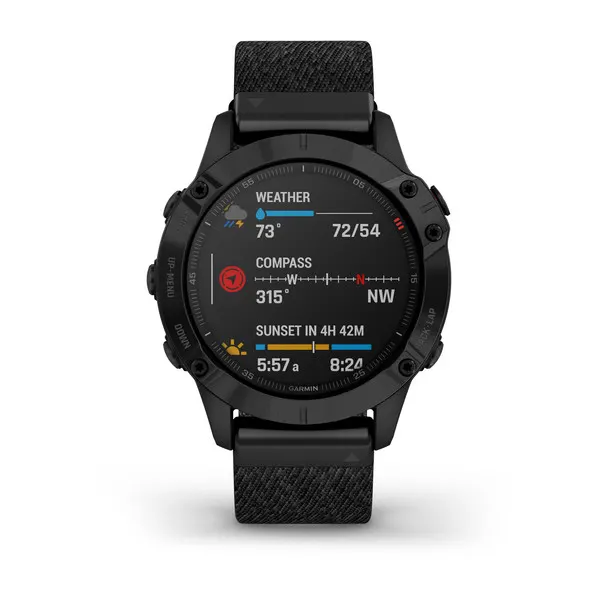
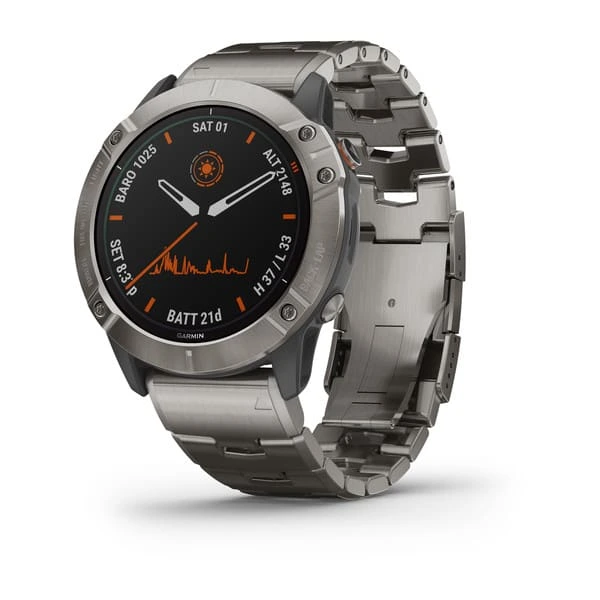
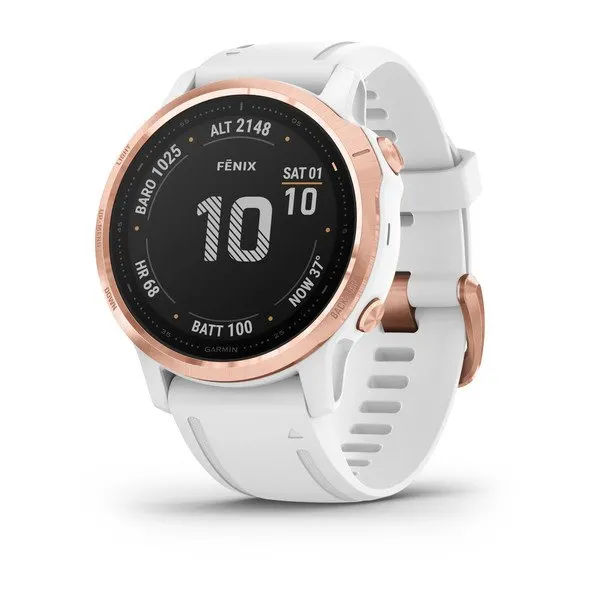
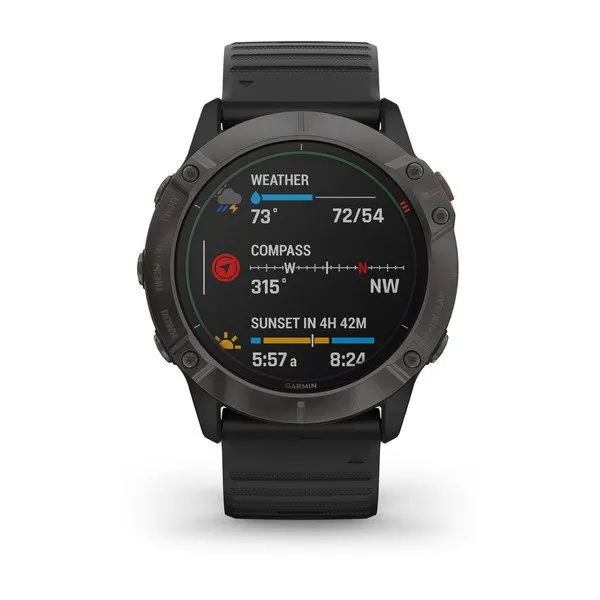
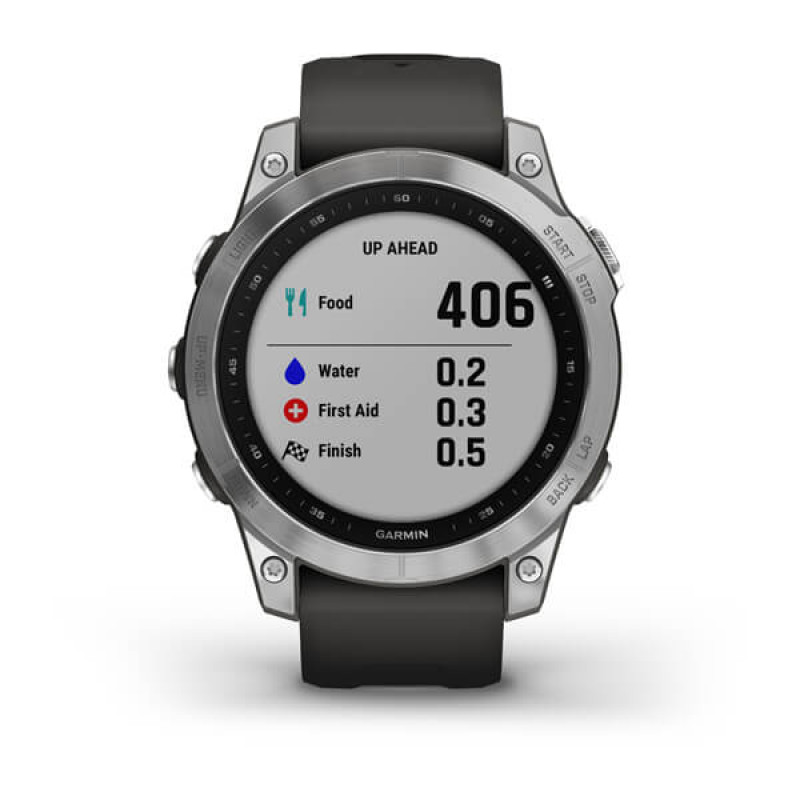
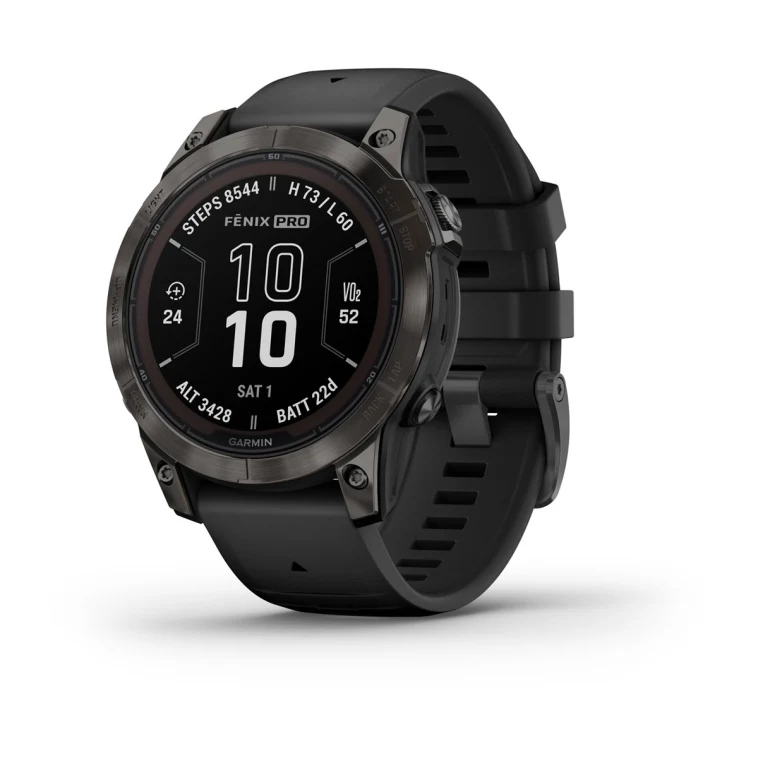
This is the new gateway to Garmin’s flagship experience. The standard Fenix 8 delivers the brilliant AMOLED display and multi band GPS at an accessible price. You get three weeks of battery life, advanced health monitoring, and a durable build ready for daily training. It’s the perfect upgrade from an older Forerunner or Fenix, offering the modern screen technology and latest sensors without the cost of solar charging or sapphire crystal. For the road runner, gym enthusiast, or hiker who charges their watch weekly anyway, this model provides exceptional value and performance. It’s a capable, no compromise daily driver for the committed athlete.
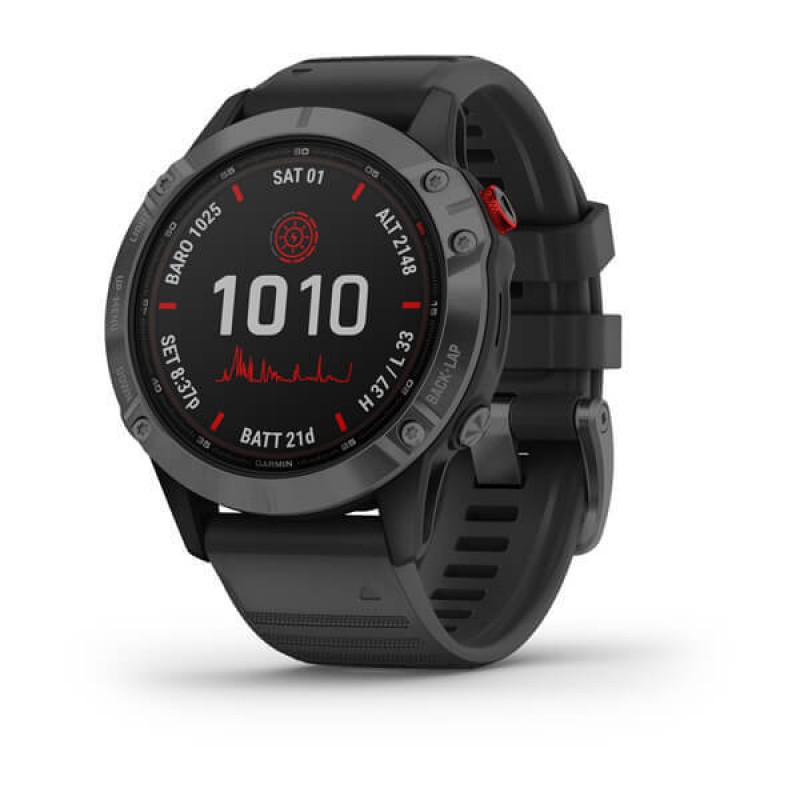
Garmin Fenix 8 Solar $899
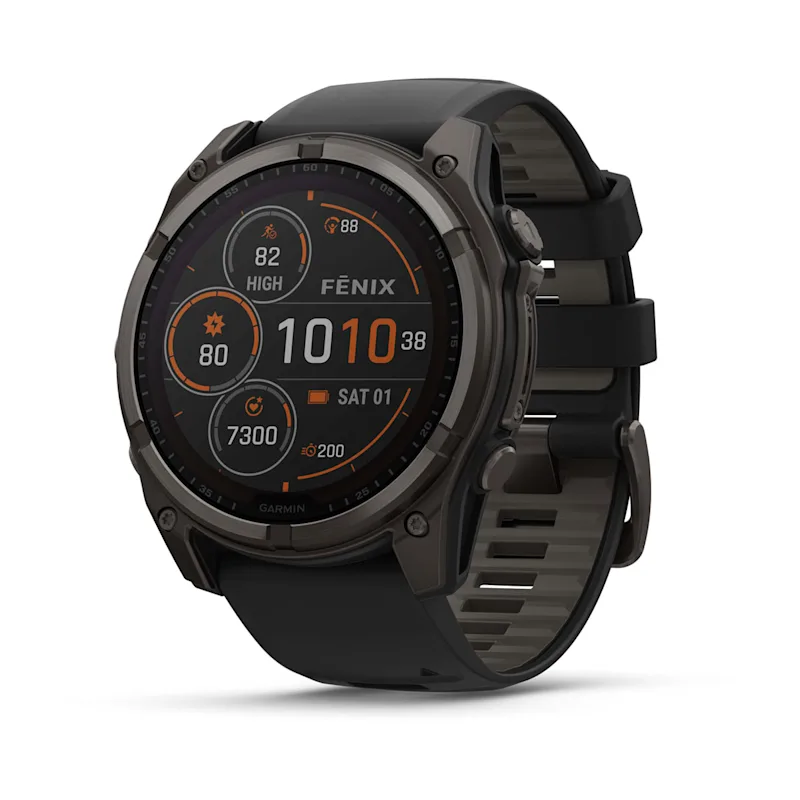
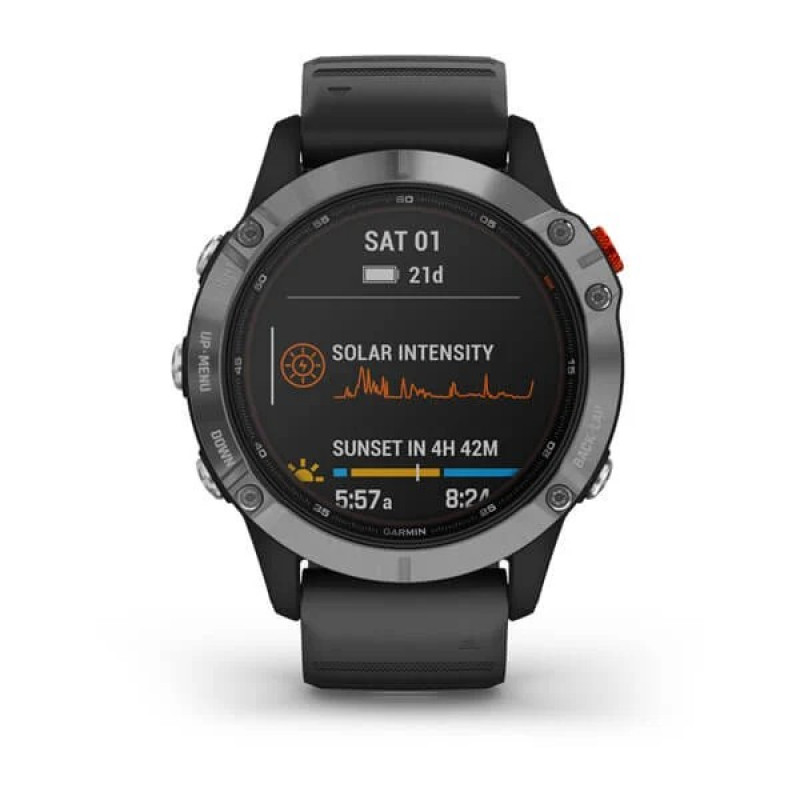
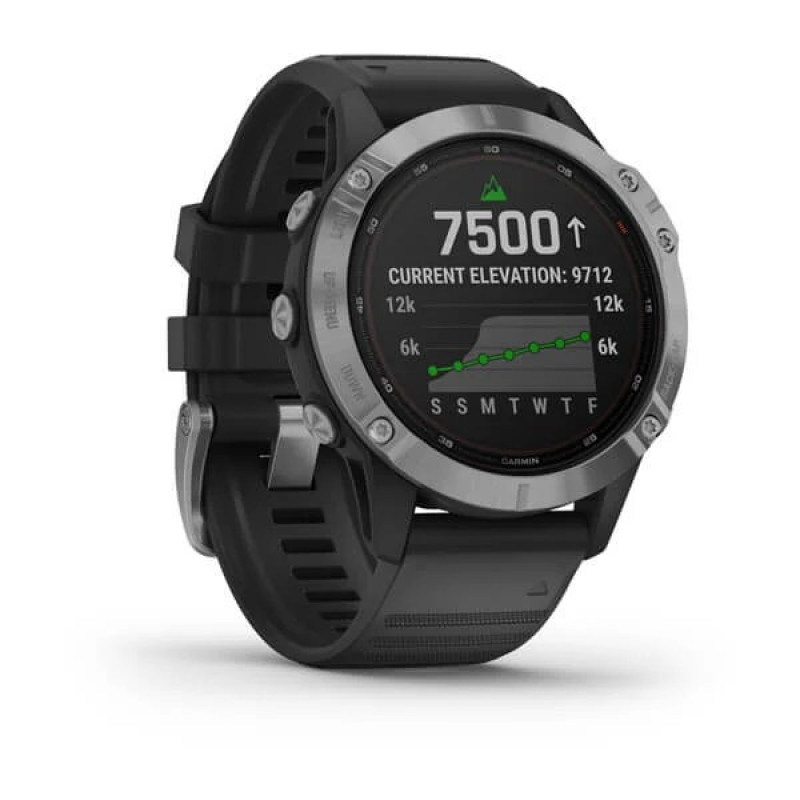
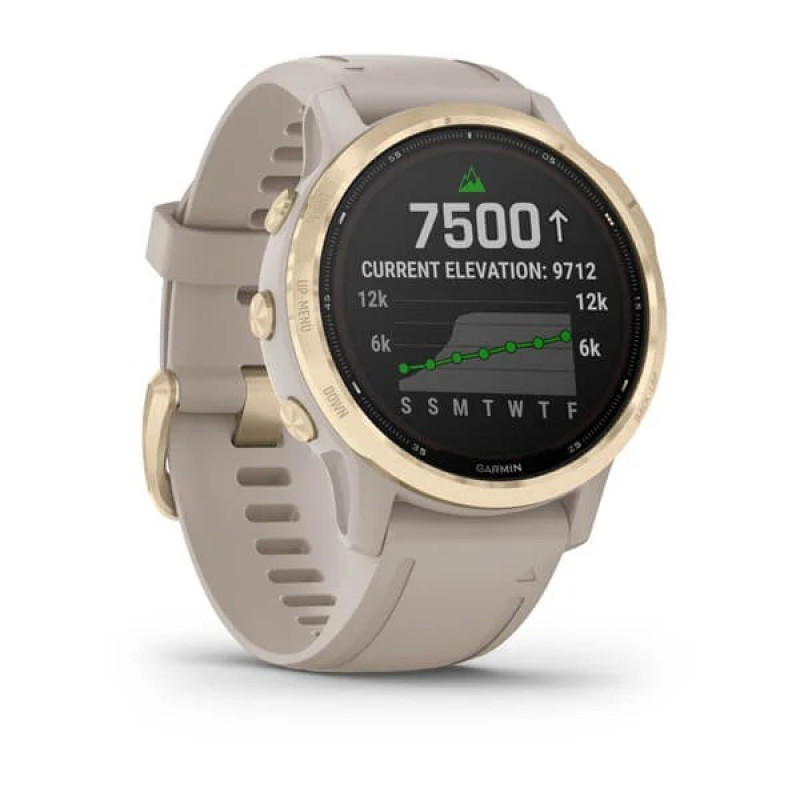
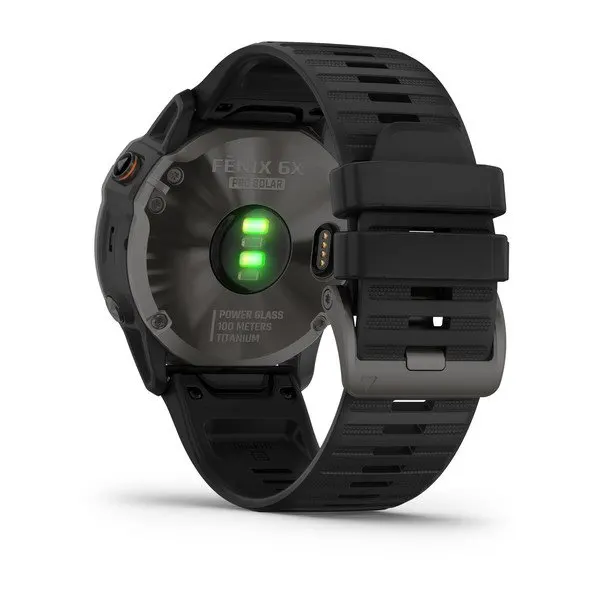
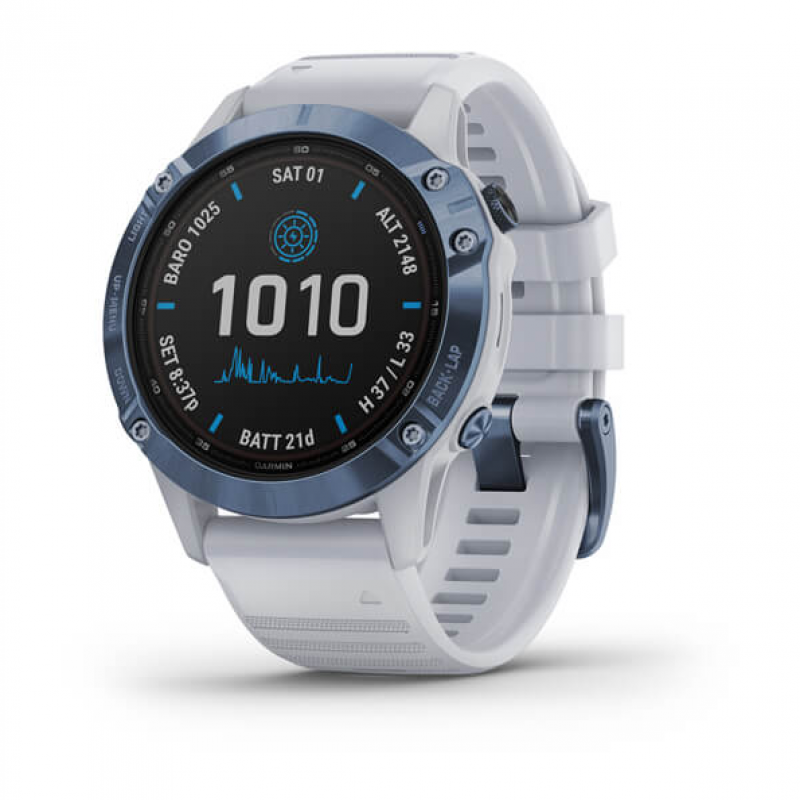
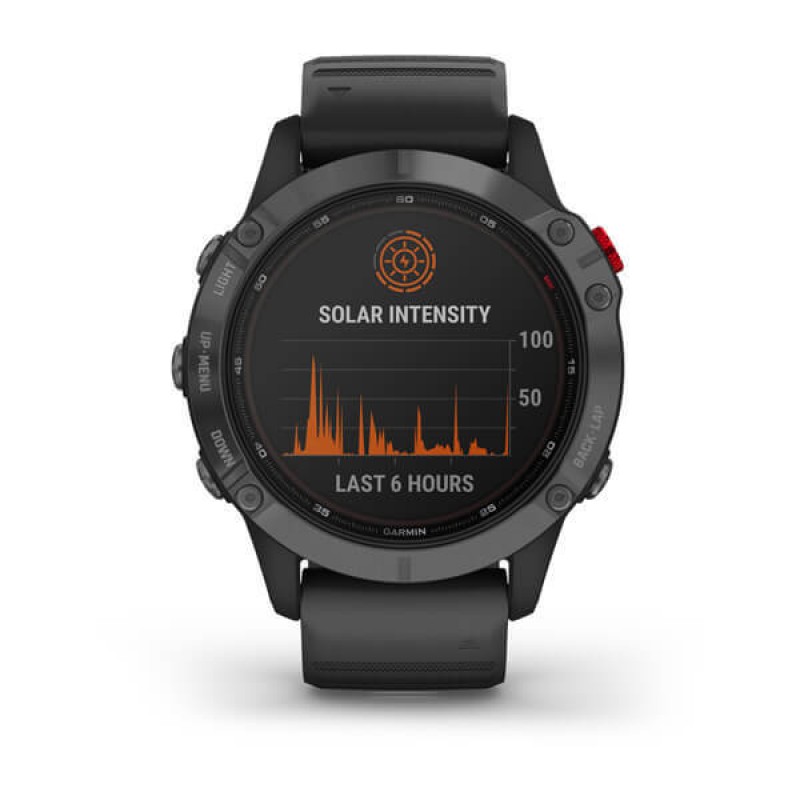
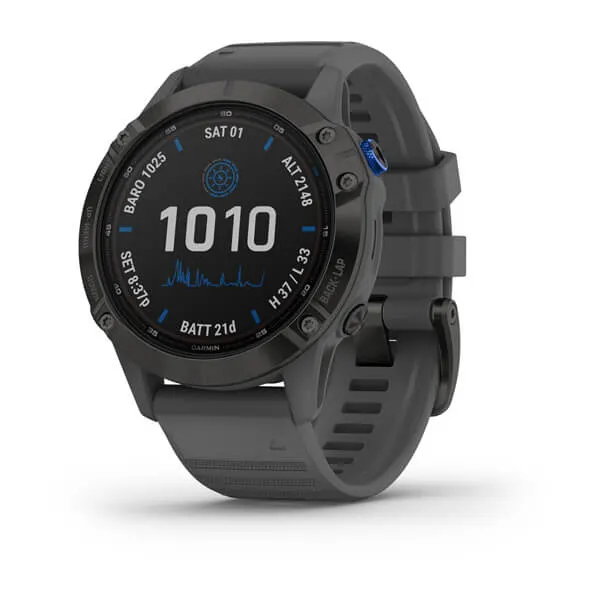
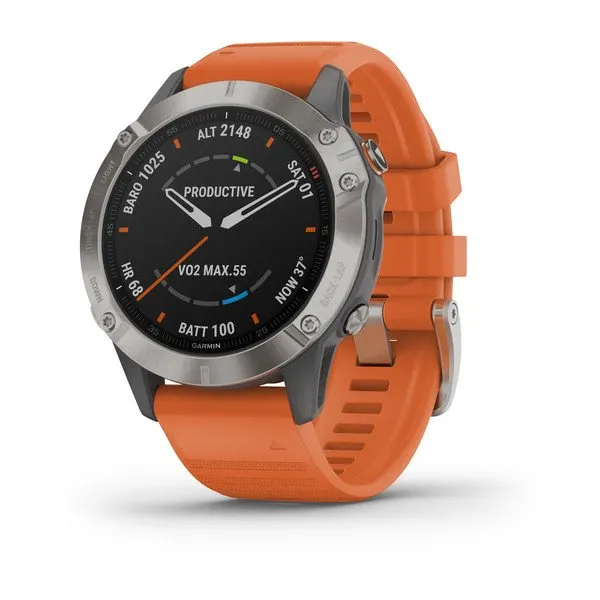
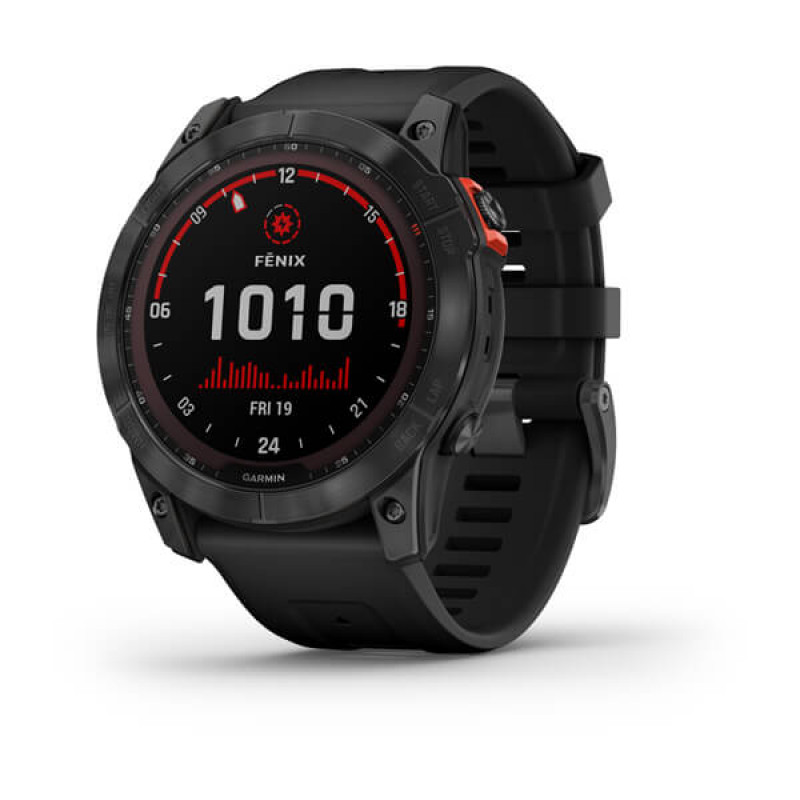
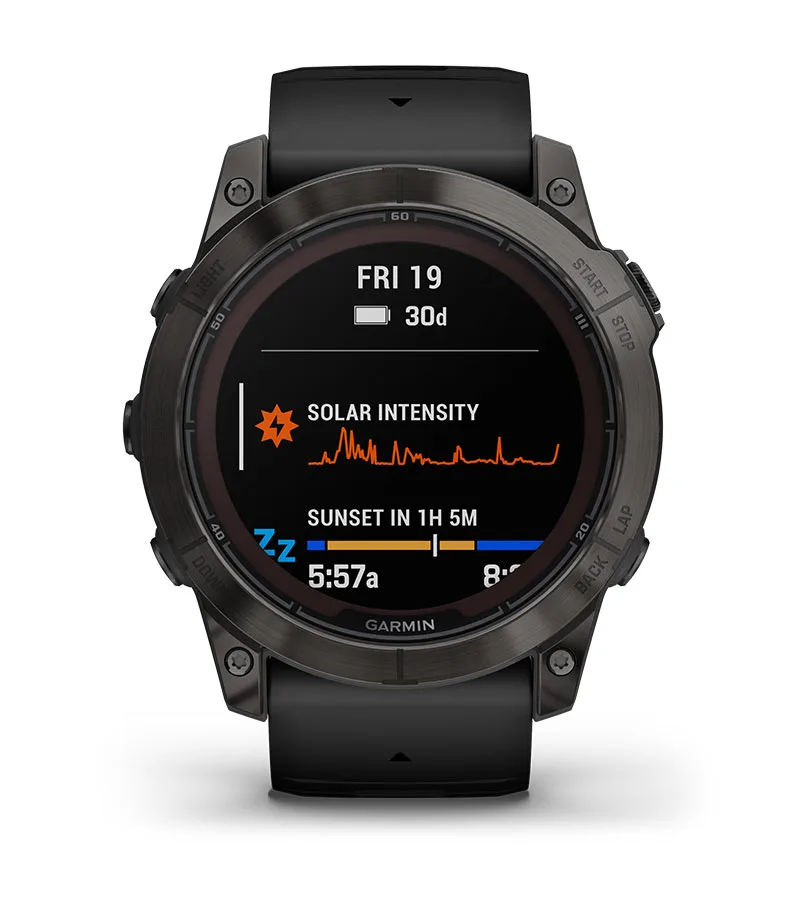
This model adds genuine utility to the brilliant screen. The Power Glass solar lens converts sunlight into extra battery days, which is a real advantage on long summer hikes or bike tours. You also get a tougher titanium bezel. It represents the best balance of modern display tech and practical adventure features. For the athlete who spends significant time outdoors and wants to minimize charger dependency, this is the top recommendation. It delivers the complete Fenix 8 experience with the added intelligence of solar assisted battery life, making it the most versatile choice for the dedicated outdoor enthusiast who values both innovation and reliability.
Garmin Fenix 8 Sapphire Solar $1,099
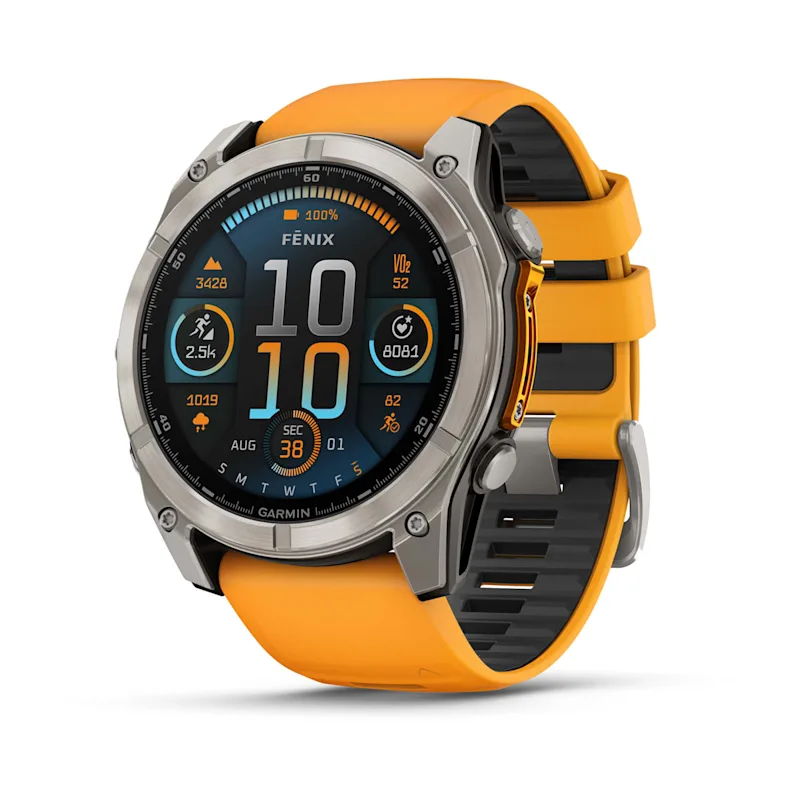
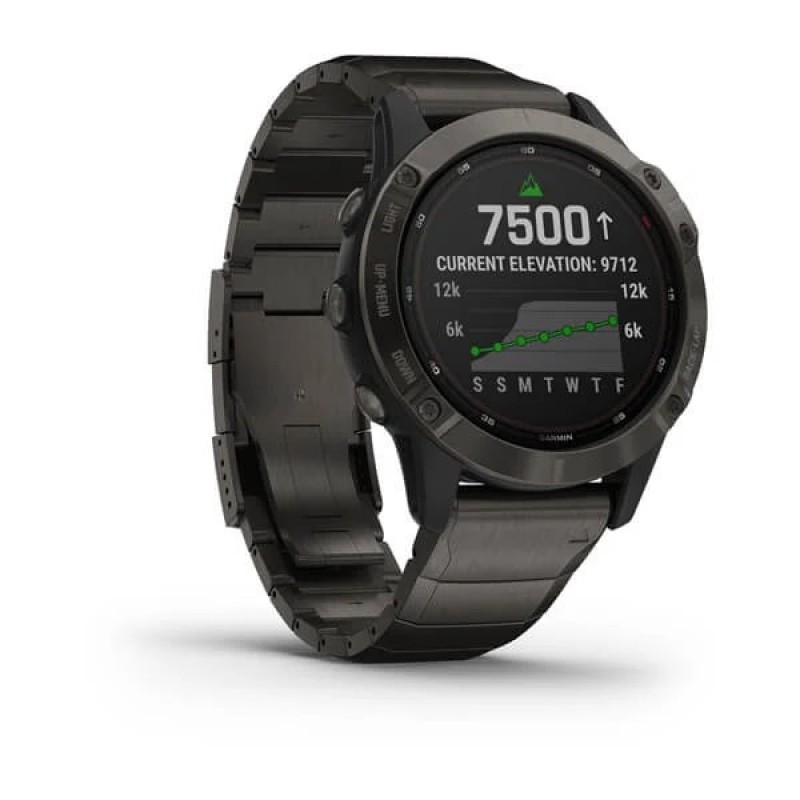
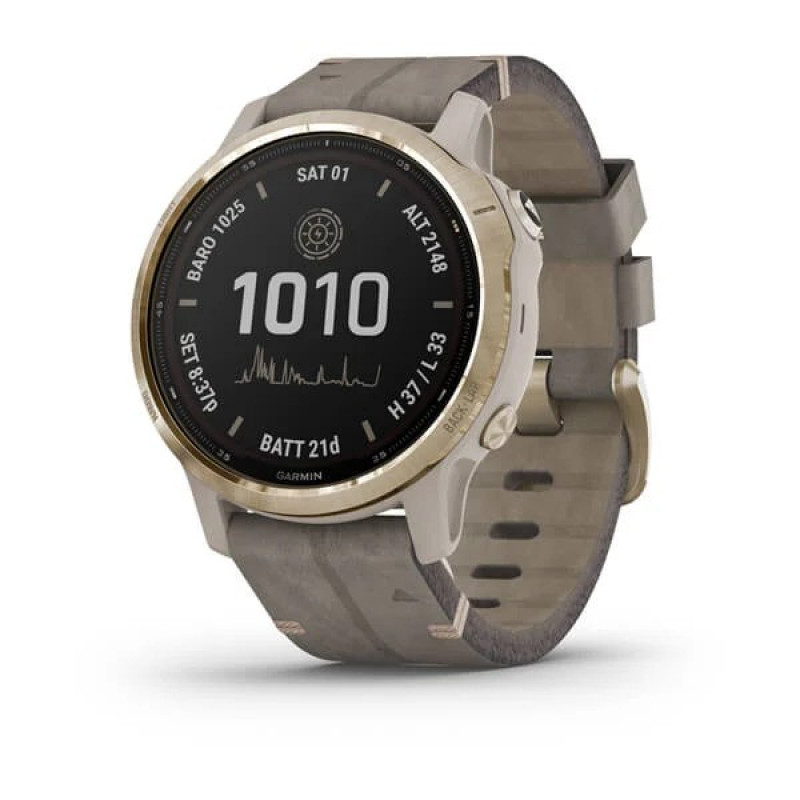
This is the ultimate durability package. It pairs the stunning AMOLED display with a nearly scratch proof sapphire crystal and a diamond like carbon coated titanium bezel. Solar charging extends the already impressive battery. This watch is built for the athlete whose gear faces constant abrasion from rock faces, tools, or an active job. You’re investing in a tool designed to stay pristine for years while delivering every top tier feature. It’s for those who see their watch as a long term partner for the most demanding conditions. You get maximum protection without sacrificing any of the brilliant screen clarity or navigation intelligence.
Garmin Fenix 8X Pro Solar $1,199
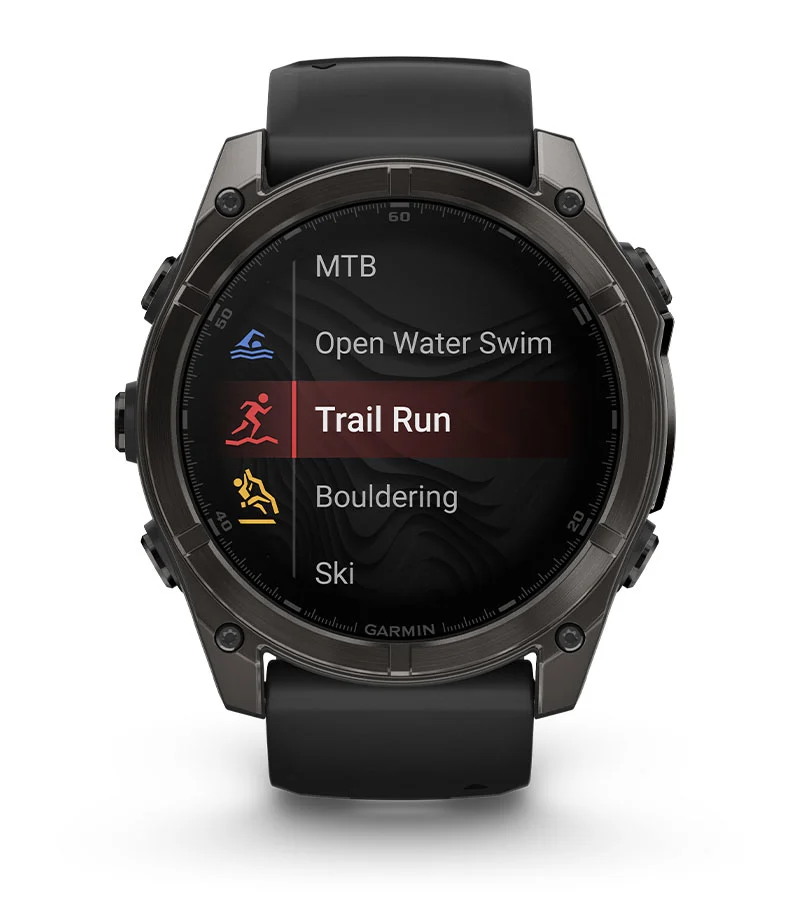
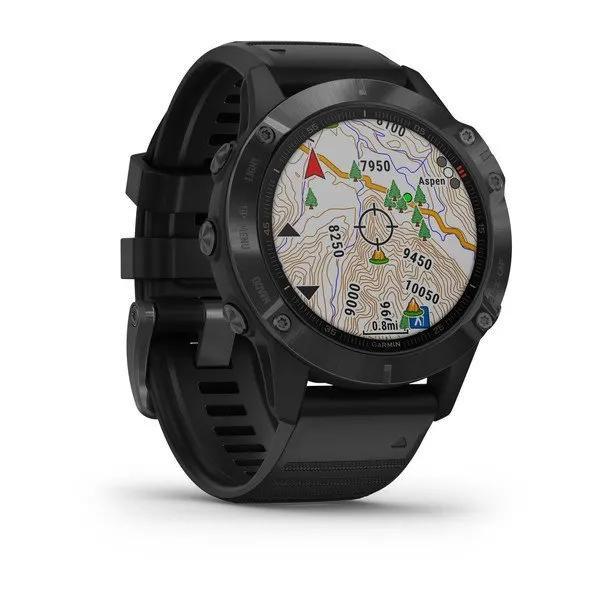
This is the large format command center for serious expeditions. Its massive 1.4 inch AMOLED display makes complex maps and data fields incredibly easy to read. The integrated LED flashlight is powerful and genuinely useful for pre dawn starts or camp tasks. Solar charging helps push battery life toward a full month. This model is engineered for a specific user: the expedition leader, ultrarunner, or guide who needs maximum data visibility and reliable hands free lighting in remote environments. It’s a specialized tool where size is a feature, providing an unparalleled view of your navigation and performance metrics during the longest, most demanding journeys.
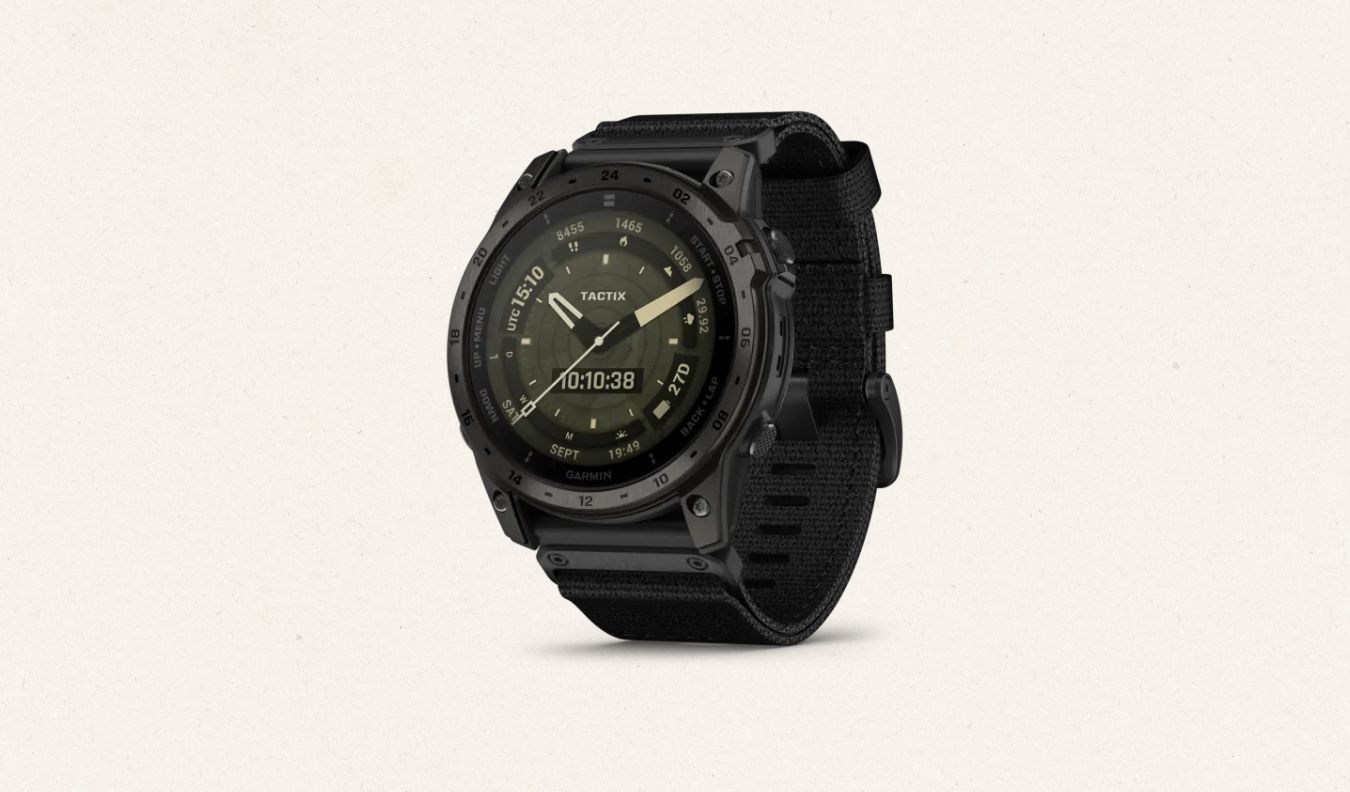
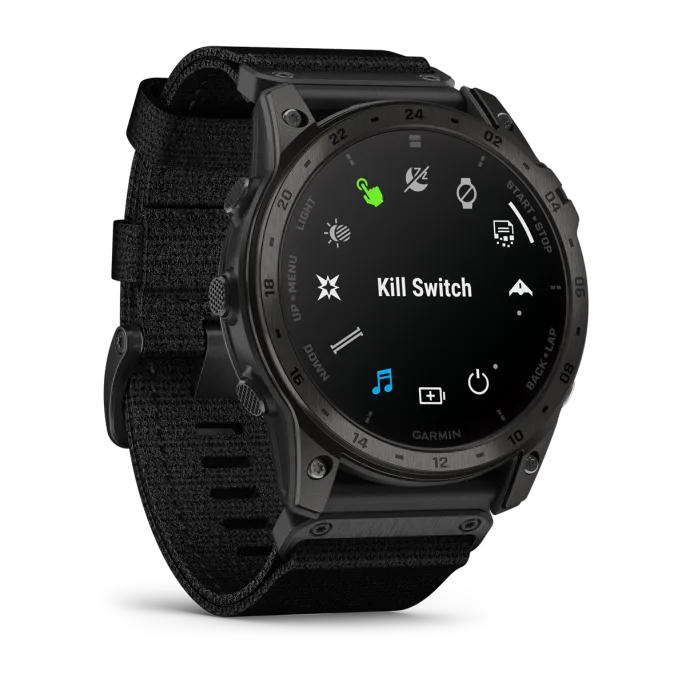
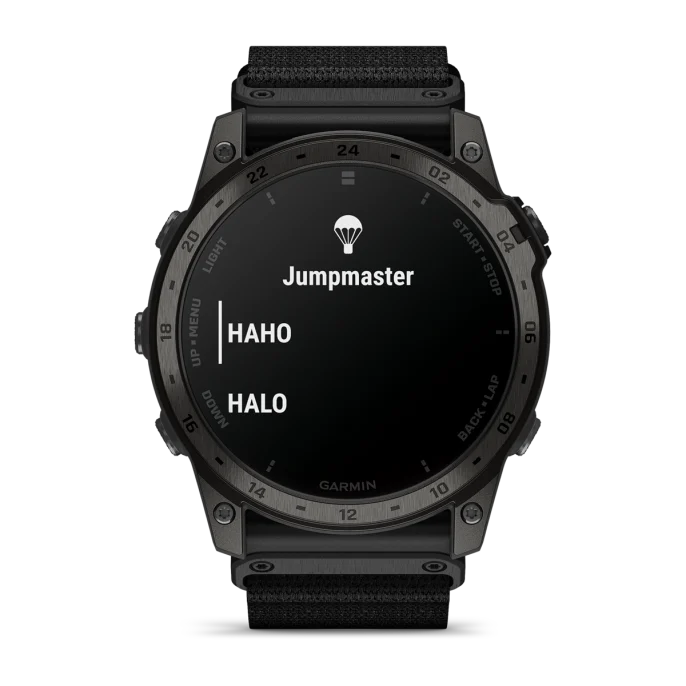
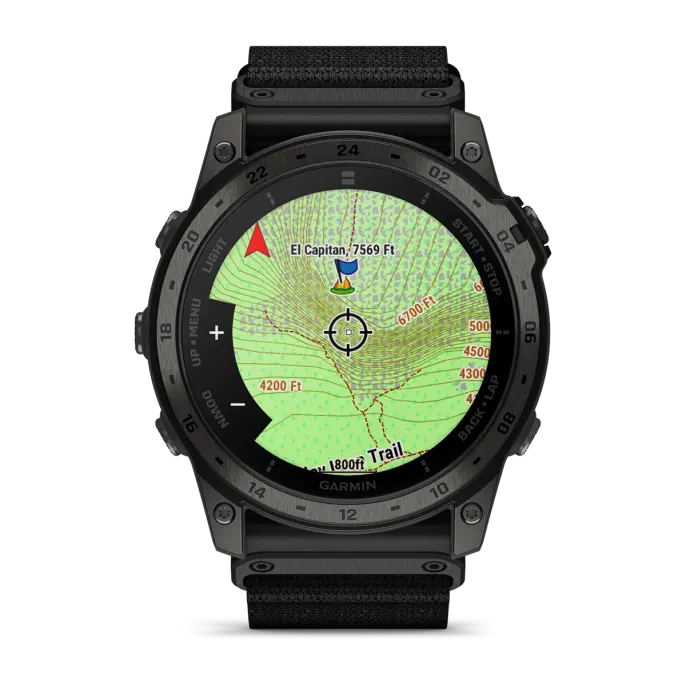
Garmin Fenix 8 Tactical $1,299
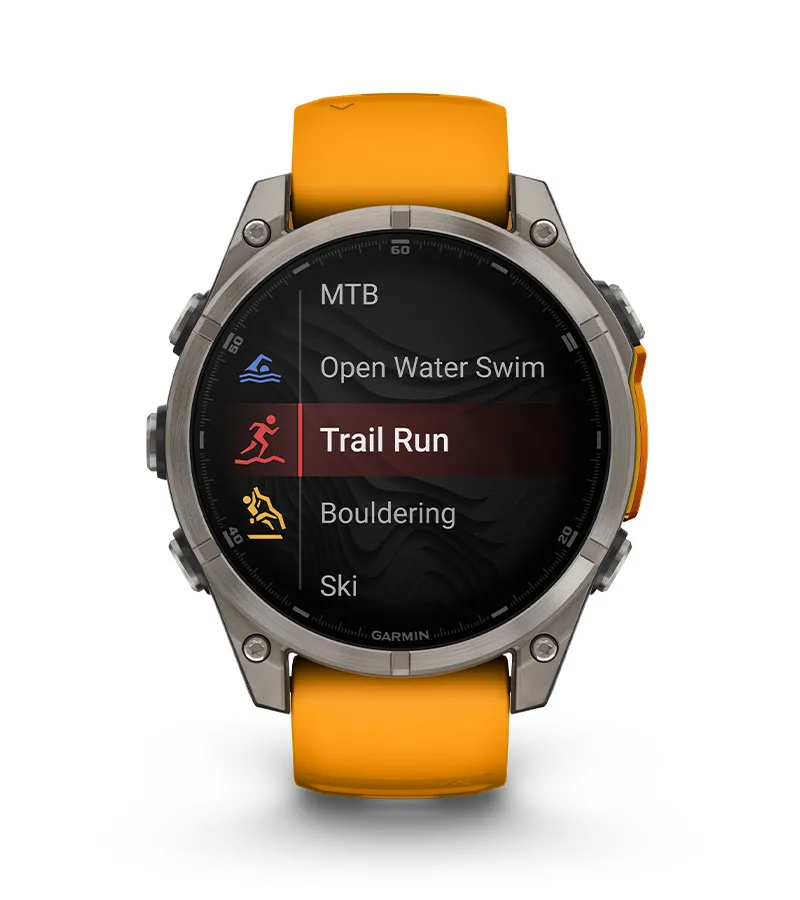
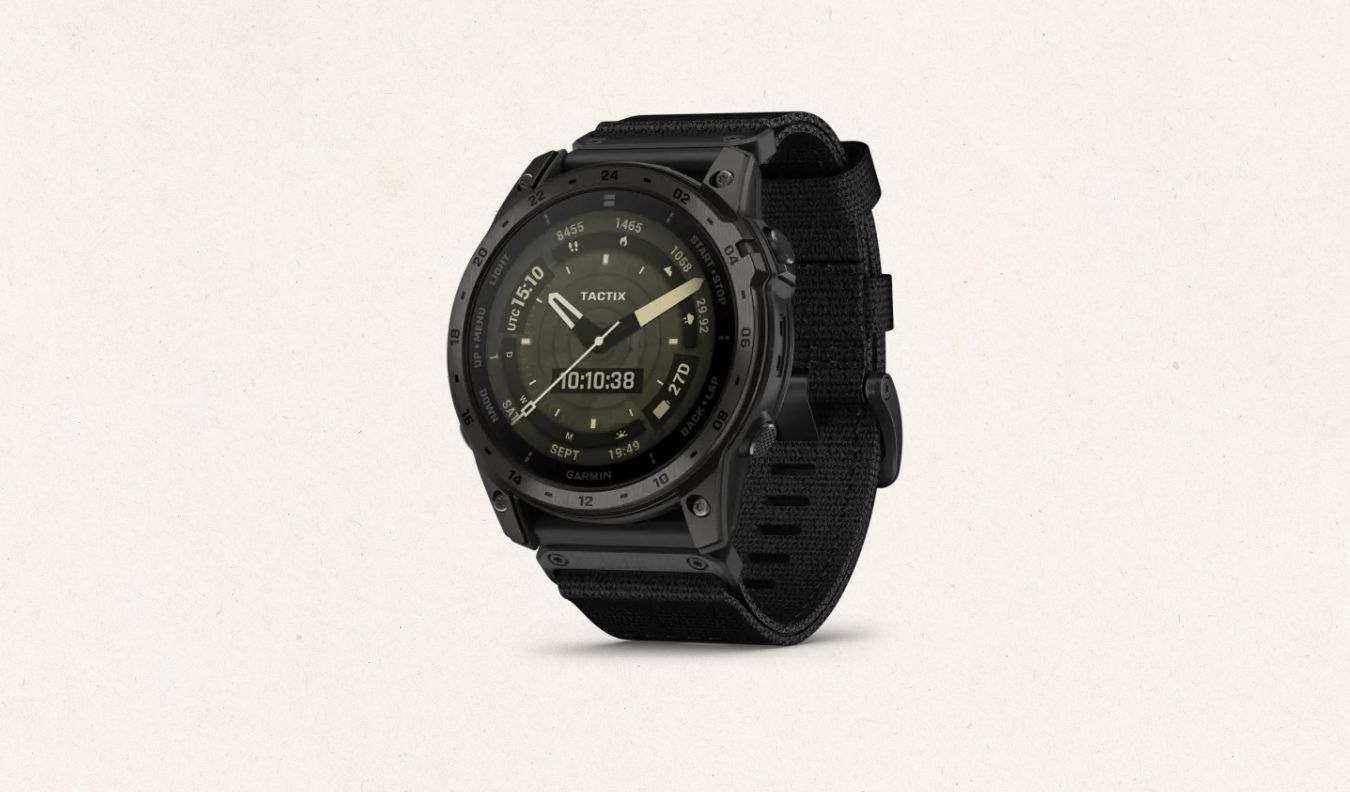
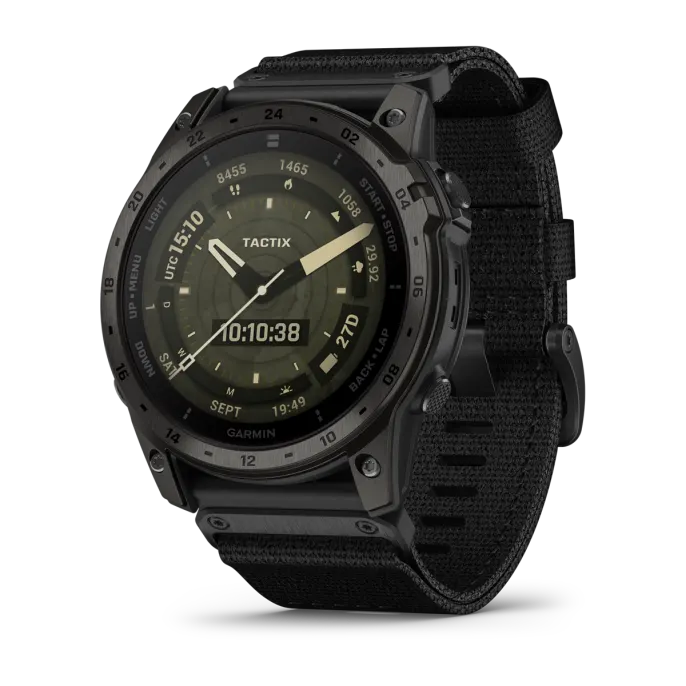
This is a professional instrument, not a civilian sports watch. Built on the Sapphire Solar platform, it adds mission specific features like night vision display compatibility, a stealth mode that disables all wireless signals, and a non reflective finish. These tools are critical for military, law enforcement, and security personnel operating in sensitive environments. For the average athlete, these functions are expensive overkill that add unnecessary complexity. This watch serves a very narrow, professional need where standard features are inadequate. It is operational gear first and foremost, designed for situations where discretion and specialized functionality are non negotiable requirements to make.
Garmin Fenix 8S $749
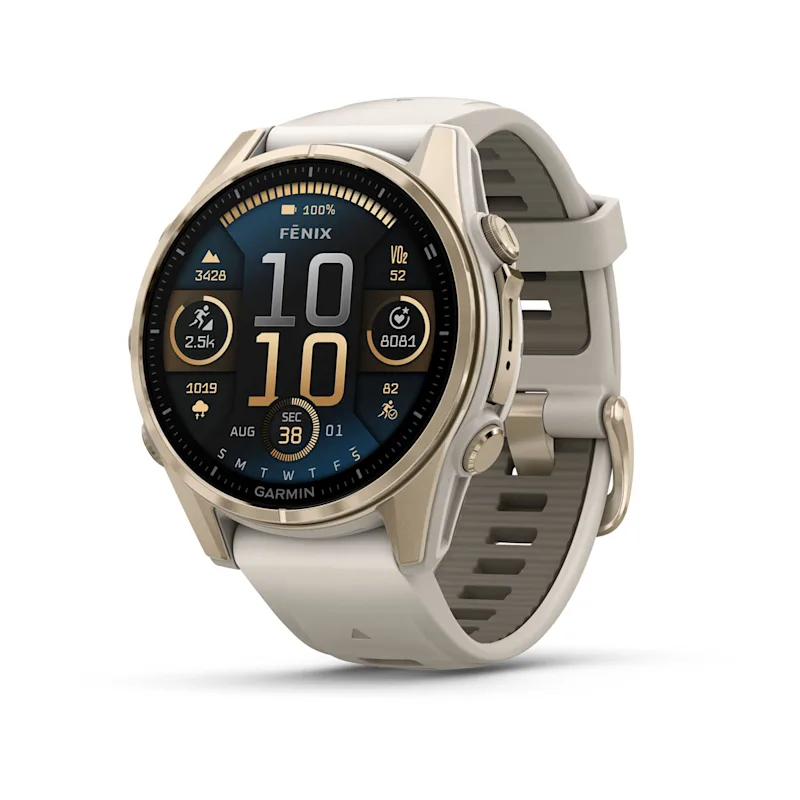
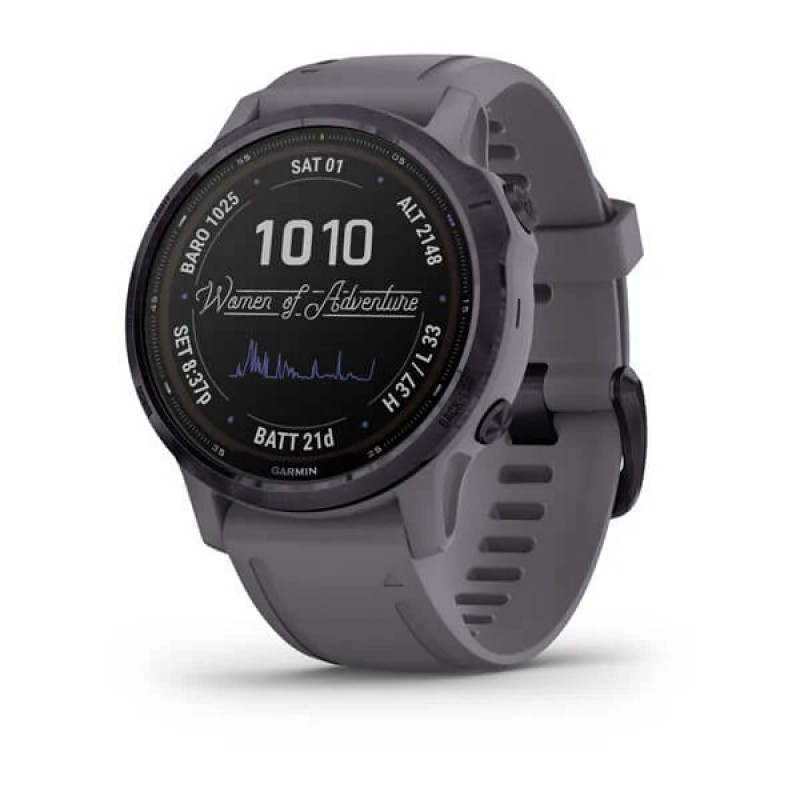
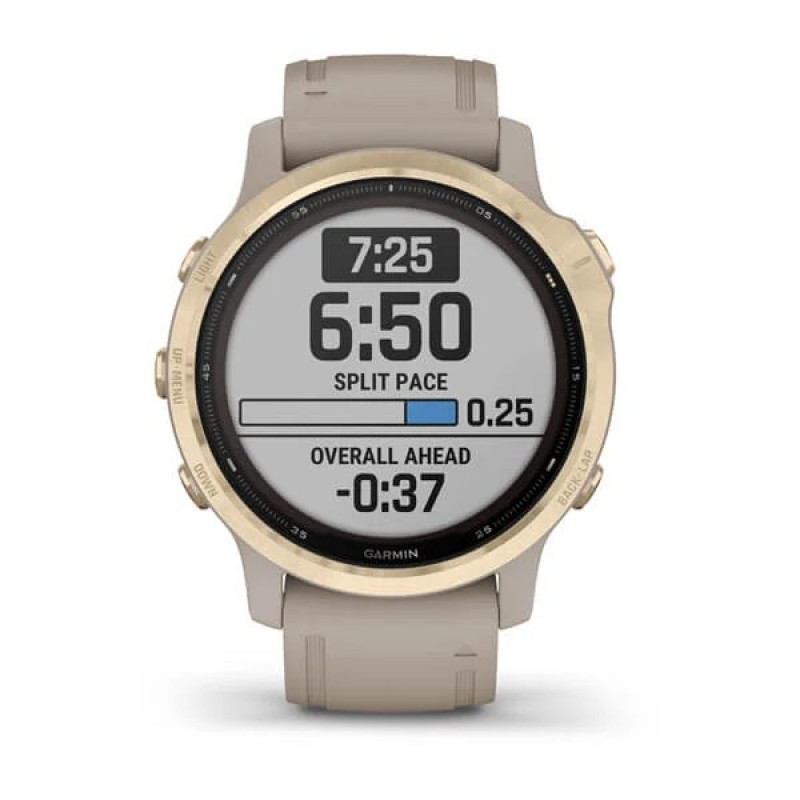
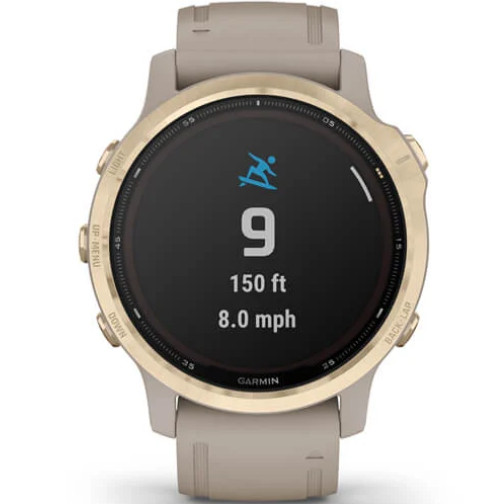
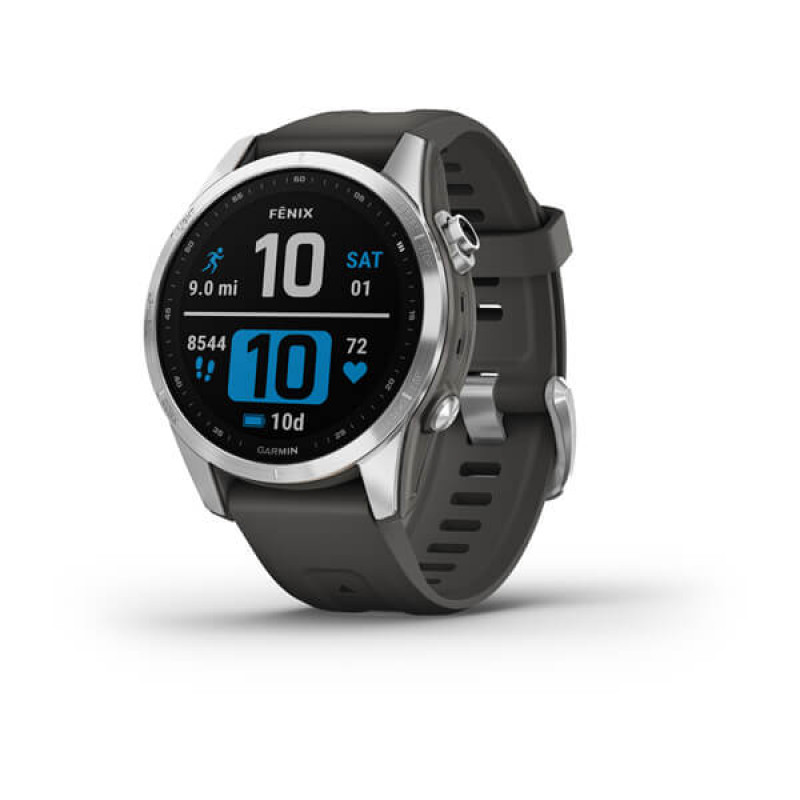
This is the compact flagship, perfected. The Fenix 8S brings the full AMOLED and multi band GPS experience to a sleek 42mm case. It’s lightweight enough for true 24/7 wear, including sleep tracking, without sacrificing any features like full mapping or advanced metrics. This model is a revelation for athletes with smaller wrists or anyone who found previous Fenix watches too bulky for daily life. It proves you can have top tier performance in a comfortable, discreet package that seamlessly transitions from the office to the trail. It’s the ideal high end watch for those who prioritize wearability alongside capability.
Best Garmin Enduro 3 Models
The Enduro 3 lineup is an exercise in extreme focus. It is not designed to be your daily smartwatch. Instead, every engineering choice prioritizes one thing: eliminating battery anxiety for the longest human powered efforts. This results in a watch with a unique display technology and a massive cell that can last for multiple months. It intentionally omits features like vivid maps and music to achieve this goal. For the ultrarunner, expedition racer, or endurance hiker, this trade off is a worthy sacrifice. The following models represent the core of this philosophy, offering the ultimate tool for athletes who measure their adventures in days and weeks, not hours.
Garmin Enduro 3 $1,099
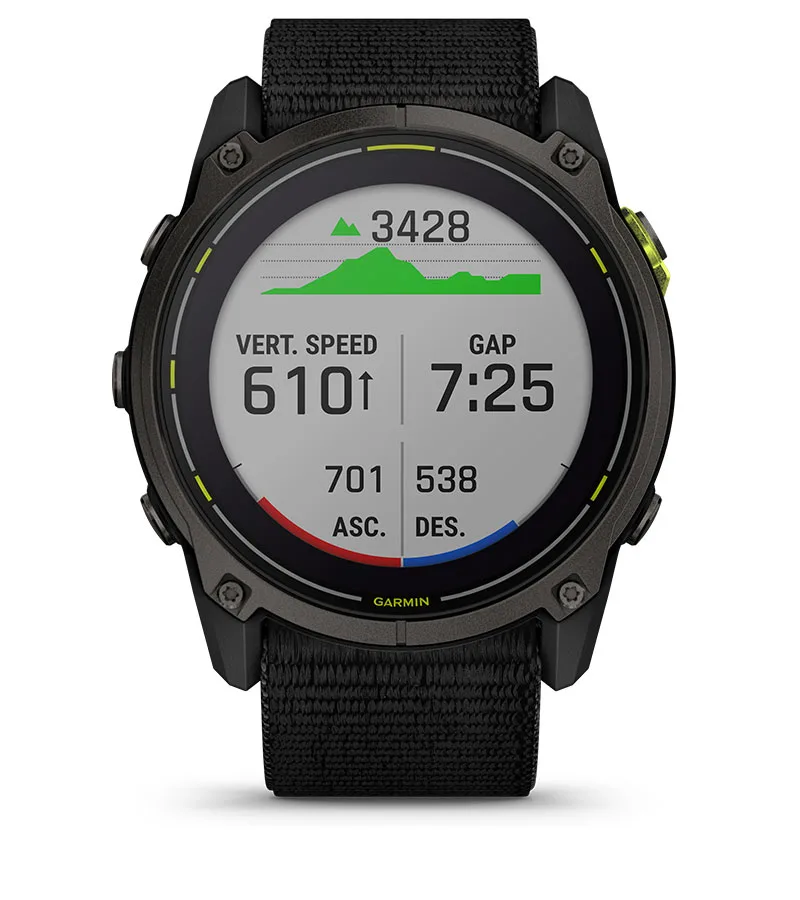
The Enduro 3 is a fascinating, single minded instrument. It is not a smartwatch. It uses a special ultra low power display and a massive battery to achieve a staggering multi month battery life. The case is lightweight titanium to reduce fatigue over days of continuous wear. It tracks essential endurance metrics but deliberately omits detailed maps and music. This watch has one job: to be the last piece of gear to quit on your longest adventures. It’s the definitive tool for the pure endurance athlete who views battery anxiety as the ultimate limitation and is willing to trade features for limitless runtime.
Garmin Enduro 3 Ultra $1,299
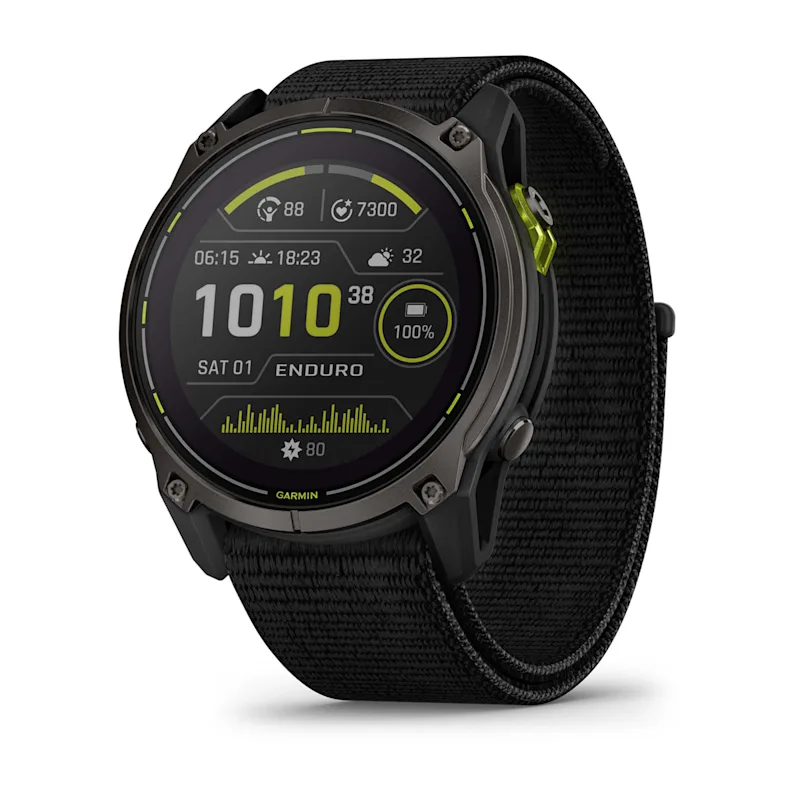
This is the pinnacle of endurance focused engineering. The Enduro 3 Ultra takes the core formula and optimizes it with even more efficient solar charging and a larger battery designed for theoretically indefinite operation in watch mode with sufficient sun. Every material is chosen for minimal weight, and every software feature is tuned for ultradistance efficiency. It’s for the professional ultrarunner, expedition racer, or adventurer attempting a feat where charging is impossible. You don’t buy this watch for its features , you buy it because your adventure demands it. It represents the absolute limit of battery centric wearable design for extreme athletes.
Conclusion
The winner is clear based on your goal. Choose the Garmin Enduro 3 if your world is defined by ultradistance events and multiday efforts where battery life is the absolute, non negotiable priority. You will trade smart features for that peace of mind. Choose the Garmin Fenix 8 if you want a brilliant, versatile daily companion that masters fitness, navigation, and daily life with a stunning screen and robust build. One is a specialist built for the endless horizon. The other is a master of all trades built for your every day. Your perfect watch is the one that aligns with your version of adventure.