
Watch Reviews Archives - Page 4 of 54 - Exquisite Timepieces
iconHome Blog / Watch Reviews / Page 4

Category: Watch Reviews

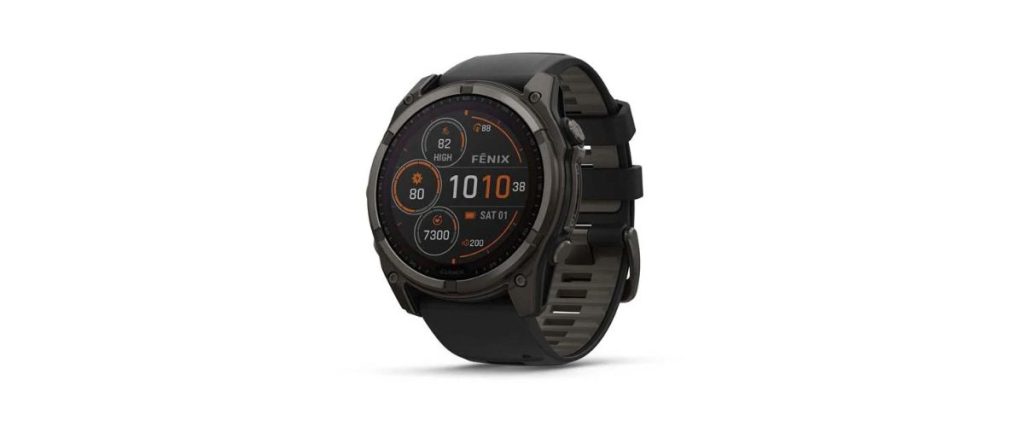
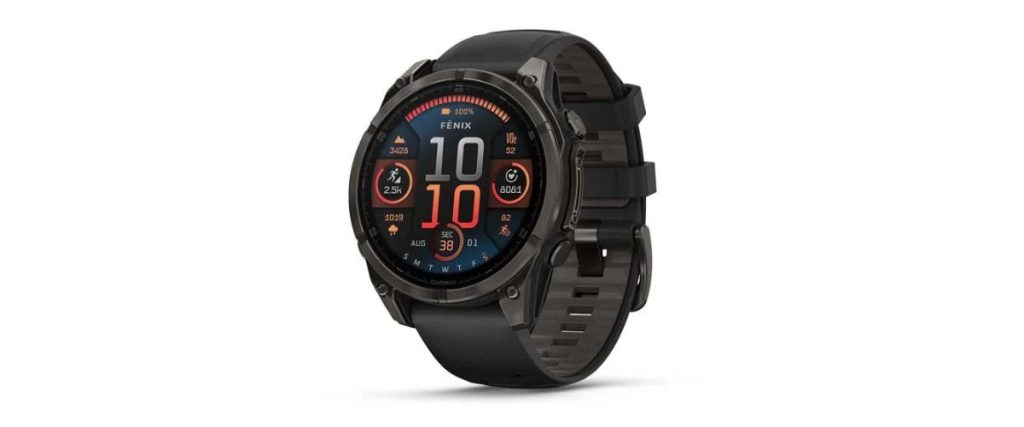
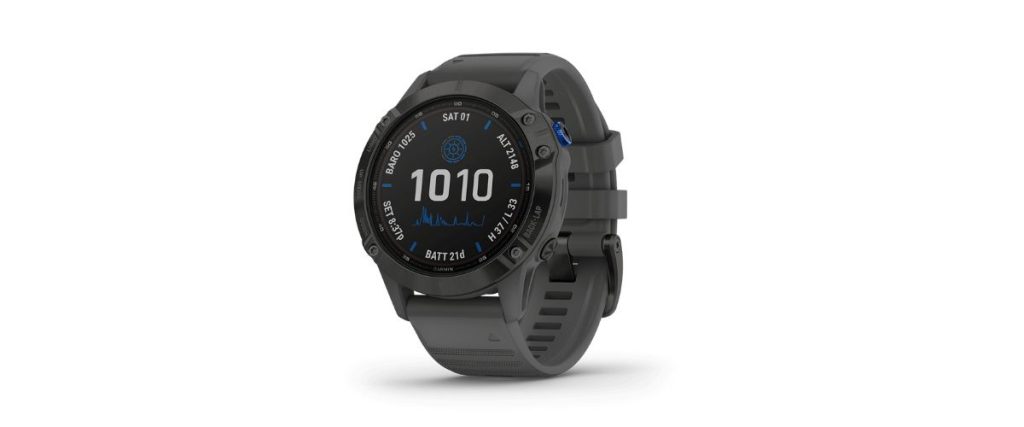
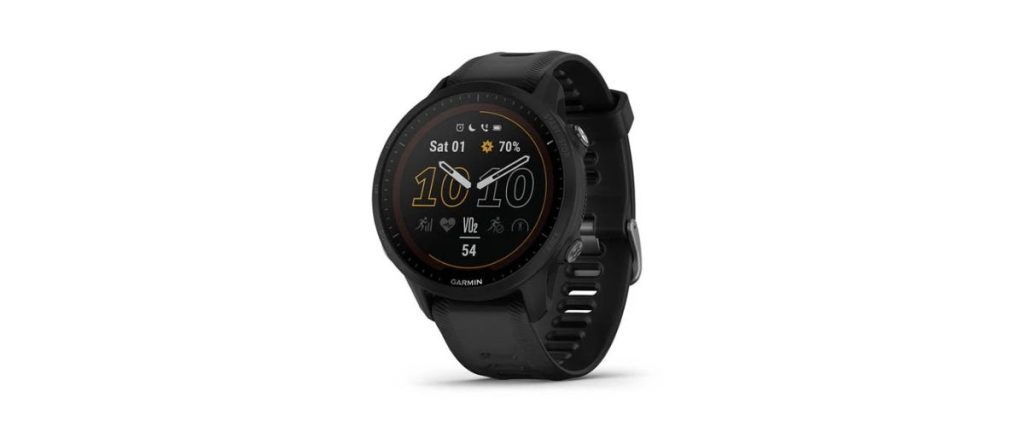
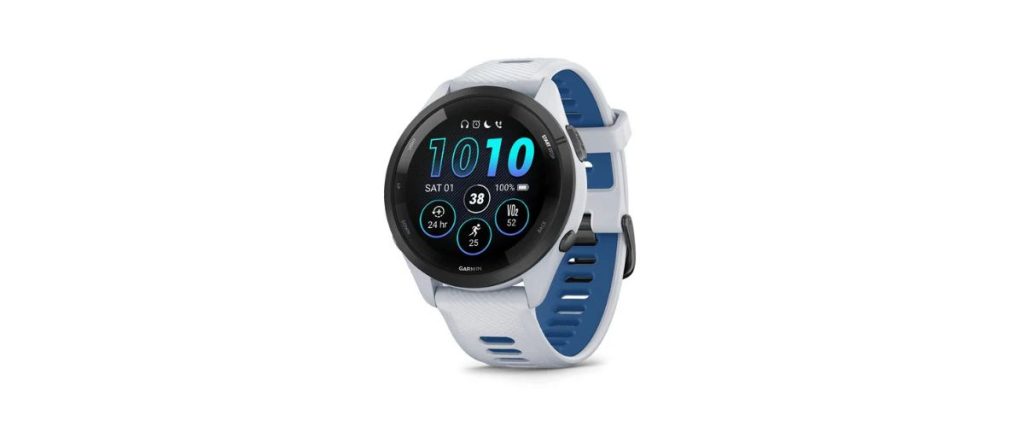
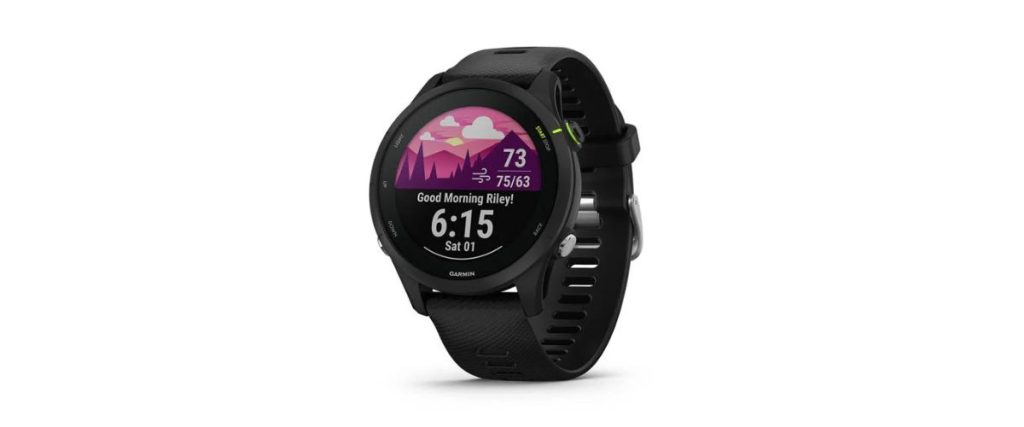
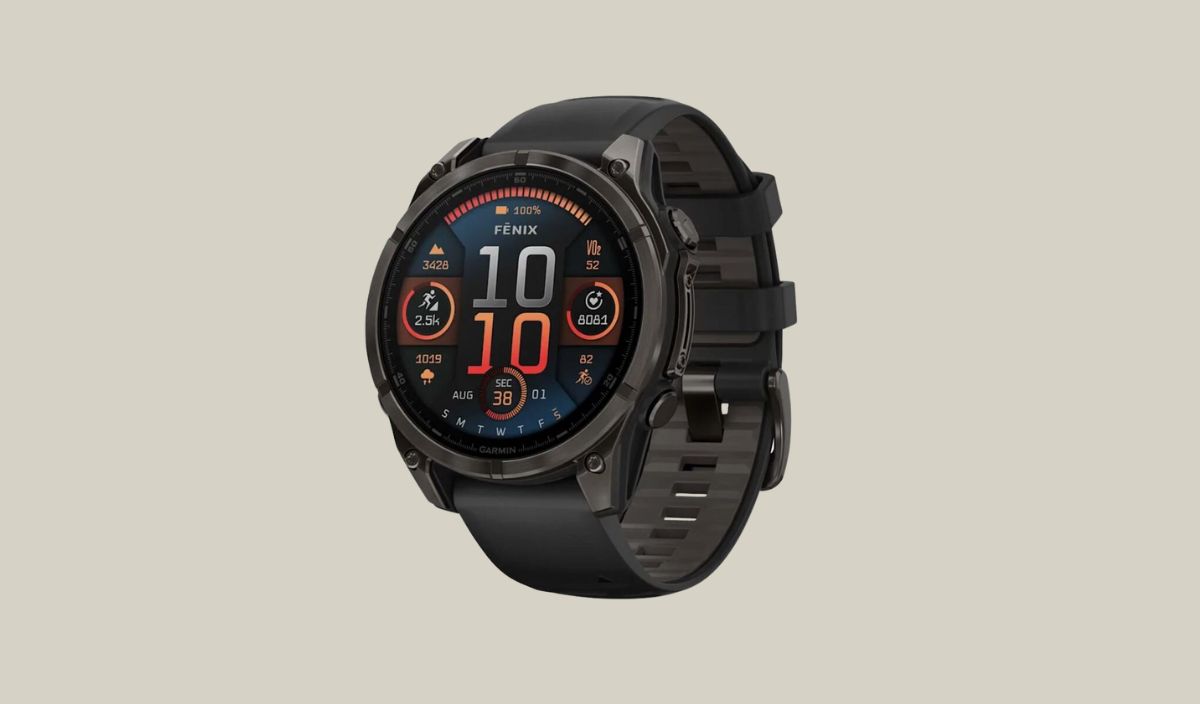
garmin fenix 8 review

Garmin’s Fenix 8 series doesn’t just build on its predecessors, it ups the ante with sharper screens, better battery life, and more rugged tools than ever before.

Whether you’re scaling peaks, logging triathlon data, or diving 40 meters under the surface, this lineup has a watch built to keep up.

Garmin packed more into every version AMOLED displays, onboard maps, dive ready features, and flashlight tools all make the cut.

This guide breaks down the seven best Fenix 8 models in 2025. Whether you’re new to multisport wearables or upgrading from a previous generation, this list helps you pick the model that best matches your lifestyle, wrist size, and adventure level.

All of them are rugged, reliable, and smarter than ever. It’s just a matter of choosing how much power, display, and battery life you really want on your wrist.

How to Choose the Right Garmin Fenix 8

Before locking in your Fenix 8, think size, screen, and smarts. The 43mm model is ideal for smaller wrists, the 47mm hits a sweet spot for most, and the 51mm is all about max screen and battery.

Want that rich AMOLED look? You’ll get top notch visuals, but battery life takes a slight hit. Prefer longer trips between charges? Solar MIP models give you weeks of power.

Then, there are features. Need dive mode and underwater GPS? Grab the Dive Edition. Want a voice assistant and calling? Look for built in mic and speaker models.

If you want something stripped down but still strong, the Fenix 8 E has the essentials. Garmin made sure each model hits a different combo of tools, screen style, and endurance so whether you’re into long-distance hiking, training for a triathlon, or just living active, there’s a Fenix that fits.

Best Garmin Fenix 8 Watches

Garmin has built a reputation for making watches that go the distance literally. With the Fenix 8 series, they’ve taken that legacy and layered on crisp AMOLED displays, dive features, solar charging, and smarter performance tracking.

These watches aren’t just upgrades; they’re wearable tools built for runners, climbers, divers, and anyone who refuses to slow down. Whether you’re training for your next ultra or just want something durable that actually looks good, the Fenix 8 lineup is stacked with choices.

Below are the seven best Garmin Fenix 8 watches in 2025. Each one hits a different sweet spot in terms of size, features, and battery life so no matter how or where you move, there’s a model that fits right in.

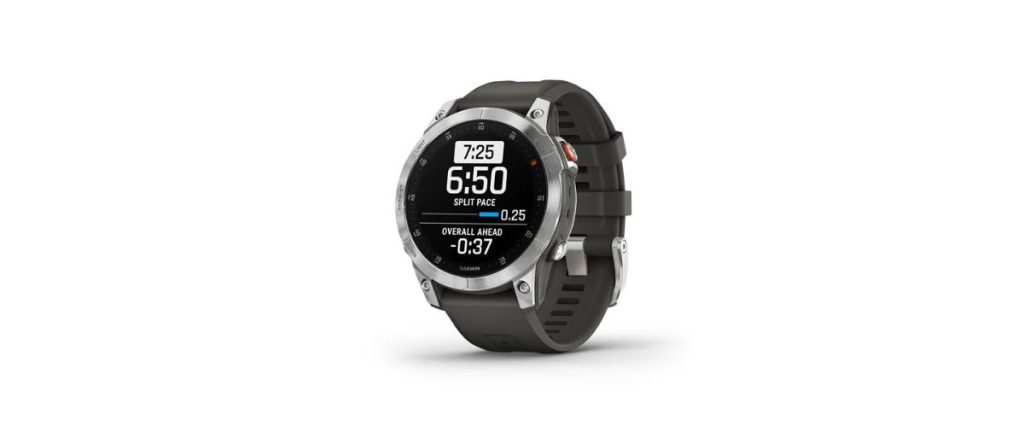
Garmin Fenix 8 (43mm, AMOLED) – $999.99
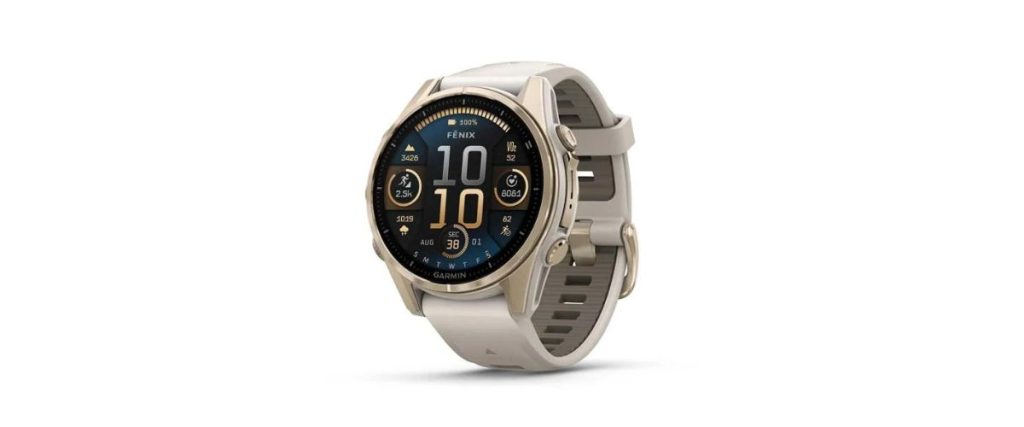
Garmin Fenix 8 (43mm, AMOLED)

Small wrist? No problem. The 43mm Fenix 8 is compact without cutting corners. You get a 1.3″ AMOLED screen, multiband GNSS, Elevate Gen 5 sensor, and full topo maps. It even includes a mic and speaker for voice commands and calls.

Battery life hits about 10 days in smartwatch mode, and up to 38 hours in GPS. It’s perfect for athletes who want big time performance in a slim form. And despite its size, the AMOLED screen still pops bright, colorful, and super responsive. You won’t miss out on tracking features or durability either.

Whether you’re hitting the gym, the trail, or just want something that won’t overwhelm your wrist, this model packs a full Garmin experience into a smaller frame that still feels premium and capable.

Garmin Fenix 8 (47mm, AMOLED or Solar) – $999.99
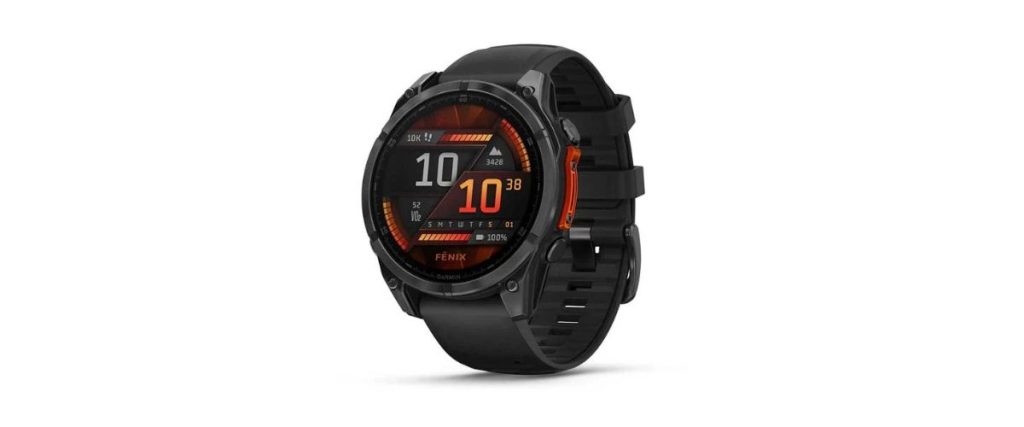
Garmin Fenix 8 (47mm, AMOLED or Solar)

This is the Fenix most people should consider first. It strikes a great balance between size and function, with a 1.4″ display and just the right amount of heft. You can pick between a vivid AMOLED version or a solar powered MIP version depending on whether you prioritize screen clarity or battery longevity.

Either way, you’re getting multiband GNSS, onboard maps, flashlight, dive support, and fitness tracking that’s accurate and deep. The AMOLED version offers up to 16 days of smartwatch use, while solar variants can last up to 28.

This watch is ready for long runs, summit pushes, and everything in between. And yes, it looks good enough to wear with anything. For those who want a powerful GPS watch that can handle anything you throw at it and still get through a dinner out, the 47mm Fenix 8 has your back.

Garmin Fenix 8 (51mm, AMOLED or Solar) – $1,099.99
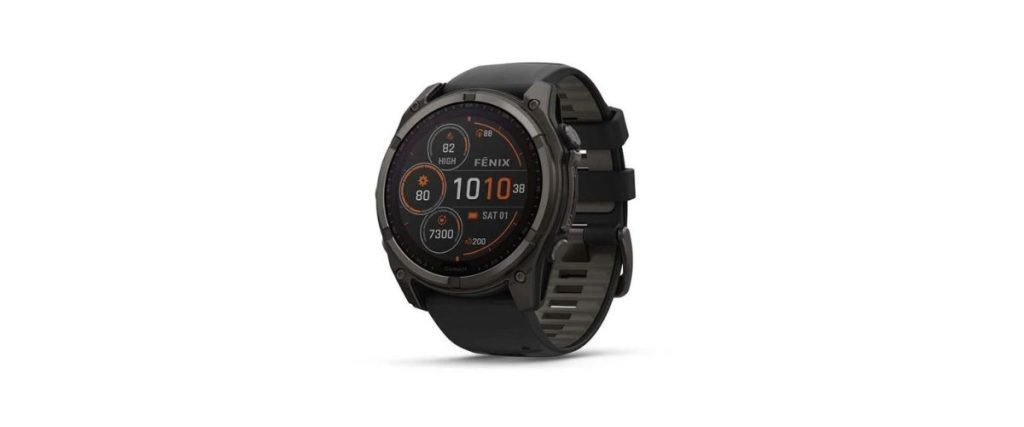
Garmin Fenix 8 (51mm, AMOLED or Solar)

Go big or go home. The 51mm Fenix 8 isn’t just larger, it’s smarter, stronger, and lasts way longer. Choose between a high contrast AMOLED screen or solar MIP tech that just keeps going. Battery life hits 29 days on AMOLED and up to 48 on solar, depending on use.

You get every Fenix feature: topo maps, voice commands, dive tracking, flashlight, training readiness, and more. The massive display makes everything easier to read stats, maps, notifications even on the move. It’s big, bold, and built for serious athletes or adventurers who don’t want to recharge mid expedition.

Not for small wrists or casual jogs, but if you’re spending days off grid or tracking huge mileage, this is the most complete version in the lineup. It’s the Fenix you want when you need everything and need it to last.

Garmin Fenix 8 Pro Solar (47mm or 51mm) – $999.99–$1,099.99

The Pro Solar editions are for the performance obsessed. Available in 47mm or 51mm, these models swap in a sapphire lens and titanium bezel for serious durability. You still get full GPS mapping, flashlight, mic, dive support, and advanced metrics like HRV status and training readiness.

But the real flex is the solar charging up to 34 days for the 47mm and a massive 48 days for the 51mm. They even stretch into power saver mode for beyond absurd runtimes.

This is for people who go all in multi sport athletes, ultra distance hikers, anyone who wants maximum battery and top shelf features in one sleek, rugged package. If you want one watch to do it all and keep doing it for weeks the Pro Solar is your go to.

Garmin Fenix 8 Dive Edition – $1,099.99
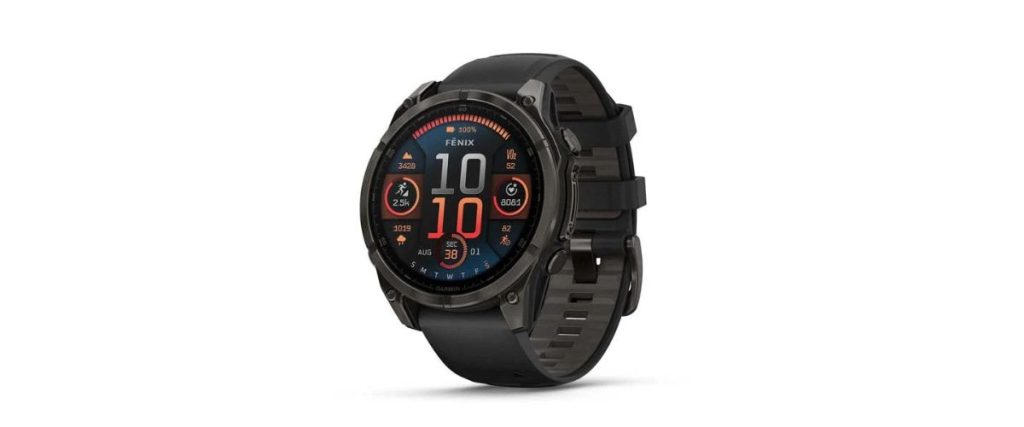
Garmin Fenix 8 Dive Edition

Built for underwater and above, the Dive Edition is a multisport watch with real scuba power. It adds dive modes up to 40 meters, a depth gauge, underwater compass, and post dive GPS logging. It also keeps the flashlight, topo maps, training features, and full Garmin tracking suite.

The 47mm body is tough but wearable, and the AMOLED display stays sharp in sun or shadows. You’ll still get around 16 days of battery with standard use. If you spend as much time below water as above, this is the Fenix made for you.

Whether you’re a diver, freediver, or a hiker who ends the day with a swim, this model gives you everything no separate dive computer needed. Just charge it, strap it on, and go wherever the current takes you.

Garmin Fenix 8 E (47mm AMOLED) – $799.99
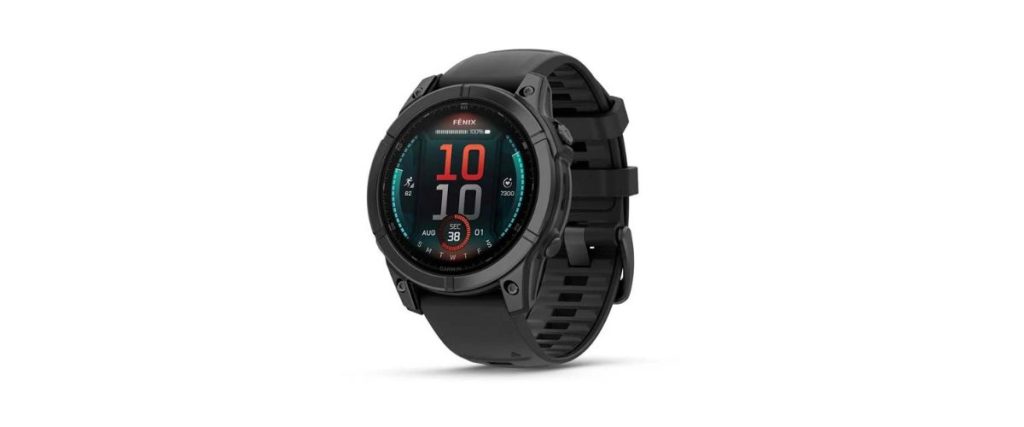
Garmin Fenix 8 E (47mm AMOLED)

Stripped down but still stacked, the Fenix 8 E gives you a clean cut AMOLED experience without all the bells and whistles. You’ll still get maps, GPS, advanced fitness tracking, and the same rugged build. But no flashlight, no mic or speaker, and no dive features which also knocks down the weight and the price.

This one’s for folks who want a serious training tool without the maxed out spec list. Battery life stays solid at around 16 days, and the screen still looks fantastic.

Whether you’re hitting the trail, the gym, or just racking up steps, this is a smart way to get the Fenix feel without dropping a grand. It’s simple, sleek, and a great way into Garmin’s high-end lineup for less.

Garmin Fenix 8 Standard (non-Solar, MIP) – $999.99

This is Garmin sticking to its roots. The Standard Fenix 8 keeps the trusted MIP display and full GPS features without the extras that push the other models over the top.

No AMOLED, no solar, and no mic or flashlight but you still get reliable mapping, great tracking, and rugged durability that feels built for the field. It’s not flashy, but it gets the job done.

The 47mm case is versatile, the menus are responsive, and the battery life still stretches well into double digit days. Perfect if you prefer practicality over polish.

For hikers, runners, or anyone who wants something tough, dependable, and distraction free, this model brings everything you need and nothing you don’t. It’s the Fenix for people who value function first.

(H2) Conclusion

The Garmin Fenix 8 lineup covers just about every type of user. AMOLED fans get that screen pop, solar users get freedom from chargers, and everyone gets Garmin’s trademark rugged design and GPS accuracy.

Whether you want a do it all beast or a lighter, no fuss trainer, there’s a Fenix 8 made for you. Pick the one that fits your wrist, your vibe, and your next adventure.
best garmin watch for men

If you’re the kind of guy who pushes limits whether that’s climbing mountains, crushing marathons, or tracking everything from HRV to hydration Garmin probably has your next watch.

In 2025, their lineup is more versatile than ever, covering rugged outdoor adventurers, high-mileage runners, everyday health junkies, and even divers. Garmin watches don’t just keep up; they’re built to go further, last longer, and give you the stats that matter.

In this guide, we’ve rounded up the nine best Garmin watches for men. From heavy hitting multisport monsters to sleek, functional wearables you can rock daily, these picks are all about performance, reliability, and next-level features.

How to Choose the Right Garmin Watch for You

Garmin’s strength is variety. Need insane battery life and off grid navigation? Go with a Fenix or Enduro. Want brilliant visuals and daily wellness tracking? Epix or Venu have you covered.

Training for a race? You’re looking at the Forerunner line. And if budget’s a factor, don’t worry Garmin still delivers solid value in their entry level models.

Your first decision? Figure out your use case. Trail runners, mountaineers, and triathletes will need different features than casual gym goers or golfers.

Next, decide if you want an AMOLED display for that crisp smartwatch feel or a power efficient MIP screen that lasts weeks.

Finally, think about size and weight. Garmin’s larger models offer more screen and battery, but not everyone wants a 51mm tank on their wrist.

Best Garmin Watches for Men

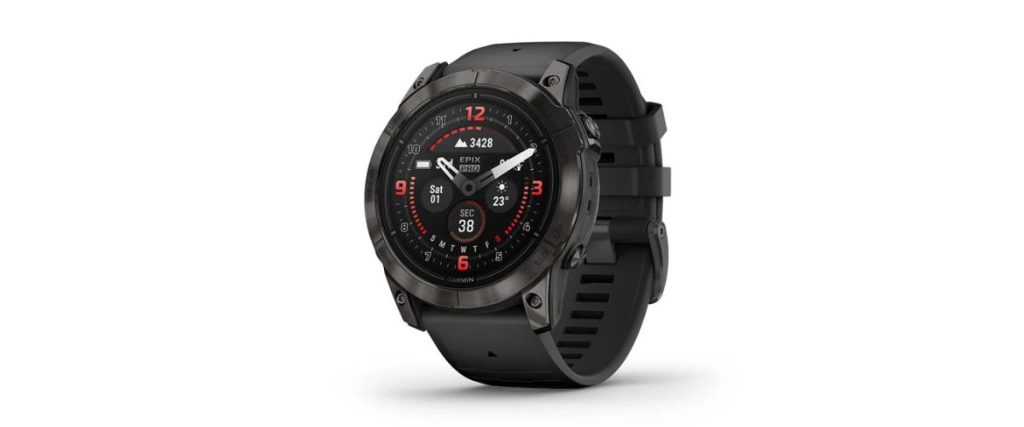
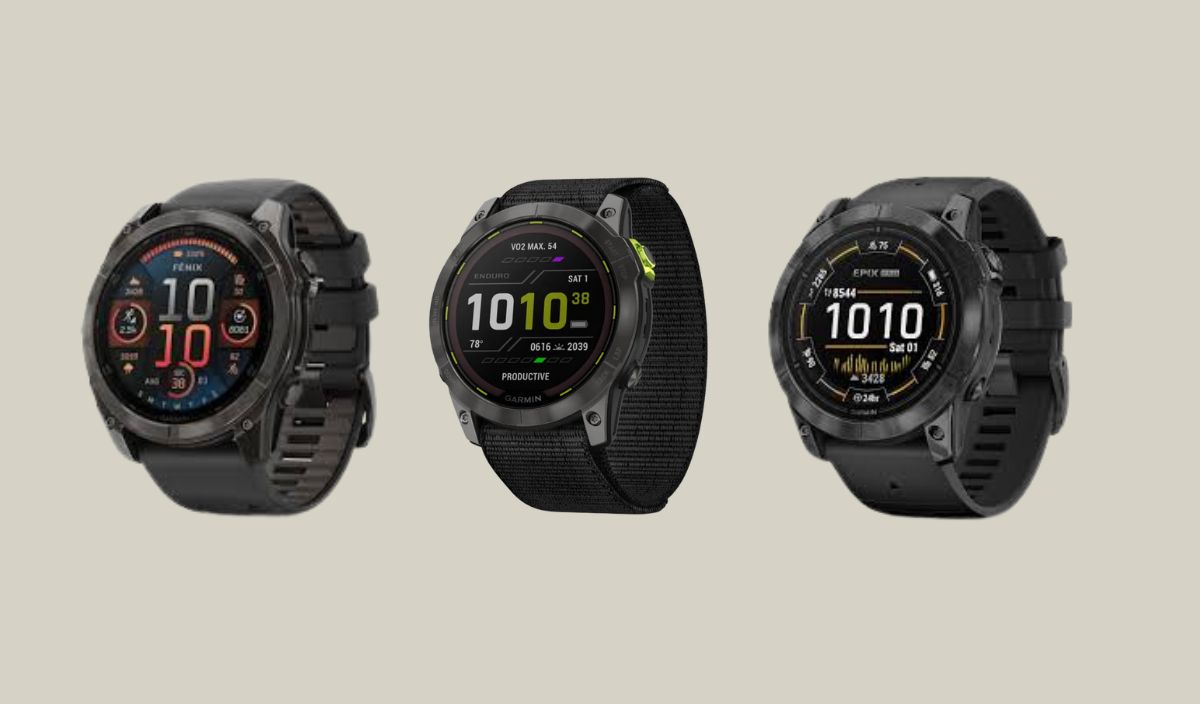
Garmin Fenix 8 Pro Solar (47mm or 51mm) – $999.99–$1,099.99

Garmin Fenix 8 Pro Solar (47mm or 51mm)

This is Garmin’s ultimate all rounder for men who demand everything. The Fenix 8 Pro Solar comes in two sizes and offers top-tier GPS, solar charging, a flashlight, dive features, training readiness, and up to 48 days of battery life. Sapphire lens? Check. Titanium bezel? Yep.

Whether you’re heading into the backcountry or the office, it looks clean and stays strong. With multi-band GPS, topo maps, and all-day health metrics, it’s a tool disguised as a watch.

You won’t find fluff here it’s built for performance, endurance, and durability. If you’re only getting one watch to do it all, this is the one to grab.

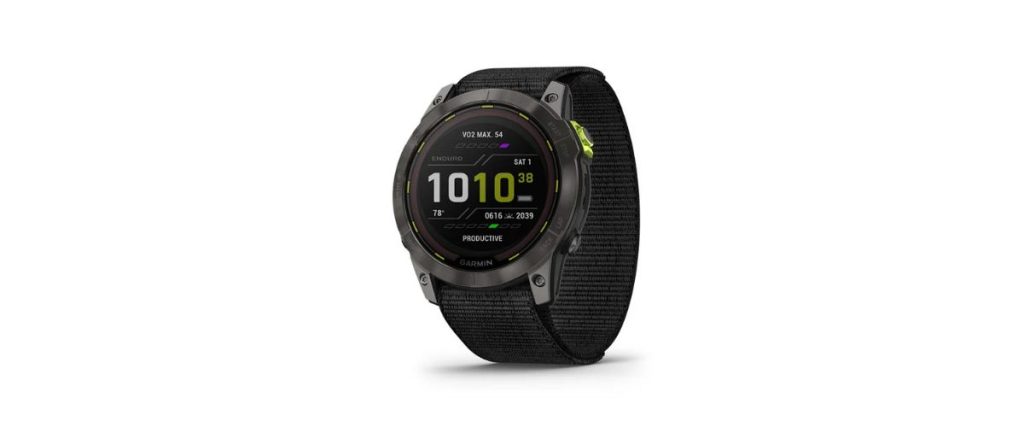
Garmin Enduro 2 – $1,099.99

Garmin Enduro 2

Built for ultra endurance athletes, the Enduro 2 is all about batteries. You get up to 46 days in smartwatch mode and 150 hours in GPS mode, more than enough for your longest expeditions.

Solar charging keeps you powered, and it’s packed with trail maps, stamina tracking, and a titanium frame that feels light despite its size.

It skips the AMOLED screen and mic/speaker combo, but it’s laser focused on what matters most, reliability.

It’s for men who train hard, live off grid, or just never want to worry about battery life. When adventure is your lifestyle, this watch is built to match it.

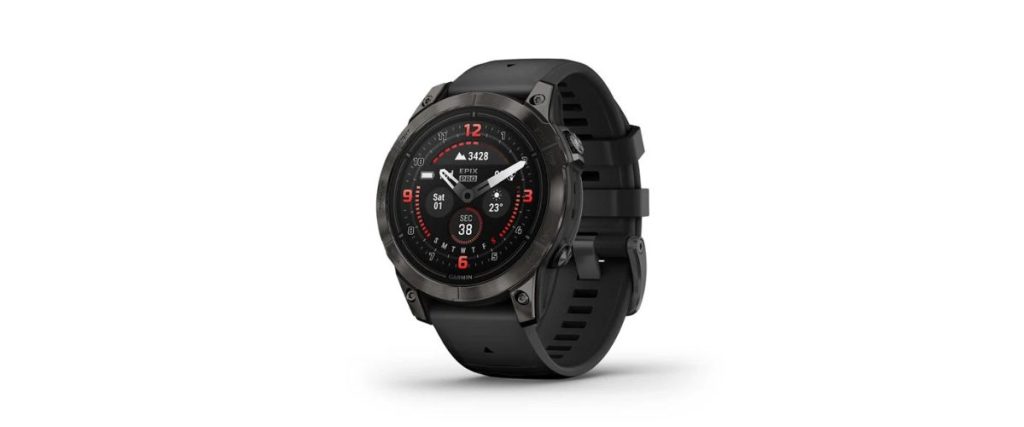
Garmin Epix Pro Gen 2 (47mm or 51mm) – $999.99–$1,099.99

Want rugged meets premium? The Epix Pro Gen 2 gives you a vibrant AMOLED screen and everything Garmin’s top tier models include: sapphire glass, flashlight, dive support, HRV tracking, and topo maps.

It’s built to look good on your wrist while still handling hardcore training or backcountry navigation. Battery life can stretch up to 31 days depending on settings and model size.

It’s sharp, durable, and stylish enough for the office but don’t let the good looks fool you. This thing can hang with the most rugged watches out there. If you want a little luxury with your mileage, Epix Pro is it.

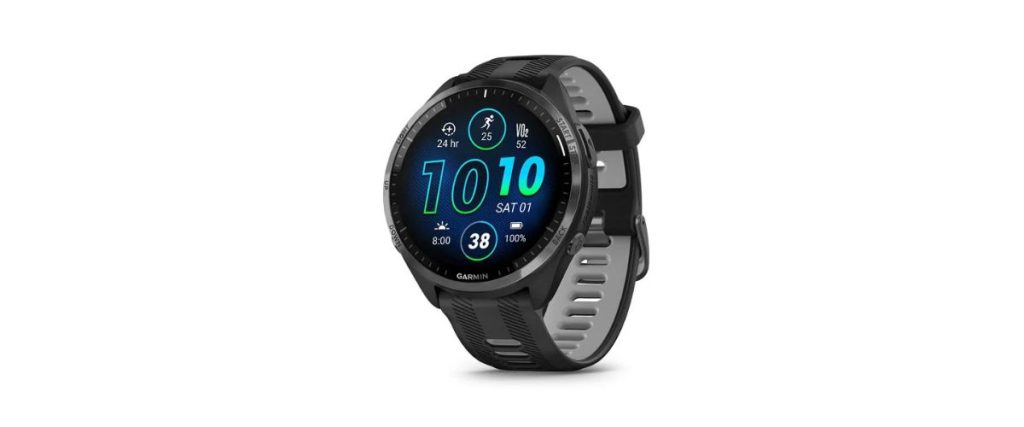
Garmin Forerunner 965 – $599.99

Garmin Forerunner 965

Light, bright, and built for speed, the Forerunner 965 is every runner’s dream. You get a 1.4″ AMOLED display, built-in GPS, VO2 Max, HRV, Garmin Coach plans, race day tools, and a lightweight body that’s perfect for high-mileage training.

Battery life lands around 23 days in smartwatch mode. It’s not built for mountaineering, but it crushes when it comes to pavement, track, or treadmill.


If you’re a runner who cares more about stats than steel bezels, this watch has everything you need and nothing you don’t. Comfortable enough to wear 24/7 and smart enough to guide every mile.

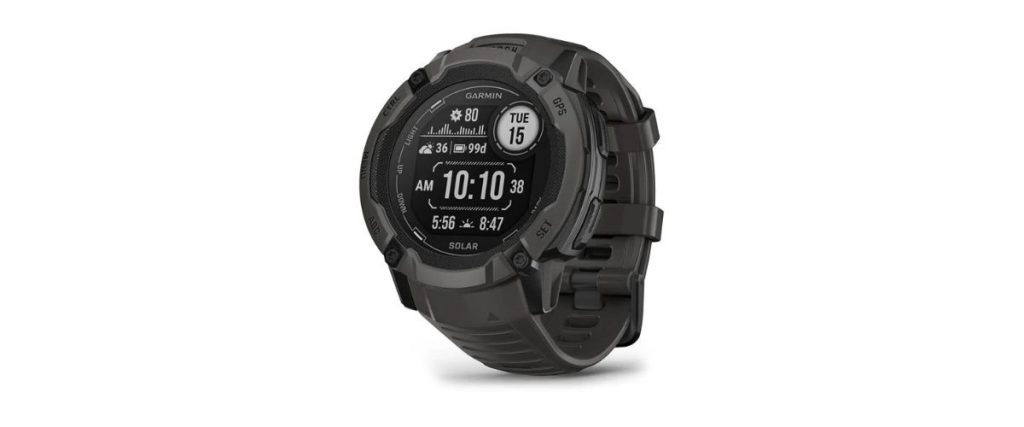
Garmin Instinct 2X Solar – $449.99

Garmin Instinct 2X Solar

This one’s for guys who want no frills function and military-level toughness. The Instinct 2X Solar is big, bold, and endlessly reliable. It has a solar powered battery that can last up to 40 days, multi-band GPS, ABC sensors, and a built-in flashlight.

The rugged polymer case meets military durability standards, and the monochrome screen is super legible in any light. You don’t get the AMOLED flash, but you get raw utility and that’s the point. Whether you’re out in the woods for the weekend or in a survival course, this is the tool you’ll want on your wrist.

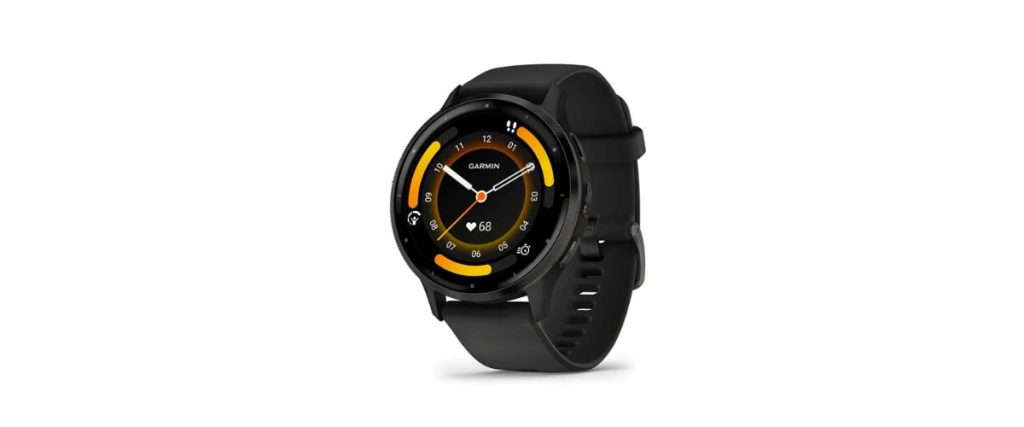
Garmin Venu 3 – $449.99

Garmin Venu 3

The Venu 3 is the daily smartwatch done right. It combines Garmin’s fitness brains with a sharp AMOLED screen and slick design. You get guided workouts, nap detection, stress tracking, sleep coaching, Bluetooth calling, and about 14 days of battery life.

It’s not a backcountry bruiser like the Fenix, but it’s got enough health tracking and smarts for the average guy who hits the gym, walks his steps, and wants something that doesn’t look out of place with a button down. For men who want Garmin quality without the bulk, this is the one to wear all day, every day.

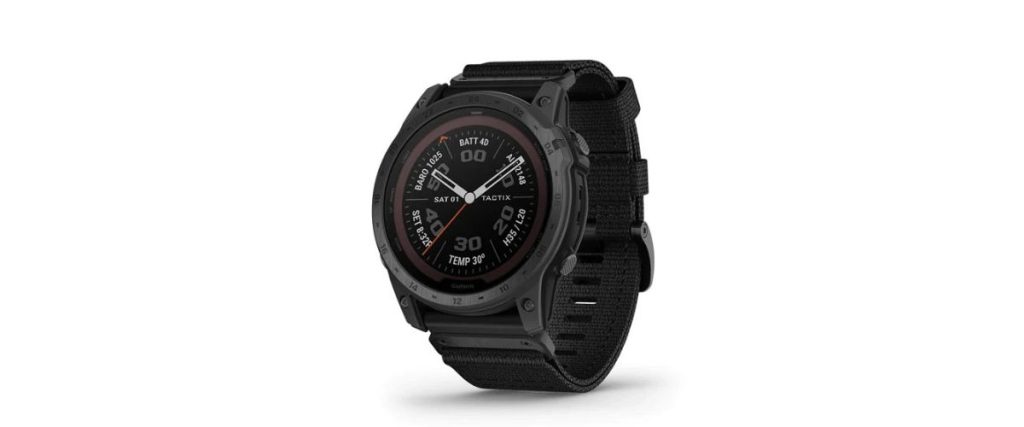
Garmin Tactix 7 Pro – $1,099.99

Garmin Tactix 7 Pro

The Tactix 7 Pro isn’t just a watch it’s a mission-ready tool. Designed for tactical and field use, it’s got dual-format GPS, night vision compatibility, a kill switch, stealth mode, a red LED flashlight, and all the Fenix features under the hood.

It still tracks sleep, HRV, recovery, and everything you’d expect from a premium Garmin. The build is heavy-duty, the UI is clean, and it just feels purposeful.

This is for guys who train hard, work in rough environments, or just like their gear to be overbuilt. It’s rugged, smart, and as capable as anything on your kit.

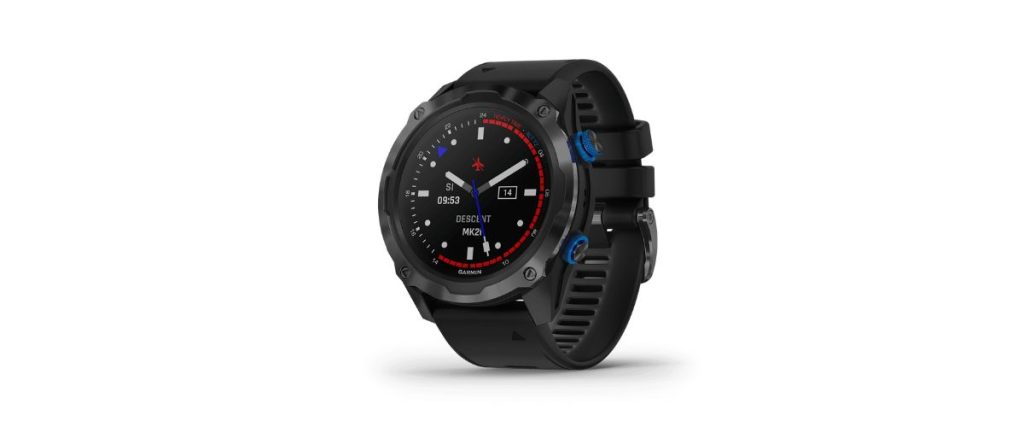
Garmin Descent Mk2i – $1,499.99

Garmin Descent Mk2i

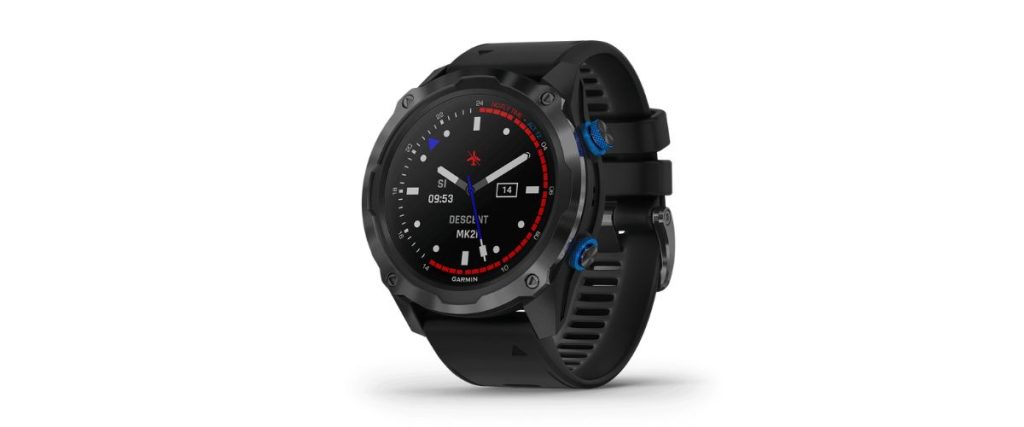
If you dive, this is the only Garmin to consider. The Descent Mk2i works as both a dive computer and full featured smartwatch.

It supports multiple gas mixes, wireless tank pressure monitoring (with transmitter), dive planning, and GPS tracking above and below the surface.

Out of the water, it’s still got Garmin’s full training suite: HRV, sleep, strength, and recovery tracking. The design is sleek enough for land life but built to handle depth and pressure like a champ.

For men who split their time between land and sea, the Mk2i is basically two watches in one and worth every penny.

Garmin Forerunner 265 – $449.99

Garmin Forerunner 265

This is the entry-level AMOLED watch that doesn’t feel like a compromise. The Forerunner 265 packs in all the fitness tracking you need: HRV, VO2 Max, GPS, Garmin Coach plans, and sleep tracking.

You get up to 13 days of battery, crisp visuals, and a comfortable fit that makes it easy to wear around the clock. It’s lighter and simpler than the 965, but it nails the basics beautifully.

If you want high end functionality in a package that’s approachable and budget friendly, this is a top pick. Especially good for runners and fitness guys who care about data, not just style.

(H2) Conclusion

Garmin’s 2025 lineup covers every type of guy the explorer, the runner, the diver, the lifter, the commuter. Whether you’re chasing a new PR or just want to track your day with a little more insight, there’s a watch on this list that gets it done. Rugged or refined, Garmin keeps delivering. Pick your favorite, charge it up, and get after it.

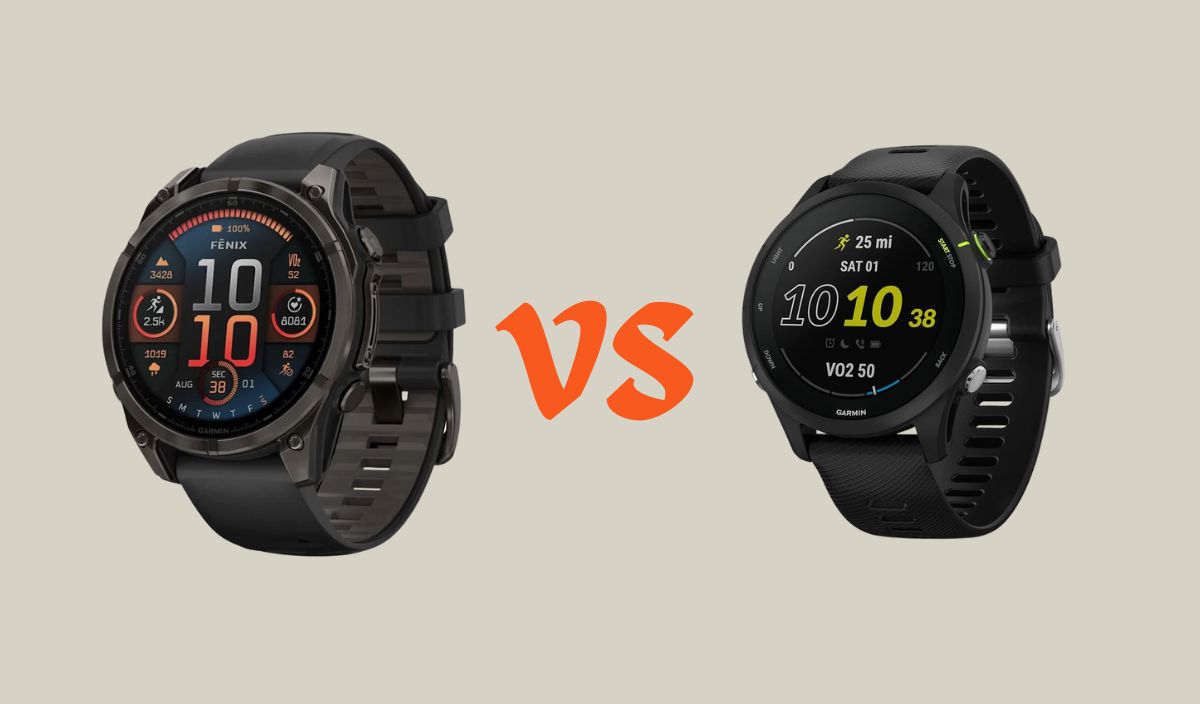
Garmin makes some of the most respected sports watches in the game but picking between the Fenix and Forerunner series? That’s where it gets tricky.

Fenix watches are built tough for the outdoors: solar charging, rugged builds, and crazy battery life. Forerunners lean toward performance: lighter, sleeker, and geared for runners who care about pace, recovery, and race day metrics.

We’ve pulled together six of the best watches from each lineup to help you decide. Whether you live in hiking boots or race shoes, there’s a Garmin here with your name on it.

How to Choose the Right Garmin Watch for You

Choosing between the Fenix and Forerunner series really comes down to how and where you train. If you’re spending hours on trails, summiting mountains, or exploring off-grid, the Fenix lineup gives you durability, long battery life, and tools made for extreme environments.

It’s the watch you want when the weather turns or your GPS signal can’t fail. On the other hand, if you’re focused on performance gains, race prep, and structured training, the Forerunner lineup offers every metric and tool you need in a lighter, more wearable package.

It’s about comfort, speed, and laser focused insights. Neither is better, just different. Know your goals, think about your routine, and match the watch to your lifestyle. Garmin has made sure that whichever you pick, you’re getting a top-tier training companion that won’t let you down.

Best Garmin Fenix Watches 

Garmin’s Fenix lineup is built for the bold rugged, solar powered, and engineered for epic adventures. Whether you’re climbing summits, trekking through forests, or diving offshore, Fenix watches are designed to handle punishment.

With multi-band GPS, topo maps, advanced recovery metrics, and training insights packed into durable titanium builds, these watches are more than just smart, they’re survival tools. If battery life, navigation, and performance tracking matter to you in extreme conditions, this is where you look first.

Some models bring bright AMOLED screens and voice features, while others trade flash for raw endurance. You’ll find options for every wrist size, feature set, and training need.

The Fenix isn’t for everyone but if you live for adventure, it’s probably built for you. Below are six of the strongest models Garmin has to offer in 2025. All of them are rugged, reliable, and ready for wherever the trail leads.

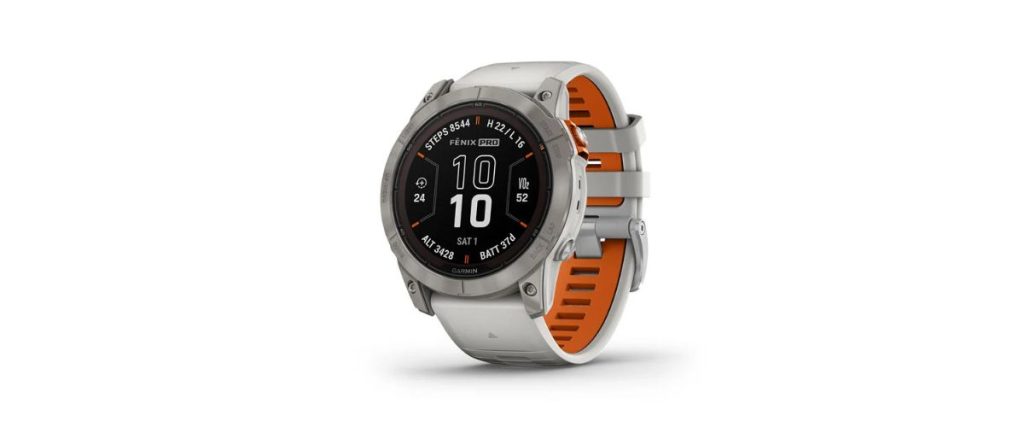
Garmin Fenix 8 Pro Sapphire Solar – $1,099.99

Garmin Fenix 8 Pro Sapphire Solar

If you want the best, this is it. The Fenix 8 Pro Sapphire Solar is a full blown adventure companion, not just a fitness tracker.

It packs a 51mm AMOLED screen under a sapphire crystal, backed by solar charging that extends battery life to a ridiculous 48 days.

You get multiband GPS, topo maps, HRV tracking, dive support, and even a built-in flashlight. The titanium bezel keeps it rugged but wearable, and the mic/speaker combo lets you take calls or use voice assistants. It’s expensive, but it delivers.

Whether you’re summiting mountains, logging miles, or diving deep, this one doesn’t flinch. It’s Garmin’s answer to “I want it all” and it nails it.

If you train outdoors in extreme conditions or just want a device that can truly do it all, the Fenix 8 Pro is the one to beat. It’s not just a watch, it’s your personal mission control.

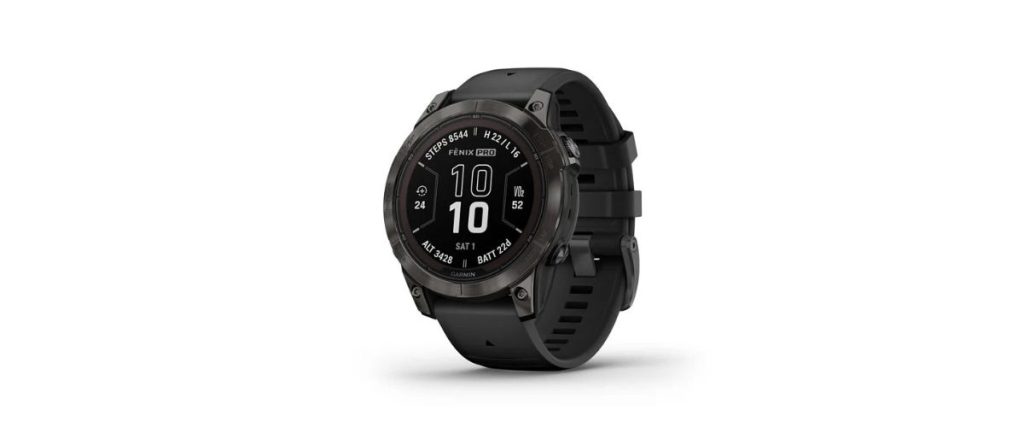
Garmin Fenix 8 (47mm AMOLED) – $999.99

Garmin Fenix 8 (47mm AMOLED)

The Fenix 8 balances performance and practicality in a form that fits most wrists. You get the same vibrant AMOLED display as the Pro, minus solar charging and the flashlight.

With a 47mm case, it’s noticeably more wearable for everyday use, while still packing serious outdoor punch. It comes with topo maps, dive tracking, HRV status, training readiness, and multiband GPS.

Battery life clocks in at about 16 days in smartwatch mode, making it ideal for daily wear or weekend adventures.

You still get a mic and speaker for phone calls and voice control, and the titanium bezel keeps it light but tough.

Whether you’re a trail runner, traveler, or data obsessed gearhead, the Fenix 8 provides the tools you need without the bulk of its bigger sibling.

It’s refined, rugged, and ready for anything basically, your all-terrain assistant that can hang in the wild and the office.

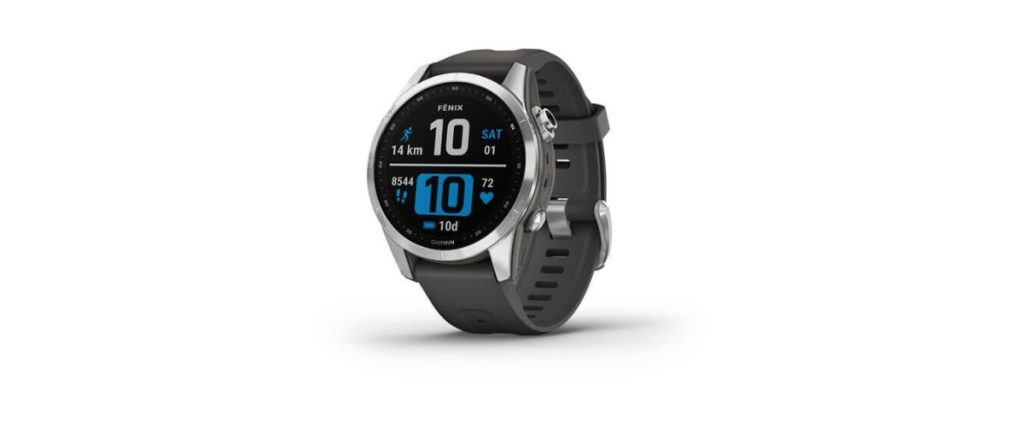
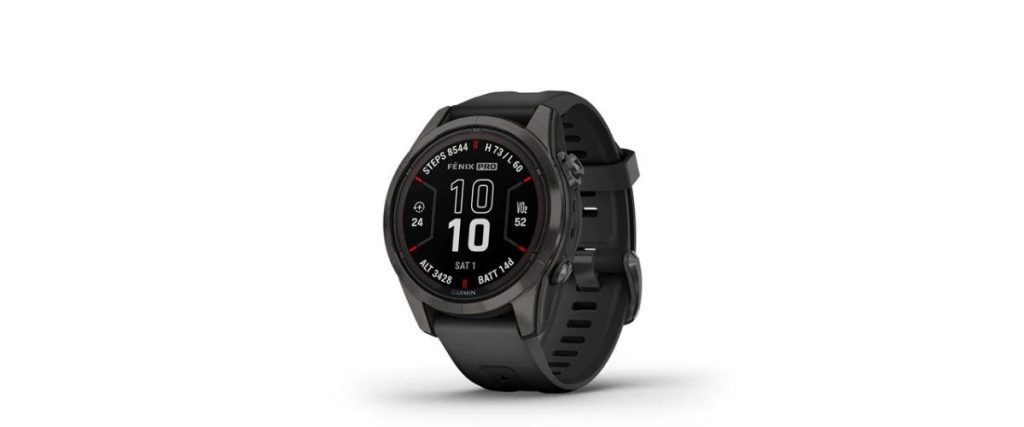
Garmin Fenix 8S (43mm AMOLED) – $999.99

If smaller watches are your thing but you still want top tier features, the Fenix 8S brings serious heat in a compact package.

At 43mm, it’s built for smaller wrists or anyone who wants flagship performance without the oversized feel. It features the same AMOLED display, dive tracking, multiband GPS, and full color topo maps as the larger models.

You still get training readiness, HRV status, and Garmin’s advanced recovery tools just in a sleeker form. Battery life lands around 10 days, which is great for such a feature rich design.

It’s not just a downsized Fenix, it’s a full power multisport tool made more wearable. If you’re logging runs, climbing peaks, or tracking your every move, the 8S keeps up.

It’s ideal for active users who don’t want to sacrifice comfort for capability. In short: all the tech, none of the bulk. Rugged meets refined in the most comfortable way possible.

Garmin Fenix 7X Pro Solar – $899.99

Garmin Fenix 7X Pro Solar

When it comes to rugged, solar-powered wearables, the Fenix 7X Pro Solar doesn’t flinch. This thing is built like a tank with a massive 51mm case and an always-on MIP display that sips battery giving you up to 37 days of life with solar assist.

Sure, it lacks AMOLED flash, but it shines in endurance and visibility, especially outdoors. You get a built in flashlight, topo maps, multiband GPS, HRV status, and full Garmin training insights.

The mic and speaker combo is here too, making it surprisingly smart for such a beast. It’s great for ultrarunners, thru hikers, and anyone who prioritizes battery life and durability over visual flair.

The Fenix 7X Pro is not subtle, but it’s effectively designed to perform when conditions get rough. If your weekends are less about lounging and more about mileage, this is the watch that can actually keep up. No frills, just power.

Garmin Fenix 7 Sapphire Solar – $899.99

Garmin Fenix 7 Sapphire Solar

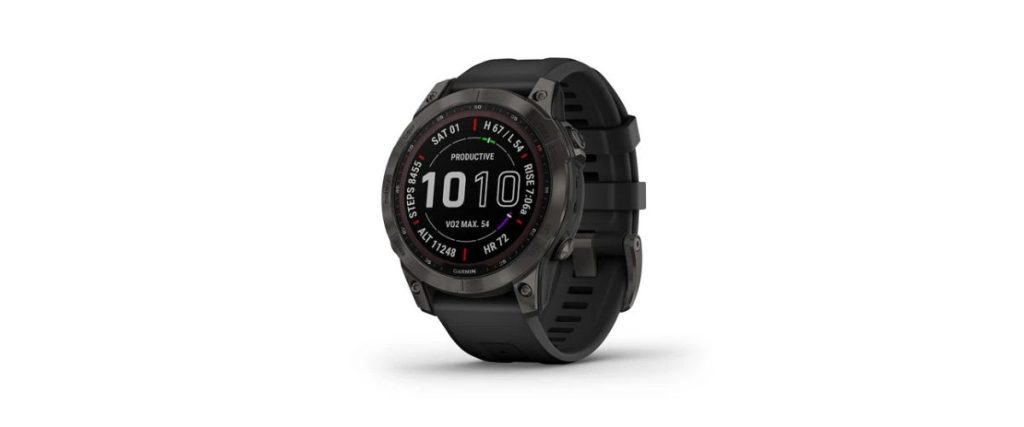
The Fenix 7 Sapphire Solar is the kind of watch that earns respect with its quiet capability. It doesn’t have the AMOLED screen or flashlight from the 8 series, but it’s still incredibly feature rich.

You get solar charging, a scratch resistant sapphire lens, multiband GPS, advanced heart rate monitoring, VO2 Max, and Garmin’s full fitness and recovery suite.

The 47mm case keeps it wearable, and battery life pushes 22 days with solar assist. While it may not feel as flashy as newer models, it’s just as dependable as that worn in pair of boots that somehow never lets you down.

For adventurers, cyclists, and triathletes who want serious performance and navigation tools without maxing out their budget, this one’s hard to beat.

The Fenix 7 Sapphire Solar proves that high end performance doesn’t need to scream for attention. It just works, and works well, wherever you take it.

Garmin Fenix 6 Pro – $649.99

Garmin Fenix 6 Pro

Even a generation behind, the Fenix 6 Pro is still punching above its weight. It delivers full mapping, music support, Garmin Coach, VO2 Max tracking, and up to 14 days of battery.

The 47mm case keeps it wearable, and the MIP display is easy on battery while offering solid outdoor visibility. You won’t get AMOLED or solar charging, but you still get multiband GPS, training load, and recovery insights.

It’s built like a tank and just as reliable, perfect for those who want serious outdoor tools without jumping into four-figure prices.

If you’re training hard, hiking far, or just want more out of your fitness watch, this is a solid value pick. The Fenix 6 Pro isn’t flashy, but it’s functional and in the world of adventure gear, that’s what matters. Consider it the gateway to Garmin’s elite tools, without the elite price tag.

Best Garmin Forerunner Watches 

If training is your religion, the Forerunner series is your daily ritual. These watches are lighter, faster, and laser focused on performance data that helps you hit your goals.

Whether you’re just getting off the couch or stacking 80-mile weeks, there’s a Forerunner designed to guide you. You get accurate GPS, HRV status, race tools, sleep insights, and Garmin Coach in nearly every model with options to upgrade to solar charging, music storage, or even full-color maps.

They’re also among the most comfortable watches Garmin makes, often weighing less than 55 grams. No clunky bezels. No flashy frills. Just pure training horsepower.

The 2025 lineup brings sleek designs with punchy AMOLED screens and smarter recovery tools, all while keeping prices approachable.

Here are six of the best Forerunners on the market this year, each one optimized for runners, cyclists, and triathletes who want performance without bulk.

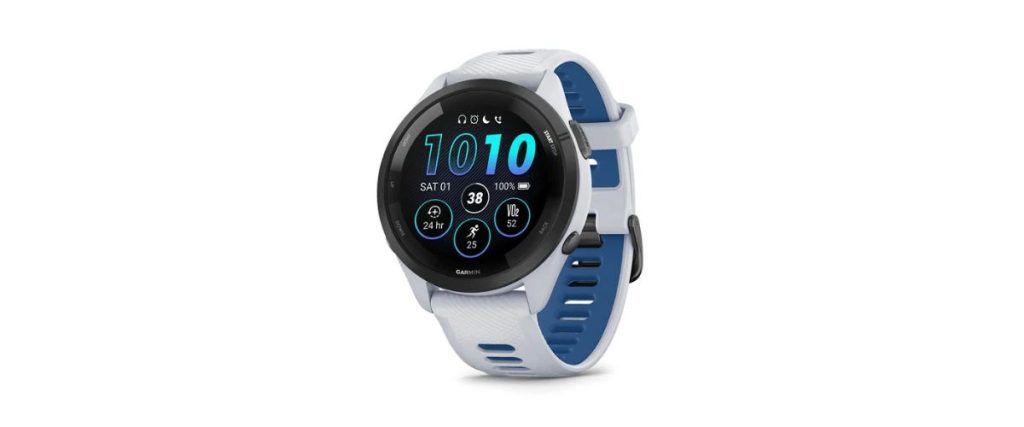
Garmin Forerunner 965 – $599.99

The Forerunner 965 is Garmin’s most advanced training watch and it wears that badge proudly. Its bright AMOLED display brings your data to life, and the 23-day battery keeps up with long training blocks.

It comes with every training tool you’d expect: HRV status, training readiness, native running power, race widgets, and full color maps. At just 53g, it’s shockingly light for how much it does.

Garmin Coach plans are built in, and it pairs with chest straps and cycling sensors for added precision. It’s also got a mic and speaker for Bluetooth calls and voice assistant.

If you’re serious about tracking every run, race, and recovery window, this is the Forerunner to get. Whether you’re training for your first marathon or chasing podiums, the 965 feels like your coach, navigator, and performance dashboard all rolled into one. This is peak Forerunner light, powerful, and race day ready.

Garmin Forerunner 955 Solar – $599.99

Garmin Forerunner 955 Solar

The Forerunner 955 Solar is built for runners who rack up serious mileage and need a watch that lasts. It ditches AMOLED for a power efficient MIP display, and with solar assist, you’re looking at up to 20 days of battery life.

It includes multiband GPS, full color mapping, native running power, training readiness, and Garmin Coach support.

It doesn’t have the premium display, but it covers every performance and recovery metric that matters. You’ll also get race predictions, HRV status, and compatibility with external sensors for cycling or heart rate.

It’s light enough for all-day wear and rugged enough for the trails. If you’re the kind of athlete who wakes up early, runs long, and doesn’t want to charge your watch every few days, the 955 Solar gets it done. It’s not flashy, it’s functional, reliable, and ready for race day. Think of it as the ultra-runner’s best friend.

Garmin Forerunner 265 – $449.99

Garmin Forerunner 265

The Forerunner 265 is your entry into high performance training without the flagship price. It sports a bold AMOLED display, 13 day battery, and all the tools you need to crush your next PR.

You’ll get Garmin Coach, training readiness, recovery time, VO2 Max, sleep insights, and multi-band GPS in a lightweight package. It doesn’t include maps or solar, but it hits the core metrics most runners care about.

The interface is fast and intuitive, and the watch fits comfortably for all-day wear. Whether you’re running 5Ks or just keeping tabs on your daily training load, the 265 delivers clarity and performance.

It feels premium without being overbuilt, and it doesn’t drown you in features you won’t use. If you want a focused, no nonsense running companion with just the right amount of tech, this is a top contender in Garmin’s mid-tier lineup. Serious tracking.

Garmin Forerunner 255 Music – $399.99

Garmin Forerunner 255 Music

Running with music should be simple and that’s exactly what the Forerunner 255 Music delivers. You can store up to 500 songs on the device and connect Bluetooth headphones, giving you phone free audio for your workouts.

It also includes multi-band GPS, HR tracking, VO2 Max, Garmin Coach, and 14 days of battery life. You won’t get AMOLED or topo maps here, but the MIP display is clear and sips power, making it ideal for runners who just want the essentials.

It’s comfortable, lightweight, and smart enough for structured workouts, daily stats, and recovery tracking. If you’re training casually or just want a solid fitness companion with built-in tunes, the 255 Music is the sweet spot.

It proves you don’t have to pay top dollar to get great Garmin performance. For runners who want simplicity, functionality, and music, it hits the perfect stride.

Garmin Forerunner 245 – $299.99

Garmin Forerunner 245

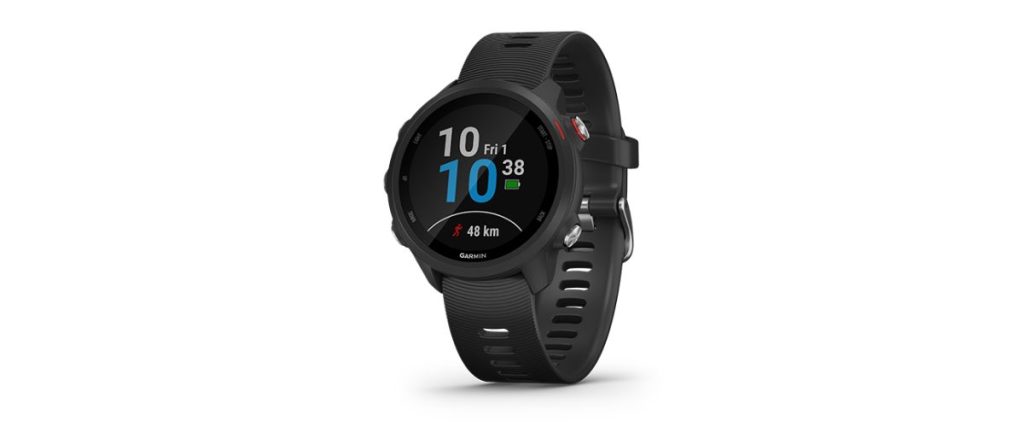
Don’t let its age fool you, the Forerunner 245 still runs with the best of them. It offers accurate GPS, VO2 Max, heart rate tracking, and compatibility with Garmin Coach for guided plans.

You’ll get about 7 days of battery life, and the slim profile makes it an easy all-day wear. It lacks some premium tools like Training Readiness or AMOLED, but for casual and intermediate runners, it delivers excellent tracking and insights.

The MIP display is easy to read and energy efficient. Whether you’re aiming to build endurance or prepare for a race, the 245 is a reliable, budget friendly option.

It’s also durable and compatible with chest straps for more accurate HR data. Think of it as the every runner’s watch, affordable, simple, and still surprisingly capable. If you want a no-drama Garmin that covers the essentials, the 245 still earns its spot in 2025.

Garmin Forerunner 165 – $249.99

Garmin Forerunner 165

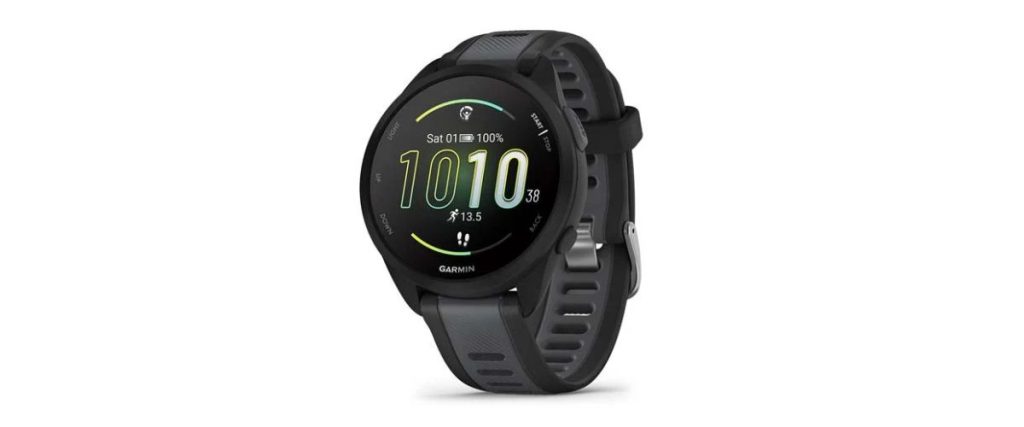
Garmin’s newest budget-friendly pick brings some surprising features to the entry level tier. The Forerunner 165 includes a crisp AMOLED screen, 11 day battery life, GPS, heart rate tracking, sleep insights, and Body Battery monitoring.

It doesn’t have music support or multiband GPS, but it nails the basics with clarity and style. It’s ideal for new runners, walkers, or anyone upgrading from a fitness band.

The UI is clean and beginner friendly, and the lightweight build makes it easy to wear 24/7. You still get advanced wellness insights and stress tracking, so it feels smarter than the price tag suggests.

If you’re not chasing marathon PRs but want something that keeps you moving and motivated, the 165 is a great first Garmin. It proves that performance and price can coexist and it’s a much better training partner than your phone alone.

(H2) Conclusion

Garmin’s Fenix and Forerunner lines serve different types of athletes, but both deliver elite performance. Fenix watches lean into rugged durability, solar endurance, and outdoor navigation.

Forerunners prioritize training efficiency, recovery tools, and lightweight design. Want max durability off the grid? Go Fenix. Training for a PR? Forerunner’s your coach. Either way, Garmin has you

Garmin doesn’t just make watches, it builds rugged wrist machines. If you’re torn between the Fenix 7 and the Fenix 7 Pro, you’re not alone.

These aren’t just timepieces, they’re training tools, backcountry guides, and daily motivators wrapped in bulletproof cases.

The Fenix 7 series gives you plenty of choice at a lower price, while the 7 Pro line packs serious punch with upgraded sensors, solar charging, and even flashlights.

Both series offer full GPS, topo maps, HRV tracking, and beast mode battery life. So what’s the difference? That’s where we come in.

We’ve broken down 15 total models eight from the Fenix 7 lineup and seven from the 7 Pro family to help you find the perfect fit.

Whether you’re a trail running junkie or just want the toughest smartwatch around, this guide puts the two side-by-side so you can make a confident call. Let’s dive in.

How to Choose Between the Fenix 7 and Fenix 7 Pro

Not sure which Garmin Fenix is right for you? Start with how you train. The standard Fenix 7 series offers more entry points and wallet friendly options ideal for casual runners, hikers, or anyone dipping their toes into outdoor tracking.

You’ll still get Garmin’s full GPS suite, health tracking, and serious battery life without overloading your wrist.

The Fenix 7 Pro series? It’s all in. Every model has solar charging, multiband GPS, HRV status, and a built-in flashlight.

They also rock Garmin’s newest heart rate sensor and a sharper display for better readability. There’s no “lite” version here, just full-featured wearables ready for any challenge.

So if you want a budget friendly entry into the ecosystem, go Fenix 7. If you’re after cutting-edge tech and don’t mind the premium, the Pro line delivers in spades. The following models show you exactly what each tier brings to your wrist.

Best Garmin Fenix 7 Models (2025)

Fenix 7S Standard Edition – $699.99

Fenix 7S Standard Edition

The gateway drug to Garmin’s Fenix addiction. This 42mm compact warrior proves you don’t need solar charging when you’ve got outlets like a civilized human.

Sure, the screen won’t survive a knife fight, but when was the last time you actually went camping? It tracks your steps, heart rate, and the exact moment your workout motivation dies (usually around Tuesday).

The battery lasts 11 days or 11 hours if you actually use all the features. Perfect for people who buy hiking boots but mostly wear them to brunch.

The GPS works shockingly well for finding the nearest craft beer joint, and at this price, you can’t complain. Just don’t expect it to survive your next “extreme” adventure in the backyard.

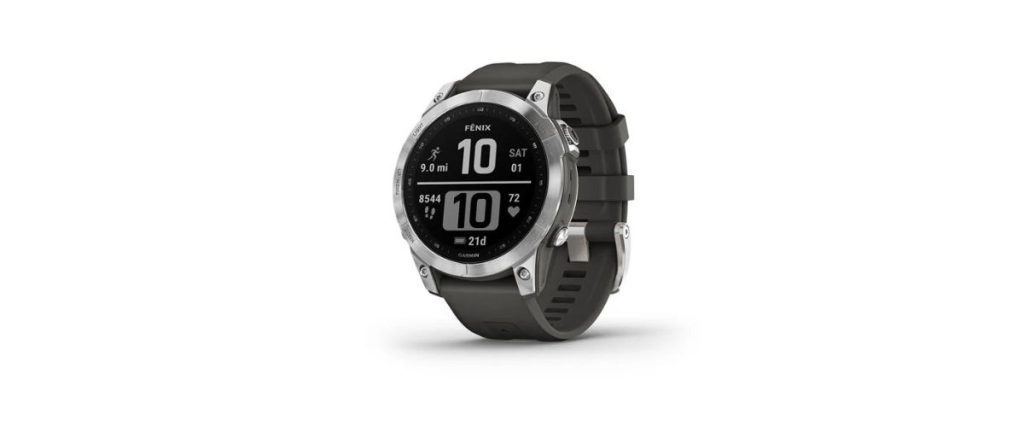
Fenix 7 Standard Edition – $699.99

Fenix 7 Standard Edition

Garmin’s “just right” Goldilocks model – not too big, not too small, not too expensive. The 47mm face gives you better visibility without feeling like you’ve strapped a hockey puck to your wrist.

No fancy solar charging here, but let’s be real you weren’t going outside enough to make that worthwhile anyway. The MIP display looks straight out of 2012, but it works when sweaty, which is more than we can say for your smartphone.

Eighteen days of battery means you’ll lose the charger before the watch dies. Perfect for runners who want serious tracking without the “I own a $1,000 watch” target on their back. It won’t impress your gearhead friends, but it will survive your half-hearted attempts at becoming an athlete.

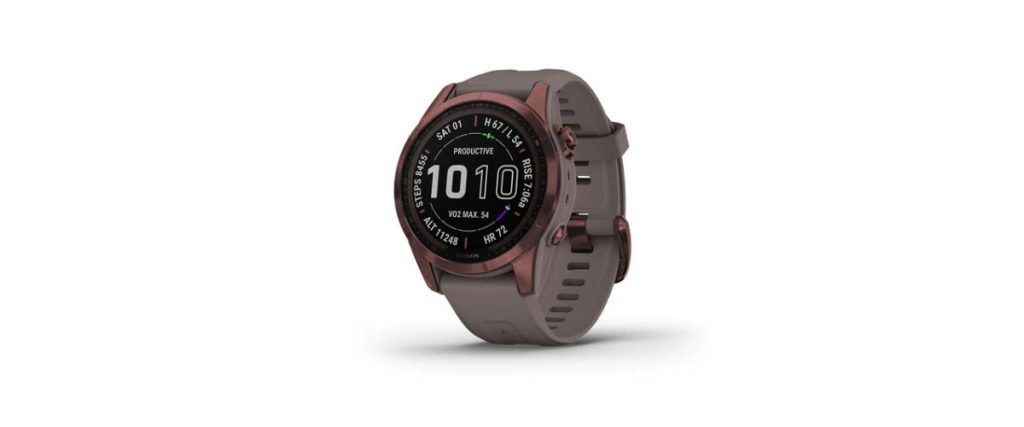
Fenix 7S Solar Edition – $799.99

Fenix 7S Solar Edition

Pay $100 extra for the privilege of… three extra days of battery life? That’s the solar promise on this 42mm compact. The Power Glass sounds impressive until you realize you work in an office and see sunlight approximately twice a week.

Still, it’s a solid package for petite wrists that want to look outdoorsy. The GPS tracks your location with unsettling accuracy, especially when you’re “working from home” at the beach.

Fourteen days of battery is plenty for your weekend warrior adventures, and the size means it won’t snag on your Patagonia vest.

Just don’t expect it to survive an actual mountain, the regular glass scratches if you look at it wrong. Best for people who want solar bragging rights without the 7X’s ridiculous bulk.

Fenix 7 Solar Edition – $799.99

The sweet spot for people who actually go outside sometimes. At 47mm, it’s big enough to read easily but won’t weigh down your wrist like a boat anchor.

Solar charging gives you 22 days of battery or as we call it, “three weekends of pretending to be outdoorsy.” The multiband GPS tracks your mid-life crisis hikes with depressing accuracy, and the training metrics will happily shame your sleep schedule.

No flashlight means you’ll need to use your phone like some kind of animal when camping. Perfect for people who want serious features without paying the titanium tax.

Just remember solar only works if you actually go outside, which we both know is questionable after January.

Fenix 7X Solar Edition – $899.99

The “compensating for something” model. At 51mm, this beast makes a statement specifically, “I own too much REI gear.”

The built-in flashlight is brighter than your future, and solar charging gives you 28 days of battery (or 28 minutes with all features on).

It’s like wearing a small computer on your wrist because that’s exactly what it is. Perfect for thru hikers, ultra runners, and people who unironically use the word “expedition.”

The size means it won’t fit under most sleeves, but let’s be honest you want people to see this flex. Just be prepared for the weight; after a full day, your left arm will be noticeably more jacked than your right. Wilderness survival is not guaranteed despite the price tag.

Fenix 7S Sapphire Solar Edition – $899.99

Proof that good things come in small packages. This 42mm titanium clad beast laughs at rocks, trees, and your weak grip strength.

The sapphire glass could probably survive a nuclear blast, which is good because you’ll need it after spending this much on a watch.

Solar charging adds negligible battery life unless you’re a desert nomad, but hey it looks cool. Fourteen days of power is plenty for your “extreme” commute to the coffee shop.

All the mapping and metrics you’ll never fully use, in a package that won’t overwhelm your dainty wrists. Perfect for minimalist adventurers who still want to flex on their hiking group.

Just don’t expect anyone to notice it’s the expensive version, they’ll just see a “small watch” and judge accordingly.

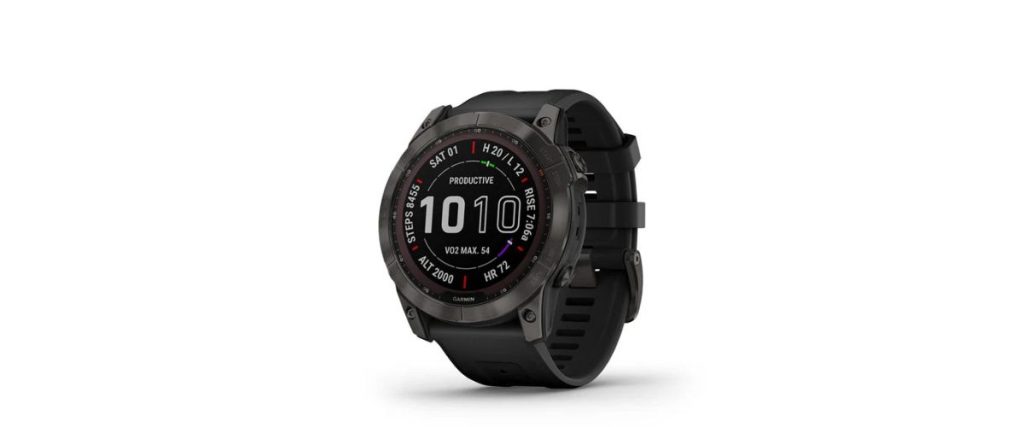
Fenix 7 Sapphire Solar Edition – $899.99

Fenix 7 Sapphire Solar Edition

The “I’ve got nothing to prove” watch. All the 7 Solar’s features, now with a sapphire shield that could probably stop a bullet.

The 47mm size hits the sweet spot between readability and wearability, and the titanium bezel adds bling without screaming “I overpaid.”

Twenty two days of battery means you can forget to charge it for most of a month perfect for busy professionals who are definitely going to start training next week.

All the maps and metrics you’ll glance at once then ignore forever. The solar charging works if you actually go outside, which, let’s be honest, is questionable.

Best for athletes who want premium materials without looking like they’re trying too hard. It won’t make you faster, but it will make your Strava followers jealous.

Fenix 7X Sapphire Solar Edition – $999.99

Fenix 7X Sapphire Solar Edition

The Terminator of watches. At 51mm with sapphire armor, this beast eats mountains for breakfast. Thirty seven days of battery life means you could probably hike the PCT without charging (if you had the willpower).

The flashlight is brighter than your career prospects, and the titanium build means it’ll outlive your relationships. Perfect for elite adventurers, doomsday preppers, and people who need to compensate for something.

It’s massive, it’s expensive, and it makes zero sense for 99% of people but damn if it isn’t cool. Just be prepared for the weight; wearing this is like having a small pet permanently attached to your wrist. Wilderness survival skills sold separately.

Best Garmin Fenix 7 Pro Models (2025)

Fenix 7S Pro Solar – $799.99

The “Pro” mostly means you paid more. This 42mm compact packs the new Elevate V5 sensor that’s… 5% more accurate than the old one.

The flashlight is cute but mostly useful for finding dropped snacks. Fourteen days of battery is plenty for your urban adventures, and the size means it won’t snag on your artisanal sweater.

Perfect for people who want to say they have a Pro model without the wrist strain of the bigger versions. Just don’t expect miracles, it’s still a tiny watch with tiny watch limitations. The solar charging works if you’re outside more than your houseplants, which, let’s be real, isn’t saying much.

Fenix 7S Pro Sapphire Solar – $899.99

Fenix 7S Pro Sapphire Solar

All the Pro features crammed into a 42mm sapphire-clad package. The titanium bezel makes it look expensive because it is, while the solar charging adds… Well, not much unless you’re a desert nomad.

The flashlight is brighter than your last relationship, and the new heart rate sensor might actually notice when you’re stressed about your credit card bill.

Perfect for petite athletes with money to burn and something to prove. It’s durable enough to survive your bad decisions, and small enough that people might not immediately know you spent this much on a watch.

Just remember no amount of tech can actually make you faster up those hills, no matter what the marketing says.

Fenix 7 Pro Solar – $899.99

The sensible person’s Pro model. At 47mm, it’s big enough to be useful but won’t require wrist exercises to wear. The new V5 sensor actually makes a difference if you care about heart rate variability (you don’t), and the flashlight is handy for midnight snack raids.

Eighteen days of solar-powered battery is plenty for actual athletes and pretend athletes alike. Perfect for people who want cutting-edge tech without looking like they’re wearing a satellite dish.

The display is crisp enough to read while running, which is good because you’ll need distractions from how much running sucks. Just don’t expect it to make you faster that still requires actual effort, unfortunately.

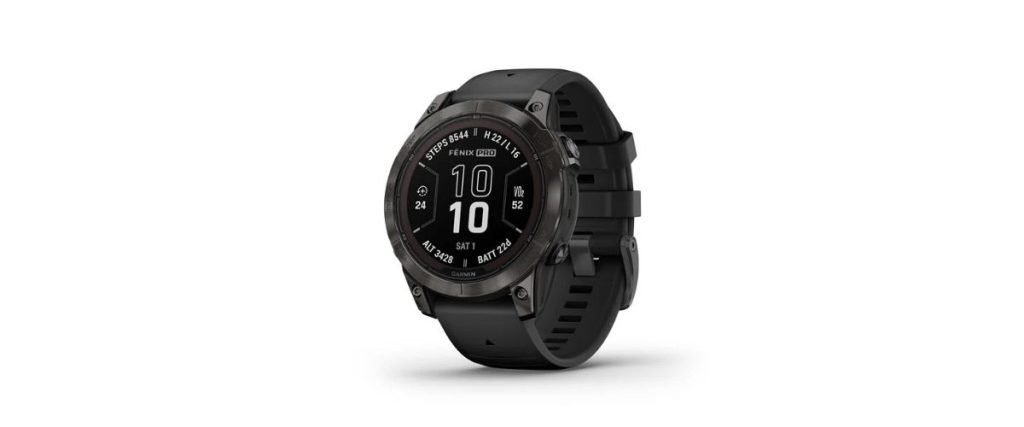
Fenix 7 Pro Sapphire Solar – $999.99

Fenix 7 Pro Sapphire Solar

The “I want the best but I’m not insane” option. Titanium construction means it’s light despite looking expensive, and the sapphire glass laughs at keys, rocks, and your general clumsiness.

Twenty two days of battery is enough for most mortals, and the solar charging might add a day if you actually go outside.

The new sensors provide data you’ll obsess over for a week then ignore forever. Perfect for serious athletes who still have some financial sense left.

It won’t make you faster, but it will make your Strava followers think you’re faster, which is basically the same thing. Just be prepared for the “you spent how much?!” comments from non-watch people.

Fenix 7X Pro Solar – $999.99

Big. Bold. Unapologetically extra. The 51mm 7X Pro Solar is for people who mean business or at least want to look like they do.

Twenty eight days of battery means you could forget to charge it for most of a month (you won’t). The flashlight is brighter than your future, and the solar charging works if you’re outside more than a vampire.

Perfect for expedition leaders, overprepared backpackers, and people who need to compensate for… something. It’s massive, it’s expensive, and it makes no sense for 90% of people but damn if it doesn’t feel cool to wear.

Just be warned after a full day, your left arm will be noticeably more swole than your right. Wilderness survival skills not included.

Fenix 7X Pro Sapphire Solar – $1,099.99

Fenix 7X Pro Sapphire Solar

The undisputed king of overkill. This 51mm titanium beast is what happens when Garmin stops caring about practicality. Thirty seven days of battery life? Check.

Sapphire glass that could survive a nuclear blast? Check. Flashlight brighter than your career prospects? Double check. Perfect for elite athletes, military personnel, and people with more money than sense.

It’s massive, it’s expensive, and it will make all your hiking buddies jealous (or concerned).The ultimate flex for people who want the absolute best, consequences be damned.

Just don’t expect normal humans to understand why you need this they won’t. But you’ll know, and that’s what matters.

Fenix 7 Pro Sapphire Solar (Smaller Variant) – $999.99

Functionally identical to its bigger brother, just with slightly different styling to justify the price. Same titanium build, same sapphire glass, same 22 day battery life.

The main difference? This one comes in colors that match your Patagonia vest collection. Perfect for people who want all the Pro features but need to pretend they’re being subtle about it.

The flashlight still works for midnight snack raids, and the solar charging still requires actual sunlight (good luck with that).

It won’t make you faster or stronger, but it will make your gearhead friends nod approvingly. Just don’t expect anyone else to notice the difference to normies, it’s just another expensive watch.

Conclusion

Fenix 7 vs 7 Pro isn’t about right or wrong, it’s about what fits your goals. The Fenix 7 line offers more price points and simplicity. The 7 Pro series brings every bell, whistle, and flashlight Garmin could cram in.

Whether you’re tracking daily steps or crossing glaciers, one of these can handle your mission. Just remember no watch can actually make you an athlete. That part’s still on you. But hey, at least you’ll look good failing.

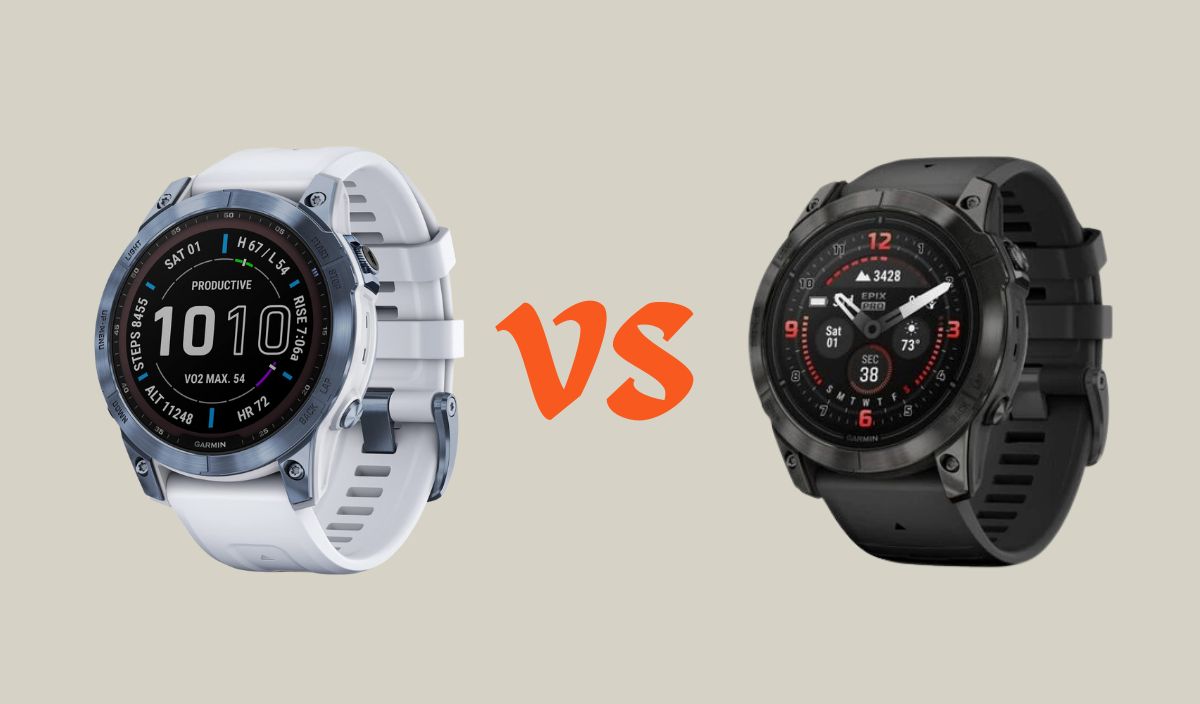
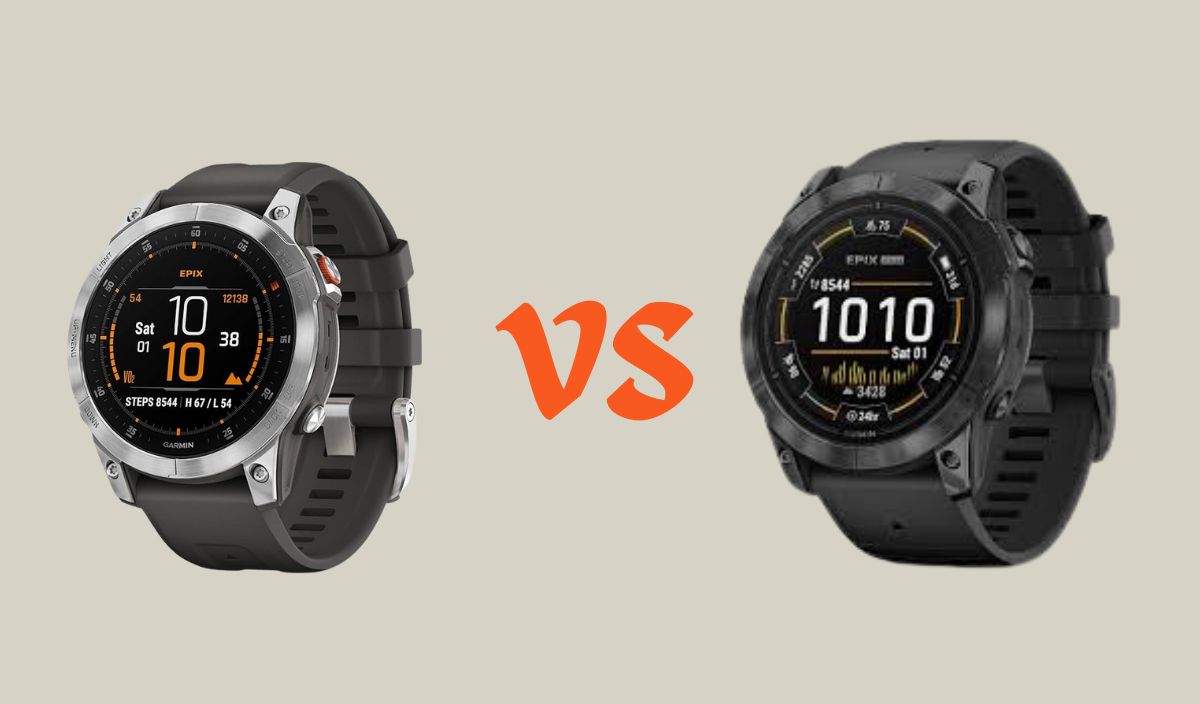
garmin epix vs epix pro

When Garmin dropped the Epix line, it was clear they were aiming at athletes and adventurers who wanted AMOLED style with full outdoor muscle.

The original Epix feels like a strong hybrid where you get Garmin’s deep training tools and maps in a sleeker shell.

Then came the Epix Pro, and Garmin turned up the heat: more sizes, brighter displays, flashlight functionality, and the new Elevate V5 heart rate sensor.

Suddenly, the choice isn’t just “do I want an Epix?” It’s “which Epix fits my lifestyle best?” That’s where things get tricky.

Both watches look sharp, but under the hood the Pro series is stacked with upgrades you’ll actually notice when you’re grinding through miles or heading deep into the backcountry. This guide breaks down the top models in both families so you know which one belongs on your wrist in 2025.

How to Choose Between Garmin Epix and Epix Pro

At first glance, the Epix and Epix Pro look similar. Both pack Garmin’s signature AMOLED display, full mapping, and all the training tools you could ever want. But the Pro series is built to refine the formula.

The biggest shift is choice: Epix comes in one size, while the Epix Pro comes in three 42mm, 47mm, and 51mm. That means a better fit for every wrist type.

Add in the built-in flashlight across all Pro models, and suddenly you’ve got safety and utility baked right into the watch. Battery life also gets a boost in the Pro lineup, especially with solar options.

So how do you choose? If you’re okay with fewer options and want something sleeker at a slightly lower price, the standard Epix works. If you want the most versatile, feature-complete AMOLED Garmin ever made, the Epix Pro is where it’s at.

Best Garmin Epix Models (2025)

Garmin Epix (Gen 2 Standard Edition) – $899.99

Garmin Epix (Gen 2 Standard Edition)

The original Epix (Gen 2 Standard) is where Garmin first blended outdoor grit with AMOLED shine. At 47mm, it’s big enough for serious athletes but still works as a daily driver.

You get full-color maps, multisport tracking, and health features like heart rate, stress, and sleep monitoring. Battery life runs up to 16 days in smartwatch mode, which is solid for an AMOLED display.

The Standard skips sapphire glass and solar charging, but the Gorilla Glass lens holds up fine under normal wear. It’s the best entry point into the Epix world, especially if you want something more affordable without giving up Garmin’s deep ecosystem.

For everyday runners, gym-goers, or hikers who don’t need flagship armor, the Standard gets it done. Stylish enough for work, rugged enough for play, this model still stands tall in 2025 as a smart balance of price and power.

Garmin Epix (Gen 2 Sapphire Edition) – $999.99

The Epix Gen 2 Sapphire Edition takes everything the Standard offers and cranks up durability. With a Power Sapphire lens and titanium bezel, this model is built to handle punishment without looking bulky.

The AMOLED display is crystal clear, and maps pop beautifully on-screen. Battery life matches the Standard around 16 days but you’ll feel the difference in toughness and finish.

It’s perfect for users who love the outdoors but want a premium build that can handle scrapes and scratches. You also get full training readiness tools, HRV tracking, and Garmin Pay for daily convenience.

At $999.99, it’s not cheap, but the Sapphire upgrade is worth it if you’re hard on your gear. Think of it as the everyday luxury adventure watch strong enough for ultramarathons, sleek enough for the office. This is where Garmin started proving AMOLED belongs in serious sports watches.

Epix Sapphire Edition (White Titanium) — $999.99

If you want epix elegance without babying your wrist, the White Titanium Sapphire is the flex. You get the same crisp 1.3 inch AMOLED display and 47mm case, but the lens upgrades to sapphire for scratch resistance and the bezel swaps to lightweight titanium.

That combo keeps weight low and durability high, so long runs, gym sessions, and travel feel equally at home. Under the hood it’s classic epix: multiband GPS for clean tracks in messy cities or dense trails, full-color maps with turn by turn, and training tools like Training Readiness, HRV status, and stamina.

Music storage, Garmin Pay, safety alerts, and robust battery life make it an everyday driver that still swings big outdoors. If you want premium materials, bright visuals, and Garmin’s full brain without the bulk of a 51mm case, this is the classy pick that still plays rough, truly everywhere.

Best Garmin Epix Pro Models (2025)

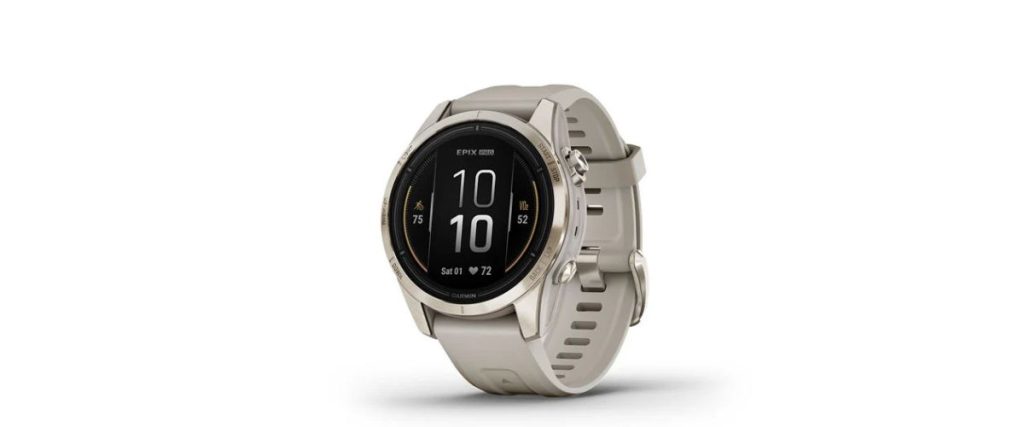
Garmin Epix Pro 42mm Sapphire – $999.99

Garmin Epix Pro 42mm Sapphire

Compact and powerful, the 42mm Epix Pro Sapphire is designed for smaller wrists but doesn’t hold back on features. You get the AMOLED display, full mapping, HRV status, and Garmin’s full training suite all packed into a lightweight titanium build with Power Sapphire glass.

The big win here is size: not everyone wants a giant 47mm or 51mm watch. Battery life still hits an impressive 10 days in smartwatch mode, which is plenty for most users.

The flashlight adds real-world utility, whether you’re out on a late run or fumbling with gear in the dark. It’s a rare blend of premium durability and sleek wearability.

For those who always felt left out of Garmin’s bigger builds, this Pro makes the entire ecosystem accessible without compromises.

Stylish, tough, and loaded with features the 42mm Epix Pro Sapphire proves that smaller can still mean serious.

Garmin Epix Pro 47mm Solar – $999.99

Garmin Epix Pro 47mm Solar

The 47mm Epix Pro Solar is the workhorse of the lineup. This is the size Garmin built its ecosystem around, and it shows. With Power Glass solar charging, the battery stretches up to 16 days, giving you extra life when you spend more time outdoors.

The AMOLED screen is brilliant in any light, and the maps look better than ever. Add in the flashlight, HRV tracking, and Garmin’s full suite of training features, and you’ve got a watch that balances everything perfectly.

It’s not as premium as the Sapphire models, but it still holds up under tough conditions thanks to the rugged build. For most athletes, this is the sweet spot: not too big, not too small, and loaded with performance.

Whether you’re logging miles, lifting heavy, or planning backcountry trips, the 47mm Epix Pro Solar has the endurance and brains to match your grind.

Garmin Epix Pro 47mm Sapphire – $1,099.99

If you want durability and premium feel in the ideal size, the 47mm Epix Pro Sapphire is the go to. Power Sapphire glass and a titanium bezel make it nearly indestructible, while the AMOLED screen gives you sharp, bright visuals for maps and stats.

The flashlight, upgraded heart rate sensor, and Garmin’s deep training ecosystem are all included. Battery life stretches up to 16 days, and the watch feels balanced on most wrists.

At $1,099.99, you’re paying for the peace of mind that this thing won’t scratch or break easily. It’s for serious athletes who want both form and function.

Whether you’re grinding out a marathon training block or climbing peaks, the Sapphire version is your insurance policy against hard knocks.

This model proves you don’t have to compromise between looks and performance. It’s rugged luxury that earns its price tag.

Garmin Epix Pro 51mm Solar – $1,099.99

Garmin Epix Pro 51mm Solar

Big, bold, and built for the long haul that’s the 51mm Epix Pro Solar. This is the oversized option for those who want maximum battery and visibility.

Solar charging with Power Glass pushes the battery up to 31 days, a ridiculous figure for an AMOLED device. The extra screen real estate makes maps and metrics easier to read, and the flashlight adds serious functionality for night runs or campsite duties.

At this size, it’s not subtle but that’s the point. It’s a watch for ultra athletes, mountaineers, or anyone who wants gear that screams utility. Despite its bulk, it’s surprisingly comfortable with the right strap.

If you’re chasing extreme endurance or spend weeks off grid, this one has your back. The 51mm Epix Pro Solar doesn’t just keep up, it leads the charge, literally. A monster watch for monster goals.

Garmin Epix Pro 51mm Sapphire – $1,199.99

Garmin Epix Pro 51mm Sapphire

The 51mm Epix Pro Sapphire takes Garmin’s biggest AMOLED powerhouse and adds luxury-grade durability. With Power Sapphire glass and a titanium bezel, it shrugs off scratches and abuse while delivering premium style.

The AMOLED display is massive, maps look stunning, and stats are easy to glance at mid-workout. Battery life stretches to 31 days with solar assist, so this isn’t just a daily driver it’s an expedition tool.

You also get the flashlight, Elevate V5 sensor, and full Garmin training suite. At $1,199.99, it’s expensive, but for serious adventurers, it’s worth it.

This is Garmin saying “yes, you can have it all.” Whether you’re navigating alpine trails, tackling triathlon training, or managing both in the same month, this model won’t flinch.

Big, tough, and unapologetically premium, the 51mm Sapphire Pro is the final word on AMOLED adventure watches.

Garmin Epix Pro (Special Edition Variants) – $1,099.99+

Garmin also offers Epix Pro variants that mix things up with cosmetic tweaks, strap materials, or limited-edition finishes. Underneath, they carry the same core loadout: AMOLED display, flashlight, solar or sapphire protection, and Garmin’s elite training features.

These editions are aimed at users who want something different, maybe a softer silicone strap, a unique case color, or region specific releases.

The specs don’t change, but the look does, and that can make all the difference if you wear the watch every day. Pricing usually starts around $1,099.99 and can climb depending on finish.

They’re not essential, but they show how Garmin is leaning into lifestyle appeal without losing its hardcore edge.

If you like the idea of a watch that feels a little less common, the Special Editions are worth hunting down. Function meets style without compromise, making them collector worthy pieces.

Epix Pro 47mm Standard Edition —  $899.99

Epix Pro 47mm Standard Edition

The Goldilocks size of the epix Pro family nails balance: big enough for a roomy 1.3 inch AMOLED, small enough to disappear under a jacket.

You get the Pro upgrades that matter built-in flashlight with strobe modes, the Elevate V5 heart-rate sensor, hill score, endurance score, and multiband GPS for better tracks in canyons and city cores.

Battery life is strong for an AMOLED watch, and the stainless-steel bezel keeps costs in check without feeling cheap.

Mapping is full color with offline support, ClimbPro calls out upcoming grades, and SatIQ auto picks the best satellite mode to save juice.

Add phone notifications, Garmin Pay, music storage, and safety features and you’ve got a legit do-it-all training watch.

If the 42mm feels cramped and the 51mm is a doorstop, the 47mm Standard is the sweet spot, clean, fast, and ready for daily miles and weekend missions alike.

Conclusion

Garmin’s Epix and Epix Pro lines prove that AMOLED belongs in serious adventure watches. The standard Epix keeps things simple with two durable models at friendlier price points.

The Pro series expands the lineup with more sizes, tougher builds, built-in flashlights, and longer battery life. If you’re a casual athlete or want something sleek, the original Epix models hold strong.

But if you want Garmin’s most versatile and feature rich AMOLED watch, the Epix Pro lineup delivers across the board. Either way, you’re walking away with one of the sharpest, toughest smartwatches of 2025.

To Top