

News Archives - Page 2 of 62 - Exquisite Timepieces
iconHome Blog / News / Page 2

Category: News

Are TAG Heuer Watches Good?

Samar

July 17, 2026

When discussing luxury Swiss watches, TAG Heuer is a name that frequently appears alongside brands known for precision, innovation, and motorsport heritage. However, many watch buyers ask an important question before investing thousands of dollars:

Are TAG Heuer watches good?

The short answer is yes, TAG Heuer watches are good-quality Swiss luxury watches, especially for buyers who appreciate sporty designs, chronograph technology, strong brand history, and everyday durability. However, like every luxury watch brand, TAG Heuer has strengths and weaknesses depending on what you expect from your timepiece.

Some collectors praise TAG Heuer for its engineering, while others argue that certain models offer less value compared with competitors in the same price range. Understanding the brand’s history, movements, craftsmanship, reliability, and market position helps determine whether a TAG Heuer watch is the right choice for you.

TAG Heuer: A Brief History of Swiss Watchmaking Excellence

TAG Heuer was founded in 1860 by Edouard Heuer in Saint-Imier, Switzerland. Originally known as Heuer, the company quickly developed a reputation for producing accurate timing instruments and innovative chronographs.

From the beginning, precision was at the heart of the brand. Heuer became famous for creating advanced stopwatch technology and timing systems used in sports, aviation, and automobiles.

Some important milestones in TAG Heuer’s history include:

  • 1887: Edouard Heuer patented the oscillating pinion, an important innovation that improved mechanical chronograph reliability.
  • 1911: Heuer created dashboard timers for automobiles and aircraft.
  • 1963: The famous Carrera chronograph was introduced.
  • 1969: Heuer helped develop one of the world’s first automatic chronograph movements.
  • 1985: The company became TAG Heuer after being acquired by Techniques d’Avant Garde (TAG).
  • 1999: TAG Heuer became part of the luxury group LVMH.

Today, TAG Heuer continues to produce watches in Switzerland and remains strongly connected with motorsports, racing, and high-performance timing.

TAG Heuer Watch Quality: Are They Well Made?

TAG Heuer watches are manufactured in Switzerland according to strict Swiss watchmaking standards. The company produces both entry-level luxury watches and high-end mechanical timepieces.

The quality of a TAG Heuer watch depends heavily on the collection.

Materials Used in TAG Heuer Watches

Most TAG Heuer watches use premium materials, including:

Stainless Steel Cases

TAG Heuer commonly uses high-grade stainless steel, offering:

  • Excellent durability
  • Resistance to corrosion
  • A premium appearance
  • Long-term reliability

Sapphire Crystal

Most modern TAG Heuer watches feature sapphire crystal, which is highly resistant to scratches. Sapphire is one of the most important features buyers should look for in a luxury watch.

Ceramic Components

Higher-end models often include ceramic bezels because ceramic is:

  • Extremely scratch resistant
  • Lightweight
  • Highly durable
  • Resistant to fading

Titanium

Some TAG Heuer models use titanium cases, especially sports-oriented watches. Titanium provides strength while reducing weight.

Overall, TAG Heuer watches use materials expected from Swiss luxury brands.

Are TAG Heuer Movements Reliable?

A watch movement is the heart of any mechanical watch. TAG Heuer offers different types of movements depending on the model.

Quartz Movements

TAG Heuer quartz watches are extremely accurate and practical.

Advantages:

  • Very accurate timekeeping
  • Low maintenance
  • Affordable servicing
  • Reliable daily performance

Quartz models are especially popular among people who want a luxury watch that can be worn every day without worrying about frequent adjustment.

Automatic Mechanical Movements

TAG Heuer’s automatic watches use both:

  • In-house movements
  • Modified Swiss movements from established movement manufacturers

Popular TAG Heuer movements include:

Calibre 5

The Calibre 5 is commonly used in models like the Aquaracer and Carrera.

Features:

  • Automatic winding
  • Reliable Swiss architecture
  • Around 38–42 hours of power reserve depending on version

It is considered a dependable everyday movement.

Calibre 7

Used in GMT and dual-time watches.

Features:

  • Automatic movement
  • Additional GMT functionality
  • Practical travel capability

Calibre Heuer 02 / TH20

TAG Heuer’s modern in-house chronograph movement.

Features:

  • Automatic winding
  • Column wheel chronograph system
  • Approximately 80-hour power reserve
  • Designed and manufactured by TAG Heuer

This movement represents TAG Heuer’s technical progress and is found in higher-end models.

TAG Heuer Accuracy and Performance

One of TAG Heuer’s biggest strengths has always been accuracy.

The brand originally built its reputation around precision timing, and modern watches continue that tradition.

Mechanical TAG Heuer watches generally perform within normal Swiss luxury watch standards.

Typical accuracy:

  • Around -10/+10 seconds per day for many mechanical models
  • Chronometer-certified models offer higher accuracy standards

Quartz models can achieve even greater precision.

For everyday wear, TAG Heuer watches perform very well.

Are TAG Heuer Watches Durable?

Yes, TAG Heuer watches are generally durable and designed for active lifestyles.

This is especially true for collections such as:

TAG Heuer Aquaracer

The Aquaracer is TAG Heuer’s professional diving watch line.

Features often include:

  • High water resistance
  • Rotating dive bezel
  • Strong case construction
  • Luminescent markers
  • Sport-focused design

Many Aquaracer models offer water resistance from 200 meters and above, making them suitable for swimming and recreational diving.

TAG Heuer Carrera

The Carrera is inspired by motorsports and designed as a racing chronograph.

It offers:

  • Elegant sporty styling
  • Chronograph functionality
  • High-performance movements
  • Versatile daily wearability

TAG Heuer Monaco

The Monaco is one of the most recognizable square watches in history.

Known for:

  • Unique square case design
  • Motorsport heritage
  • Vintage racing connection

The Monaco became famous after appearing on the wrist of Steve McQueen in the movie Le Mans (1971).

TAG Heuer Design: One of Its Biggest Strengths

One area where TAG Heuer performs exceptionally well is design.

The brand has a strong identity based around:

  • Racing
  • Speed
  • Technology
  • Adventure
  • Sports performance

Unlike some traditional luxury brands that focus mainly on classic elegance, TAG Heuer creates watches with a more energetic and modern personality.

Popular design characteristics include:

  • Bold cases
  • Sporty bracelets
  • High-contrast dials
  • Chronograph layouts
  • Racing-inspired details

For buyers who want a luxury watch that feels youthful and dynamic, TAG Heuer is often an excellent choice.

TAG Heuer vs Other Swiss Luxury Watch Brands

A common question is how TAG Heuer compares with competitors.

TAG Heuer vs Omega

Omega generally sits above TAG Heuer in terms of prestige and collector recognition.

Omega advantages:

  • Stronger historical reputation
  • NASA connection
  • More advanced movements in many models

TAG Heuer advantages:

  • Sportier designs
  • Strong motorsport identity
  • Often lower prices

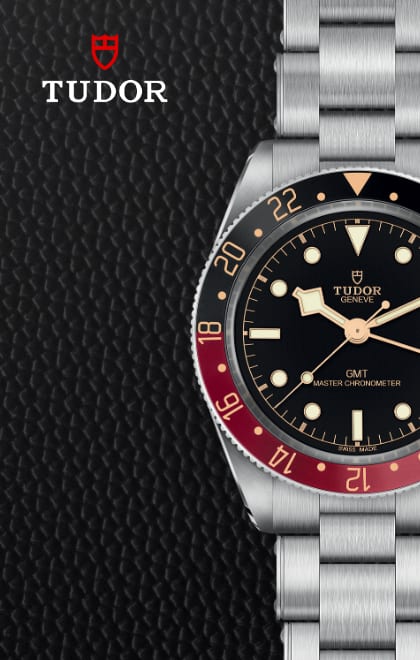
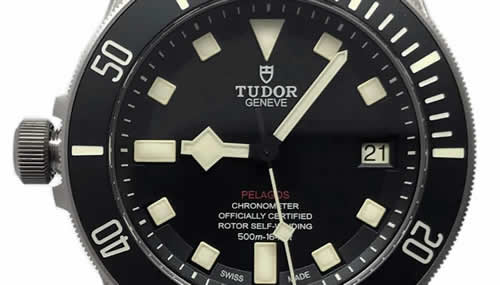
TAG Heuer vs Tudor

Tudor has gained significant popularity due to its relationship with Rolex.

Tudor advantages:

  • Strong tool-watch reputation
  • Excellent value mechanical movements
  • High collector demand

TAG Heuer advantages:

  • Better chronograph heritage
  • More motorsport character
  • More variety in sporty designs

TAG Heuer vs Longines

Longines often offers excellent value.

Longines advantages:

  • Traditional Swiss elegance
  • Competitive pricing

TAG Heuer advantages:

  • Stronger racing identity
  • More technical sports image

TAG Heuer Resale Value: Do They Hold Their Value?

This is one area where TAG Heuer receives mixed opinions.

TAG Heuer watches generally do not hold value as strongly as brands like:

  • Rolex
  • Patek Philippe
  • Audemars Piguet
  • Some Omega models

However, resale performance depends heavily on the model.

Models that often perform better include:

  • Monaco
  • Carrera limited editions
  • Vintage Heuer models
  • Rare chronographs

Standard production models usually experience depreciation after purchase.

If your priority is investment value, TAG Heuer may not be the strongest choice. If your priority is enjoying a well-made luxury watch, it remains a compelling option.

Are TAG Heuer Watches Worth Buying?

TAG Heuer watches are worth buying if you value:

✔ Swiss manufacturing
✔ Strong motorsport heritage
✔ Sporty luxury design
✔ Reliable movements
✔ Daily wear durability
✔ Brand history
✔ Chronograph expertise

They may not be ideal if you are looking for:

✘ The strongest resale value
✘ Traditional haute horology
✘ Maximum movement finishing at every price level

TAG Heuer’s strongest appeal is not exclusivity alone. It is the combination of performance, history, and recognizable design.

Best TAG Heuer Watches to Consider

TAG Heuer Carrera

Best for:

  • Classic luxury style
  • Motorsport enthusiasts
  • Everyday wear

TAG Heuer Aquaracer

Best for:

  • Sports use
  • Diving-inspired design
  • Durability

TAG Heuer Monaco

Best for:

  • Collectors
  • Unique designs
  • Racing history

TAG Heuer Formula 1

Best for:

  • Entry-level luxury buyers
  • Quartz reliability
  • Sporty casual wear

Final Verdict: Are TAG Heuer Watches Good?

Yes, TAG Heuer watches are good Swiss luxury watches with excellent engineering, strong heritage, and reliable performance.

The brand’s greatest strengths are its motorsport legacy, chronograph expertise, bold designs, and practical durability. While TAG Heuer may not compete directly with ultra-luxury brands in terms of exclusivity or resale value, it offers something different: a luxury watch designed around speed, innovation, and everyday performance.

For someone buying their first Swiss luxury watch, a TAG Heuer can be an excellent choice. For collectors interested in racing history, mechanical chronographs, or distinctive designs, models like the Carrera and Monaco remain especially appealing.

A TAG Heuer is not just a watch—it represents more than 160 years of Swiss precision, innovation, and the pursuit of accurate timekeeping.

RGM Watch Company is an independent American watch manufacturer known for combining traditional hand craftsmanship with modern precision engineering. Established in Pennsylvania in 1992, the company produces mechanical watches, bespoke timepieces and a select range of movements made at its own workshop.

The letters RGM represent the initials of the company’s founder, Roland G. Murphy, an American master watchmaker who established the business with the goal of reviving high-grade mechanical watchmaking in the United States.

RGM brand origin and founding date

RGM Watch Company was founded by Roland G. Murphy in 1992 in Mount Joy, Pennsylvania, United States. Pennsylvania was deliberately chosen because of its important place in American watchmaking history. During the nineteenth and early twentieth centuries, the state was connected with major watch manufacturers, including Hamilton Watch Company in Lancaster.

Brand name: RGM Watch Company
Founder: Roland G. Murphy
Founded: 1992
Country of origin: United States
Place of establishment: Mount Joy, Pennsylvania
Current headquarters and workshop: Mount Joy, Lancaster County, Pennsylvania
Specialisation: Mechanical watches, American-made movements, custom watches, restoration, guilloché and traditional watch decoration

The company continues to operate from Mount Joy, where its official address is listed as 801 West Main Street.

The founder: Roland G. Murphy

Roland G. Murphy developed an interest in horology while he was still in high school. He worked part of the day for a clock company in its cabinet-making workshop, where his exposure to clocks and mechanical objects encouraged him to pursue watchmaking professionally.

During the early 1980s, Murphy studied at Bowman Technical School in Lancaster, Pennsylvania. Bowman was known for practical instruction in watchmaking, engraving, jewellery and related technical crafts.

In 1986, Murphy continued his education in Switzerland after being accepted into the WOSTEP programme. WOSTEP, originally known as the Watchmakers of Switzerland Training and Educational Program, provided advanced training in Swiss mechanical watchmaking. This education gave Murphy experience in both traditional watchmaking techniques and the standards of the Swiss watch industry.

Murphy began working for the Hamilton Watch Company in 1987. He advanced into product development and eventually became Technical Director of product development. His experience at Hamilton provided the technical and commercial background that later helped him establish his own company.

In 1992, Murphy left Hamilton and founded RGM Watch Company in Mount Joy.

The purpose behind RGM

RGM was created during a period when comparatively little high-grade mechanical watch manufacturing remained in the United States. Most luxury mechanical-watch production was concentrated in Switzerland, Germany and a small number of other European centres.

Murphy’s aim was not simply to place an American name on imported watches. He wanted to rebuild some of the specialist skills associated with historic American watchmaking, including movement construction, engine turning, hand finishing and the production of customised mechanical watches.

RGM therefore developed an approach that combines modern computer-controlled equipment with antique hand-operated machinery. The workshop uses contemporary design software and precision milling equipment alongside traditional tools, rose engines and straight-line engine-turning machines.

The company’s philosophy is based on preserving traditional watchmaking methods while improving accuracy and production through modern technology.

The Caliber 801

One of the most important milestones in RGM’s history came in 2007, when the company introduced the Caliber 801.

According to RGM, it was the first high-grade mechanical watch movement produced in series in the United States since 1969. Its introduction represented an important step in the modern revival of American mechanical-movement manufacturing.

The Caliber 801 was strongly influenced by the appearance and construction of historic American pocket-watch movements. Its design includes large bridges, prominent winding wheels and decorative details associated with traditional American horology.

Different versions of the movement may feature hand finishing, polished components, hand-blued screws, engraved details and engine-turned decoration. The movement became the foundation of RGM’s Pennsylvania Series and remains one of the company’s most recognisable technical achievements.

The Pennsylvania Tourbillon

RGM later expanded its movement-making capabilities with the Pennsylvania Tourbillon, the company’s flagship mechanical creation.

RGM describes it as the first serially produced tourbillon made in the United States and the first and only serially produced tourbillon in North America. The movement is manufactured in Lancaster County and is produced in small, numbered quantities.

Its construction includes a hand-made tourbillon cage, traditional wolf’s-tooth winding wheels, hand-cut guilloché, polished and bevelled components, perlage and Geneva-style striping. The movement is made primarily in the United States, although the company states that approximately 90 percent of its components are American-made rather than claiming complete domestic production.

The Pennsylvania Tourbillon demonstrates RGM’s ability to produce a complicated mechanical movement on American soil while maintaining the decorative character of historic American watches.

Caliber 20 and other notable movements

Another significant RGM creation is the Caliber 20, a shaped mechanical movement used in watches with tonneau-style cases. Its architecture allows the movement to follow the form of the case rather than placing a conventional round movement inside a shaped watch.

Together, the Caliber 20, Caliber 801 and Pennsylvania Tourbillon represent the core of RGM’s in-house movement programme. The current RGM collection also includes watches using other movements, including carefully selected Swiss mechanisms. Therefore, not every RGM watch should be described as having a fully American-made movement.

The degree of American production depends on the model. RGM’s most important Pennsylvania Series watches contain proprietary movements, while other collections may use Swiss movements that are assembled, modified, decorated or cased by the company.

Traditional guilloché and engine turning

One of RGM’s defining specialities is traditional guilloché, also known as engine turning.

This decorative method creates repeating geometric patterns by guiding a cutting tool over metal with a manually operated rose engine or straight-line machine. Unlike stamped or printed patterns, genuine engine-turned decoration is physically cut into the surface.

RGM uses antique engine-turning equipment to decorate watch dials, movement components and customised pieces. The process requires the watchmaker or guillocheur to control the machine by hand, meaning small variations may appear between individual examples.

Patterns used by RGM include barleycorn, basketweave, moiré and other traditional geometric designs. The technique connects the company not only with European decorative watchmaking but also with the decorated movements and dials produced during America’s historic watchmaking period.

RGM also works with techniques such as glass enamel, skeletonisation, hand engraving, hand polishing and thermal bluing. The company officially identifies engine turning, glass enamel and bespoke production as central elements of its work.

Custom and bespoke watchmaking

Custom watchmaking has been part of RGM’s identity since its early years. Customers can commission watches with personalised dials, engraved movements, special case materials, individual decorative patterns and other unique details.

Some commissions involve modifying an existing RGM model, while more complex projects can require specially designed components or extensive handwork. The workshop also undertakes restoration and repair work, drawing on Murphy’s experience with both modern and historic mechanical watches.

Because RGM operates on a much smaller scale than a mainstream luxury-watch company, it can offer a greater level of personalisation than most large manufacturers.

Connection to Pennsylvania’s watchmaking history

RGM’s location is an important part of its identity. Lancaster County has a longstanding connection with American watchmaking, particularly through Hamilton, which operated in Lancaster for much of the twentieth century.

The company frequently incorporates Pennsylvania imagery and American horological references into its watches. The keystone, Pennsylvania’s traditional state symbol, appears on several RGM movements and designs.

RGM movements may also use visual features inspired by historic American pocket watches, such as large winding wheels, distinctive bridge shapes, engraved lettering and slower traditional movement frequencies.

The company’s goal is not to reproduce historical watches exactly. Instead, it adapts elements of historic American watchmaking to contemporary wristwatches.

Collaboration with Martin Guitar

In 2016, RGM worked with another Pennsylvania manufacturer, C. F. Martin & Company, on the company’s two-millionth guitar.

RGM developed a special version of its Caliber 20 movement that was installed in the headstock of the instrument. It also produced parts connected with the project and created custom watches associated with a limited collection of 50 Martin guitars.

The collaboration brought together two Pennsylvania companies known for traditional craftsmanship and demonstrated RGM’s ability to apply watchmaking skills beyond conventional wristwatches.

RGM Watch Company today

RGM remains an independent American watch company headquartered in Mount Joy, Pennsylvania. Its collection includes the Pennsylvania Series, Caliber 20 watches, railroad-inspired designs, diving watches, chronographs, enamel pieces and fully customised commissions.

The brand occupies an unusual position in the watch industry. It is neither a large-volume American fashion-watch label nor a conventional Swiss manufacturer. Instead, it is a small specialist workshop producing selected components, cases and movements in the United States while also using appropriate Swiss movements in certain collections.

RGM’s significance comes from its practical contribution to American watchmaking. By introducing movements such as the Caliber 801 and Pennsylvania Tourbillon, preserving manual engine turning and continuing bespoke mechanical-watch production, the company has helped restore a form of high-grade horology that had largely disappeared from the United States.

More than three decades after its establishment in 1992, RGM remains closely associated with Roland G. Murphy’s original objective: combining the heritage of American watchmaking with the standards and technical knowledge of modern independent horology.

Andreas Strehler is an independent Swiss watchmaker known for creating highly complicated mechanical watches in extremely limited quantities. Based in Sirnach, Switzerland, his workshop combines traditional hand-finishing methods with modern engineering and manufacturing technology. Strehler describes his position with the phrase “Engineer for the brands, watchmaker for the few,” reflecting both his technical work for established watch companies and the exclusive watches produced under his own name.

Brand origin and founding date

The Andreas Strehler watchmaking atelier originated in Switzerland. Andreas Strehler became an independent watchmaker in 1995, initially establishing his workshop near his hometown of Winterthur. His early work focused mainly on repairing and restoring antique clocks and watches. The official company history identifies 1995 as the beginning of his independent career.

This date should not be confused with the founding of STREHLER, a separate and more accessible watch collection created by Andreas Strehler in 2023. The original Andreas Strehler name represents his rare, handmade haute-horlogerie creations, while STREHLER was introduced as a related brand offering relatively more attainable everyday watches.

Original atelier established: 1995
Country of origin: Switzerland
Current location: Sirnach, Canton of Thurgau, Switzerland
Founder: Andreas Strehler
STREHLER sister brand launched: 2023

The founder’s early career

Andreas Strehler was born in 1971 in Winterthur, Switzerland. His interest in mechanical objects developed partly through his family’s involvement with antiques and old watches. He began a watchmaking apprenticeship in Frauenfeld in 1987 while also studying at a watchmaking school in Solothurn.

After completing his training in 1991, Strehler joined Renaud & Papi in Le Locle. The specialist movement-development company later became part of Audemars Piguet. During approximately four years there, Strehler worked as a head prototypist and gained experience in engineering complicated mechanical watch movements.

At the end of 1994, he returned to the Winterthur area. He began working independently in 1995, building the foundation of the workshop that would eventually carry his name.

The first Andreas Strehler creations

One of Strehler’s earliest important creations was the Tischkalender, presented at Baselworld in 1998. The unusual mechanism combined a removable pocket watch with a desk-mounted perpetual calendar. When connected, the pocket watch allowed the calendar mechanism to recognise and display the correct date. The official history describes it as the first watch with a form of mechanical memory and a modern interpretation of Abraham-Louis Breguet’s Sympathique clock concept.

In 1999, Strehler presented the Zwei, a mechanical pocket watch with switchable indications. Its hands could temporarily change their function to display calendar information before returning to indicate the time. The mechanism became an important part of Strehler’s technical identity and was later adapted for wristwatches and other projects.

UhrTeil AG and work for other brands

In 2005, Andreas Strehler founded UhrTeil AG, an engineering and manufacturing company created to develop prototypes, components, complications and complete movements. UhrTeil became the industrial and technical arm supporting Andreas Strehler watches while also carrying out specialist development work for other watch companies.

Strehler has contributed technical expertise to projects associated with brands such as Chronoswiss, H. Moser & Cie., Maurice Lacroix and Harry Winston. His work included the Chronoswiss Chronoscope movement, development work for H. Moser & Cie., Maurice Lacroix’s first manufacture chronograph movement and the Harry Winston Opus 7.

In 2007, the atelier and manufacturing operations moved into a dedicated building in Sirnach, in the German-speaking region of Switzerland near Lake Constance. The manufacture remains based there today.

Watchmaking philosophy

Andreas Strehler watches are produced according to a philosophy that combines historical craftsmanship with contemporary movement engineering. Movement components are manufactured in-house, individually finished and assembled by hand. At the same time, the movements are developed using modern design software and constructed according to demanding technical standards.

The workshop also designs components so that a sufficiently skilled watchmaker could theoretically repair or reproduce them in the future using traditional tools and materials. This emphasis on repairability supports the idea that a fine mechanical watch should remain functional across generations.

Strehler’s watches are especially recognisable for their open architecture, sculptural bridges and mechanisms that allow the wearer to observe the movement in operation. His designs frequently combine organic visual forms with advanced mechanical solutions such as constant-force systems, miniature differentials, conical gears and highly accurate astronomical displays.

Notable watches and technical achievements

The Papillon, introduced in 2008, established one of Strehler’s most recognisable designs. Its movement architecture was created to appear like a living mechanical organism, with a bridge structure resembling the wings of a butterfly.

In 2013, Strehler introduced the Sauterelle, fitted with his remontoir d’égalité. This constant-force mechanism supplies the escapement with a controlled amount of energy, helping maintain more consistent performance as the mainspring unwinds.

The Sauterelle à Lune Perpétuelle, presented in 2014, became one of his most famous watches. Its moon-phase display was calculated to deviate by only one day in approximately 2,060,757 years, earning recognition as the most precise moon-phase indication produced for a wristwatch at that time.

Other significant creations include the Cocon, Papillon d’Or, Lune Exacte, Sauterelle à Heure Mondiale and Trans-Axial Tourbillon.

Awards and professional recognition

Andreas Strehler became a member of the Académie Horlogère des Créateurs Indépendants, commonly known as the AHCI, in 2000. The organisation represents independent watchmakers and creators who preserve and develop specialist horological craftsmanship.

In 2013, the International Museum of Horology in La Chaux-de-Fonds awarded him the prestigious Gaïa Prize in the Craftsmanship-Creation category. The award recognised his contribution to technical and artistic watchmaking.

Andreas Strehler today

Today, Andreas Strehler operates from his manufacture in Sirnach, where watches and movements are developed, manufactured, finished, assembled and regulated. His production remains deliberately limited, making watches bearing the Andreas Strehler name rare even within the independent-watchmaking market.

The introduction of the separate STREHLER brand in 2023 expanded his watchmaking philosophy into a more practical category. However, the original Andreas Strehler atelier remains focused on technically ambitious, highly finished and individually produced mechanical watches intended for a small group of collectors.

Rather than functioning as a conventional luxury-watch company, Andreas Strehler represents a traditional independent manufacture centred on the knowledge, inventions and personal design language of one watchmaker. Its reputation is built on mechanical originality, in-house production and a commitment to creating watches capable of being maintained for generations.

How Mechanical Watches Work?

Samar

June 29, 2026

Mechanical watches are timekeeping instruments powered entirely by mechanical energy. Unlike quartz watches, which use a battery and an electronic oscillator, mechanical watches rely on springs, gears, levers, wheels, and carefully regulated motion. They are among the most fascinating inventions in horology because they turn stored spring energy into a steady display of seconds, minutes, and hours.

The origin of mechanical watchmaking goes back to Europe. The earliest portable spring-driven timekeepers appeared around the 15th century, while wearable watches became more common during the 16th century. These early watches were not highly accurate, but they introduced the basic concept of a small, portable mechanical timekeeper. A major improvement came in 1675, when Christiaan Huygens introduced the balance spring, a development that helped make portable watches far more accurate and practical.

At the heart of every mechanical watch is a simple idea: energy is stored, controlled, divided, and displayed. The watch stores energy in a spring, releases that energy through gears, controls the release with an escapement, regulates timing with a balance wheel and hairspring, and finally displays time through the hands on the dial.

The Mainspring: The Power Source

The mainspring is the engine of a mechanical watch. It is a long, thin strip of metal coiled inside a small drum called the barrel. When the watch is wound, the mainspring tightens and stores potential energy. As it slowly unwinds, it releases that energy into the movement.

In a manual-wind mechanical watch, the wearer winds the mainspring by turning the crown. The crown is the small knob usually found on the side of the case. Turning it transfers motion through the winding system and tightens the mainspring.

In an automatic mechanical watch, the mainspring is wound by a rotor. The rotor is a semicircular weight inside the watch that moves when the wearer’s wrist moves. As the rotor swings, it turns gears that wind the mainspring. This means an automatic watch can keep itself wound through normal daily wear.

The mainspring does not release energy evenly on its own. If it were allowed to unwind freely, the watch would run too fast at first and then slow down as the spring lost tension. The rest of the movement exists to control this energy and release it in a stable, measured way.

The Gear Train: Carrying and Dividing Energy

Once the mainspring begins to unwind, energy passes from the barrel into the gear train. The gear train is a series of toothed wheels and pinions that transfer power through the movement. These gears reduce speed, increase control, and divide motion into useful units of time.

The gear train connects the mainspring to the escapement and also helps move the watch hands. Different gears rotate at different speeds. One gear may complete a rotation once per hour, another once per minute, and another may drive the seconds hand.

This system is one reason mechanical watches are so impressive. The hands appear to move smoothly and simply on the dial, but underneath, many tiny parts are working together. Each wheel must be cut precisely, each tooth must engage properly, and friction must be minimized.

Mechanical watch movements often use jewels, usually synthetic rubies, as bearing surfaces. These jewels reduce wear and friction where rotating parts pivot. They do not make the watch valuable in the same way decorative gemstones do; their main purpose is functional durability and efficiency.

The Escapement: Controlling the Release of Power

The escapement is one of the most important parts of a mechanical watch. Without it, the mainspring would release its energy too quickly. The escapement acts like a gate, allowing power to escape in tiny, regular pulses.

The most common type in modern mechanical watches is the lever escapement. It usually includes the escape wheel, pallet fork, and balance wheel. The escape wheel is connected to the gear train. The pallet fork locks and unlocks the escape wheel one tooth at a time. Each unlocking action allows a small amount of energy to move forward.

This controlled release creates the familiar ticking sound of a mechanical watch. Every tick represents a small transfer of energy through the escapement. The escapement does two jobs at once: it prevents the gear train from spinning freely, and it gives tiny impulses to the balance wheel to keep it moving.

The Balance Wheel and Hairspring: The Timekeeper

The balance wheel and hairspring form the regulating organ of a mechanical watch. The balance wheel rotates back and forth, while the hairspring, also called the balance spring, pulls it back toward its center position. Together, they create a steady oscillating motion.

This motion is similar in purpose to the pendulum in a clock. A pendulum swings back and forth at a regular rhythm. In a wristwatch, a pendulum would not work well because the watch moves constantly, so the balance wheel and hairspring perform the same timing role in a compact form.

The hairspring was a major breakthrough in watch history. Huygens’ 1675 balance-spring design improved the accuracy of portable mechanical timekeepers by giving the balance wheel a more reliable rhythm.

Each swing of the balance wheel allows the escapement to unlock briefly. The escapement then gives the balance a small push to keep it oscillating. This cycle repeats thousands of times per hour. Many modern mechanical watches beat at 28,800 vibrations per hour, or 8 beats per second, though other frequencies such as 18,000, 21,600, or 36,000 vibrations per hour also exist.

The steadiness of the balance wheel is central to accuracy. If the balance oscillates too quickly, the watch gains time. If it oscillates too slowly, the watch loses time. Watchmakers regulate the movement by adjusting the effective length of the hairspring, the inertia of the balance wheel, or both.

The Dial Train: Turning Motion Into Readable Time

The mechanical movement would be useless if it did not display time clearly. This is the job of the dial train, also known as the motion works. The motion works translate the movement’s rotation into the movement of the hour and minute hands.

The minute hand usually makes one full rotation every hour. The hour hand moves more slowly, completing one rotation every twelve hours on a standard watch. The seconds hand may be driven directly or indirectly depending on the movement design.

The apparent simplicity of three hands on a dial hides a carefully calculated system. Gear ratios determine how fast each hand moves. These ratios must be exact so that sixty seconds become one minute, sixty minutes become one hour, and twelve hours complete a full dial cycle.

Manual vs Automatic Mechanical Watches

Mechanical watches are usually divided into two main categories: manual-wind and automatic.

A manual-wind watch must be wound regularly by hand. Depending on the movement, it may run for around one to several days on a full wind. The amount of time a watch runs after being fully wound is called its power reserve.

An automatic watch also has a mainspring, gear train, escapement, balance wheel, and hands, but it includes an additional self-winding mechanism. The rotor moves with the wearer’s wrist and winds the mainspring automatically. If worn regularly, an automatic watch can continue running without daily hand-winding. However, if left unworn long enough, it will stop and need to be wound or worn again.

Neither type is inherently better. Manual watches are often appreciated for their simplicity, thinness, and direct connection between wearer and movement. Automatic watches are valued for convenience and practicality.

Why Mechanical Watches Tick

The ticking sound of a mechanical watch comes from the escapement. As the pallet fork locks and unlocks the escape wheel, it produces small impacts. These impacts create the tick-tock rhythm associated with traditional watches.

The speed of ticking depends on the movement’s beat rate. A watch beating at 18,000 vibrations per hour ticks five times per second. A watch beating at 28,800 vibrations per hour ticks eight times per second. A higher beat rate can make the seconds hand appear smoother, though it may also create more wear and require careful engineering.

A mechanical watch does not truly move continuously. Even when the seconds hand looks smooth, it is actually advancing in very small steps. Quartz watches typically tick once per second, while mechanical watches usually tick several times per second.

Accuracy and Regulation

Mechanical watches are marvels of engineering, but they are affected by physical conditions. Their accuracy can change because of temperature, gravity, shock, magnetism, lubrication condition, and wear.

Gravity affects the balance wheel differently depending on the position of the watch. A watch may run slightly differently when dial-up, crown-down, or crown-up. This is why high-quality watches are often adjusted in multiple positions.

Temperature can affect the hairspring and other metal parts. Modern materials have reduced this problem, but it remains part of mechanical watch design. Magnetism can also interfere with the hairspring, causing coils to stick together and making the watch run fast.

Lubrication is another important factor. Mechanical watches contain many moving parts, and oils reduce friction between them. Over time, lubricants can dry out, spread, or degrade. This is why mechanical watches need periodic servicing.

Complications: More Than Telling Time

A basic mechanical watch shows hours, minutes, and sometimes seconds. Additional functions are called complications. Common complications include the date, day, moon phase, chronograph, dual time zone, annual calendar, perpetual calendar, power-reserve indicator, and minute repeater.

A date complication advances a disc once every 24 hours. A chronograph adds stopwatch functions with extra gears, levers, and pushers. A perpetual calendar can mechanically account for different month lengths and leap years, making it one of the most complex traditional watch complications.

Complications show the flexibility of mechanical watchmaking. They demonstrate that gears and springs can be arranged not only to measure time but also to calculate calendar cycles, elapsed intervals, and astronomical displays.

Why Mechanical Watches Still Matter

Mechanical watches are no longer the most practical way to tell time. A smartphone or quartz watch is usually more accurate and less expensive. Yet mechanical watches remain important because they represent craftsmanship, engineering, tradition, and design.

A mechanical watch is a miniature machine worn on the wrist. It can run without a battery, using only stored spring energy and precisely controlled motion. Many collectors appreciate the human skill involved in finishing, assembling, adjusting, and regulating these tiny mechanisms.

Mechanical watchmaking also connects modern wearers to centuries of horological development. From early spring-driven portable clocks to the balance-spring breakthrough of the 17th century and today’s refined wristwatch movements, the mechanical watch represents a long history of problem-solving and precision engineering.

Conclusion

A mechanical watch works by managing energy through a chain of carefully coordinated parts. The mainspring stores power. The gear train carries and divides that power. The escapement releases it in controlled pulses. The balance wheel and hairspring regulate the rhythm. The dial train turns that rhythm into readable time.

Its origin lies in European mechanical timekeeping, with portable spring-driven watches appearing from around the 15th and 16th centuries. Its modern accuracy was greatly shaped by the 1675 balance-spring innovation associated with Christiaan Huygens. Since then, mechanical watches have evolved from rough early timekeepers into refined instruments of precision and craftsmanship.

In simple terms, a mechanical watch is a tiny engine for measuring time. It does not rely on electronics or batteries. Instead, it uses tension, motion, resistance, rhythm, and mechanical control. That combination of science, art, and tradition is why mechanical watches continue to fascinate people centuries after their invention.

Rémy Cools: The Complete Brand Breakdown

Samar

June 29, 2026

Rémy Cools is an independent French watchmaking brand founded by watchmaker Rémy Cools. The brand originates from France and began as an independent atelier in 2019, when Cools set out to create watches under his own name.

Rémy Cools was born in France in 1997 and developed an interest in watchmaking at a young age. His passion grew after an early encounter with traditional mechanical watchmaking, which led him to pursue formal training in horology. He later studied watchmaking in Morteau, France, a town known for its horological education and craftsmanship.

The brand became known internationally after the launch of the Tourbillon Souscription in 2020. This watch introduced Rémy Cools as a serious young independent watchmaker, combining classical design with traditional hand-finishing. The model reflected inspiration from historic French watchmaking, especially the elegant and restrained style associated with traditional tourbillon pocket watches.

Rémy Cools focuses on small-scale production, artisanal craftsmanship, and high-end mechanical watchmaking. The brand is especially recognized for its tourbillon watches, classical proportions, hand-finished movements, and commitment to traditional techniques. Rather than producing watches in large numbers, the atelier creates limited pieces that emphasize quality, precision, and personal craftsmanship.

Today, Rémy Cools is regarded as one of the notable young names in independent horology. The brand represents a modern continuation of classical French watchmaking, blending historical inspiration with the vision of a new-generation artisan watchmaker

To Top