News Archives - Exquisite Timepieces
iconHome Blog / News

Category: News

Why Do People Wear Watches Upside Down?

Samar

June 6, 2026

Some people wear their watches “upside down,” meaning the watch face is turned toward the inside of the wrist instead of the outside. At first, this may look unusual, but the habit has practical reasons. People may wear a watch this way to protect the watch, read the time more easily during certain activities, reduce glare, hide the dial, or simply because it feels comfortable.

This style is often associated with military personnel, police officers, pilots, nurses, mechanics, and people who work with their hands. It is also seen among civilians who prefer the look or find it more convenient than traditional watch placement.

Wearing a watch upside down is not wrong. It is simply an alternative way of wearing a wristwatch. For some people, it is about function. For others, it is about comfort, habit, or personal style.

What Does Wearing a Watch Upside Down Mean?
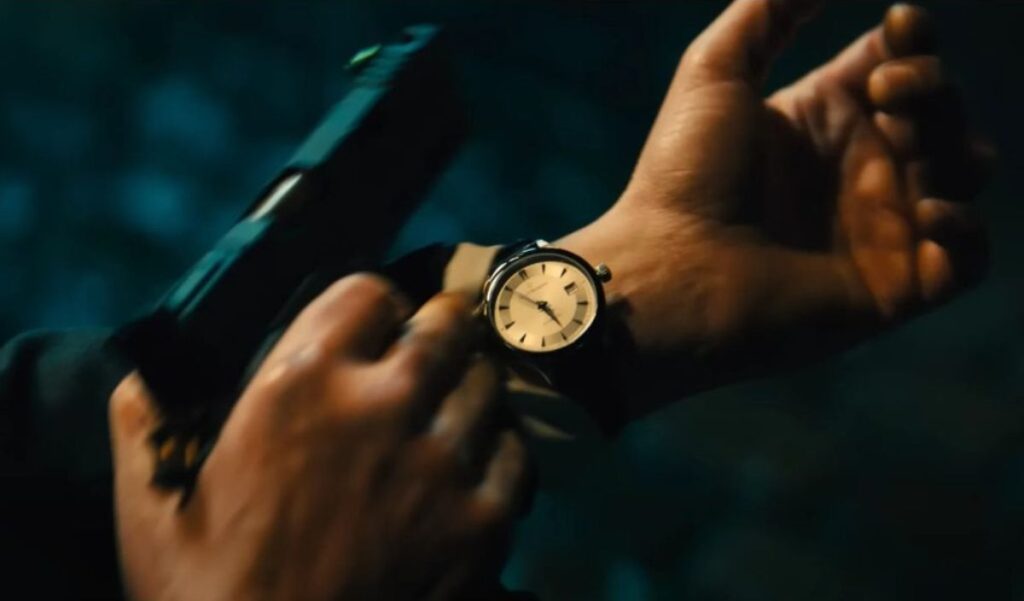
Wearing a watch upside down usually means wearing the watch face on the inside of the wrist. The strap still wraps around the wrist normally, but the dial faces inward toward the palm side of the arm.

This is different from wearing a watch on the wrong wrist. A person can wear a watch upside down on either the left or right wrist. The main feature is the position of the dial.

When the watch is worn normally, the face sits on the top of the wrist. To check the time, the wearer usually turns the wrist outward. When the watch is worn upside down, the face sits under the wrist. The wearer can often check the time by slightly raising or rotating the arm inward.

1. Military and Tactical Use

One of the most common explanations is military use. Soldiers and tactical professionals may wear watches on the inside of the wrist because it can make the watch easier to read while holding equipment or operating in certain positions.

In tactical environments, a watch worn inside the wrist may help reduce reflections from the crystal and hide luminous markers or backlight from view. Watch-focused military sources often describe this as part of “light discipline,” because reflective or glowing objects can make a person easier to spot in low-light or concealed situations.

This position may also help when holding a rifle or lying prone. Instead of rotating the wrist outward, the wearer can glance down toward the inner wrist while keeping the arm closer to the working position. Watches of Espionage notes that inside-wrist wear can help with legibility while operating a weapons system or lying prone.

2. Reducing Glare and Reflection

A shiny watch crystal can reflect sunlight, artificial light, or vehicle lights. For most people, this is only a minor annoyance. But for soldiers, hunters, photographers, security personnel, or outdoor workers, glare can be distracting or undesirable.

Turning the watch face inward helps shield the crystal from direct light. Since the dial is closer to the body, it is less exposed to open reflections. This can make the watch more discreet.

This does not mean every person who wears a watch upside down is doing it for tactical reasons. Many people simply dislike glare or prefer a more subtle watch position.

3. Protecting the Watch Face

Another major reason is protection. The outer side of the wrist often hits door frames, desks, walls, gym equipment, tools, and other hard surfaces. When a watch is worn normally, the crystal and bezel are more exposed to scratches and impacts.

Wearing the watch on the inside of the wrist can reduce some of that exposure. The dial is tucked closer to the body, which may help protect the glass, bezel, and case from bumps during physical work.

This can be useful for mechanics, construction workers, military personnel, warehouse workers, and anyone who uses their hands in tight spaces. It can also be helpful for people wearing vintage watches, dress watches, or sentimental watches they want to protect.

However, inside-wrist wear does not make a watch completely safe. The inner wrist can still rub against desks, steering wheels, tools, or exercise equipment. Whether it protects the watch depends on the wearer’s daily activities.

4. Easier Time Reading During Certain Tasks

For some people, wearing a watch upside down makes it easier to check the time while doing specific tasks. If your hands are busy, your inner wrist may naturally face your eyes more often than the top of your wrist.

This can help while:

  • Holding a steering wheel
  • Carrying equipment
  • Riding a motorcycle or bicycle
  • Holding a camera
  • Using tools
  • Carrying a child
  • Working in a medical setting
  • Handling a weapon in tactical or sporting contexts

For example, a person gripping handlebars may find it easier to glance at the inside of the wrist than rotate the wrist fully. Someone holding a clipboard, tool, or camera may also find the inward-facing dial easier to see.

This is one of the most practical everyday reasons people choose this style.

5. Comfort and Personal Habit

Some people wear watches upside down simply because it feels better. Wrist shape, watch size, strap material, and daily movement all affect comfort.

A large watch may feel bulky on the top of the wrist, especially if it slides around. Turning it inward may help the wearer position it more securely. Some people also find that the crown or pushers dig into the hand less when the watch is worn in a different position.

Habit also matters. If someone learned to wear a watch this way in the military, at work, or from a family member, they may continue doing it for life. Once a person becomes used to checking the inner wrist, normal watch placement may feel awkward.

6. Keeping the Watch Discreet

Some people prefer not to display their watch openly. This may be for safety, modesty, privacy, or style.

A luxury watch can attract attention. Wearing it on the inside of the wrist makes it less visible. This may be useful in crowded places, public transport, travel settings, or work environments where the wearer does not want to show off an expensive item.

Discretion can also matter in professional settings. A person may want access to the time without constantly flashing a bright dial or large watch. With the face turned inward, the watch becomes more private.

7. Professional Reasons

Certain professions make inside-wrist watch wear more practical. Nurses and medical workers may need to check time while taking a pulse or timing procedures. A watch on the inner wrist can be easier to read in some hand positions.

Mechanics, electricians, and technicians may prefer the inward position to protect the watch from impacts or make it easier to read while working with tools. Drivers, pilots, cyclists, and motorcyclists may also find the position useful because their hands remain in a fixed grip for long periods.

There is no universal rule across these professions. Some people prefer traditional watch placement, while others find inside-wrist wear more practical.

8. Style and Individual Expression

Not every reason is technical. Some people wear watches upside down because they like how it looks. It can appear subtle, unconventional, vintage, or utilitarian.

Watch wearing is personal. Just as people choose different straps, case sizes, dial colors, and wrist positions, some choose to wear the dial inward. For them, it may be part of their identity or personal style.

In some cases, people first see the style in films, military culture, or from older relatives, then adopt it because it feels distinctive.

Is Wearing a Watch Upside Down Bad for the Watch?

Usually, no. Wearing a watch upside down is not harmful by itself. Mechanical, quartz, and digital watches can generally be worn on the inside of the wrist without damage.

However, the position may expose the watch to different kinds of wear. If you work at a desk, the watch crystal may rub against the table. If you type a lot, the case may contact the desk surface more often. If the watch is large or heavy, it may feel uncomfortable against the underside of the wrist.

For mechanical watches, normal wrist movement is usually not a problem. Automatic watches are designed to be worn in daily motion. The orientation of the watch on the wrist generally does not prevent it from working.

Is It Comfortable to Wear a Watch Upside Down?

Comfort depends on the watch and the person. A slim watch with a soft strap may feel comfortable inside the wrist. A large dive watch, thick chronograph, or heavy metal bracelet may feel awkward.

The inner wrist is softer and more sensitive than the outer wrist. Because of this, some people may feel more pressure when the case sits there. Others may find it more natural because the watch feels tucked away.

If someone wants to try this style, it is best to use a watch with a comfortable strap, moderate case size, and smooth caseback. A bulky watch may not be ideal.

Does Wearing a Watch Upside Down Look Strange?

It may look unusual to people who are used to traditional watch placement, but it is not rare. Many people have worn watches this way for practical reasons.

In casual settings, most people will not care. In formal settings, traditional watch placement may look more conventional, especially with a dress watch. But style rules are flexible. If the watch is comfortable and useful, the position is a personal choice.

Which Watches Work Best Upside Down?

Some watches are better suited for inside-wrist wear than others. The best options are usually:

  • Slim watches
  • Field watches
  • Digital watches
  • Lightweight quartz watches
  • Smaller dive watches
  • Watches with soft rubber, nylon, or leather straps
  • Watches with low-profile cases

Very thick watches, sharp-edged cases, large crowns, and heavy bracelets may feel uncomfortable on the inner wrist.

For tactical or outdoor use, a matte case and non-reflective crystal can be helpful. For everyday use, comfort matters more than specifications.

Pros and Cons of Wearing a Watch Upside Down

Pros

Wearing a watch upside down can make the dial easier to read during certain activities. It can protect the watch face from some impacts, reduce glare, keep the watch more discreet, and feel more natural for people who work with their hands.

Cons

The position can feel uncomfortable for some people. The watch may rub against desks, keyboards, or tools. It may also look unconventional in formal situations. Larger watches may press into the inner wrist and become irritating over time.

Should You Wear Your Watch Upside Down?

You should wear your watch upside down if it feels more practical, comfortable, or useful for your lifestyle. There is no strict rule saying a watch must be worn on the outside of the wrist.

If you work with your hands, spend time outdoors, ride motorcycles, use tools, or want to protect your watch, it may be worth trying. If you mainly wear a watch for style or formal occasions, traditional placement may be better.

The best choice depends on comfort, convenience, and personal preference.

Conclusion

People wear watches upside down for many reasons. Some do it for military or tactical purposes, especially to reduce glare, hide illumination, and read the time while holding equipment. Others do it to protect the watch face, make time checks easier, keep the watch discreet, or express personal style.

Wearing a watch on the inside of the wrist is not wrong, and it does not usually harm the watch. It is simply a different way of wearing a timepiece. For some people, it is practical. For others, it is comfortable or stylish.

In the end, the best way to wear a watch is the way that works for you.
Do Garmin Watches Work With iPhones?

Samar

June 5, 2026

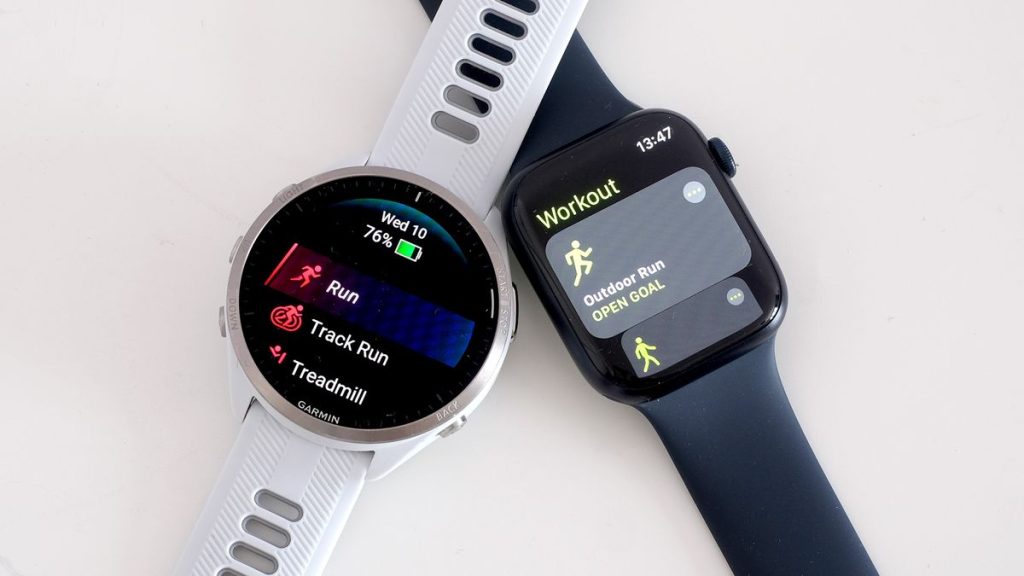
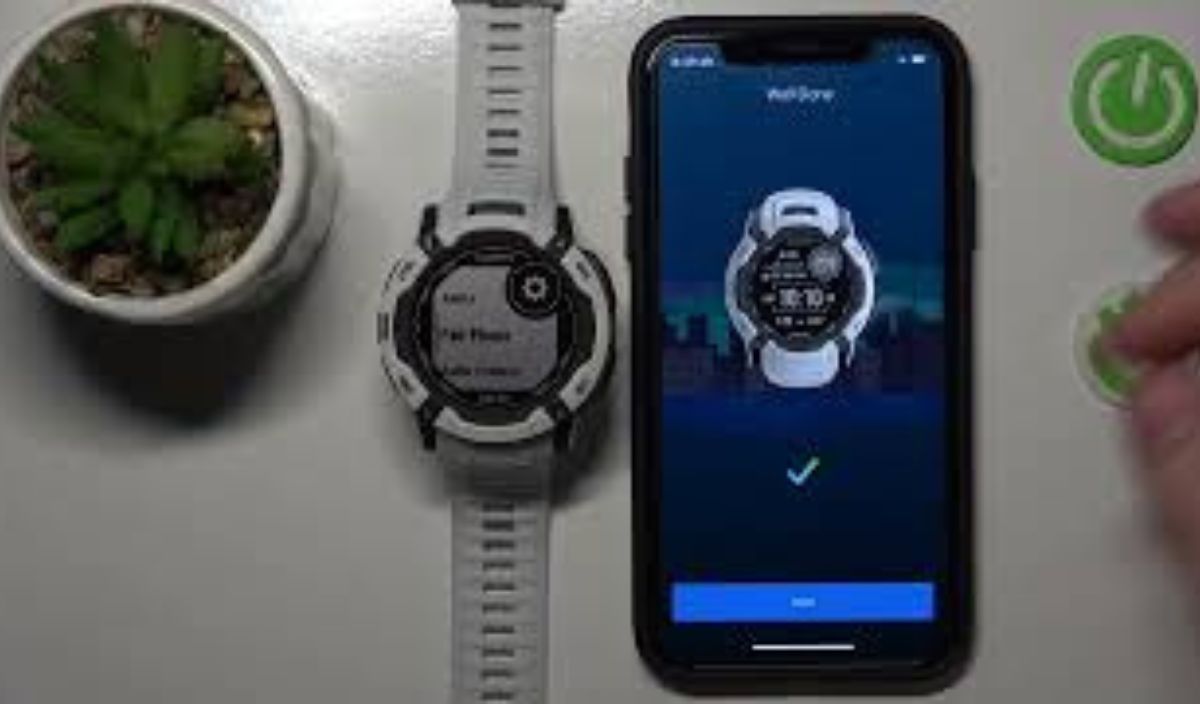
Yes, Garmin watches work with iPhones. Most modern Garmin smartwatches can pair with an iPhone through the Garmin Connect app, allowing users to sync fitness data, receive notifications, track workouts, monitor health metrics, update settings, and review activity history from their phone.

However, Garmin watches do not work with iPhones in exactly the same way an Apple Watch does. Apple Watch is deeply integrated into iOS, while Garmin operates as a third-party device. This means Garmin is excellent for fitness, health tracking, GPS, battery life, outdoor activities, and sports performance, but it has some limitations with messaging, calls, app interaction, and iPhone-specific features.

For many users, especially runners, cyclists, hikers, swimmers, golfers, gym users, and endurance athletes, Garmin can be one of the best smartwatch options for iPhone. But for users who want the most complete iPhone experience, including iMessage replies, Apple Pay-style integration, Siri, and advanced app control, Apple Watch still has an advantage.

This guide explains exactly how Garmin watches work with iPhones, what features are supported, what limitations to expect, and whether a Garmin watch is the right choice for iPhone users.

Can You Use a Garmin Watch With an iPhone?

Yes, you can use a Garmin watch with an iPhone as long as your phone supports the Garmin Connect app. Garmin Connect is the main app used to pair, manage, sync, and customize Garmin watches.

Once paired, your Garmin watch can sync activity data to your iPhone, including workouts, steps, heart rate, sleep, calories, stress, body battery, training status, GPS activities, and other supported health metrics. The exact data available depends on the Garmin model you own.

Garmin watches connect to iPhones using Bluetooth. After the initial setup, the watch and phone can stay connected in the background, allowing notifications and data syncing to work automatically when Bluetooth is active and permissions are enabled.

What App Do You Need to Connect Garmin to iPhone?

To use a Garmin watch with an iPhone, you need the Garmin Connect app. This app is available through the Apple App Store and is the central platform for Garmin health, fitness, and activity data.

Garmin Connect allows you to:

  • Pair your Garmin watch with your iPhone
  • Sync workouts and health data
  • View activity history
  • Track sleep, stress, heart rate, and recovery metrics
  • Create workouts
  • Follow Garmin Coach training plans
  • Build or send courses to compatible watches
  • Adjust watch settings
  • Install updates
  • Connect with friends and challenges

Some Garmin users may also use the Connect IQ Store app. Connect IQ is Garmin’s platform for downloading compatible watch faces, data fields, widgets, and apps. Not every Garmin device supports all Connect IQ features, so compatibility depends on the specific model.

Garmin Connect iPhone Requirements

Garmin Connect requires a compatible Apple device and a supported iOS version. Current Garmin support information lists Garmin Connect as compatible with iPhone and iPod touch models that meet Garmin’s minimum iOS requirement.

Because app requirements can change over time, users should always check the App Store or Garmin’s official compatibility page before buying a new Garmin watch. This is especially important if you use an older iPhone that no longer receives the latest iOS updates.

In general, if your iPhone can install the latest Garmin Connect app, it should work with most modern Garmin watches.

How to Pair a Garmin Watch With an iPhone

Pairing a Garmin watch with an iPhone is usually simple. The exact steps may vary slightly depending on the model, but the basic process is similar.

First, install Garmin Connect from the Apple App Store. Next, turn on Bluetooth on your iPhone and open the Garmin Connect app. Create or sign in to your Garmin account. Then place your watch into pairing mode. The app should detect the watch and guide you through setup.

During setup, iOS may ask for Bluetooth, location, notification, and health permissions. These permissions are important. If they are disabled, features such as syncing, weather, smart notifications, and Apple Health sharing may not work correctly.

After pairing is complete, Garmin Connect will sync with the watch. You can then customize settings, enable notifications, choose activity profiles, set goals, and update the watch if a software update is available.

What Garmin Features Work With iPhone?

Garmin watches support many important features when paired with an iPhone. Most users can expect strong compatibility for fitness and health tracking.

Fitness and Workout Tracking

Garmin watches are especially strong for fitness tracking. With an iPhone, you can track runs, walks, cycling, swimming, strength training, yoga, hiking, golf, skiing, and many other activities depending on the watch model.

After a workout, the activity syncs to Garmin Connect on your iPhone. You can review distance, pace, heart rate, calories, elevation, cadence, training effect, recovery time, route maps, and other performance data.

GPS and Outdoor Features

Many Garmin watches include built-in GPS, so they do not need an iPhone nearby to record outdoor workouts. You can run, ride, hike, or walk without carrying your phone, and the watch will still track your route.

After the activity, the data syncs to your iPhone when the watch reconnects. Higher-end Garmin models may include advanced navigation, maps, multi-band GPS, barometric altimeters, compass functions, and route planning.

Health Monitoring

Garmin watches can track several health metrics, including heart rate, sleep, stress, respiration, blood oxygen on supported models, body battery, resting heart rate, and fitness age. These metrics sync to Garmin Connect, where users can review daily and long-term trends.

The exact health features depend on the model. For example, a Forerunner, Venu, Fenix, Epix, Vivoactive, or Instinct watch may offer different sensors and software features.

Smart Notifications

Garmin watches can receive iPhone notifications, including calls, texts, emails, calendar alerts, and app notifications. When your iPhone receives an alert, it can appear on your Garmin watch if notifications are enabled.

This is useful for checking messages during workouts, meetings, commuting, or daily activities. However, iPhone users should understand that notification interaction is more limited than on Apple Watch.

Music Features

Some Garmin watches support music storage and playback. Depending on the model, users may download playlists from supported music services or store audio files. Bluetooth headphones can then connect directly to the watch.

This feature is useful for runners and gym users who want to listen to music without carrying an iPhone. Availability depends on the watch model and music service support.

Garmin Pay

Many Garmin watches support Garmin Pay, a contactless payment system. This works independently from Apple Pay and requires a supported card and participating bank. If your card issuer supports Garmin Pay, you can make payments from the watch without using your iPhone.

Apple Health Sync

Garmin Connect can share certain data with Apple Health. This allows some Garmin fitness and health information to appear inside the Apple Health app. Data sharing must be enabled in Garmin Connect and approved through iOS permissions.

Apple Health integration is useful for iPhone users who want Garmin activity data stored alongside other health information. However, Garmin Connect remains the main app for detailed Garmin metrics.

What Are the Limitations of Garmin Watches With iPhones?

Garmin watches work well with iPhones, but there are several important limitations.

You Usually Cannot Reply to iMessages or Texts

One of the biggest limitations is text message replies. On iPhone, Garmin watches can display text notifications, but they generally cannot reply to SMS or iMessage directly from the watch. Garmin’s support documentation states that replying to text messages from a Garmin watch is not available through iOS.

This is different from some Android phones, where compatible Garmin watches may allow preset quick replies.

Limited Call Interaction

Some Garmin watches can show incoming calls and allow you to accept or decline them. Models with a speaker and microphone may support certain calling functions when connected to a phone, but the experience is still not as deeply integrated as Apple Watch.

Apple Watch remains better for users who want full wrist-based calling, voicemail interaction, and tight iPhone communication features.

No Siri Integration Like Apple Watch

Garmin watches do not offer the same Siri integration as Apple Watch. Some models with microphones may support voice assistant access through a connected phone, but this is not the same as native Siri on Apple Watch.

If Siri control is a major part of your workflow, Apple Watch is the stronger option.

Less Control Over iPhone Apps

Garmin watches can mirror many notifications, but they do not provide the same level of app control as Apple Watch. You cannot use Garmin as a full extension of iOS. Apple apps, iMessage, HomeKit, Apple Maps, Apple Music, and other ecosystem features are more limited or unavailable.

Notification Settings Can Be More Restrictive

iPhone notification behavior depends heavily on iOS permissions and notification settings. If notifications are not configured correctly on the iPhone, they may not appear on the Garmin watch. Focus modes, notification previews, Bluetooth settings, and app permissions can all affect Garmin alerts.

Garmin Watch vs Apple Watch for iPhone Users

Choosing between Garmin and Apple Watch depends on what matters most to you.

Garmin is usually better for battery life, sports tracking, outdoor navigation, recovery metrics, training plans, physical buttons, durability, and advanced fitness data. Many Garmin watches can last several days or even weeks on a single charge, depending on the model and usage.

Apple Watch is usually better for iPhone integration, messaging, calls, Siri, Apple Pay, App Store apps, Apple Music, smart home controls, and general smartwatch convenience. It is the better choice for users who want a true iPhone companion on the wrist.

For athletes and outdoor users, Garmin is often the stronger choice. For users who want the most seamless Apple ecosystem experience, Apple Watch is usually better.

Is Garmin Good for iPhone Users?

Yes, Garmin is a good choice for many iPhone users, especially those who care more about fitness tracking than smartwatch features. If you run, cycle, hike, swim, golf, train for races, or want long battery life, Garmin can be excellent with an iPhone.

Garmin is also a strong choice for users who prefer detailed health and training data. Metrics such as training readiness, body battery, recovery time, HRV status, race predictions, and advanced GPS data can be very useful depending on the model.

However, Garmin may not be ideal if you mainly want to reply to messages, use Siri, control Apple apps, or replace your iPhone for communication. In that case, Apple Watch will feel more complete.

Troubleshooting Garmin and iPhone Connection Problems

If your Garmin watch is not working properly with your iPhone, start by checking Bluetooth. Make sure Bluetooth is enabled and that the watch is connected in Garmin Connect. Restarting both the watch and iPhone can also solve many connection issues.

Next, check app permissions. Garmin Connect needs permission for Bluetooth, notifications, location, and health data sharing where relevant. Also check iPhone notification settings. Some Garmin notification problems happen because iOS notification previews are disabled or Focus mode is blocking alerts.

If syncing fails, open Garmin Connect and manually refresh the device. Make sure the app is updated, your watch software is current, and your iPhone meets the app’s iOS requirements.

If problems continue, remove the device from Garmin Connect and from the iPhone’s Bluetooth settings, then pair it again through Garmin Connect.

Frequently Asked Questions

Do Garmin watches work with iMessage?

Garmin watches can show iMessage notifications from an iPhone, but they generally cannot send replies to iMessage from the watch.

Can Garmin watches answer calls on iPhone?

Some Garmin watches can show incoming calls and allow basic call controls. Models with speaker and microphone features may offer more call-related functions, but Apple Watch still provides deeper iPhone calling integration.

Can Garmin sync with Apple Health?

Yes, Garmin Connect can share supported health and activity data with Apple Health when data sharing is enabled.

Do Garmin watches need an iPhone nearby?

Not always. Many Garmin watches can track workouts, GPS routes, heart rate, steps, sleep, and other data without the iPhone nearby. The watch syncs later when it reconnects.

Is Garmin better than Apple Watch?

Garmin is often better for fitness, endurance training, outdoor use, and battery life. Apple Watch is better for iPhone integration and smart features.

Conclusion

Garmin watches do work with iPhones, and for many users they work very well. With Garmin Connect, iPhone users can sync workouts, monitor health data, receive notifications, use GPS features, access training tools, and connect with Apple Health.

The main thing to understand is that Garmin is not an Apple Watch replacement in every way. It is a fitness-first smartwatch platform, not a deeply integrated iOS extension. You can receive iPhone notifications, but text replies and iMessage interaction are limited. You can track workouts and health data extremely well, but Apple-specific features like Siri, Apple Pay, and full app control remain stronger on Apple Watch.

If your priority is fitness tracking, long battery life, durability, running metrics, outdoor navigation, or serious training data, Garmin is an excellent choice for iPhone users. If your priority is seamless iPhone communication and Apple ecosystem features, Apple Watch is the better fit.

Otsuka Lotec: The Complete Brand Breakdown

Samar

June 4, 2026

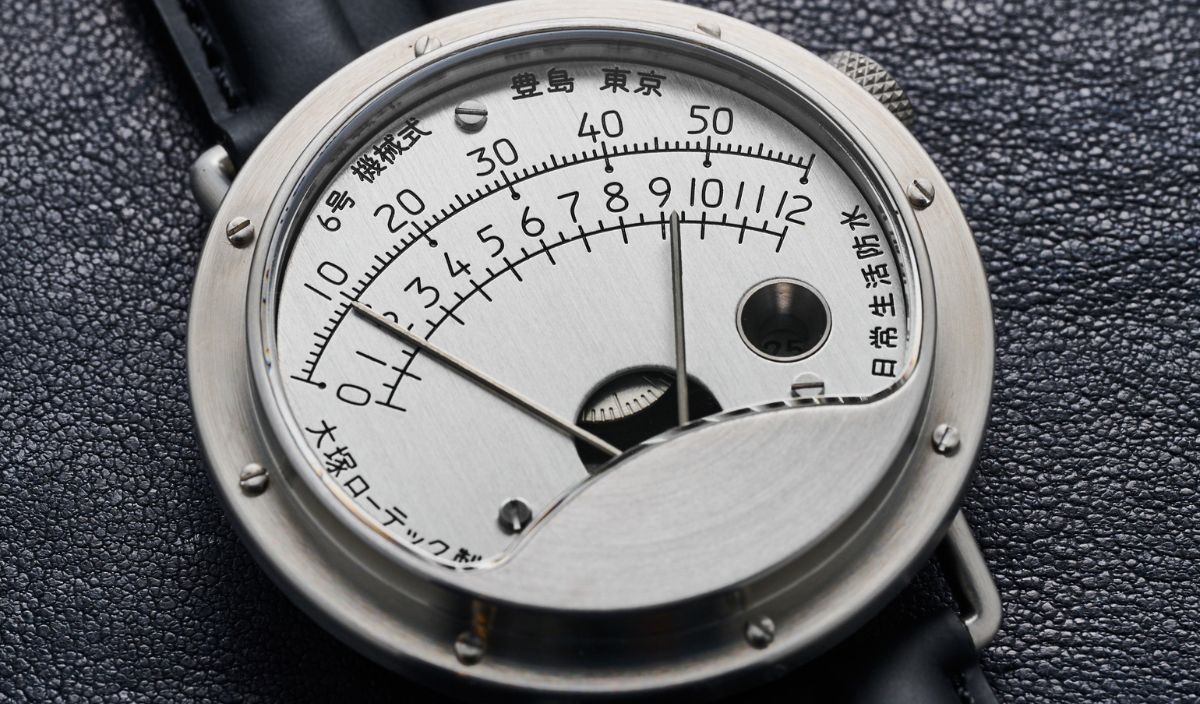
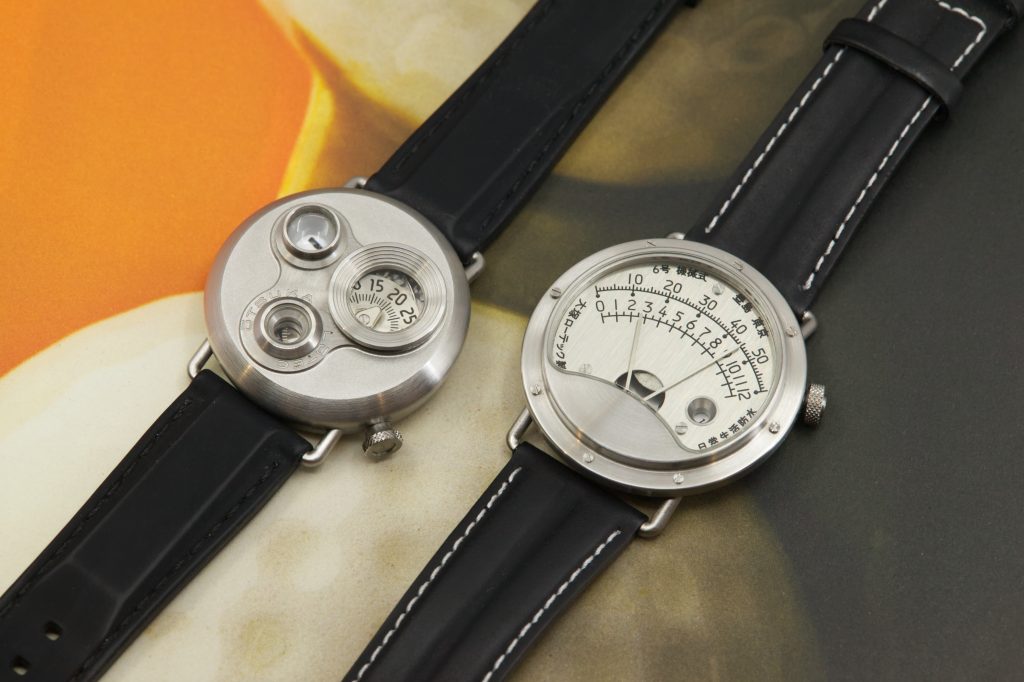
Otsuka Lotec (Ōtsuka Lōtec) is a Japanese independent watch brand known for its unconventional mechanical displays, industrial-inspired aesthetics, and extremely limited production. Founded by Japanese designer and watchmaker Jiro Katayama, the brand has earned a cult following among collectors for creating watches that resemble precision instruments rather than traditional wristwatches.

Unlike many luxury watch brands that emphasize heritage styling, Otsuka Lotec focuses on mechanical creativity, drawing inspiration from vintage measuring devices, cameras, audio equipment, and industrial machinery.

Origin of the Brand

The name “Otsuka Lotec” comes from the Otsuka district of Tokyo, where founder Jiro Katayama worked, combined with the term “Lotec,” meaning “low-tech.” The name reflects Katayama’s preference for hands-on manufacturing methods and mechanically expressive designs.

The company was established in Japan in 2008 after Katayama began experimenting with metalworking and watch case production using a bench lathe he had purchased. What started as a personal machining hobby gradually evolved into a full-fledged watchmaking venture.

Founder: Jiro Katayama

Before entering watchmaking, Jiro Katayama worked as an automotive and product designer. After graduating from design school, he designed vehicles, helmets, transportation-related products, and household devices. His background in industrial design strongly influenced the visual language of Otsuka Lotec watches.

Katayama is largely self-taught as a watchmaker. Rather than following traditional Swiss watchmaking conventions, he approaches watch design from an industrial design perspective, creating timepieces that emphasize function, mechanical movement, and engineering beauty.

Early Development

After several years of experimentation and prototyping, Katayama began selling Otsuka Lotec watches in 2012. Production remained extremely small, with watches being assembled largely by hand and many components manufactured on manually operated machines.

The brand gradually gained recognition among enthusiasts of independent watchmaking, particularly in Japan. International awareness increased through watch media coverage and social media, where collectors praised the brand’s originality and mechanical ingenuity.

Design Philosophy

Otsuka Lotec watches are heavily inspired by industrial instruments rather than traditional watch designs. Sources of inspiration include:

  • Vintage electrical meters
  • Cameras and optical devices
  • Recording studio equipment
  • Automotive gauges
  • Railway and aviation instruments
  • Precision mechanical machinery

This approach produces watches with unusual displays such as satellite hours, retrograde indications, jumping hours, rotating discs, and exposed mechanical structures.

Manufacturing Approach

Otsuka Lotec operates on a small-scale artisanal model. Katayama designs and manufactures many watch components himself, including cases and proprietary display modules. Most models use reliable Japanese Miyota base movements combined with in-house designed complications and display systems.

Production volumes remain very limited compared with mainstream luxury brands, contributing to the watches’ rarity and desirability among collectors.

Notable Models

Some of the brand’s most recognized watches include:

  • No. 5 and No. 5 KAI
  • No. 6
  • No. 7
  • No. 7.5
  • No. 8
  • No. 9

These models showcase the brand’s signature use of unconventional displays and industrial aesthetics while maintaining mechanical reliability.

Industry Recognition

Otsuka Lotec is widely regarded as one of Japan’s most innovative independent watchmakers. Although production remains small and largely focused on the Japanese market, the brand has gained international attention from collectors, watch journalists, and enthusiasts seeking alternatives to traditional Swiss luxury watches.

Key Facts

ItemDetails
Brand NameOtsuka Lotec (Ōtsuka Lōtec)
Country of OriginJapan
Founded2008
Commercial Sales Began2012
FounderJiro Katayama
HeadquartersTokyo, Japan
IndustryIndependent Watchmaking
SpecialtyMechanical watches with unconventional displays
Production StyleSmall-batch, artisan manufacturing
Design InspirationIndustrial instruments, cameras, gauges, machinery

Conclusion

Otsuka Lotec represents a distinctive voice in modern independent watchmaking. Founded in 2008 by designer Jiro Katayama, the brand combines industrial design principles with inventive mechanical engineering to create watches unlike anything produced by mainstream manufacturers. Through limited production, handcrafted construction, and original display systems, Otsuka Lotec has become one of the most respected names in contemporary Japanese independent horology.

How Do Quartz Watches Work?

Samar

June 3, 2026

Quartz watches are among the most accurate, affordable, and widely used timepieces in the world. Whether found in a simple everyday wristwatch, a luxury dress watch, a digital sports watch, or a solar-powered model, quartz technology has transformed modern timekeeping. Unlike mechanical watches, which rely on springs, gears, and a balance wheel, quartz watches use electricity and the natural vibration of a quartz crystal to measure time.

The basic idea is simple: a battery sends electricity through a tiny quartz crystal, the crystal vibrates at a very stable frequency, an electronic circuit counts those vibrations, and the watch converts them into seconds, minutes, and hours. This combination of electronics and precision crystal oscillation is what makes quartz watches so reliable.

To understand how quartz watches work, it helps to look at each part of the movement and how these components cooperate inside the watch.

What Is a Quartz Watch?

A quartz watch is a timepiece powered by a quartz movement. Instead of using a mechanical mainspring as its main source of energy, it usually uses a battery, solar cell, or rechargeable capacitor. The movement is controlled by a quartz crystal oscillator, which acts as the timing regulator.

The word “quartz” refers to the mineral silicon dioxide. Quartz has a special property called piezoelectricity. This means it can produce an electrical charge when pressure is applied, and it can also vibrate when electricity is applied to it. Watchmakers use this property to create a highly stable timekeeping signal.

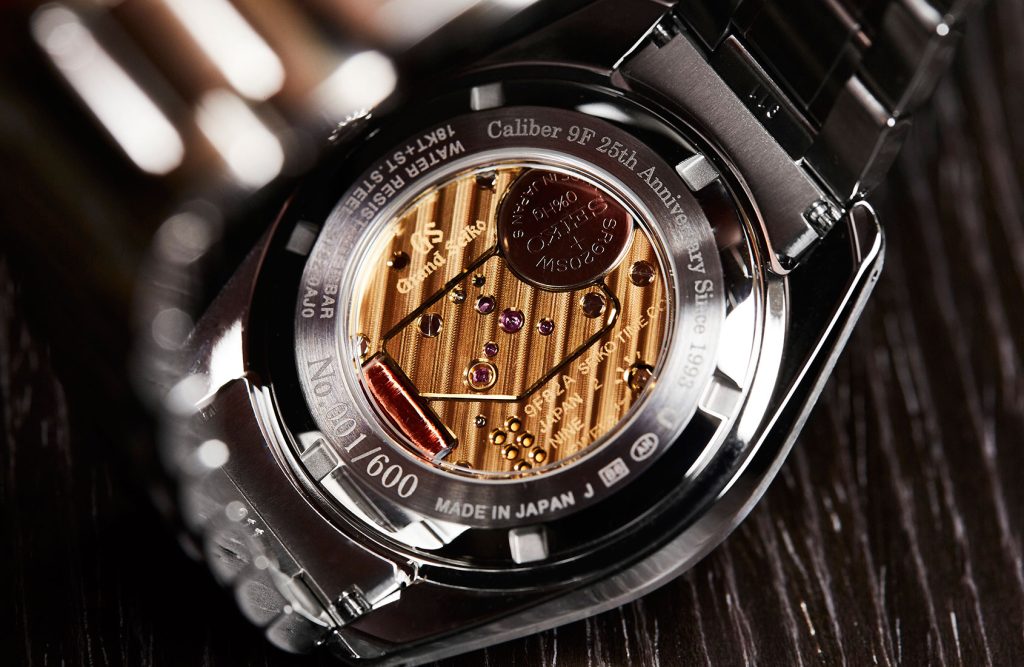
In most quartz watches, the quartz crystal is cut into the shape of a tiny tuning fork. When powered by the watch battery, the crystal vibrates at 32,768 times per second. The electronic circuit inside the watch counts these vibrations and divides them down into one pulse per second. That pulse is then used to move the second hand or update a digital display.

Main Parts of a Quartz Watch Movement

A quartz watch may look simple from the outside, but inside it contains several important components. The main parts include:

1. Battery or Power Source

The battery provides electrical energy to the watch. In most standard quartz watches, this is a small button-cell battery. Battery life varies depending on the movement, display type, and extra functions, but many quartz watches can run for several years before needing a replacement.

Some quartz watches do not use a disposable battery in the traditional sense. Solar quartz watches use light to charge a rechargeable cell. Kinetic quartz watches use wrist movement to generate electricity. Radio-controlled and GPS quartz watches may include additional circuits that consume more power, but the basic timekeeping principle remains the same.

2. Quartz Crystal

The quartz crystal is the heart of the watch. It is responsible for creating the regular vibration that controls timekeeping. Because quartz vibrates at a predictable frequency when electricity is applied, it works like an electronic version of a pendulum.

Most quartz wristwatches use a crystal vibrating at 32,768 Hz. This number is important because it equals 2¹⁵. That means the electronic circuit can divide the frequency by two repeatedly until it reaches one pulse per second. This makes the system efficient, compact, and suitable for battery-powered watches.

3. Integrated Circuit

The integrated circuit, also called the IC or microchip, is the brain of the quartz watch. It receives the high-frequency signal from the vibrating quartz crystal and counts the vibrations. After counting 32,768 vibrations, the circuit produces one electrical pulse.

In an analog quartz watch, that pulse is sent to a stepper motor. In a digital quartz watch, the circuit updates the display directly. The integrated circuit may also control other functions such as alarms, chronographs, calendars, backlights, perpetual calendars, or power-saving modes.

4. Stepper Motor

In an analog quartz watch, the stepper motor converts the electronic pulse into physical movement. Every second, the circuit sends a pulse to the motor. The motor turns a tiny rotor by a fixed amount, usually moving the gear train forward one step.

This is why many quartz watches have a second hand that “ticks” once per second. The stepping motion is not a sign of low quality; it is simply how most analog quartz movements conserve energy.

5. Gear Train

The gear train transfers motion from the stepper motor to the hands. It reduces and distributes movement so the second hand, minute hand, and hour hand move at the correct speeds. The second hand moves once per second, the minute hand completes one rotation per hour, and the hour hand completes one rotation every twelve hours.

Although quartz watches are electronic, analog quartz models still use mechanical gears to display the time. This makes them a blend of electronic regulation and mechanical motion.

6. Display

Quartz watches can display time in different ways. Analog quartz watches use hands and a dial. Digital quartz watches use an LCD or LED display. Ana-digi watches combine both. In every case, the timekeeping signal begins with the quartz crystal and is processed by the electronic circuit.

Step-by-Step: How a Quartz Watch Works

The operation of a quartz watch can be explained in a simple sequence.

First, the battery sends a small electrical current to the integrated circuit. The circuit then applies electricity to the quartz crystal. Because of the piezoelectric effect, the crystal begins to vibrate at a steady frequency.

Second, the quartz crystal vibrates 32,768 times per second. These vibrations are extremely regular, which gives the watch its accuracy. The crystal does not move like a visible pendulum, but on a microscopic level it is flexing back and forth like a tiny tuning fork.

Third, the integrated circuit counts the vibrations. Since 32,768 is a power of two, the circuit can divide the signal repeatedly until it produces one pulse per second.

Fourth, the watch uses that one-second pulse to display time. In an analog watch, the pulse activates the stepper motor, which moves the gears and hands. In a digital watch, the pulse updates the numbers on the screen.

Finally, the process repeats continuously as long as the watch has power. This cycle is what allows a quartz watch to keep time day after day with very little maintenance.

Why Do Quartz Watches Use 32,768 Hz?

The frequency 32,768 Hz may seem unusual, but it is one of the most important numbers in quartz watchmaking. It is used because it equals 2¹⁵, or two multiplied by itself fifteen times. Electronic circuits can divide powers of two very efficiently. By dividing 32,768 by two fifteen times, the circuit creates exactly one pulse per second.

This frequency also offers a practical balance. A lower-frequency crystal would need to be physically larger, while a higher-frequency crystal would usually require more power. For a wristwatch, the crystal must be small, accurate, durable, and energy-efficient. The 32,768 Hz tuning fork crystal became the industry standard because it meets these needs well.

Why Are Quartz Watches So Accurate?

Quartz watches are accurate because the vibration of a quartz crystal is much more stable than the moving parts of a mechanical watch. A mechanical watch depends on a balance wheel, hairspring, lubrication, gear friction, position, temperature, and wear. A quartz watch relies on an electronic oscillator that is far less affected by these mechanical variables.

A typical quartz watch may gain or lose only a few seconds per month. Higher-grade quartz watches can be much more accurate, sometimes rated to only a few seconds per year. Some advanced quartz watches use temperature compensation, higher-frequency crystals, or radio/GPS synchronization to improve accuracy even further.

However, quartz watches are not perfectly accurate. Temperature changes, aging of the crystal, battery condition, and circuit design can all affect performance. Even so, ordinary quartz watches are usually more accurate than most mechanical watches.

Analog Quartz vs Digital Quartz Watches

Analog and digital quartz watches use the same basic timing principle, but they display time differently.

An analog quartz watch has a dial and hands. The quartz crystal controls the timing, while a stepper motor and gear train move the hands. This type of watch often looks traditional, even though its movement is electronic.

A digital quartz watch displays the time on a screen. Instead of moving hands, the circuit updates numbers on an LCD or LED display. Digital watches often include extra functions such as stopwatch timing, alarms, countdown timers, world time, and illumination.

Both types depend on the same core technology: a quartz oscillator controlled by an integrated circuit.

Quartz Watches vs Mechanical Watches

The biggest difference between quartz and mechanical watches is the source and regulation of power.

A mechanical watch is powered by a mainspring. As the spring unwinds, it releases energy through gears. A balance wheel and escapement regulate the release of that energy. Mechanical watches are admired for craftsmanship, tradition, and complex engineering.

A quartz watch is powered by electricity. Its timekeeping is regulated by a quartz crystal and electronic circuit. Quartz watches are usually more accurate, more affordable, thinner, and easier to maintain than mechanical watches.

Mechanical watches appeal to collectors who appreciate traditional horology. Quartz watches appeal to people who value precision, convenience, durability, and low maintenance. Neither type is automatically “better”; they serve different purposes.

Do Quartz Watches Need Maintenance?

Quartz watches require less maintenance than mechanical watches, but they are not completely maintenance-free. The most common maintenance task is battery replacement. When the battery runs low, some watches show an end-of-life indicator, often by making the second hand jump every two or four seconds.

It is important to replace a dead battery promptly because old batteries can leak and damage the movement. Water-resistant watches should also have their gaskets checked after battery replacement to maintain water resistance.

Over time, the movement may collect dust or experience wear in the gears or motor. High-quality quartz watches can often be serviced, while very inexpensive movements are sometimes replaced rather than repaired.

Common Myths About Quartz Watches

One common myth is that quartz watches are cheap or low quality. While many affordable watches use quartz movements, quartz technology is also found in high-end watches from respected brands. Some luxury quartz movements are beautifully finished and highly accurate.

Another myth is that quartz watches have no mechanical parts. Analog quartz watches do contain mechanical parts, including gears, pinions, hands, and a stepper motor. The difference is that their timekeeping is electronically regulated.

A third myth is that quartz watches are less interesting than mechanical watches. This depends on personal preference. Quartz technology is one of the most important innovations in watch history and made accurate timekeeping available to millions of people.

Advantages of Quartz Watches

Quartz watches offer several practical benefits. They are highly accurate, easy to use, and generally affordable. They do not need daily winding, and they are less sensitive to position than mechanical watches. They can also be made very thin, durable, and feature-rich.

For everyday wear, quartz watches are extremely convenient. They are ideal for people who want a reliable watch that can be picked up and worn without adjustment.

Disadvantages of Quartz Watches

Quartz watches also have some disadvantages. Standard battery-powered models require battery changes. Some collectors prefer the craftsmanship and sweeping second hand of mechanical watches. In very inexpensive quartz watches, movements may be replaced rather than repaired.

Quartz watches also lack the traditional emotional appeal that many enthusiasts associate with mechanical movements. However, from a technical and practical standpoint, quartz remains one of the most successful timekeeping technologies ever created.

Conclusion

Quartz watches work by using electricity, a quartz crystal, and an electronic circuit to measure time with remarkable accuracy. The battery powers the circuit, the quartz crystal vibrates at a stable frequency, the integrated circuit divides that frequency into one-second pulses, and the watch displays those pulses through hands or a digital screen.

This simple but brilliant system explains why quartz watches are accurate, affordable, reliable, and widely used. While mechanical watches remain admired for their craftsmanship, quartz watches changed the watch industry by making precise timekeeping accessible to almost everyone.

Whether you wear a basic quartz watch, a luxury quartz model, a digital sports watch, or a solar-powered timepiece, the same fundamental principle is at work: a tiny crystal vibrating thousands of times per second, quietly turning electricity into time.

Introduction

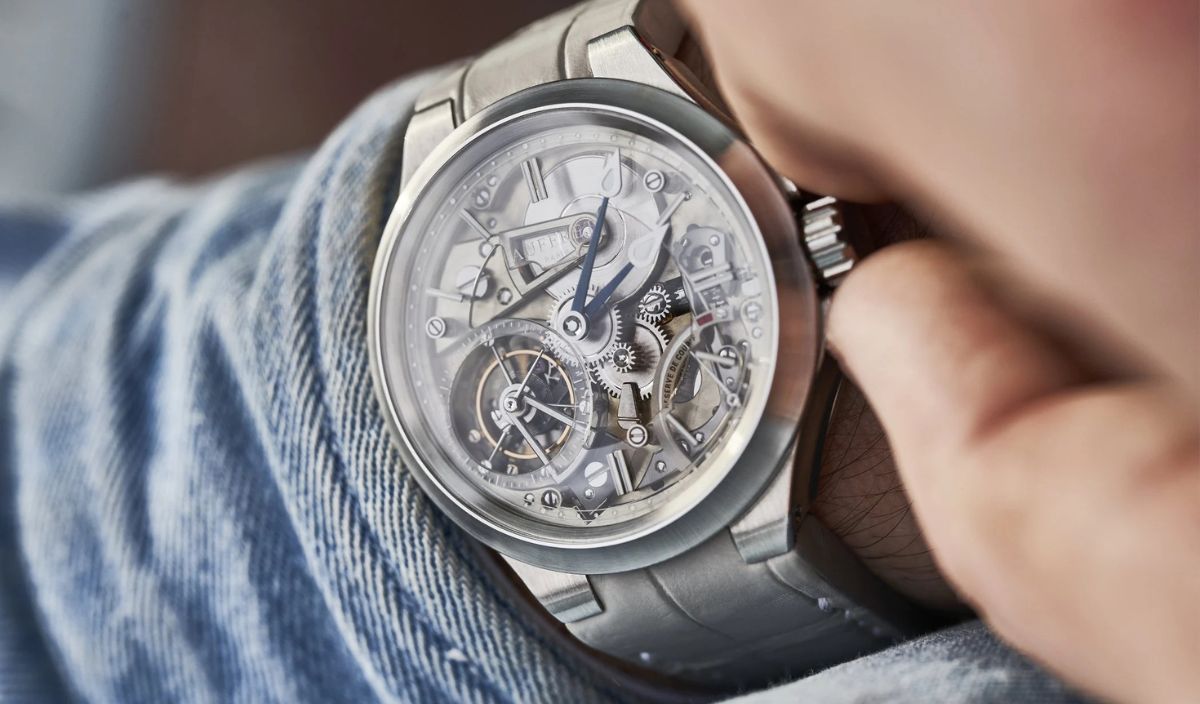
Auffret Paris is an independent French watchmaking brand founded by master watchmaker Théo Auffret. Based in Paris, the brand specializes in highly handcrafted mechanical timepieces that celebrate traditional French horology while incorporating contemporary engineering and design. Despite its young age, Auffret Paris has become one of the most respected names in modern independent watchmaking, earning recognition from collectors and industry experts worldwide.

Brand Origin

Auffret Paris was founded by Théo Auffret, a French watchmaker born in 1995. The brand takes its name directly from its founder and its home city, Paris, reflecting both the personal nature of the enterprise and its commitment to French watchmaking heritage. Unlike large luxury manufacturers, Auffret Paris operates as a small independent atelier where watches are produced in extremely limited numbers and receive extensive hand-finishing.

The brand emerged from Auffret’s ambition to restore France’s historic reputation as a center of high horology, drawing inspiration from legendary French watchmakers such as Abraham-Louis Breguet while developing a distinct modern identity.

Founder: Théo Auffret

Théo Auffret discovered watchmaking at a young age and chose the profession instead of pursuing a traditional engineering path. He trained at the prestigious Lycée Edgar Faure watchmaking school in Morteau, France, one of the country’s most respected institutions for horological education. He later apprenticed with independent watchmakers Denis Corpechot and Jean-Baptiste Viot, gaining expertise in restoration, movement construction, and traditional finishing techniques.

Before launching his own brand, Auffret also worked as a prototype watchmaker and developed a reputation for exceptional craftsmanship. In 2018, he gained international attention when he became one of the winners of the Young Talent Competition organized by the Fondation de la Haute Horlogerie (FHH) and supported by François-Paul Journe.

Foundation and Launch

The Auffret Paris brand began taking shape during the late 2010s as Théo Auffret developed his first signature watch, the Tourbillon à Paris. The watch was first presented publicly around 2018 and marked the formal emergence of Auffret Paris as an independent watchmaking house.

From the beginning, the company focused on extremely low production volumes, emphasizing artisanal manufacturing rather than commercial scale. Each watch requires significant hand-finishing and assembly, resulting in annual production numbers that remain very limited.

Design Philosophy

Auffret Paris follows a philosophy centered on technical excellence, traditional craftsmanship, and architectural movement design. The brand’s watches are often characterized by:

  • Hand-finished mechanical movements
  • Traditional French decorative techniques
  • Three-dimensional movement architecture
  • Visible mechanical complexity
  • Small-scale artisanal production
  • Modern interpretations of classical complications

Rather than pursuing mass-market luxury, Auffret focuses on creating collectible mechanical works of art that showcase the watchmaker’s skill and creativity.

Notable Timepieces

Tourbillon à Paris

The Tourbillon à Paris is the brand’s flagship model and the watch that established Théo Auffret’s reputation among collectors. It combines a manually wound movement with a tourbillon regulator and extensive hand-finishing. The watch draws inspiration from historic French horology while presenting a contemporary mechanical architecture.

Tourbillon Grand Sport

Introduced as a more modern interpretation of the original concept, the Tourbillon Grand Sport features a sportier case design while maintaining the brand’s commitment to traditional finishing and high-end movement construction. The model received widespread attention within the independent watchmaking community and was nominated for the Grand Prix d’Horlogerie de Genève (GPHG).

Manufacturing Approach

Auffret Paris operates as a true independent atelier. Production is carried out in very small quantities, with significant emphasis on handcraftsmanship and movement finishing. Many decorative techniques employed by the brand are inspired by traditional French clocks and pocket watches from the eighteenth and nineteenth centuries.

The brand’s watches are designed not only to perform as precision instruments but also to preserve historical watchmaking methods that have become increasingly rare in modern production.

Industry Recognition

Although relatively young, Auffret Paris has earned significant recognition within the world of independent horology. Théo Auffret is frequently cited alongside a new generation of French watchmakers helping to revive France’s watchmaking tradition. His work has been featured by leading watch publications and respected by collectors for its originality, finishing quality, and dedication to traditional craftsmanship.

Key Facts

ItemDetails
Brand NameAuffret Paris
Country of OriginFrance
HeadquartersParis, France
FounderThéo Auffret
Founder Birth Year1995
Brand LaunchLate 2010s (public debut through Tourbillon à Paris around 2018)
IndustryIndependent Haute Horlogerie
SpecialtyHandcrafted mechanical watches
Signature ModelTourbillon à Paris
Production StyleUltra-limited artisanal production

Conclusion

Auffret Paris represents a new chapter in French independent watchmaking. Founded by Théo Auffret, the brand combines historical French horological traditions with modern technical creativity. Through meticulous craftsmanship, limited production, and a dedication to mechanical artistry, Auffret Paris has established itself as one of the most promising independent watchmakers of its generation and an important contributor to the revival of French haute horlogerie.

To Top