
Charlotte H, Author at Exquisite Timepieces - Page 7 of 18

Author: Charlotte H

seiko sne589 review

Seiko Prospex SNE589 Review

Charlotte H

April 19, 2025

If you’re even remotely into dive watches, Seiko is a name that needs no introduction. The brand has been churning out legendary divers for decades, and the Prospex SNE589 is one of the latest in that lineage. It’s a solar-powered, no-nonsense tool watch with all the classic Seiko DNA.

But here’s the thing—classic Seiko DNA is exactly that: classic. And sometimes, it can feel like a repeat. The same bold case, the same familiar look. But if something works, why change it? 

bot-only-imagebot-only-image

The real question is, does this formula still work? Is it an aesthetic we’ve grown bored of, or is there more going on here than meets the eye?

Is the Seiko Prospex Divers SNE589 watch just another run-of-the-mill Seiko, or has the brand slipped in some magic that makes this one worth your time? These are exactly the kind of questions I’m going to be answering in today’s review. 

Seiko’s History With Dive Watches 
Seiko Prospex SNE589 History

Seiko’s history with dive watches dates back to 1965, when they introduced the legendary 62MAS (Ref. 6217-8001). This was Japan’s first professional dive watch, featuring a 150 meter water resistant stainless steel case, a simple yet highly legible dial, and an automatic movement.

It set the foundation for Seiko’s future dive watches, combining functionality with rugged reliability. Today, the 62MAS remains a sought-after collector’s piece, and its design influences many modern Seiko divers. 

Following the 62MAS, Seiko continued innovating with the release of the 6105 in 1968. This watch, often nicknamed the “Willard” after its appearance in Apocalypse Now, was a favorite among soldiers during the Vietnam War due to its durability and affordability.

It featured a cushion-shaped case, 150 meter water resistance, and an upgraded movement with hacking seconds. 

Then came the 6309 in the late 1970s, another cult classic. With its round case, integrated crown guards, and 150 meter water resistance, it became a favorite among recreational divers and remains one of the most recognizable Seiko divers to this day.

It also marked the beginning of Seiko’s iconic “Turtle” design with its overly round shell-like case which continues to be a staple in their lineup. 

In 1975, Seiko took dive watch technology to new heights with the introduction of the “Tuna” (Ref. 6159-7010). This was Seiko’s answer to deep-sea diving needs, boasting a monocoque titanium case, a protective shroud, and an incredible 600 meters of water resistance.

The Tuna series has since evolved, with modern iterations reaching depths of 1000m while retaining the original’s iconic design.

Seiko didn’t stop there. The 1980s saw the release of the H558-5000, better known as the “Arnie” due to Arnold Schwarzenegger sporting it in movies like Predator and Commando.

This was the first analog-digital hybrid dive watch, featuring a built-in alarm, chronograph, and dual time functionality. It was a futuristic timepiece ahead of its time and remains a fan favorite even today.

 Seiko has continued to innovate, refining their dive watch designs while staying true to their roots and the Seiko Prospex SNE589 is a perfect example of that.

Sure, it still maintains all the necessary traits of a good diver’s watch but it’s also a watch in its own right. It’s not too oversized like Tuna nor is it futuristic like the Arnie. It’s almost the perfect balance of everything; modern but classic, simple but functional.

The Seiko Prospex was launched in 2022 as part of the Japanese watchmakers’ Prospex Solar Diver lineup. This innovative family brought a modern, eco-friendly twist to the brand’s dive watch heritage by introducing three solar-powered models: the black SNE589 (the model we’re reviewing today), the Pepsi-bezel SNE591 and the blue SNE593.

Each features a 42.8mm stainless steel case, a sleek flat dial, and the reliable V157 solar caliber. Unlike some of Seiko’s previous solar divers, they also ditch the date magnifier for a cleaner look, something that’s bound to divide opinions among fans. 

Case

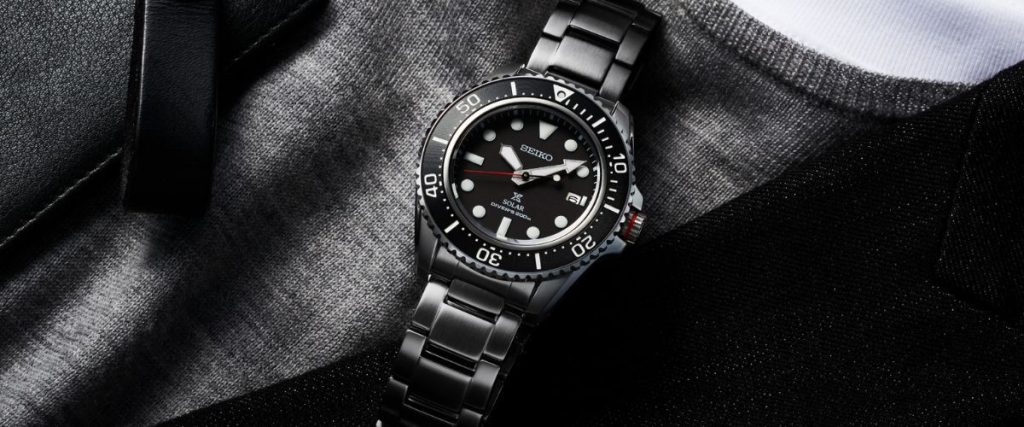
The case of the Seiko Prospex SNE589 follows classic Seiko design principles, and if you’ve ever worn an SKX, you’ll feel right at home. Measuring 42.8mm in diameter, 10.7mm thick, and with a lug-to-lug of 49.2mm, it has that perfect balance of wrist presence and wearability.

It’s substantial enough to feel like a real tool watch but compact enough for everyday use. Seiko knows how to make a dive watch that hugs the wrist, and this one is no exception. 

The case shape sits somewhere between two of Seiko’s most famous designs. It’s not as rounded as the Turtle, nor as aggressively angular as the Samurai.

Instead, it strikes a middle ground with a barrel-shaped silhouette that combines soft edges with enough sharp corners to keep things modern. It’s a great mix of vintage inspiration and contemporary execution.

The finishing is typical of a Seiko diver in this price range with mostly brushed surfaces for that rugged, tool-watch look, with just enough polished accents to keep it from feeling dull. The brushed finishing extends across the lugs, while the polished case sides give a subtle contrast, catching the light nicely. 

Then there’s the bezel. It’s a proper unidirectional rotating bezel with a 60-minute diving scale, finished in black with crisp white printing.

It has a knurled edge for easy grip, even with diving gloves on, and a pearlescent pip at 12 o’clock for quick orientation in low-light conditions. The action is what you’d expect from a Seiko at this level, firm but smooth, with minimal back play. 

The crown is positioned at 3 o’clock and screws down tightly to ensure a full 200 meters of water resistance. It’s easy to grip, and Seiko adds a little detail that enthusiasts of striking design will appreciate, a red rubber gasket that not only adds to the water-tight seal but also ties in nicely with the red seconds hand on the dial.

It’s only a small hint of colour but one that makes a huge difference to the overall aesthetic of this Seiko Prospex, giving it a little more oomph compared to an all-black and steel model. 

The caseback of the Seiko SNE589 is solid and screw-down, as you’d expect, with Seiko’s classic tsunami logo proudly stamped in the center. No display caseback here, but honestly, for a serious dive watch with a 200 meter water resistance, I’d expect nothing less. 

Finally, we have the crystal and this is where Seiko throws in a pleasant surprise. Rather than opting for mineral crystal, which is what you’ll find on both diving watches at this price range, the Japanese watch brand has opted for sapphire crystal.

Even many of Seiko’s more affordable divers opt for Hardlex, so getting a proper scratch-resistant sapphire crystal at this price point is a nice touch. It’s flat, which keeps reflections to a minimum, and gives the dial a clean, no-nonsense look and added scratch resistance.

Dial 

The dial of the SNE589 is pure tool-watch functionality. There’s no frills, no unnecessary embellishments but just clear, purposeful design. The smooth black surface provides the perfect backdrop for the bold indices to ensure maximum contrast and legibility.

The hour markers are large and rounded, filled with generous amounts of Seiko’s famous LumiBrite for excellent low-light visibility. The 12 o’clock marker stands out with its iconic trapezoid shape, while the 6 and 9 o’clock positions feature thick baton markers to keep the symmetry balanced. 

At 3 o’clock, there’s no traditional marker. Instead, you get a date window with a white date disc and black text. This gives it a marker-like appearance but with some essential functionality.

One key detail to mention is that this date lacks any sort of cyclops magnifier which is a rare omission for a Seiko’s solar diver. This decision has its pros and cons: on the one hand, it keeps the dial cleaner, more modern and less cluttered, but on the other, it may make the date slightly harder to read for some users. 

The hands follow Seiko’s classic diver format. The hour hand is one large and overly bold arrow that is easy to distinguish at a glance, while the minute hand is a broad pipette shape for precise reading.

The seconds hand is thinner but finished in a striking red, adding a much-needed pop of color to the otherwise monochrome dial. It also serves a functional purpose making it easier to see that the watch is running at a quick glance. 

Other printed elements on the dial include the Seiko logo at 12 o’clock and the standard Prospex markings at 6 o’clock, indicating its solar-powered movement and 200m water resistance. It’s all kept minimal, ensuring nothing detracts from the dial’s primary function: pure, effortless readability.

Movement

As we’ve already mentioned, the Seiko Prospex SNE589 isn’t an overly complicated mechanical watch nor is it a classic quartz model.

Instead, it’s powered by Seiko’s V157 solar quartz movement. Sure, it might not be the kind of movement that gets collectors talking, but it’s an absolute workhorse in terms of reliability and convenience. 

Unlike mechanical movements that require regular winding or servicing, this solar-powered engine keeps ticking as long as it gets exposure to light. And with a fully charged power reserve of around 10 months, you could leave it in a drawer for weeks and still pick it up with the correct time and date.

During my time with the watch, I made a conscious effort to take it outdoors as much as possible. I mainly took it hiking and of course, swimming and for me, the charge level was never an issue, and despite tracking the time against an atomic clock, I didn’t notice any deviation over the weeks I wore it.

That’s the beauty of a well-executed quartz movement. You get effortless accuracy with none of the maintenance headaches.

The V157 also comes with a quick-start function, so even if you do somehow manage to drain the battery completely, just a few minutes in the sun will bring it back to life.

There’s also an overcharge prevention feature, ensuring that no matter how much time it spends in bright light, you won’t have to worry about damaging the movement.

Straps 

Unlike many Seiko divers that come on rubber straps, the Seiko Prospex SNE589 ships with a three-row stainless steel bracelet. While it’s nice to see a diver on a bracelet and it does help to bring a dressier look to the design, I have to be honest, it’s probably my least favorite part of the watch. 

The links themselves are decent enough, with a mix of brushed and polished finishes that match the case well, but the clasp is where things start to fall apart.

It’s a basic stamped clasp that feels flimsy, especially for a watch at this price point. It gets the job done, but it’s not exactly confidence-inspiring. 

But thankfully, it’s a bracelet that is more than easy to swap out, thanks to the standard 20mm lug width. If you’re anything like me, you’ll probably want to throw this on a rubber strap almost immediately.

A black silicone band would give it that classic dive-watch feel, but honestly, I think a red strap could be a fun way to tie in the red seconds hand and crown seal. NATO straps are another great option, especially if you want something lightweight and breathable. 

At the end of the day, the bracelet isn’t a deal-breaker, but it’s not exactly a selling point either. Thankfully, it’s the one part of the watch that’s easy and relatively inexpensive to change, so if you love the Seiko SNE589 but aren’t sold on the bracelet either, there’s nothing stopping you from making it your own.

On-Wrist Experience 

Despite its 42.8mm case diameter, I found the Seiko Prospex SNE589 to wear incredibly well. Thanks to its relatively slim 10.7mm thickness – something that’s not a common sight in a 200 meter water resistant dive watch – and a well-balanced lug-to-lug measurement of 49.2mm, it sits comfortably without feeling bulky.

The case shape plays a big role here too with the barrel design with soft edges hugging the wrist nicely, making it feel more compact than the numbers might suggest. 

If you have a 7-inch wrist or larger, you’ll have no problem pulling this off, but even those with a 6.5-inch wrist should find it wearable.

That said, if your wrist is on the smaller side, around 6 inches or below, you might want to check out some of Seiko’s mid-size Prospex divers in the 38mm range. Finding smaller dive watches isn’t always easy, but the Prospex collection offers some great options. 

Price & Availability 

The Seiko Prospex SNE589 retails for $525 brand new, which is pretty reasonable considering its solar movement, sapphire crystal, and full ISO-certified dive watch credentials.

Since it’s been out for a couple of years now, you can also find pre-owned examples on the second-hand market, typically ranging between $400 and $450, depending on condition and whether they come with the full set of box and papers. 

Unlike some of Seiko’s more exclusive releases, the SNE589 isn’t a limited edition and instead a permanent part of the Prospex lineup. That means availability shouldn’t be an issue and there’s no immediate rush to make a purchase if you’re still unsure. 

If you’re buying new, it’s always best to go through an authorized Seiko retailer like Exquisite Timepieces. That way, you can be sure you’re getting a genuine Seiko, complete with the official box, paperwork, and manufacturer’s warranty.

Conclusion 

So, is the Seiko Prospex SNE589 just another Seiko diver, or does it bring something fresh to the table? The answer is a bit of both.

Yes, it follows the tried-and-true Seiko dive watch formula because it’s ultimately a no-nonsense tool watch with a classic black dial, a well-sized stainless steel case, and rock-solid water resistance. But at the same time, it introduces some meaningful upgrades that make it stand out. 

The sapphire crystal is a major plus, offering far better scratch resistance than Seiko’s usual Hardlex. The solar-powered V157 movement is another key addition, delivering hassle-free, low-maintenance accuracy with months of power reserve.

It’s the kind of movement that makes this watch an ideal “grab-and-go” piece because you can just pick it up, throw it on, and never worry about winding or battery replacements. 

While the bracelet leaves something to be desired, that’s a minor gripe when you consider how easy and affordable it is to swap out.

And with a comfortable, well-sized case that wears well on most wrists, this is a dive watch that can handle anything. So if you were to ask me what I’d recommend if you wanted a durable, water-resistant, worry-free diver that doesn’t break the bank, I’d most likely answer with the Seiko Prospex SNE589.
rolex 14060 vs 14060m

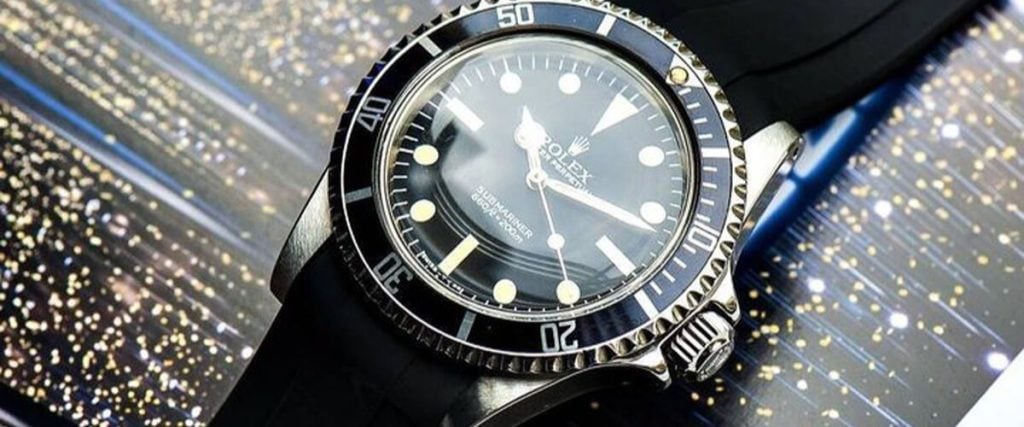
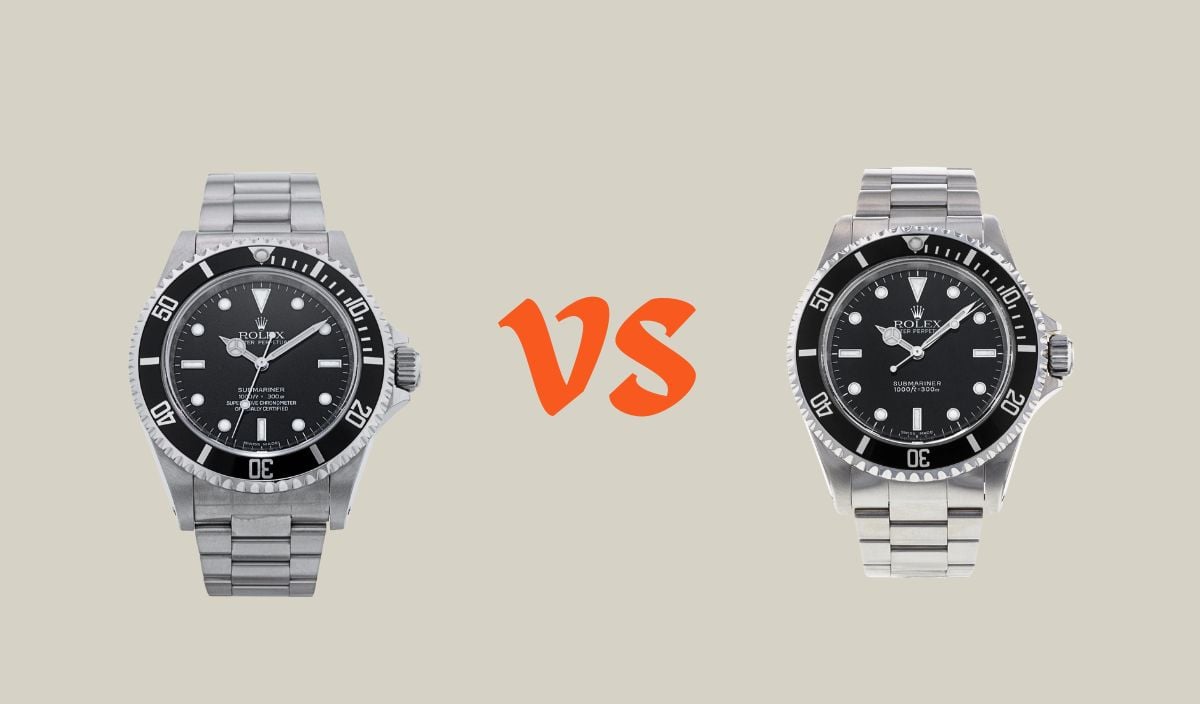
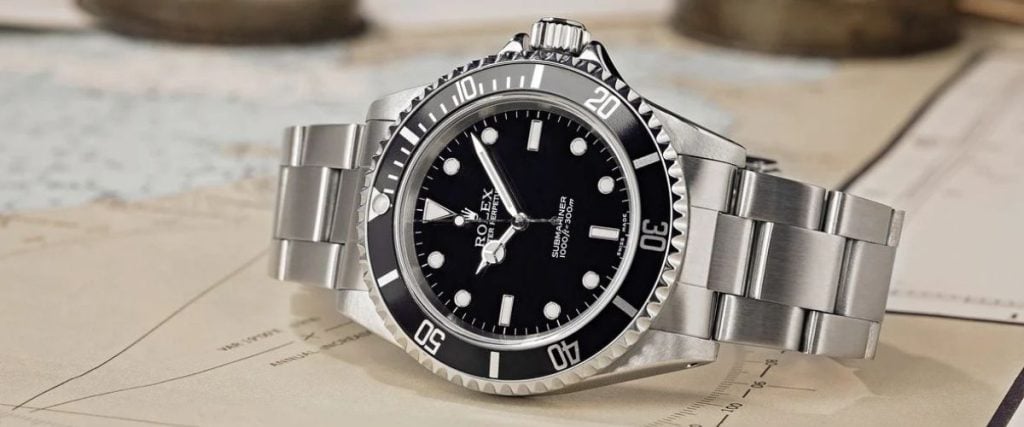
If you were to look at the Rolex Submariner 14060 and 14060M side by side, you’d probably struggle to spot the differences right away. After all, both models share the same dimensions, that iconic jet-black dial, and the classic Rolex Submariner aesthetic we all know and love. At first glance, they’re virtually indistinguishable. 

But, while the differences between these two models might not immediately jump out at you, they’re there, and they actually have a bigger impact on the overall feel and performance of the watch than you might expect. 

bot-only-imagebot-only-image

The Rolex Submariner is the ultimate “grab-and-go” watch; it’s iconic, versatile, and built to withstand just about any occasion or environment.

It’s one of those watches that seamlessly transitions from the office to the beach, pairing just as well with a suit as it does with a wetsuit. But if you’re thinking about adding one of these legendary timepieces to your collection, you might want to dive a little deeper (pun intended).

What’s subtle at first glance could be a game-changer when it comes to how the watch performs, so if you’re wanting to know the difference between the Rolex 14060 and the 14060M, keep reading…

The Rolex Submariner 14060 

The Rolex Submariner 14060 

If you’re even remotely familiar with the Rolex Submariner, then it’s likely you’ve already heard about the 14060 in passing. It’s considered a classic in the world of dive watches, and for good reason.

Released in 1988, it replaced the iconic Rolex Submariner 5513, a watch that had been a part of the brand’s history for decades.

While the 14060 certainly kept much of what made its predecessor so beloved, it also introduced a handful of important updates that made it more suited for modern use, all while still retaining its signature and timeless appeal. 

One of the key upgrades in the Submariner 14060 was the introduction of a sapphire crystal. Unlike the acrylic crystals of earlier models, sapphire offers greater scratch resistance and durability, making it an obvious choice for a tool watch like the Submariner which is explicitly designed for adventure.

Additionally, the 14060 featured the Triplock crown, which enhanced its water resistance, bringing the depth rating up to an impressive 300 meters. These small but important changes made the Rolex Submariner 14060 an even more robust diving watch, ready for just about any adventure.

The movement inside the 14060 was the automatic Rolex Caliber 3000, known for its reliability and precision. With a power reserve of around 50 hours, it offered excellent performance, making the Submariner 14060 not only a great diving companion but also a dependable everyday watch – which let’s be honest is what it’s mostly used for.

It also retained the same 40mm stainless steel case size as previous models, a classic set of Submariner proportions that fit comfortably on a variety of wrist sizes.

The dial of the Rolex 14060 comes in the iconic glossy black and originally featured applied tritium hour markers and hands, giving the watch that unmistakable vintage feel.

Early models included the “SWISS-T<25” text on the dial, signifying the use of tritium for luminescence, which was eventually phased out in the late ’90s in favor of the more modern “SWISS” marking as the industry shifted toward the use of Super-LumiNova.

This design element, while subtle, contributed to the watch’s overall aesthetic, which was clean, functional, and practical.

In fact, the 14060 is often praised for its simplicity since there’s no date window and no extra complications. There’s three hands and a rugged, no-nonsense look that allows the wearer to focus on the essentials. 

Another defining feature of the 14060 is its 40mm case, crafted from Rolex’s proprietary 904L stainless steel. Known for its resistance to corrosion and its ability to take on a beautiful finish, this material is a hallmark of Rolex craftsmanship.

The watch also boasted drilled lugs, which made strap changes quick and easy, a small touch that many enthusiasts particularly appreciate, even if it’s less common in more recent models. 

The bracelet on the 14060 was the classic 93150 Oyster, equipped with a folding clasp. While this design is often considered a bit less refined than the modern bracelets, it retains a certain charm and comfort that many collectors still admire.

It’s an example of how the 14060 strikes the perfect balance between being a true tool watch and having a certain understated elegance. The stamped end links and the slightly bulkier clasp might not compare to today’s solid-link, glidelock systems, but they are part of the character and authenticity of the watch.

Finally, for lovers of collectible Rolex models, the Submariner 4060 is known for being the last “non-chronometer” Submariner before the brand began certifying all of its models for accuracy.

Some argue that this adds a layer of charm and purity to the 14060, as it lacks the excess text and certification labels seen on newer models. The two-line dial, noted with just “Rolex” and “Submariner”, gives it a clean, uncluttered look that many collectors find especially appealing.

The Rolex Submariner 14060M

The Rolex Submariner 14060M

Released in 1999, the Rolex Submariner 14060M was the “modified” version (hence the ‘M’ at the end of its reference number) of the beloved 14060.

With the addition of the new letter, it brought with it a few key updates that made this watch even more reliable and refined, while still keeping that classic Submariner appeal. 

The change was the movement. The 14060M was now powered by the Rolex Caliber 3130, a significant step up from the Caliber 3000 found in the earlier 14060. This movement featured a larger balance wheel and a full balance bridge, improving stability and overall performance.

It’s a movement that had been tested in other models, so it wasn’t a big leap, but it was a much-needed refinement that made the 14060M even more dependable. 

This also meant there was a small but noticeable change on the dial. In 2007, when Rolex officially submitted the 14060M for chronometer certification, the watch earned a new set of four-line text on the dial, proudly displaying the “Superlative Chronometer Officially Certified” marking.

While this was a great advancement in terms of performance, there are still plenty of collectors who prefer the clean, two-line dials of the earlier 14060M models. 

But while the Rolex Submariner 14060M was updated in certain areas, it still retained many of the core elements that made its predecessor, the 14060, a beloved classic. It kept the same 40mm stainless steel case, the familiar lug holes, and the no-frills Submariner look.

The dial was also the same, with a classic glossy black finish, applied hour markers and the signature clean, no-date display. The Rolex 14060M also kept the classic “hole case” design, making strap changes a breeze, and featured the 93150 Oyster bracelet with folding clasp, just like its predecessor. 

So yes, while the Rolex Submariner 14060M might have had some tweaks, its essence and the qualities that have made the Submariner a legend are very much intact. It’s a watch that will continue to look great and perform flawlessly for years, keeping its place as a true classic in Rolex’s storied history.

Rolex Submariner 14060 vs 14060M – How to Choose 

When comparing the Rolex Submariner 14060 and 14060M, it’s easy to see that both models share the same iconic look.

They both boast the classic 40mm stainless steel case, the sleek black dial with applied hour markers, and the no-date display that has become synonymous with the Submariner’s utilitarian design. They also offer the same depth rating of 300 meters, ensuring their performance in underwater conditions. 

However, the 14060M, released a decade after the 14060, does come with some key differences that could influence your decision depending on what you’re looking for in a timepiece.

The most significant change is the movement. The 14060M is equipped with the Caliber 3130, a movement that offers improved performance and stability compared to the Caliber 3000 found in the 14060. 

The Caliber 3130 boasts a larger balance wheel, a full balance bridge, and the Breguet overcoil, enhancing the watch’s precision and durability. This updated movement makes the 14060M feel a bit more refined and capable, adding an extra layer of reliability and robustness.

Additionally, models released from 2007 onward are chronometer-certified, which means they’ve passed rigorous testing set by the Swiss Official Chronometer Testing Institute (COSC). 

This certification ensures that the movement meets a specific standard of accuracy within a range of -4 to +6 seconds per day making the Rolex 14060M not only more reliable but also officially recognized as a high-performance timepiece.

This added layer of quality assurance makes the 14060M a highly desirable model for watch enthusiasts who appreciate certifications of accuracy like this. 

With the chronometer-certified movement also comes the extra text on the dial. The 14060 features just two lines of text, giving it a cleaner, more vintage-inspired look. This minimalistic design is perfect for those who love the old-school charm of the Submariner.

On the other hand, the 14060M, after its 2007 upgrade, carries a four-line dial with the “Superlative Chronometer Officially Certified” label, indicating its chronometer certification. This adds a bit more text to the dial, which some collectors might appreciate for the added performance, while others might find it clutters an otherwise clean display. 

If you’re someone who appreciates a classic, vintage-inspired design but still wants the benefits of modern watchmaking, the 14060 is a fantastic option.

With its no-date simplicity, timeless look, and features like the sapphire crystal and 300m water resistance, it offers the Submariner’s iconic style without unnecessary complication and added text on the dial. It’s the perfect model for those who want a nod to the past, with just enough modern touches to make it a reliable everyday companion. 

However, if you’re more focused on precision and performance, or if you simply appreciate the extra stability and robustness of a modern movement, the Rolex Submariner 14060M will be the better fit for you.

The updated Caliber 3130 movement not only offers enhanced accuracy but also brings added durability with features like the full balance bridge and the Breguet overcoil. Plus, the chronometer certification of the 14060M ensures that you’re getting a timepiece with a high level of precision.

Conclusion 

At the end of the day, both the Rolex Submariner 14060 and 14060M are incredible watches, each bringing something special to the table.

If you’re someone who loves the idea of a vintage, no-frills dive watch, the 14060 will be your perfect fit. It’s got that classic, minimalist design with just enough modern upgrades to make it a reliable daily companion.

The Caliber 3000 movement may be a bit older, but it’s still rock solid, and the overall vibe of the Sub 14060 is timeless.

But, if you’re more about precision, performance, and the added peace of mind that comes with chronometer certification, the Rolex Sub 14060M will be more your style.

With the updated Caliber 3130 movement, it brings enhanced accuracy and durability, plus that extra layer of precision that comes with being chronometer certified. Sure, you’ll get a bit more text on the dial, but for those who appreciate the finer details, it’s definitely worth it.

There are other watches out there that might be more visually striking and more notably more affordable, but when it comes to a “grab-and-go” timepiece that can handle whatever life throws at it while still looking sharp and performing flawlessly, it’s hard to beat the Rolex Submariner 14060 and 14060M. Both are fantastic watches in their own right, and honestly, you can’t go wrong with either one.

oris watch review

Oris Watch Review: Is this Brand Worth Your Money?

Charlotte H

March 31, 2025

When I first got into watches, like most people, I only knew the big names; Rolex, Omega, Longines and a few other heavy hitters. But I also knew there was a whole world of incredible watch brands out there, so where do you even start?

One of the very first unknown brands I was introduced to was Oris. A close friend of mine, who knew I was just starting my watch collecting journey, told me something that stuck with me: “If you want a Swiss-made watch that looks and feels the part, but doesn’t cost anywhere near what a Rolex does, check out Oris”. And so I did.

bot-only-imagebot-only-image

It didn’t take long for me to fall down the Oris rabbit hole. I dove into their history, explored their past collections, and familiarized myself with their extensive lineup of modern timepieces. And, of course, I ended up buying a few along the way.

I realised that Oris wasn’t just some bog-standard Swiss brand, but they have a really unique identity, a strong heritage, and an undeniably playful charm that sets it apart from so many of its competitors.

So, if you’re in the same position I once was, curious about Oris but unsure whether it’s worth your hard-earned money, this review is for you.

Having owned several Oris models and tried on most of their core collection at some point, I’m here to share everything I’ve learned to help you decide whether Oris is the right brand for your wrist.

The History of Oris & Major Milestones

Oris has one of those stories that just makes you root for them. It all started in 1904, in the little Swiss town of Hölstein, when two ambitious watchmakers, Paul Cattin and Georges Christian, decided to start a watch company.

They named it Oris, after a nearby brook, nothing fancy, just clean and simple, like their approach to watchmaking. Fast forward a few years, and Oris became the biggest employer in town.

By the late 1920s, Oris was making a name for itself, cranking out high-quality wristwatches and clocks that were getting noticed worldwide. But then, as aviation took off (literally) in the 1930s, Oris saw an opportunity and ran with it.

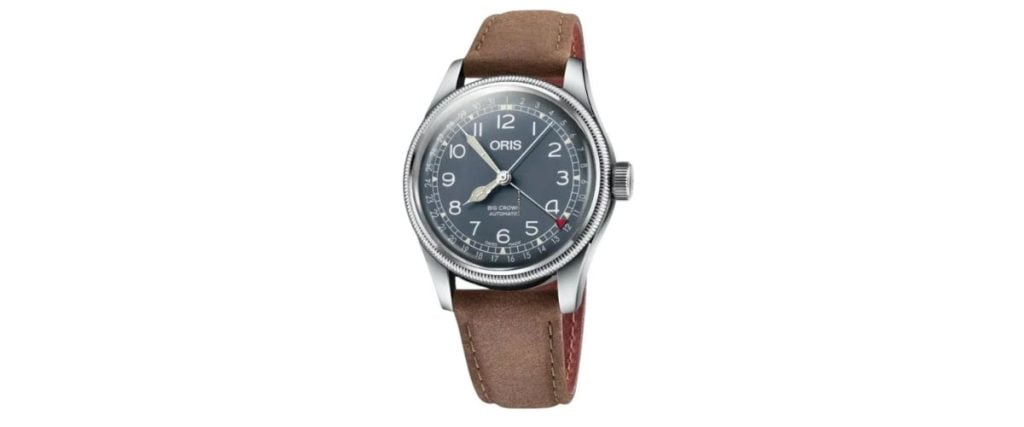
That’s when they introduced the now-iconic Big Crown in 1938. The name says it all; this thing had an oversized crown that made it easy for pilots to adjust their watches even while wearing thick gloves. It’s a model that is still a staple in their line-up today.

In 1952, Oris launched an automatic watch with a power reserve indicator which was a pretty major breakthrough at the time. A few years later, they released the Calibre 601, which had an alarm function, so it was clear early on that

Oris was about adding real, useful features to their timepieces rather than just making gimmicky watches. This was proven again in 1965 when they debuted their first dive watch, the Oris Divers Sixty-Five. Rugged, reliable, and built to handle the deep, it’s a watch that’s still loved today – and one of my personal favourites.

But then came the 1970s, and things got rough. not just for Oris, but for pretty much the entire watch industry. The Quartz Crisis hit, and suddenly, cheap, battery-powered watches were everywhere.

A lot of Swiss brands either folded and reluctantly switched to quartz or closed down entirely. But not Oris. Instead, they doubled down on mechanical watches, even though it wasn’t the easy choice. It was risky, but in hindsight, it was the move that kept them true to their identity.

Then in 1982, Oris got a second wind. A management buyout gave the company its independence back, and they made a bold call to stick only with mechanical watches, no matter what.

This was when they reintroduced the Big Crown Pointer Date, a watch that became a fan favourite and helped bring the brand back into the spotlight.

By the 1990s, Oris was back in full swing. They dropped the Calibre 581 with a moonphase complication and in the 2000s, they kept expanding, adding collections like the Oris Artelier for those who love a dressier, more elegant watch and the Oris ProDiver for serious underwater adventurers.

Before we hint too much at some of their more modern releases, we should also mention the launch of the Oris Aquis Depth Gauge in the early 2000’s.

This was, and still is, an insanely innovative diving watch that allows underwater explorers to measure depth without electronics by using water pressure to tell you how deep you are. It’s a watch that is just classic Oris, solving problems in a mechanical, no-nonsense way.

Through all the ups and downs, Oris has stayed true to what they do best: making high-quality, no-frills Swiss mechanical watches at a price that feels almost too good to be true. And as a testament to their iconic innovations, many of these designs remain an integral part of Oris’ collections today.

The Modern-Day Oris Watch Collection

Oris is in a fascinating place right now. While still fiercely independent and committed to mechanical watchmaking, the brand has evolved beyond just being a maker of high-quality tool watches.

It’s built a strong reputation for innovation, sustainability, and a sense of fun which is something you don’t always see in traditional Swiss watchmaking. 

On the serious side, Oris is dedicated to conservation efforts, regularly launching limited-edition watches that support various environmental causes. From partnerships with ocean conservation groups to reforestation projects, Oris is proving that watchmaking and sustainability can go hand in hand. 

But Oris also knows how to have fun. Recent special editions like the ProPilot X Kermit with its bright green dial and a surprise Kermit emoji on the first of every month, showcases the brand’s light-hearted side.

Then you have the Sixty-Five Cotton Candy series, a bold and unexpected take on dive watches with pastel-colored dials in bronze cases. Their ability to not take themselves too seriously is one of the reasons I love Oris so much, but equally, they have plenty of serious tool watches to balance their portfolio out. 

The Oris Aquis 

The Oris Aquis

The Aquis is Oris’ powerhouse dive watch collection. Rugged, stylish, and packed with modern features, it’s a go-to for professionals and enthusiasts alike.

The Aquis Date is the most recognized model, available in multiple sizes and dial colors, while the Aquis Depth Gauge takes things further by incorporating a patented system that allows divers to measure depth directly from the watch.

More recently, Oris has been incorporating its in-house Calibre 400 into the Aquis line. This movement offers an impressive five-day power reserve, high levels of anti-magnetism and even an outstanding 10-year warranty. I don’t know any other affordable Swiss watchmaker that has their name attached to something like this. 

The Oris Divers Sixty-Five

If you love vintage-inspired dive watches, the Divers Sixty-Five is a dream come true. This collection is a modern revival of Oris’ first dive watch from 1965, complete with retro touches like domed sapphire crystals, old-school font choices, and “light old radium” Super-LumiNova. 

Despite its vintage aesthetic, the Divers Sixty-Five is thoroughly modern in construction. Stainless steel cases, modern movements, and even chronograph options make it a great choice for those who want a blend of history and contemporary watchmaking.

And let’s not forget the Cotton Candy series, a range of bronze-cased and stainless steel models with pastel dials that bring a playful, unexpected twist to dive watches. 

The Oris Big Crown

The Oris Big Crown

One of Oris’ most iconic collections, the Big Crown series dates back to 1938. Originally designed for pilots, these watches feature oversized crowns for easy operation with gloves and a distinctive fluted bezel. 

The Big Crown Pointer Date is easily the best known model in this family. Instead of a traditional date window, it uses a central hand to point to the date, circling the outer edge of the dial. It’s a simple yet charming complication that has been part of Oris’ DNA for over 80 years. 

The Oris ProPilot

Another collection designed with pilots in mind, the Oris ProPilot combines functionality with sleek aviation aesthetics. Models like the Big Crown Altimeter, a mechanical watch with a built-in altimeter, showcase Oris’ technical prowess, making it a true tool watch. 

The ProPilot X takes things in a more modern direction. It retains the aviation influence but with a more contemporary integrated titanium architecture and minimalist functionality.

With bold colors and an in-house movement, it’s perfect for those who want something a little different from a traditional pilot’s watch. And, of course, there’s the ProPilot X Kermit Edition, and more recently their Miss Piggy Edition, which both bring a playful side to an otherwise serious collection. 

The Oris Rectangular 

The Oris Rectangular

The Oris Rectangular isn’t the brand’s most talked-about collection, but it’s one of its most unique. A departure from Oris’ usual round tool watches, the Rectangular offers an Art Deco-inspired design with clean lines and a polished case. 

Available in multiple dial colors and featuring automatic movements, the Rectangular is a dressy yet versatile option for those who want something different. It proves that Oris isn’t just about dive and aviation watches and that they can do classic elegance too. 

The Oris Artelier

The Oris Artelier

If there’s one collection that showcases Oris’ ability to do dress watches, it’s the Artelier series. Unlike the brand’s rugged dive and aviation watches, the Artelier models embrace classic dress watch aesthetics, with slim polished cases, minimalist dials, and traditional leather straps. 

One standout piece in the lineup is the Artelier S, a watch that strips things down to the essentials. At 38mm, with almost no bezel, it’s all about the dial, creating an elegant and contemporary look.

The curved lugs ensure a comfortable fit, while the leather straps and polished stainless steel cases add to its timeless appeal. 

What Makes Oris Watches Stand Out? 

Oris has carved out a unique space in the watch world, bringing together a brilliant mix of mechanical craftsmanship, affordability, innovation, and a fun-loving personality that sets it apart from other Swiss brands. 

Only Mechanical Watches 

One of the most defining traits of Oris is that they only make mechanical watches. Unlike many brands that jumped on the quartz bandwagon, Oris has remained dedicated to traditional watchmaking, creating pieces that are built to last.

From robust Sellita-based calibers to their own impressive in-house movements, each one guarantees high levels of reliability and precision. It makes them the perfect watch brand for collectors, like myself, who prefer traditional mechanical timekeeping over modern-day quartz. 

Luxury Without the Price Tag 

For a Swiss-made mechanical watch, Oris is surprisingly accessible. While many brands price their in-house movement watches well into the five-figure range, Oris offers high-quality craftsmanship at a fraction of the price.

Their flagship Aquis dive watches and Big Crown Pointer Date models compete with watches that cost thousands more, proving that you don’t need to spend a fortune to own a beautifully crafted, reliable timepiece. 

Committed to Conservation 

Oris isn’t just about making great watches. They’re also deeply invested in ocean conservation. Many of their limited-edition releases support environmental causes, like the Aquis Great Barrier Reef, which helps protect one of the world’s most vital ecosystems, and the Oris Aquis Bracenet, which features a dial made from recycled fishing nets, created in partnership with Bracenet.

The isn’t a brand that just talks about sustainability and then does little to nothing about it; Oris actively incorporates it into their designs. 

Playful and Never Boring 

Despite their dedication to serious watchmaking, Oris has a fun side and it’s one of the main reasons I love this Swiss watchmaker so much. The Oris Bear, originally introduced in 2005 as part of a civic event, has become the brand’s lovable mascot, representing their approachable and light-hearted nature.

This spirit extends to their watches too. I know I’ve mentioned it several times already, but the Oris ProPilot X Kermit is the perfect example, featuring a lime green dial and a hidden Kermit the Frog face that appears on the first of every month. Even after two years, it remains one of the most talked-about and sought-after Oris models. 

They’re also not afraid to embrace bold and experimental colors, as seen in the Cotton Candy series with pastel dials or the ProPilot X in salmon pink. And for those who love cutting-edge technology, the ProPilot X Calibre 400 Laser is a true standout.

With its iridescent dial created using laser-cutting techniques, it plays with light in a way that makes the colors shift between blue, green, and violet. Having had hands-on experience with this watch, I can confidently say it’s one of the most visually stunning pieces Oris has ever created. If I didn’t already own a ProPilot X, I would have bought it instantly. 

Should you get an Oris Watch? 

If you’re in the market for a well-made, mechanically driven Swiss watch that offers both serious craftsmanship and personality, then the answer is yes, an Oris watch is absolutely worth considering.

Oris appeals to a wide range of watch lovers. If you’re a serious diver or pilot, models like the Aquis and ProPilot offer robust, reliable tool watches designed to handle extreme environments. These watches aren’t just about looks, they’re built for performance, with high water resistance, durable cases, and useful complications like depth gauges and altimeters. 

But Oris isn’t just for adventurers either. If you’re someone like me who is unlikely to be found up in the sky or at the bottom of the ocean, and just appreciates beautifully crafted timepieces with distinctive designs, you’ll find plenty to love in their lineup.

Whether it’s the vintage charm of the Big Crown Pointer Date, the elegance of the Artelier, or the modern spirit of the ProPilot X, Oris offers something truly unique in a market flooded with copy-paste designs. 

At the end of the day, Oris is for those who want a quality mechanical watch with character, something that stands out, tells a story, and doesn’t blend into the crowd. If that sounds like you, then yes, an Oris watch is absolutely worth it.

Conclusion 

At its core, Oris is a brand that refuses to conform to industry norms. They blend Swiss tradition with innovation, offering top-tier watchmaking without the inflated price tag.

Unlike many luxury brands, Oris doesn’t chase trends and instead creates watches with personality, purpose, and a genuine passion for mechanical craftsmanship.

The Aquis and ProPilot deliver rugged, no-nonsense tool watches, while the Big Crown Pointer Date and Artelier bring classic charm with a distinctive touch. And then you have the Oris ProPilot X and Cotton Candy series which proves that serious watchmaking can still be fun.

Oris never takes itself too seriously and that’s part of what makes it so special. It’s a brand that’s confident enough to have fun, innovative enough to stand out, and committed enough to making a real impact. And that, to me, is what makes Oris truly worth owning.

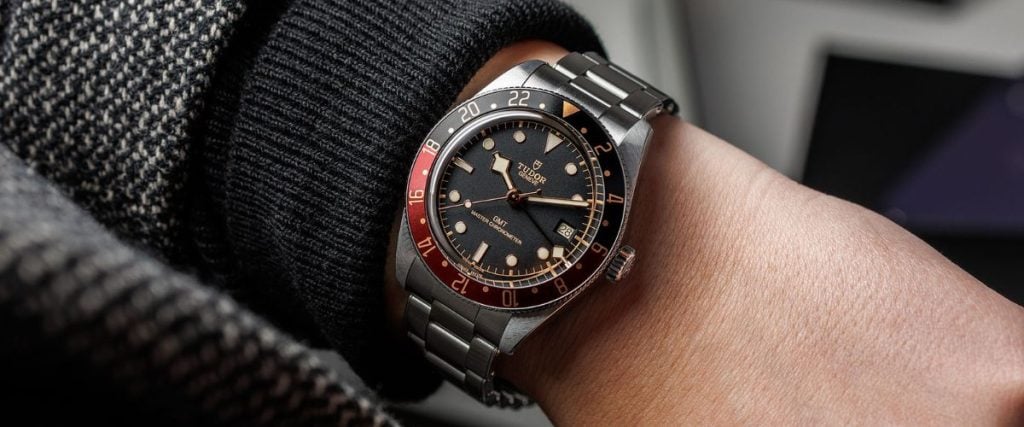
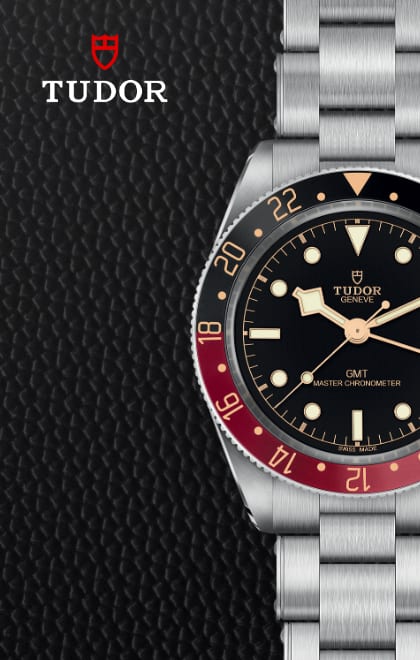
tudor black bay 58 gmt review

Among the many complications that enhance a watch, the GMT function stands out as one of the most practical. Whether for business travellers, frequent flyers, or enthusiasts who appreciate the ability to track multiple time zones, a well-executed GMT watch is a highly sought-after companion.

Because of this, there’s an abundance of GMT models out there, some impressively affordable and others showing off with haute horlogerie techniques with price tags to match. But of them all, one of the most talked about models at the moment is the Tudor Black Bay 58 GMT. 

bot-only-imagebot-only-image

For years, fans of the Black Bay collection have been calling for a more compact, travel-friendly GMT watch. Tudor first introduced the Black Bay GMT in 2018, and while it was well-received, many collectors longed for a smaller and slimmer alternative.

So the Black Bay 58 GMT was understandably a long-anticipated release, filling a crucial gap in Tudor’s lineup, offering a vintage-inspired, mid-sized GMT that aligns perfectly with the brand’s ethos of combining heritage aesthetics with modern reliability. 

The Black Bay collection, first launched in 2012, has been instrumental in elevating Tudor’s reputation among watch enthusiasts.

Over the past 13 years, it has become a staple in the luxury sports watch market, carving out a niche for itself as an accessible yet high-quality alternative to more expensive counterparts.

The introduction of the Black Bay 58 GMT marks another evolution in this lineage, bringing with it the build quality, craftsmanship, and timeless design that have become synonymous with the Tudor name. 

So, does the Black Bay 58 GMT live up to the hype? With so much competition in the GMT category, what makes this watch stand out? I spent some time with it to see how it measures up, both technically and aesthetically, against the expectations set by its predecessors and the ever-growing demand for a well-sized, everyday GMT.

Why Was The Tudor Black Bay 58 So Highly Anticipated? 

The Tudor Black Bay 58

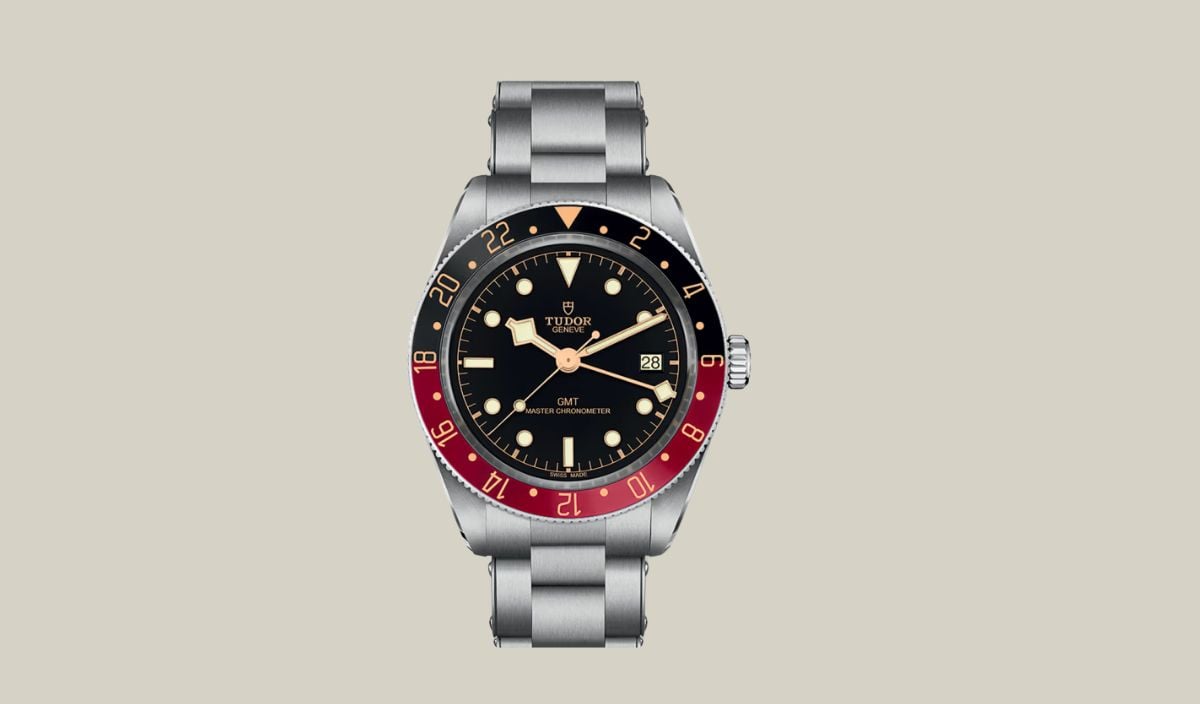
The Tudor Black Bay 58 GMT was one of the most highly anticipated releases in recent memory, and for good reason. It combines the best elements of the Black Bay 58 and the original Black Bay GMT, addressing long-standing requests from watch enthusiasts for a more compact, travel-friendly GMT.

To understand the significance of this release, we need to look back at the history of the Black Bay collection and why this watch has become such a necessity for the brand, and us collectors. 

The Black Bay collection debuted in 2012 as Tudor’s modern interpretation of its vintage dive watches, drawing inspiration from the brand’s iconic Submariner models of the 1950s and 1960s.

The collection quickly became a cornerstone of Tudor’s lineup, offering robust build quality, vintage-inspired aesthetics, and a price point that positioned it as a strong alternative to more expensive luxury dive watches. In 2018, Tudor introduced the Black Bay GMT, featuring a 41mm case and a classic “Pepsi” bezel reminiscent of Rolex’s legendary GMT-Master.

While the watch was well-received, its 14.5mm thickness made it too bulky for some enthusiasts, sparking calls for a slimmer alternative. 

At the same time, Tudor launched the Black Bay 58, a more compact 39mm dive watch that quickly became one of the brand’s most popular models.

The combination of its vintage charm, perfect proportions, and wearability made it an instant hit. Naturally, collectors began asking for a GMT version in the same proportions, but for some reason – maybe purely for the excitement that would follow – they took their time. 

The release of the Black Bay 58 GMT finally delivered on years of anticipation in 2024. With its 39mm case, 12.8mm thickness, and a brand-new METAS-certified movement, it offered the perfect balance of aesthetics, ergonomics, and technical refinement.

The design was as expected, boasting gold accents, rivets, and vintage-style colour choices. It felt as though this watch had always belonged in the catalog. And unlike previous GMT models, it avoided the bulkiness that had been a point of contention, making it the ultimate travel watch for Tudor fans. 

Tudor has a history of refining and perfecting its offerings, often holding back just enough to keep collectors coming back for more. With this release, however, they seemed to have finally hit the sweet spot. The Black Bay 58 GMT is, on paper, the perfect Tudor GMT but now, the real test begins: how does it perform on the wrist? 

A Compact Case 

As we’ve already mentioned, one of the biggest selling points of the Tudor Black Bay 58 GMT is its impressively compact dimensions so it makes sense to start with the numbers.

The Black Bay 58 GMT measures 39mm in diameter, 12.8mm in thickness, and has a 47.8mm lug-to-lug distance. These dimensions place it in a sweet spot that suits a wide range of wrists while maintaining a strong wrist presence. 

Most importantly, it’s a noticeable improvement over the chunkier Black Bay GMT and Black Bay Pro, both of which measured a hefty 14.6mm in thickness.

This reduction of nearly 2mm significantly enhances the overall wearability of the watch, making it feel closer to vintage Rolex GMT-Master models in size and proportion. 

The case is crafted from stainless steel and features a blend of brushed and polished finishes that showcase Tudor’s expertise in casework. The top surfaces of the lugs are brushed for a tool-like appeal, while the case flanks are polished.

A polished chamfer also runs along the edges, a signature Black Bay design cue that enhances the overall visual appeal. The case shape retains the classic slab-sided aesthetic of the Black Bay line, though the slimmer profile makes it less pronounced than in previous GMT models. 

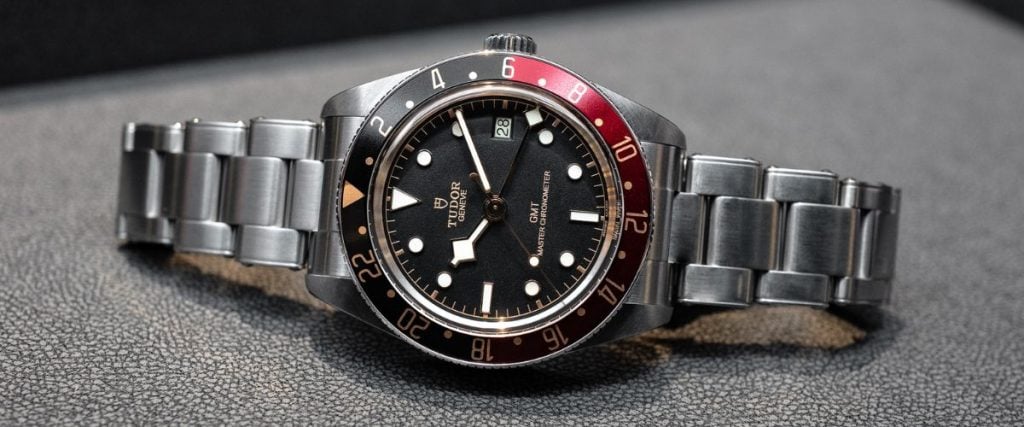
Another major talking point is the bezel. Tudor opted for an anodized aluminum insert in a black and burgundy “Coke” color scheme, a nod to vintage GMT watches but with its own distinct character.

The muted tones and gilt accents for the 24-hour scale reinforce the retro charm, making it a seamless fit within the Black Bay 58 lineage.

The bezel action is precise, with a satisfying click and just the right amount of resistance. Compared to some of the looser or stiffer bezels found on competitor GMT watches, Tudor nails the perfect balance here. 

The screw-down crown is another significant update. Unlike earlier Black Bay models that featured an exposed crown tube, the Black Bay 58 GMT follows the approach introduced with the Black Bay 54, where the crown sits flush against the case.

This small design change makes for a cleaner and more cohesive case profile. The crown itself remains unguarded, once again adding to the watch’s vintage aesthetic, and features the classic Tudor rose engraving.

Topping it all off is a domed sapphire crystal which subtly mimics the charm of old-school acrylic crystals found on mid-century dive and GMT watches.

Unlike flatter sapphire designs, the domed shape plays beautifully with light, enhancing the overall warmth and depth of the dial while still providing modern scratch resistance.

And finally, despite the slimming down of the case, Tudor has maintained a robust 200m water resistance rating, reinforcing the Black Bay 58 GMT’s credentials as a true go-anywhere, do-anything timepiece. 

A Black Retro Dial 

The Tudor Black Bay 58 on wrist

The dial of the Tudor Black Bay 58 GMT is exactly what you’d expect from the Swiss watchmaker. The black dial immediately commands attention with its rich, slightly grained texture that echoes classic Tudor Submariners of the past. The warm gilt accents, used for the minute track, logos, and text, enhance the watch’s old-school charm, creating an aesthetic that feels timeless and sophisticated. 

Unlike the traditional deep gold-toned gilt seen on the original Black Bay 58, the 58 GMT’s gilt leans towards a more saturated, almost orange hue. While some purists may take issue with this fauxtina-style approach, it undeniably adds warmth to the dial and complements the bezel’s black and burgundy tones beautifully. 

The handset follows Tudor’s well-established design language, featuring the iconic snowflake hour hand which was originally introduced in the late 1960s. The long, slender minute hand and lollipop-style seconds hand complete the standard timekeeping trio. Then you have the GMT function which introduces a fourth central hand, distinguished by its snowflake tip. Unlike other GMT watches that often opt for a high-contrast color on this hand, Tudor has kept it in the same gilt tone as the rest of the handset. While this does maintain visual harmony, it slightly reduces the contrast, making the GMT hand a bit harder to spot at a glance. 

A key refinement over previous Black Bay models is the cleaner text layout on the dial. Instead of a cluttered stack of specifications, Tudor has opted for a more restrained approach, with just two lines of text at 6 o’clock reading “GMT” and “Master Chronometer.” This small but impactful change enhances the watch’s symmetry and ensures the focus remains on its design rather than excessive branding. The presence of the “Master Chronometer” inscription is particularly significant as it signals that the watch meets METAS certification standards (more on this shortly). 

Another thoughtful detail is the cream-colored date wheel, subtly positioned at 3 o’clock. Unlike stark white date discs that can sometimes clash with vintage-inspired dials, Tudor has carefully matched the date window to the lume tone of the hands and indices, ensuring a cohesive and balanced look. Speaking of lume, the indices which consist of round, rectangular, and triangular markers, are generously filled with Super-LumiNova, ensuring excellent low-light readability.

A METAS-Certified Movement

At the heart of the Black Bay 58 GMT is Tudor’s brand-new Caliber MT5450-U, a movement that represents a significant step forward in both performance and design. While it draws inspiration from the brand’s existing GMT calibers, most notably the MT5652. it is by no means just a downsized version. Instead, Tudor has engineered an entirely new movement, allowing them to slim down the watch while maintaining all the functionality and robustness expected from a modern GMT. 

The MT5450-U is a fully automatic, in-house caliber that beats at a steady 28,800 vibrations per hour (4Hz). It features a 65-hour power reserve, slightly less than the 70 hours found in the MT5652, but still more than enough for a weekend off the wrist. More importantly, Tudor has managed to reduce the movement’s thickness significantly, shaving off about 1.4mm compared to the GMT calibers used in the Black Bay GMT and Black Bay Pro. This reduction in height plays a crucial role in keeping the Black Bay 58 GMT’s case slim at just 12.8mm, making it one of the most wearable GMT watches in Tudor’s lineup. 

Functionally, the MT5450-U is a true “flyer” GMT movement, meaning the local hour hand can be adjusted independently in one-hour increments without stopping the movement. This makes it ideal for frequent travelers, as it allows seamless time zone changes while the 24-hour hand continues to track home time. The date is also tied to the local hour hand, meaning it will automatically advance or move backward when crossing midnight. Paired with the rotating 24-hour bezel, this setup enables the tracking of a third time zone. 

One of the most impressive aspects of the MT5450-U is its certification. Unlike previous Tudor movements, which were COSC-certified chronometers, this caliber has achieved full METAS Master Chronometer certification. This is a significant upgrade, as METAS testing goes beyond standard chronometer accuracy to evaluate the movement in its fully cased-up form. The certification guarantees a deviation of just 0 to +5 seconds per day, ensuring exceptional timekeeping precision. 

Additionally, the movement is tested for water resistance, power reserve consistency, and most importantly, resistance to magnetism. The MT5450-U can withstand magnetic fields of up to 15,000 gauss, thanks to its silicon balance spring and non-magnetic components. The “U” in MT5450-U signifies the movement’s anti-magnetic properties, with the letter representing the shape of a traditional magnet. The movement also features a variable inertia balance wheel with a traversing bridge, a design element that enhances stability and shock resistance.

A Choice of Two Straps 

The Black Bay 58 GMT is offered with two strap options: Tudor’s signature rivet-style steel bracelet or an integrated rubber strap with steel end links. Both options complement the watch’s vintage-inspired design while offering modern durability and comfort. 

The steel bracelet follows Tudor’s traditional three-link construction with a riveted edge, a nod to the brand’s historical designs. While some enthusiasts may have preferred a more classic Oyster-style bracelet, the rivet-style adds character and reinforces the retro aesthetic of the watch. The bracelet is exceptionally well-finished, with a mix of brushed and polished surfaces that enhance its premium feel. 

For those who prefer a sportier or more contemporary look, the rubber strap option is an excellent alternative. Designed with integrated steel end links, it maintains a seamless transition from case to strap, avoiding the awkward gap often found with aftermarket rubber straps. The rubber itself is high-quality, flexible, and comfortable for all-day wear, making it a great choice for those who favor a more casual aesthetic. 

Both straps come with Tudor’s popular T-fit clasp. It’s a clever system that allows for on-the-fly micro-adjustments of up to 8mm, ensuring a perfect fit throughout the day without the need for tools. The clasp features the engraved sloping Tudor shield logo and ceramic ball bearings in the mechanism to provide a smooth, secure closure. 

On-Wrist Experience 

I’ve been fortunate enough to trial the Tudor Black Bay 58 GMT for a couple of weeks now, so I feel confident in expressing exactly how this watch really wears and feels. For starters, it strikes a near-perfect balance in proportions, making it an incredibly wearable daily sports watch. It has enough presence to feel robust and confident on the wrist, yet it remains compact and slim enough for all-day comfort. Unlike some downsized watches that lose their original design balance, this one feels just right. 

At 39mm in diameter and with a slimmed-down profile, the watch sits effortlessly on a variety of wrist sizes. Those with wrists even below 6 inches will appreciate how well it conforms, while those above 7 inches will no doubt still enjoy it if they lean towards “smaller” watches.   

The bracelet, with its T-fit clasp, adds another layer of comfort and practicality. The micro-adjustment system makes it easy to get the perfect fit, ensuring the watch stays secure without feeling restrictive. The rubber strap, while an excellent option for those who prefer a sportier look, doesn’t quite capture the vintage spirit of the watch in the same way as the steel bracelet – at least in my opinion – so if it was me, I’d go for the bracelet.

Price & Availability

The Black Bay 58 GMT is a permanent addition to Tudor’s Black Bay collection, meaning there’s no rush to secure one before it disappears. It’s currently readily available to order brand new from any authorized Tudor retailer, including Exquisite Timepieces. It retails for $4,550 on the rubber strap and $4,775 on the steel bracelet, making it competitively priced for a METAS-certified GMT watch with this level of finishing. 

For those open to the pre-owned market, there are already some second-hand examples circulating. A quick search suggests that prices hover around $4,000, though this may vary depending on condition and availability. 

Conclusion 

With the Black Bay 58 GMT, Tudor has delivered a truly outstanding timepiece, one that feels like the culmination of everything the brand has refined since its modern resurgence in 2012. This watch takes the best elements of the Black Bay line and distills them into a near-perfect package, finally offering the proportions many enthusiasts have been waiting for. 

Objectively, there’s little to fault here. The build quality is excellent, the METAS-certified movement is robust and reliable, and the true GMT functionality makes it an ideal companion for frequent travelers. Versatile enough to handle anything from diving to daily wear, it’s a watch that seamlessly balances vintage charm with modern performance. Simply put, in its price range, the Tudor Black Bay 58 GMT is hard to beat.

srp777 vs srpe93

Seiko SRP777 vs SRPE93: Which is the Superior Turtle?

Charlotte H

March 27, 2025

The Seiko Turtle is one of the most recognizable dive watches in the world. It has a storied history, a distinctive design, and a reputation for being both durable and reliable.

So no, the Seiko Turtle isn’t some rare breed of turtle—if that’s what you’re looking for, you might want to check out the National Geographic website instead.

bot-only-imagebot-only-image

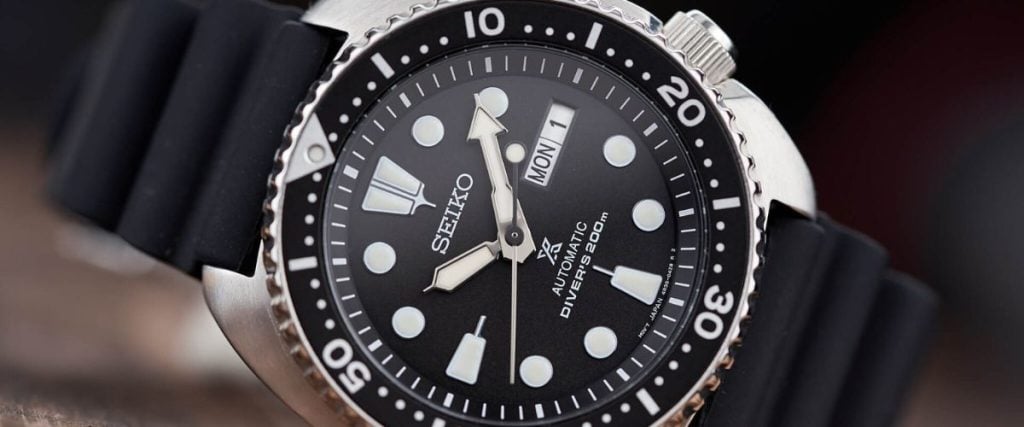
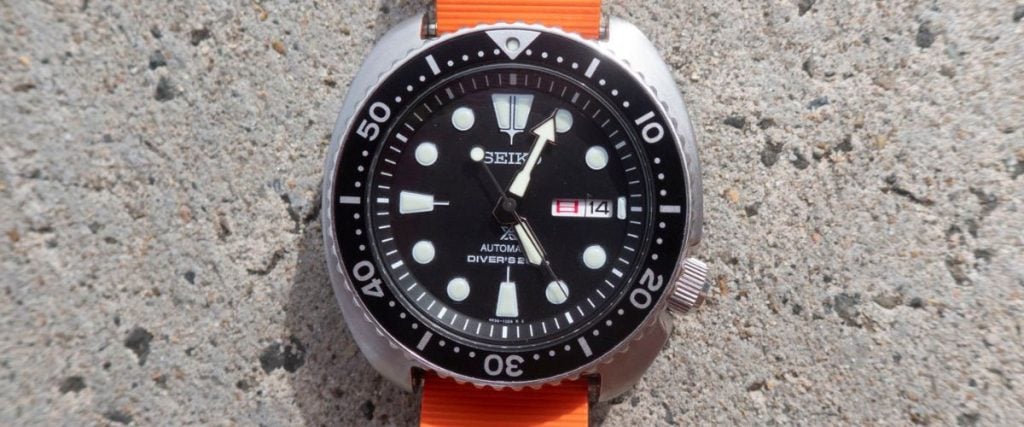
No, this is the nickname given to one of Seiko’s most iconic dive watches, and it’s called the Turtle because of its distinct, cushion-shaped case that resembles a turtle’s shell. 

Seiko first introduced the Turtle back in the 1970s with the legendary 6306 and 6309 models, and since then, the watch has seen multiple reissues, each staying true to its roots while incorporating subtle but necessary modern improvements.

Today, the Seiko Turtle lineup includes a variety of models, all sporting the signature case shape, bold dials with plenty of lume, impressive water resistance, and reliable in-house automatic movements.

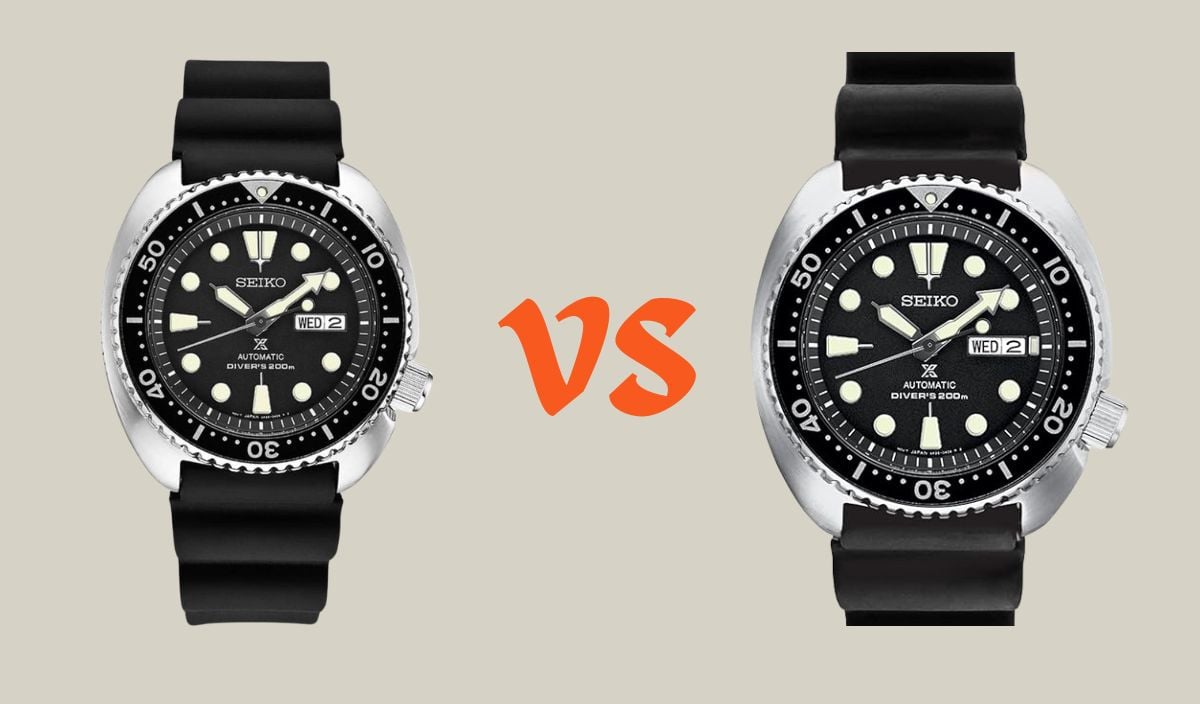
While most of these variations have obvious differences, whether it’s case size, dial colors, bezel inserts, or added complications, there are two models that look almost identical: the Seiko Turtle SRP777 and the Seiko Turtle SRPE93. 

If you’re not super familiar with these two watches, you’d be forgiven for struggling to spot any differences between them at all.

Seriously, if you can pick them apart in just a few seconds, you deserve some serious brownie points. But yes, there are subtle differences, and as any watch collector will tell you, even the smallest differences in a watch can have a big impact, whether it’s on how a watch wears, how it looks, or just how it feels on the wrist. 

So today, we’re putting the Seiko Turtle SRP777 and SRPE93 head-to-head, breaking down every little detail, so you’ll know exactly which one is the better choice for you.

The Seiko Turtle SRP777

Seiko Turtle SRP777

Starting with the older of the two, the Seiko Prospex Turtle SRP777 is a modern reissue of the legendary Seiko 6309, a famous dive watch that the Japanese watchmaker first launched during the late 1970s.

This modern-day SRP777 reference however arrived in early 2016 but still retained many of the signature Turtle features including the cushion-shaped case, bold dial design, and robust diving capabilities that made its predecessor such a hit. 

At first glance, the SRP777 appears nearly identical to its vintage inspiration, measuring to 44.3mm in diameter with a lug-to-lug of 47.25mm. The stainless steel case features a brushed finish on the top and polished sides, maintaining the classic Seiko diver aesthetic.

Again, it’s the unusual shape of the case that gives the Turtle its nickname with a rounded, ergonomic, and undeniably comfortable profile. Despite its large dimensions, the watch wears smaller than expected due to its short lugs, making it surprisingly wearable on a variety of wrist sizes. 

One of the standout features of the SRP777 is its day-date window. Unlike more modern Seiko divers like the SRPE93, the SRP777 retains a beveled day-date window as a direct homage to the original 6309.

This small yet significant detail enhances the vintage appeal of the watch and is one of the main components that sets it apart from its younger sibling. For collectors and enthusiasts who appreciate the little nuances that make a watch special, this beveling adds a layer of depth and nostalgia. 

The dial is a rich matte black, offering excellent legibility in various lighting conditions. Large, well-defined hour markers are generously coated with Seiko’s proprietary LumiBrite, ensuring that the watch remains highly readable even in low-light environments.

The hands follow a classic Seiko diver design, with a broad arrow-style minute hand and a sword-shaped hour hand, making it easy to distinguish the time at a glance. The seconds hand features a lumed lollipop tip, another nod to traditional Seiko diver aesthetics. 

The bezel is a unidirectional 120-click mechanism with a fully indexed aluminum insert. The action is smooth with firm, precise clicks, making it a joy to operate. Seiko’s bezels are known for their reliability, and the Seiko Turtle SRP777 is no exception, providing an essential tool for divers to monitor elapsed dive times. 

The case back of the SRP777 is another area where Seiko has paid tribute to its past and offers another slight deviation from the SRPE93. The SRP777 features the iconic tsunami wave motif, deeply engraved and prominently displayed, alongside lettering that reads “Air Diver’s 200m”. 

Inside the watch beats Seiko’s in-house 4R36 automatic movement, a workhorse caliber that offers hacking and hand-winding. It also operates at 21,600 vibrations per hour and provides a respectable 41-hour power reserve.

It’s a reliable and robust movement, designed for longevity and ease of maintenance. It’s so reliable that Seiko still uses it in many of the dive watches today. Completing this model is a 22mm black silicone strap that is soft, flexible, and comfortable straight out of the box.

The Seiko Turtle SRPE93

Seiko Turtle SRPE93

Arriving a little later in 2021, and a watch still in production now, the Seiko Prospex SRPE93, is unsurprisingly another modern take on the Seiko Turtle design.

Much like its predecessors, this model stays true to the core identity of the Seiko Turtle, offering a cushion-shaped case, robust dive watch capabilities, and a timeless aesthetic. 

At 45mm in diameter with a thickness of 13.42mm, the Turtle SRPE93 is slightly larger than the SRP777 but still retains an ergonomic and well-balanced profile on the wrist.

Thanks to its rounded case and relatively short lug-to-lug length, the watch again wears smaller than its dimensions might suggest, making it comfortable for a wide range of wrist sizes. The case is engineered from classic stainless steel and features a brushed finish on the top with polished sides. 

The dial of the Seiko Prospex Turtle SRPE93 is also deep matte black, ensuring excellent contrast and legibility. At the centre are the same large and highly visible hour markers coated with Seiko’s LumiBrite. But peeking out just to the right of the dial is one of the subtle but notable differences between this model and the Turtle SRP777. 

Here you can see the addition of a lume block at the 3 o’clock marker. This lume pip was added to retain the ISO certification, as it is part of the new requirement.

In addition, to accommodate this change, the Seiko Turtle SRPE93 does not have the beveling on the day/date window that was present on the SRP777.

Another update lies in the case back. While it still features the iconic tsunami wave motif, the text has been updated to again reflect the new ISO diving specifications. Instead of the previous “Air Diver’s 200m” marking found on the SRP777, the case back of the Turtle SRPE93 now reads “Diver’s Watch 200m.”

This subtle change may go unnoticed by casual observers, but for Seiko enthusiasts, it represents an important update that aligns with modern dive watch standards. 

Other than that, the SRPE93 retains all the same spec as its older sibling. It has the same unidirectional rotating black aluminium bezel, Seiko’s reliable in-house 4R36 automatic movement with a 41-hour power reserve and a comfortable black silicone strap, secured with a pin buckle.

Seiko SRP777 vs SRPE93 – How to Choose 

The Case Size 

While both watches share the signature Seiko Turtle design, the SRPE93 comes in slightly larger at 45mm compared to the SRP777’s 44.3mm diameter.

The difference might seem minimal on paper, but on the wrist, even a fraction of a millimeter can impact the overall feel. The SRP777’s more compact dimensions make it a great option for those who prefer a slightly more manageable fit without sacrificing the iconic cushion-shaped case.

On the other hand, if you like the presence of a slightly larger case, the SRPE93 will give you that extra bit of wrist real estate while maintaining excellent wearability thanks to the short lug-to-lug distance. 

The 3 o’clock Lume 

One of the most notable updates in the Seiko Prospex Turtle SRPE93 is the addition of a lume pip at the 3 o’clock marker. This was introduced to meet the latest ISO dive watch standards to ensure enhanced visibility in low-light conditions.

However, this adjustment led to the removal of the beveling around the day/date window, which remains intact on the SRP777. If you appreciate the vintage-inspired detail and added depth that the beveling provides, the SRP777 might be the more appealing option.

However, if you prioritize lume and low light legibility, then the SRPE93’s additional Lumibrite pip will no doubt serve you better. 

The Case Back Decoration 

Both watches feature the classic Seiko tsunami wave motif on the case back, a signature design element in the Prospex series. However, the text has been updated in the SRPE93 to reflect modern ISO certification requirements. The SRP777’s case back reads “Air Diver’s 200m,” while the SRPE93 now simply states “Diver’s Watch 200m.”

While this change does not impact performance, some collectors might prefer the original wording as a nod to Seiko’s long-standing dive watch heritage. 

Which One Is Right for You? 

Choosing between the Seiko Prospex Turtle SRP777 and SRPE93 ultimately depends on what you prioritize in a dive watch.

If you appreciate subtle vintage aesthetics and small nostalgic details like the beveled day/date window and original case back text, and prefer a slightly more compact fit, the SRP777 is a fantastic choice.

However, if you’re looking for a more modernized version with updated ISO compliance, superior lume at the 3 o’clock position, and don’t mind the lack of beveling, then the SRPE93 is the way to go.

Conclusion

At the end of the day, choosing between the Seiko Prospex Turtle SRP777 and the SRPE93 comes down to personal preference. If I had to pick, I’d go for the Seiko SRPE93 simply because I believe you can never have too much lume on a dive watch.

The additional lume at the 3 o’clock marker ensures even better visibility in low-light conditions which is a key factor for me. 

That said, I completely understand why many collectors are drawn to the Turtle SRP777. It carries a piece of Seiko’s history with its vintage-inspired design elements, including the beveled day-date window, which adds a nostalgic charm. For those who appreciate subtle nods to classic models, the SRP777 is an appealing option. 

Practicality is another consideration. The SRPE93 is still in production and can be ordered easily, typically retailing for around $495. It offers a lot of watch for an affordable price, making it a solid choice for those who want a brand-new, readily available timepiece.

On the other hand, the SRP777 has been discontinued, meaning you’ll need to explore the second-hand market for this one. While pre-owned models are generally more affordable, averaging around $400, they may be harder to find in good condition. 

Ultimately, these two watches are incredibly similar in both aesthetics and specifications. To the untrained eye, it would take a keen collector to spot the differences when one is on your wrist.

But in the end, what matters most is what you value in a watch, whether it’s modern practicality or vintage charm. No matter which you choose, both are excellent examples of Seiko’s dive watch prowess, proving that the Turtle remains a true icon in the world of horology.

To Top