News Archives - Page 22 of 53 - Exquisite Timepieces
iconHome Blog / News / Page 22

Category: News

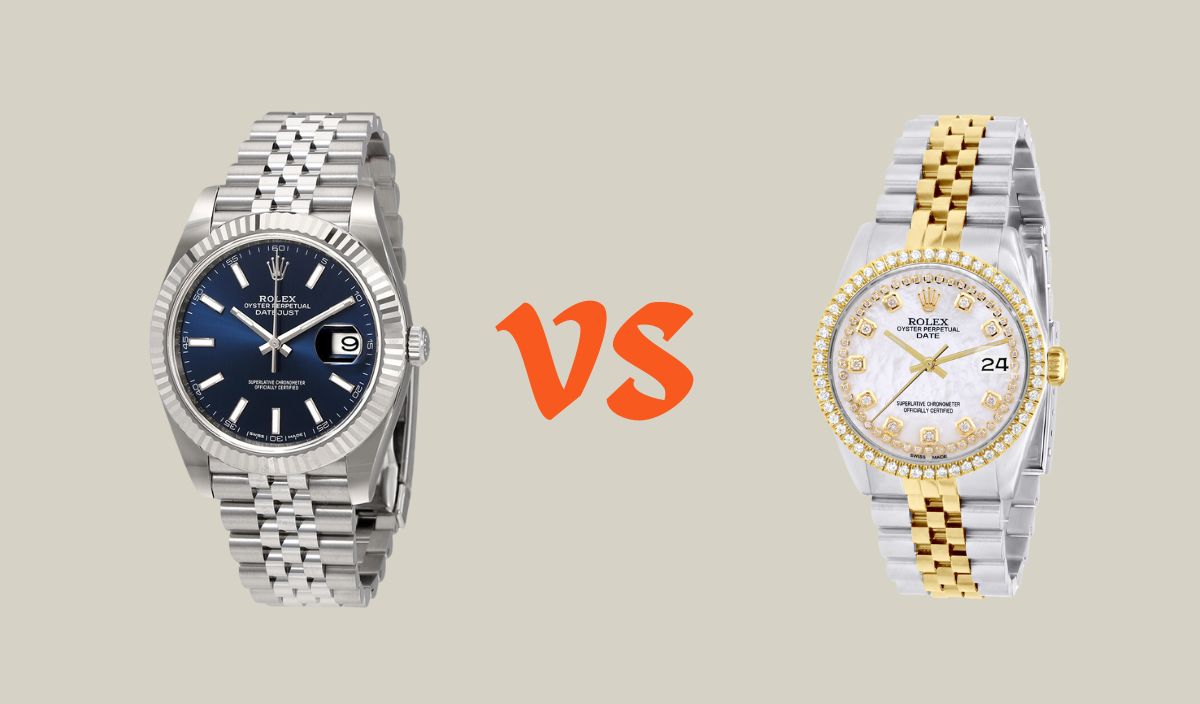
rolex jubilee vs oyster

Rolex is the grail watch brand for millions, and choosing the timepiece that best suits one’s taste involves many decisions. Dress watch or tool watch. Complications and functions. Dial and bezel colors. Naturally, price is a primary consideration. You get the idea. 

There is also the choice of strap or bracelet. This part of a watch can’t be overlooked. It may seem simple. After all, the function of the strap or bracelet is to hold your watch securely on your wrist. There is more to it than that, though. Comfort, ease of clasping and unclasping, durability, and aesthetics all play a role. 

bot-only-imagebot-only-image

If you have decided to go the bracelet route, you also want one that pairs well with the model you choose. There is a different aesthetic between dress and sport watches, and each is worn in different situations. Some watches are daily wearers and others are for special occasions only.  This is something else to consider when choosing the right bracelet for your watch and your taste.

The two most popular bracelet styles offered by Rolex are the Oyster and the Jubilee. Which one should you choose? Let’s take a closer look at these two fine options to help you make that decision. 

The Rolex Oyster Bracelet
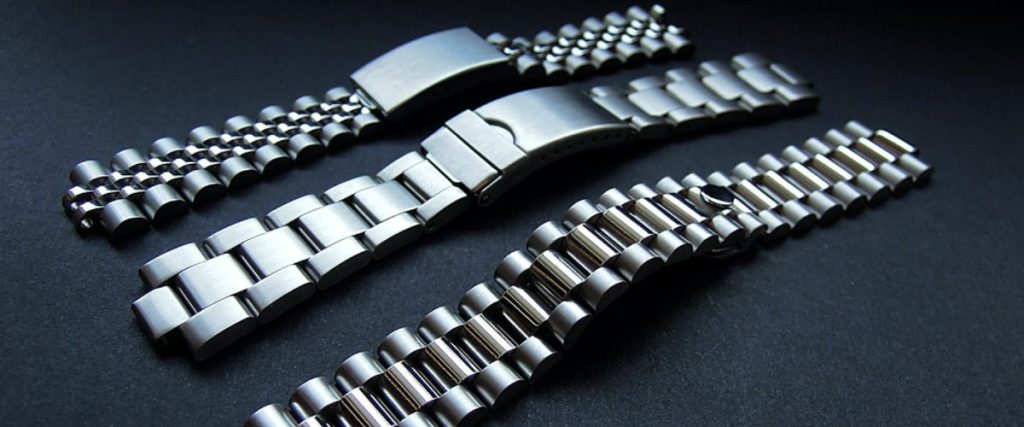
Rolex Oyster Perpetual Bracelet

In Rolex’s earliest days, watches came on leather straps as standard. By the early 1930s, bracelets were offered as an option and sometimes added 50% to the cost of the timepiece. You had to be willing to pony up a hefty price for a watch on a bracelet.

The first Oyster bracelets were created by Gay Frères, the legendary designer that also made bracelets for other luxury brands such as Audemars Piguet and Zenith. The first iteration of the three-link bracelet that would become the Oyster appeared in the late ’30s.

The popular bracelet continued to evolve and was patented by Rolex in 1948. The Oyster went through iterations with side rivets, stretchable links, and several different clasps. It became a standard feature on many models and proved to be popular with the brand’s legion of fans.

A testament to its enduring appeal is that the modern Oyster is a robust and beautiful bracelet as well as one of the best-selling bracelets for Rolex even today. Chances are, if you spot a Rolex out in the wild, it will be attached to an Oyster bracelet.

The Oyster has a sporty and classy look. Its flat, broad links sit comfortably around the wrist. It is available in stainless steel and precious metals, depending on the model of the watch it is attached to. It looks especially good on the tool watches, such as the Submariner, Cosmograph Daytona, and GMT Master II.

Current Oyster bracelets are paired with end links that match the shape of the case they are attached to. The Oysterlock clasp is a secure closure, and the Oystersteel Rolex uses has a higher chromium content than other stainless steel.

This makes it more corrosion-resistant and well-suited to dive watches. Current Oyster bracelets also feature the Glidelock system. This allows quick adjustments on the bracelet of up to 2 mm, helping to create a perfect fit.

Some of Rolex’s bolder models, such as the Batman, Pepsi, and Sprite, have polished center links combined with brushed outer links on their Oyster bracelets.

This helps them pop and coordinates nicely with the bold dial and bezel color combinations. The generally sporty look of the Oyster makes it an excellent choice for an everyday watch.

In terms of robustness, the Oyster is solidly crafted, and its wide links enable it to stand up to the rigors of daily wear in all kinds of situations. This is a major factoring in its continuing popularity.

The brushed surfaces do a great job of hiding scratches and are the reason tool models like the Submariner come with an Oyster that has all the links brushed. The 20 mm lug width is the most common size and will suit most wrists. 

The Rolex Jubilee Bracelet

The Rolex Jubilee bracelet is the brand’s elegant and sophisticated option. As such, since 2018, it is not offered on stainless steel sport models. The Jubilee is designed to pair with the classiest dress watches, such as the Day-Date and Datejust.

The bracelet was created in 1945 to commemorate Rolex’s 40th anniversary, hence the name Jubilee. Originally made only in gold and offered only on the Datejust, the Jubilee is now available in stainless steel as well as other precious metals.

Two-tone Jubilees with gold center links and stainless steel end links look great with a two-tone case.  In addition to Rolex’s dress watches, the Jubilee is also an option on the GMT Master II watches.

The distinctive look of the jubilee comes from its five-link design. The two outer links are wider than the three inner links. This creates an “x” pattern in the center of the bracelet that elevates the style. With its smaller links, the Jubilee has greater flexibility, and most Rolex fans find it more comfortable than the Oyster. 

The small center links catch the light beautifully and add a nice flash of bling, further highlighting the elegant look of the watches with a Jubilee bracelet.

One downside is that, although it is a very well-made bracelet and is built to last, the links, especially on the softer gold ones, are more prone to scratches and blemishes of any kind are easily visible.

The Jubilee requires more care than the Oyster and, thus, is not recommended for an everyday timepiece. Save it for special occasions when you need to look your best.

Rolex recommends not wearing a Jubilee bracelet loosely. This causes more movement in the links and creates added wear. You will be shortening the life of the bracelet. If you bring a damaged Jubilee to an AD, they won’t repair it. Rolex will replace the entire bracelet, and this is costly. Store your Rolex on a Jubilee in its box and not in a jewelry box with other items. 

Rolex Oyster vs Jubilee – How to Choose

Now that you know quite a bit about each bracelet, let’s talk about how to choose the right one for you. First up is cost. Generally, if you buy your Rolex from an AD, a Jubilee will add about $200 to the price. Grey market price differences can be as much as $2,000. Your budget will have to be considered when making the decision.

If you are looking for a stainless steel sport watch like a diver or chronograph, you don’t have an option. You will get it with the Oyster bracelet.

This is what you want for a watch that may see some rugged wear. A GMT Master II is available with either bracelet. If that is the watch you seek, consider how often you will wear it and in what kinds of situations. If it’s going to be your travel companion, lean toward the Oyster. You will need the added robustness. 

Let’s move on to dress watches. The Jubilee certainly adds elegance, class, and bling. If this is going to be your “dress-to-impress” watch, worn to important business meetings, weddings, and other special events, the Jubilee is likely the one you want. It will spend a lot of time in the box where it is protected and be an incredible accessory for your best outfits.

If you are the type who rarely wears a suit or has occasion to dress up, go with the Oyster. It is a great-looking bracelet and looks good on even the dressier Rolexes. It will hold up better, especially if you wear your Rolex to work daily and on nights out.

Scratches are going to happen to everyday timepieces, and the Oyster does a much better job of hiding them. In terms of comfort, yes, the Jubilee feels better to most watch enthusiasts, but it’s not a huge difference, and the Oyster does sit nicely on the wrist. 

I’m not a Rolex guy, but if I were, given my love of dive watches and how often I wear them, I would go with the Oyster.  That’s just me. Your choice will depend on your needs and tastes. Now that you’ve got the lowdown on the Oyster and Jubilee, you are prepared to choose wisely. Go for it. 

Conclusion

The Rolex catalog is filled with reliable, accurate, and beautiful watches of every type. In addition to colors, movements, and complications, you have strap and bracelet choices.

The Oyster and Jubilee are the two most popular. Each is made to Rolex’s high standards and will compliment your timepiece nicely. Consider the details of each, try a few on, and then make an informed choice for a Rolex that you will love wearing.
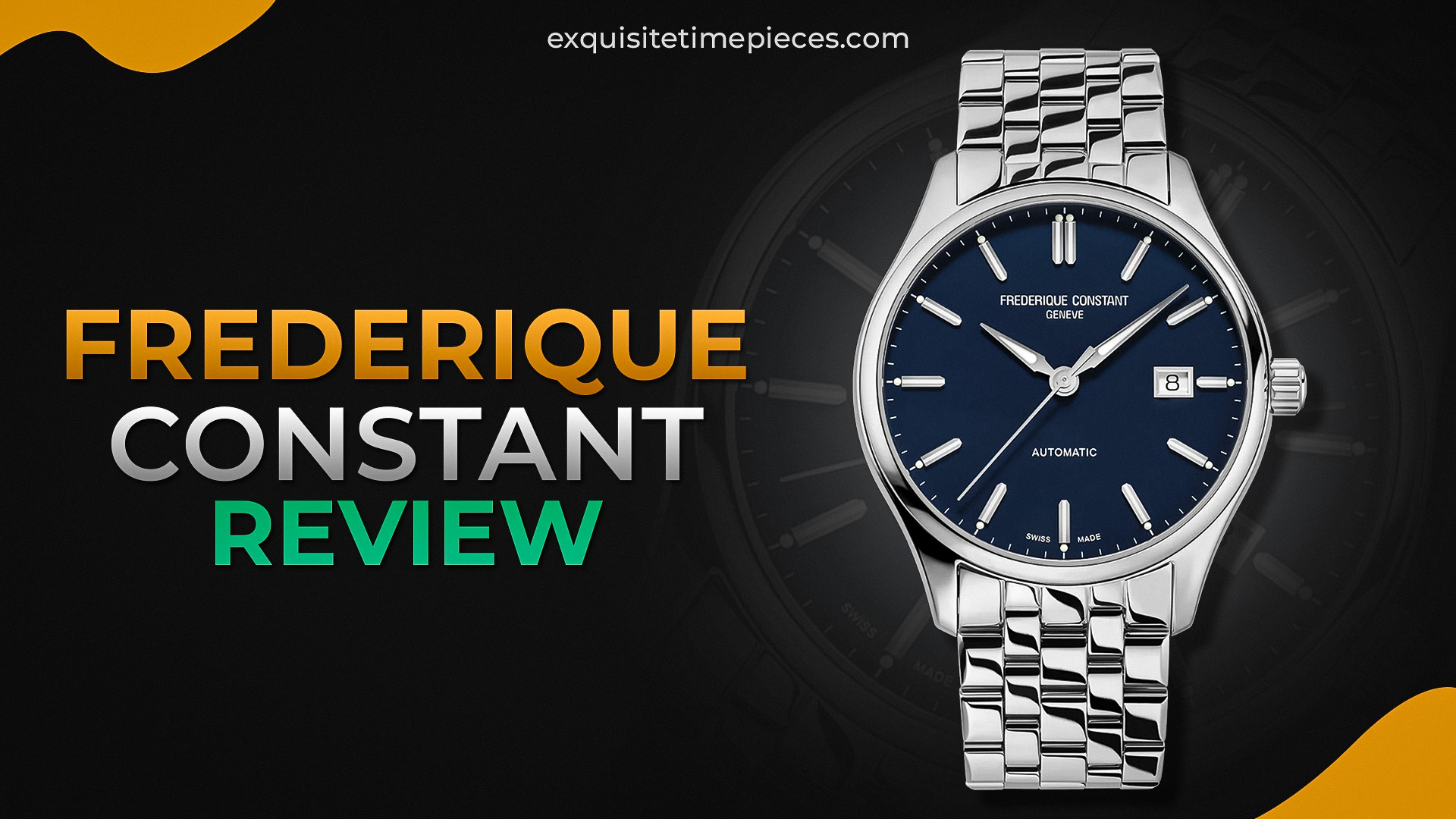
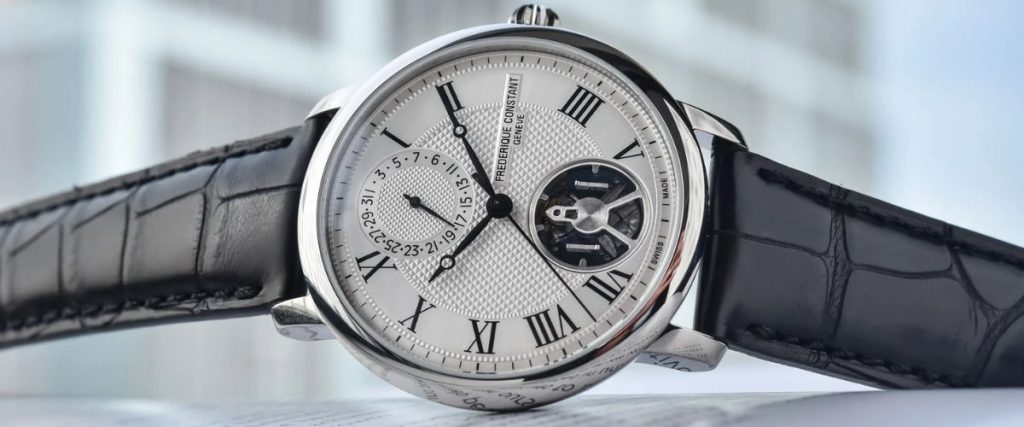
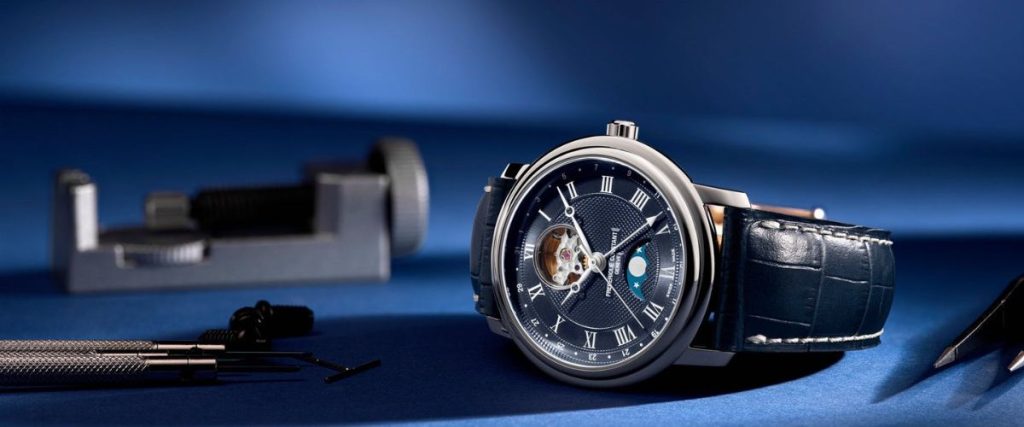
Whether or not Frederique Constant is worth the money or not comes with quite a few considerations. Some are more objective than others, but at the end of the day, it’s crucial to truly understand the value behind any reputable timepiece.

A known part of the luxury watchmaking industry, Frederique Constant definitely leans toward the more elegant direction in their designs. What I like about the brand is they’re also known to be much more accessible compared to a lot of the competition.

bot-only-imagebot-only-image

Nevertheless, the details always matter, and that’s what will tell you whether the brand is worth the investment or not. This article highlights many focal points about the watchmaker to help you determine if they’re a good fit for your wrist.

Frederique Constant Watches in the Past

Frederique Constant Watches

The year 1988 is when the brand name became a reality, along with their ideas for a high-end watch that was affordable for everyday people. I’d say this is still a large part of what makes them popular in today’s market as well.

It’s pretty evident the brand has come a long way and is regarded for much more than just affordability. However, taking a look at their history, the watchmaker didn’t become a hit immediately. I was surprised to learn it took more than ten years for Frederique Constant to gain a notable scale of recognition.

Their reach expanded even further by 2004, as this was when they started to implement their in-house movements into their designs. Many watch lovers respect a move like this, and it’ll always garner attention on a global scale.

Aside from the fact it’s not a simple feat, it’s a sentiment towards the brand’s outlook on what they’re creating. I find myself more inclined to care when the brand does as well, and Frederique Constant is a great example of that.

There’s plenty to praise about the watchmaker, but history matters for the ups and the downs. Some of this comes down to perception, as the brand’s growth came with its fair share of twists and turns.

When 2002 rolled around, that was the first time the watchmaker started to dabble with sportier design choices. Even though it caters to a more niche market, it’s a massive one nonetheless. I myself appreciate a sporty timepiece that suits particular occasions. 

As I spent time learning about the company, it became apparent that its success is due to repeated innovation. Not only in design and production elements but also in catalog diversity and blending into different submarkets.

Fast forward to 2016, and the brand’s popularity and overall success led to it being acquired by Citizen. You might think this is the end of what makes a company like this great, but thankfully, that isn’t what happened here. Even today, I feel that Frederique Constant holds a stronger market presence and reputation than ever before.

Frederique Constant Watches Today

Frederique Constant Watches Today

Once you take a look past 2020, it’s no secret that the watchmaker has become a modern-day contender among the best of the best. I have to admire that they started out being looked at as purely an entry-level watchmaker and are now seen as a reputable luxury option. The best part is they still maintain a more affordable stance, but the outlook on the brand comes with a much higher bar than it used to.

To be honest, I didn’t find my way to this brand until a few years ago, which means I’m late to the game. In today’s world, Frederique Constant is respected among collectors and enthusiasts alike.

It only took one wear for me to dive off into a rabbit hole about the company’s history. Although I only have one in my own collection, I keep a prying eye for anything new from the brand moving forward.

Another angle they can be proud of is that they’ve really honed in on their in-house movement production. When this used to be an exciting new feat, it is now a core focal point in the whole of their production process. With years of innovation and production under their belt, the brand now boasts over 30 proprietary calibers. Some of my favorite examples of diversity in their catalog include the styles behind their Highlife, Classics, and Manufacture collections.

From what I can tell, some of their most popular models include the Slimline Moonphase Manufacture and Highlife Automatic COSC, to name a few. You can even find a few options with smartwatch technology for those who appreciate feature-rich varieties.

Having the industry support and direction from Citizen will only cement this brand even further down the line. The Frederique Constant name has only been around the watch industry for a few decades, so you can assume it has a long way to go. I find myself looking into what’s new from the brand, even if there isn’t any circulating news.

While they may not be my first choice, they’ve still become a part of my general rotation. I like to keep things fresh, and I rotate through several timepieces on a weekly basis.

What Frederique Constant brings to my look is unique and isn’t found in anything else from my collection. They may not be the first name that comes to mind in the context of luxury watchmaking, but I’m sure it’s only a matter of time.

As more people become aware of what they bring to the market, they’ll start to keep more of a watchful eye. The idea of what separates them from the competition can be debated, but I stand firm on several points.

From the look and design of their watches to the ode to craftsmanship that’s clear from every angle, there’s a lot to appreciate about Frederique Constant.

What Makes Frederique Constant Watches Stand Out?

It might seem more commonplace nowadays, but a big part of what helps the watchmaker stand out is their in-house movement. Sure, other high-end brands do this too, but not to the extent you might think. There are also many false claims from manufacturers throughout the world that they do everything in-house.

This isn’t always the case, but with Frederique Constant, you have no need to worry. Another aspect that draws me in as a watchlover is their transparency with themselves. It isn’t hard to learn about the brand, their products, and the ins and outs of their process.

Not only does this make people feel more comfortable buying, but it’s an extra layer to what helps them stand out in a flooded market. Aside from this point, other angles to focus on include their innovation toward technology in watchmaking and the balance between premiums and affordability.

In short, you can find many different types of watches that exude a luxurious look and feel for a surprisingly low cost. Keep in mind this is in comparison to what’s already out there. However, it’s true that the Frederique catalog is suitable for a broad range of budgets.

I know that many people are put off by watchmakers who tend to only cater to a certain tax bracket. Some of this can be understandable, depending on the brand and the watch, but most people just want accessibility. With Frederique Constant, you get that luxurious taste without having to go into a sizable amount of debt for it. Think of the $1,000 to $5,000 range instead of $10,000 or more.

Although I’m really sold on smartwatches or tech-infused designs very much, I have to say their approach to hybrid timepieces impresses me. You can really feel the mechanical nature of the watch is still there, but with a few enhancements to go along with it.

I think what also keeps me interested is the fact that the company is still so young. Think about what they’ll be able to accomplish with just a few more decades of experience on the market. Right now, I look at them as a fitting choice for the everyday individual who wants some quality to sport. 

Some of you may disagree, but I feel their watches are best suited for professional environments, even the sportier designs. This isn’t to say their watches aren’t diverse in use case, but that’s where I feel they’ll look their best.

Should you get a Frederique Constant Watch?

A lot of this comes down to personal preference, but you also want to consider what’s objective about the watchmaker. What’s true here is that Frederique Constant is a great option for first-time buyers. If you’re looking to start collecting watches or simply want something a little on the higher end, you can’t go wrong with this choice.

The price point is nearly impossible to beat, considering the quality you’re getting. For me, it’s their stance on in-house movements on top of the low price point that makes them such a shocker. Sure, you might end up forking over a couple of thousand for one watch, but it’s one you’ll be proud of for a lifetime.

Certain popular styles won’t be found here, though, like dive watches, for example. I’d say this shouldn’t be a deal breaker for you, as you’d be missing out otherwise. This is one of those examples of strong value for money. More importantly, a level of quality that won’t give out on you in a few year’s time.

I only have one of my own, but it has quickly made me a lifelong fan of what they’re capable of. If you like that professional yet dazzling look of high-end timepieces but usually can’t face the cost, Frederique Constant should be your next thought. More importantly, they’re now a first thought for me. I truly appreciate their stance on affordability without cutting every corner they can on quality.

Take a glance at their catalog when you get the chance, and you’ll see what I mean about the professional tone. You’ll get a variety of classic styles to choose from, and they all come with their unique brand flair and modern stylistic choices.

They’re a great example of why you shouldn’t judge a book on its cover alone. Many people overlook certain watches from merely taking a look at the price point. In reality, overlooking Frederique would be a huge miss for anyone who appreciates real craftsmanship.

The bottom line

Frederique Constant definitely has quite a bit of competition to face, but it’s clear they aren’t scared of the future. They cemented themselves in the industry even further after Citizen stepped into the picture.

I’m a fan, and what really keeps me looking for more is the fact that I appreciate what they have to offer beyond the timepiece alone. It’s a company that makes me excited to see what comes next. Always get your start with a reputable retailer like Exquisite Timepieces so you know you’re working authenticity before anything else.

rolex 5512 vs 5513

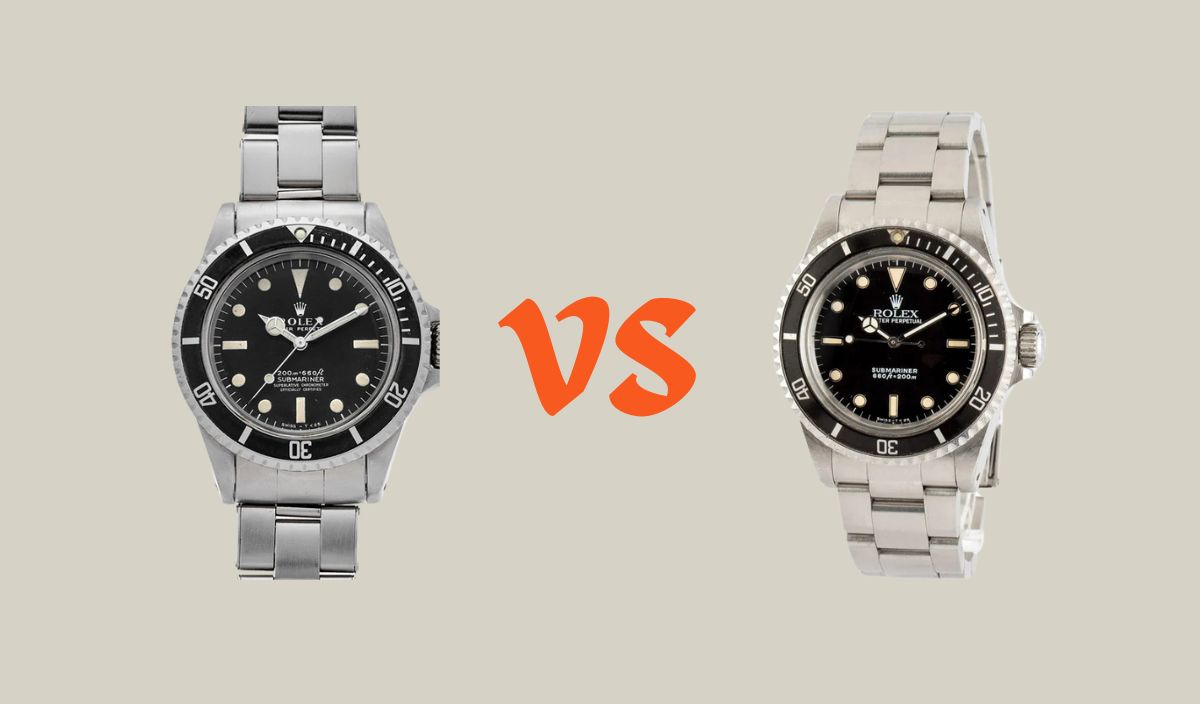
What is the world’s most famous dive watch? I don’t have the answer, but I’m certain the Rolex Submariner is somewhere near the top of the list. It’s a model that’s far from just some reliable dive watch – although it’s certainly that too – but a cultural icon and one of the most highly collectible timepieces of all time.   

The Rolex Submariner is not new, having launched back in 1953, so as you’d expect, there’s a plethora of old and new models out there. But if you were to ask me, two of the most iconic models in the Submariner’s lineup are the references 5512 and 5513. 

bot-only-imagebot-only-image

These vintage classics represent the golden age of Rolex’s dive watches, and while they may look nearly identical at first glance, there’s a lot hiding beneath the surface that sets them apart. 

Both models feature the signature 40mm stainless steel case, crown guards, rotating bezel, and time-only black dials that define the early Submariner aesthetic. They also share the robust acrylic crystals that marked the pre-sapphire era, making them quintessential vintage pieces. 

But the 5512 and 5513 are different in more ways than you might expect. So, if you’re wondering what the differences are between the Rolex Submariner 5512 and 5513 and you’re deciding which vintage model to get for yourself, we suggest you keep reading… 

The Rolex Submariner 5512 

Rolex Submariner 5512 

The Rolex Submariner 5512 is an important model in the history of the Swiss watchmaker, as it marked a rather major turning point in both the design and functionality of the Submariner collection. Introduced in 1959, the 5512 was the first Submariner to feature crown guards, a bold innovation that set the stage for the modern dive watch as we know it. 

Before the 5512, Submariners lacked protective shoulders around the winding crown, leaving it vulnerable to damage from accidental knocks. By adding crown guards, Rolex not only made the Submariner more durable but also expanded the case size from 38mm to 40mm, giving the watch its iconic proportions.

What makes the 5512 even more fascinating is the evolution of its crown guard design. Early models were fitted with square crown guards, a style Rolex quickly abandoned due to its impracticality and aesthetics. 

Next came the pointed crown guards, which were produced until 1963, when the more familiar rounded crown guards were introduced. These variations, particularly the rare square and pointed crown guards, are highly prized by collectors today. 

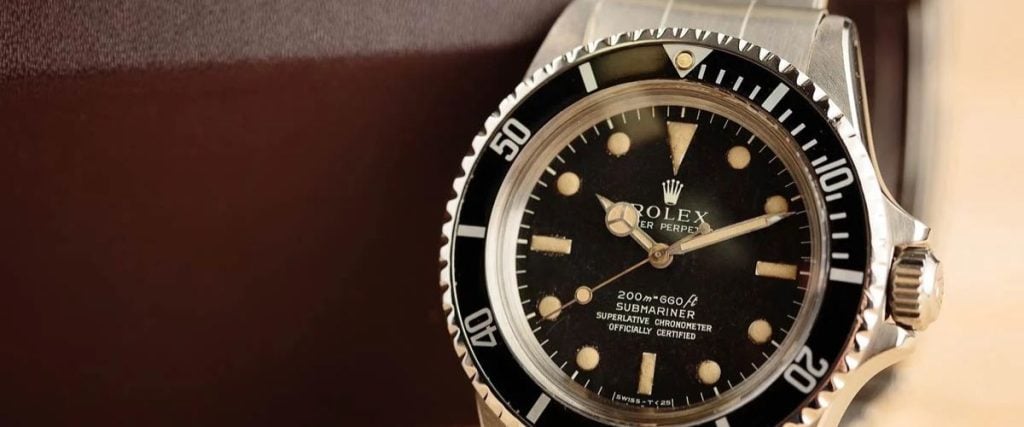
The Submariner 5512 was also notable for its technical advancements. Early examples were powered by the Caliber 1530 movement, which was not chronometer-certified. These models also featured dials with only two lines of text indicating the water resistance and the Submariner name. 

However, this changed when Rolex transitioned to the Caliber 1560 and later the Caliber 1570, both chronometer-certified movements. With this upgrade, the dials gained two additional lines of text to indicate the watch’s chronometer status, creating the now-famous “four-line” dial. 

Aesthetically, the 5512 is a quintessential vintage Submariner. Its stainless steel case is robust and functional, while the rotating bezel with a black aluminum insert provides a practical 60-minute scale for divers. 

Early models featured gilt-gloss dials, which were later replaced by matte dials, marking the shift from a more decorative to a more utilitarian look. The luminous markers on the dials were initially made with radium, but Rolex eventually transitioned to tritium for safety reasons. 

The Rolex Submariner 5512 was in production for an impressive two decades, officially ceasing in 1978. Over its lifespan, it remained a watch designed with professional divers in mind but gained popularity far beyond the diving community. Today, its enduring appeal lies in its perfect balance of vintage charm, technical innovation, and historical significance.

The Rolex Submariner 5513 

Rolex Submariner 5513

The Rolex Submariner 5513 was launched a couple of years later, in 1962, as the sibling to the 5512. While the two models appear nearly identical at a glance, the 5513 carved out its own legacy as the non-chronometer-certified version of Rolex’s iconic dive watch. 

This distinction was reflected in its use of the Caliber 1530 and later the Caliber 1520, both of which were simpler, non-chronometer movements. By comparison, the 5512, with its chronometer-certified calibers, bore additional text on its dial proclaiming its superior precision. 

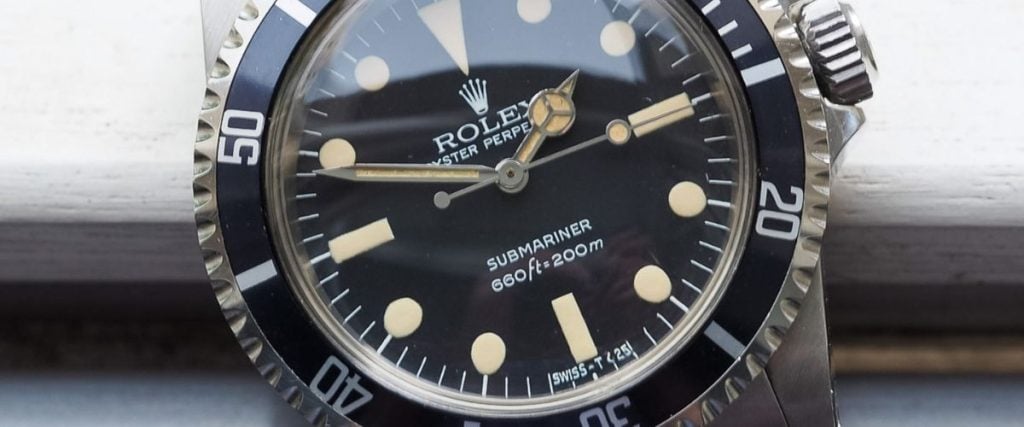
The dial of the 5513 is one of its defining features. Early examples sported the minimalist two-line configuration, emphasizing the Submariner name and depth rating, giving it a clean and understated appearance. 

These early models also featured gilt-gloss dials, a hallmark of the era, and were fitted with pointed crown guards, a design shared with the 5512 of the same period. As production continued, Rolex transitioned to matte black dials with painted hour markers and, later still, glossy black dials with white gold surrounds on the markers. 

In terms of the case and bezel, the 5513 retained the 40mm stainless steel construction that has become synonymous with the Submariner. Its rotating bezel, featuring a black aluminum insert with a 0-60-minute scale, also remained, as did the watch’s acrylic crystal glass and the luminous material on its dial and hands, which shifted from radium in the earliest examples to the safer tritium in later models. 

The 5513’s longevity is another remarkable aspect of its history. While the 5512 ceased production in the late 1970s, the 5513 continued to be manufactured until 1989, making it one of the longest-running Submariner references. 

This extended production period means that collectors can often find a wide range of variations, from early gilt dials with rare features to later models with more contemporary design elements. 

The Rolex Submariner 5513 is also well known for its cultural significance. It was famously worn by Sean Connery’s James Bond in Dr. No and Goldfinger, cementing its status as an icon not just of horology but also of popular culture. This association with 007 has only added to its allure among vintage watch enthusiasts.

Rolex Submariner 5512 vs 5513 – How to Choose 

When deciding between the Rolex Submariner 5512 and 5513, you’re faced with two iconic models that look incredibly similar at first glance. 

However, as we’ve touched on already, there are some key differences under the surface that can guide your choice. So what exactly sets these two vintage Submariners apart, and which one will suit your needs best? 

Movement: Chronometer vs. Non-Chronometer

The most significant difference between the Rolex Submariner 5512 and 5513 lies in their movements. The Submariner 5512 was fitted with chronometer-certified movements, starting with the Caliber 1560 and later the Caliber 1570. 

These movements met Rolex’s exacting standards for precision, which is why the 5512 dials bear the “Superlative Chronometer Officially Certified” text, also known as the “four-line dial.”

In contrast, the 5513 was designed as a simpler, non-chronometer version. It began with the Caliber 1530 and transitioned to the Caliber 1520. Its dials feature only two lines of text, giving it a cleaner and more understated appearance. 

While the differences in performance may not be noticeable to a casual wearer, collectors often place a premium on the chronometer status of the 5512.

Rarity and Availability

The production periods of these models also contribute to their differences in rarity. The 5512 was introduced in 1959 and discontinued in 1978, giving it a relatively shorter production run. This means fewer 5512 examples exist in the market today, making it a rarer and more exclusive choice.

The 5513, on the other hand, enjoyed a much longer production run from 1962 to 1989. As a result, it’s often easier to find a 5513 in various conditions and configurations, offering more options for collectors and enthusiasts alike.

Aesthetics and Design

Both the Rolex Submariner 5512 and 5513 share the classic 40mm stainless steel case, rotating bezel with a black aluminum insert, and vintage acrylic crystal. Early examples of both models feature gilt-gloss dials and pointed crown guards, while later iterations transitioned to matte dials with painted markers and, eventually, glossy dials with white gold surrounds.

The main visual difference lies in the dial text: the 5512’s four-line dial versus the 5513’s simpler two-line configuration. This distinction makes the 5512 feel slightly more technical and prestigious, while the 5513 offers a cleaner, minimalist aesthetic that other collectors will prefer.

Price Considerations

The chronometer-certified 5512 has historically been more expensive than the 5513 owing to its higher level of technical achievement and shorter production run. However, the price gap can also depend on the specific model variation, condition, and rarity. 

Early examples with gilt dials or unique features like square crown guards can command significant premiums, regardless of the reference.

For the budget-conscious collector, the 5513 may present a more accessible entry point into the world of vintage Submariners. Its longer production run means there’s a greater variety of options, from early gilt-dial models to later glossy-dial versions.

Which One Should You Pick?

Deciding between the Rolex Submariner 5512 and 5513 ultimately comes down to your personal priorities as a collector or enthusiast. 

Each model offers unique qualities that cater to different tastes and preferences, making this choice a matter of what you value most in a vintage watch.

If exclusivity and technical prowess top your list, the Rolex Submariner 5512 is going to be the better fit for you. With its chronometer-certified movement and the coveted “Superlative Chronometer Officially Certified” text on its dial, the 5512 stands as a testament to Rolex’s precision and attention to detail. 

Its shorter production run also adds an element of rarity, making it a sought-after piece for collectors who prioritize historical significance and exclusivity.

On the other hand, the Rolex Submariner 5513 is ideal for those drawn to simplicity and timeless design. Its two-line dial offers a clean, minimalist aesthetic that has a charm all of its own. 

It also had a longer production run spanning nearly three decades, so it provides plenty more options to collectors, so you have more chance of choosing from early gilt-dial examples to later glossy-dial variations.

Conclusion

Choosing between the Rolex Submariner 5512 and 5513 is a decision that reflects your unique priorities as a collector or enthusiast. Each model holds its own special place in the history of Rolex, offering distinct characteristics that make them both highly desirable. 

The 5512 stands out with its chronometer-certified movement and rarity, while the 5513 captures attention with its clean, timeless design and wide-ranging options.

Owning either reference is a privilege, as both showcase the unparalleled craftsmanship and enduring appeal that has defined Rolex for generations. 

For many, myself included, these two references mark the end of the classic vintage Submariner era. Being able to glance at your wrist and be reminded of this—especially when so many others are choosing modern-day Rolex Submariners—is truly a special experience.

With the insights shared here, you’re now equipped to choose the Rolex Submariner that aligns best with your personal tastes and values. The 5512 and 5513 each bring something unique to the table, and either one would make a remarkable addition to any collection

tudor ranger vs rolex explorer

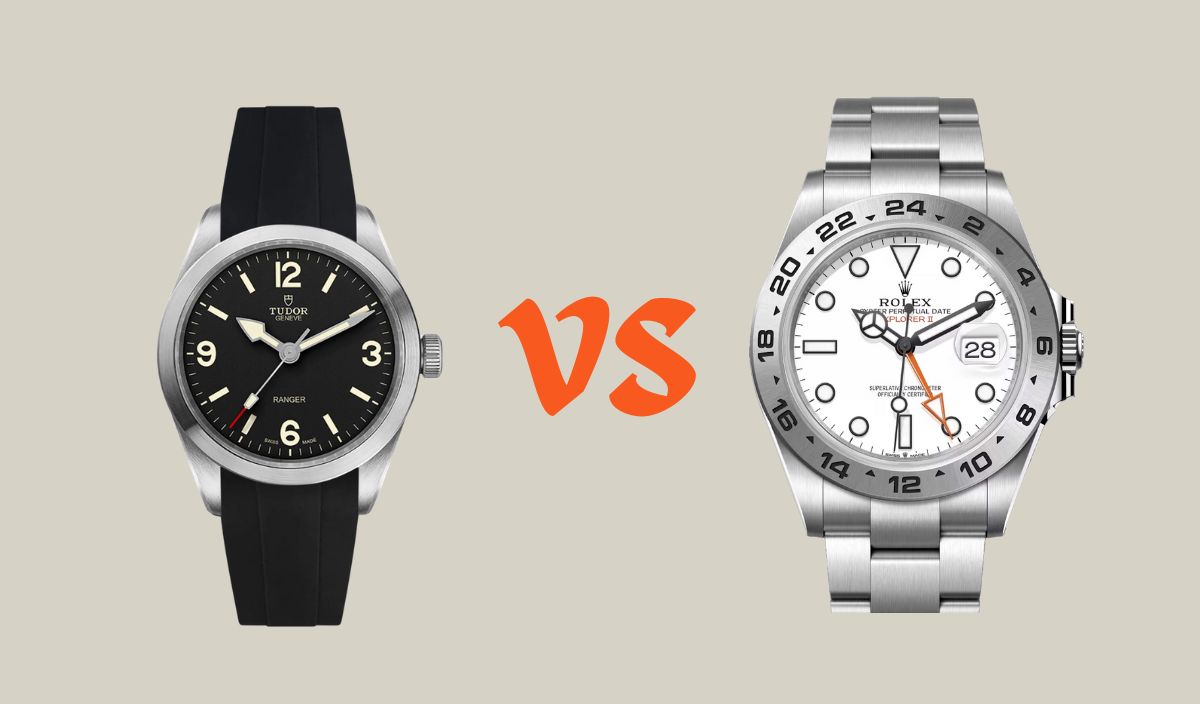
When it comes to robust, utilitarian tool watches, there is no shortage of models to choose from. But two that often stand out are the Rolex Explorer and the Tudor Ranger. Both are no-nonsense watches built for the outdoors, boasting super-legible dials, rugged construction, and an undeniable air of capability. 

In fact, put them side by side, and it’s easy to get them confused, at least at first glance. But don’t be fooled; while they may look like close cousins (and they are since Rolex and Tudor share the same parent company), these two timepieces come with a lot of differences. 

bot-only-imagebot-only-image

Rolex, the elder sibling, has a global reputation. It’s the brand synonymous with luxury and achievement, and the Explorer is its understated nod to those who seek adventure without sacrificing style. 

Tudor, on the other hand, is Rolex’s more accessible sibling, known for offering high-quality watches at a more bank-friendly price point. The Ranger reflects that ethos perfectly, delivering the same utilitarian spirit but with a slightly different approach to design.

So, which one should you pick? In this guide, we’ll compare the Tudor Explorer and the Rolex Ranger in detail, highlighting their similarities, differences, and the reasons why each could be the perfect fit for your next adventure.

The Tudor Ranger Collection 

Tudor Ranger Collection

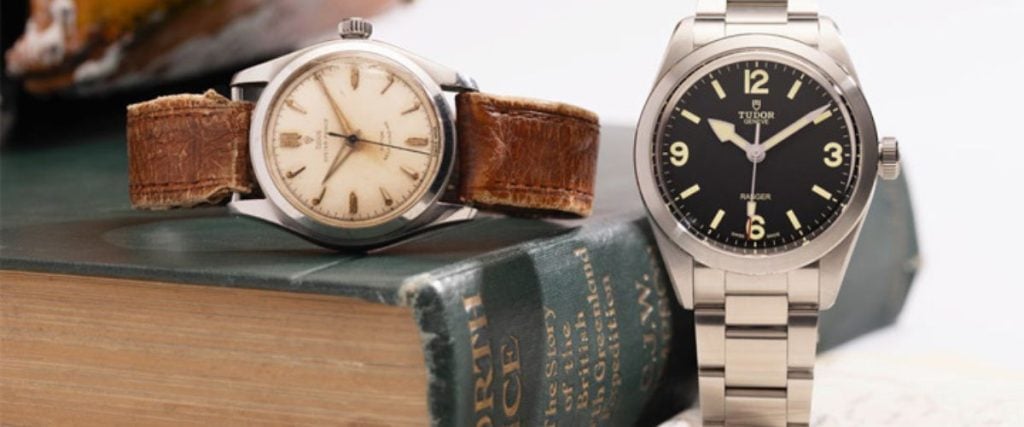
The history of the Tudor Ranger is a little puzzling as there are many parts of the story to consider, but that’s what makes this watch all the more fascinating. The Tudor Ranger we know today was bought back in 2022 to mark 70 years since the British North Greenland Expedition, but its name actually goes way further back. 

Hans Wilsdorf, the man behind Rolex and Tudor, registered it in 1929, but for decades, “Ranger” wasn’t a specific model. Instead, it was more of an idea, like a way to describe a watch that was built for adventure. 

The 1950s were when things started to click into place. Several Tudor watches accompanied the British North Greenland Expedition, a grueling trek across the Arctic. 

The expedition officially used the Oyster Prince, but its rugged, stripped-back design influenced what would eventually become the Ranger. Rather than being a one-to-one replica, the Ranger captured the spirit of reliability in extreme conditions. 

By the 1960s, the Tudor Ranger was finally standing on its own, with a clear identity inclusive of bold, luminous numerals, tough cases, and those signature arrow hands. 

Over the years, it adapted to the times and added features like date windows and improved technology but always stayed true to its utilitarian roots. Fast forward to today, and the Ranger still carries that adventurous vibe, blending old-school practicality with modern tech. 

The Tudor Ranger is a field watch that thrives on simplicity and functionality, making it the perfect companion for adventurers and minimalists alike. 

First introduced in the 1960s, it was created with a clear purpose: to be a tough, reliable timepiece that could withstand demanding environments while remaining easy to use. Decades later, the modern Tudor Ranger stays true to that original vision, combining rugged durability with thoughtful design. 

At the heart of the Ranger is the Tudor Calibre MT5402, a COSC-certified automatic movement with an impressive 70-hour power reserve. This movement ensures the watch is as dependable as it is precise, whether you’re trekking through wilderness or simply going about your daily routine. 

The 39mm stainless steel case also strikes a perfect balance between wearability and durability, with a domed sapphire crystal that resists scratches while adding a subtle vintage touch. 

At the moment, the Tudor Ranger only comes with a matte black dial, which feels like the sensible choice, as it keeps things clean and legible. The dial is largely defined by the bold Arabic numerals marking 3, 6, 9, and 12 o’clock and the bold and sharp arrow-shaped hands, including a red-tipped seconds hand that stands out beautifully against the black backdrop. 

The modern-day Tudor Ranger collection is relatively small, but that attests largely to its recent release in 2022. It also means that if you’re someone easily overwhelmed with choice, the Tudor Ranger family is going to make things easier for you. 

Currently, the collection features just three models, each with the same core features: a 39mm stainless steel case that’s durable yet wearable, a scratch-resistant domed sapphire crystal, and a matte black dial with bold Arabic numerals at 3, 6, 9, and 12 o’clock for excellent legibility. 

All three models are also powered by the same reliable Tudor Calibre MT5402, a COSC-certified automatic movement boasting an impressive 70-hour power reserve. 

The options differ in the straps, giving each watch its own distinct personality. For those who appreciate a classic look, there’s the model with a three-row stainless steel bracelet, which combines toughness with refined style. The second option features a hybrid rubber and leather strap, perfect for those who want a comfortable, sporty vibe that can easily handle active days. 

And then there’s my personal favorite, the Tudor Ranger with a fabric strap. This one features a striped design in red, khaki green, and beige, adding a touch of vintage charm that feels effortlessly outdoorsy.

The Rolex Explorer Collection 

Rolex Explorer Collection

The Rolex Explorer holds a special place in watchmaking history as it is widely known as one of the best-known explorer watches out there. Introduced in 1953, it was a response to the first successful ascent of Mount Everest by Sir Edmund Hillary and Tenzing Norgay. 

While there’s debate over whether an Explorer or its “Pre-Explorer” predecessor made it to the summit, what’s certain is that Rolex used the expedition as the foundation for a watch designed to conquer extremes. 

The Everest expedition was obviously a huge example of human triumph, but it was also a showcase of Rolex’s ground-breaking engineering. For years, the brand had been equipping explorers with its Oyster Perpetual models to test in the harshest environments. 

The feedback gained from these expeditions directly influenced the development of the Explorer, resulting in a watch that could endure punishing conditions while delivering unmatched reliability. 

The connection between the Explorer and exploration has become intrinsic to its identity, with the watch being worn by adventurers tackling everything from icy peaks to scorching deserts. 

And because of that, the Rolex Explorer’s story has grown into something of a legend. It was one of the models that marked a turning point for Rolex, solidifying the brand as a leader in crafting timepieces that combine precision, durability, and purpose. 

The Rolex Explorer is celebrated for its refined simplicity and purposeful design, elements that have remained central to its character since its debut. While the watch has evolved over the decades, it has stayed true to its origins as a reliable tool watch built for extreme conditions. 

Introduced in 1953, the Explorer’s legacy began with its rugged Oyster case, crafted from Rolex’s proprietary Oystersteel. This material ensures durability and corrosion resistance, while the hermetically sealed Oyster case guarantees water resistance up to 100 meters. 

The case’s smooth bezel and balanced proportions make it not only robust but also visually elegant, embodying Rolex’s commitment to merging form with function. 

A hallmark of the Explorer is its iconic black dial with 3, 6, and 9 numerals and cathedral hands. It’s a design built to prioritize legibility in all environments. Rolex’s proprietary Chromalight luminescent material further enhances visibility, offering a brilliant white hue in daylight and an intense blue glow in darkness. 

Complementing the Explorer’s classic design is the advanced engineering behind its movement. Modern models are powered by the Rolex Calibre 3230, a self-winding mechanical movement with a blue Parachrom hairspring, resistant to shocks, temperature fluctuations, and magnetic fields. The patented Chronergy escapement ensures energy efficiency, contributing to a power reserve of approximately 70 hours. 

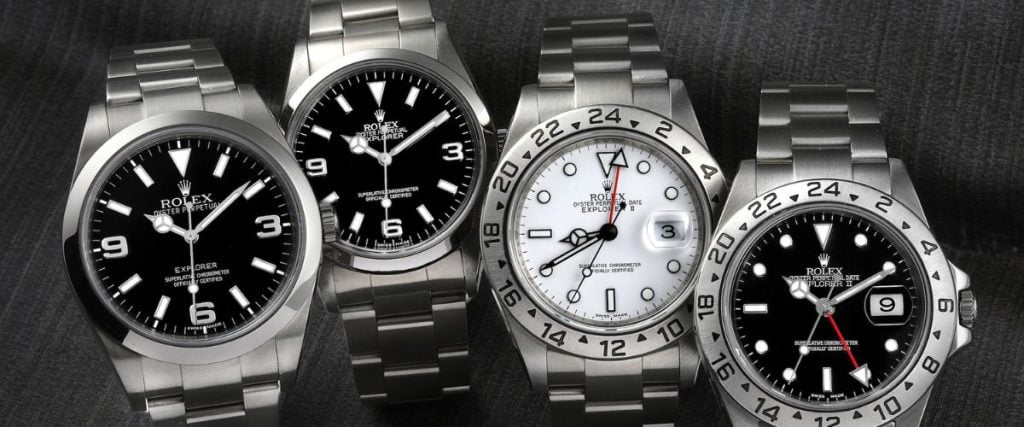
The Explorer II, an extension of the collection, adds a practical twist for globetrotters and adventurers. Featuring a 24-hour bezel and a brightly colored GMT hand, it allows wearers to track two timezones simultaneously. 

It also swaps out the iconic Arabic numerals for rounded indices and adds a magnified date window at 3 o’clock. This additional functionality enhances the Explorer’s versatility while retaining the rugged spirit of the original. 

The modern Rolex Explorer collection offers much more variety compared to the Tudor Ranger, making it easier to find a piece that suits your personal style and needs. The Explorer 40 and Explorer 36, both in Oystersteel, bring the rugged durability and unmistakable elegance Rolex is known for. 

The 40mm size offers a slightly larger presence, while the 36mm version has a more classic, understated feel which will no doubt attract the wrists of all genders. Both versions feature the iconic black dial with large Arabic numerals, ensuring legibility in any condition. 

For those drawn to a touch of luxury, the Explorer 36 in Oystersteel and yellow gold stands out with its two-tone design. Yellow gold accents on the bezel, crown, and inner bracelet links give it a refined look while still staying true to the Explorer’s functional roots. It’s the perfect blend of adventure-ready and elegant. 

Then, there’s the Explorer II, which adds an extra level of versatility. At 42mm, it’s slightly larger, offering a more substantial feel on the wrist. The 24-hour bezel and GMT hand also provide easy tracking of a second timezone, so it’s an ideal one for travelers. The Explorer II comes with two dial options, classic black or the striking white “Polar” dial, which adds a fresh, bold look to the collection.

Tudor Ranger vs Rolex Explorer – How to Choose 

When comparing the Rolex Explorer and the Tudor Ranger, the most obvious distinction lies in the number of options available. The Tudor Ranger collection is quite limited, with just three models currently on offer, all of which share a similar core design and differ primarily in their strap choices. 

On the other hand, the Rolex Explorer offers more variety, with several case sizes, materials, and even complications to choose from. Although the Explorer collection is still modest compared to some other luxury watchmakers’ vast portfolios, it definitely provides a wider selection than the Tudor Ranger.

Case Sizes and Design

The Rolex Explorer I comes in two case sizes: the Explorer 40 and the Explorer 36, allowing for a more customizable fit depending on wrist size and personal preference. The 40mm size is ideal for those who like a bit more presence on the wrist, while the 36mm version caters to those who prefer a more classic, understated look. 

There’s also a Rolex Explorer II model with a 42mm case, adding even more options in terms of size and presence. In contrast, the Tudor Ranger sticks to a single case size of 39mm, making it more consistent but less versatile for those who like to choose between sizes.

The design of both watches shares some similarities, particularly their clear, legible dials with Arabic numerals at 3, 6, and 9 o’clock. However, the Rolex Explorer typically has a slightly more refined aesthetic, with its signature Mercedes hands and high-end finishes that exude luxury. The Tudor Ranger has a more utilitarian feel, with a more straightforward dial layout and the trademark snowflake hands.

Materials and Durability

The Rolex Explorer uses higher-end materials throughout, such as Oystersteel (a proprietary stainless steel developed by Rolex) and yellow gold options. The Explorer’s case is designed to withstand the harshest environments, and the materials used reflect its robust, luxury tool watch status. 

The use of Chromalight on the dial for improved luminescence is another luxury touch that differentiates it from the Tudor Ranger. Tudor, while owned by Rolex, opts for a more accessible range of materials. The Tudor Ranger uses stainless steel and has a simpler, but still durable, design.

Movement Technology

When it comes to the movements, the Rolex Explorer takes the lead with its sophisticated in-house calibers, such as the Caliber 3230 in the latest models. 

This self-winding movement is renowned for its precision and durability, featuring innovations like the Chronergy escapement for improved efficiency and Parachrom hairspring for resistance to magnetic fields and shocks. It also boasts a power reserve of up to 70 hours, ensuring reliability for long periods without winding.

In comparison, the Tudor Ranger uses the Tudor Caliber MT5402 movement, which is also an in-house automatic movement but one not quite as advanced as Rolex’s latest technology. 

While still offering a respectable 70-hour power reserve and COSC certification for accuracy, it lacks some of the features found in Rolex’s movements, like the proprietary Parachrom hairspring and enhanced escapement.

Complications and Features

The Rolex Explorer II adds an extra layer of functionality to the Explorer collection with its 24-hour bezel and GMT hand, allowing wearers to track two time zones at once. This makes the Explorer II an optimal choice for frequent travelers or those who like having additional functionality in their watches. The Tudor Ranger, on the other hand, stays true to its minimalist design focusing purely on telling the time.

Price and Availability

One of the most significant differences between the Rolex Explorer and the Tudor Ranger is the price. The Tudor Ranger is far more affordable, retailing from around $3,150, making it a great entry point for those who want a robust tool watch without breaking the bank. 

Meanwhile, the Rolex Explorer starts at $7,350 for the base model and can climb as high as $11,000 for versions made from solid gold.

Availability also plays a major role. Tudor Rangers are relatively easier to obtain, with less of a wait time, as they are produced in higher quantities. In contrast, the Rolex Explorer often has long waiting lists, especially for brand-new pieces from authorized dealers. This adds an element of scarcity to the Explorer, which, for some buyers, may make it more desirable.

Which One is Right for You?

Deciding between the Tudor Ranger and the Rolex Explorer ultimately comes down to what you prioritize in a watch. If you value affordability and accessibility, the Tudor Ranger might be the ideal choice. 

Its minimalist design, simplicity, and rugged build make it perfect for those who want a solid, no-nonsense tool watch that doesn’t have the complications or luxury materials of more expensive options.

On the other hand, the Rolex Explorer is for those who appreciate craftsmanship, luxury materials, and the legacy linked to Rolex. It also offers a more versatile collection with different case sizes, materials, and even complications in the Explorer II model, so it’s going to be best suited to those that have smaller wrists, more particular tastes, or just a love of options.

Conclusion

Both the Rolex Explorer and the Tudor Ranger are fantastic tool watches and easily two of the best on the market.  The Rolex Explorer stands out for its superior materials, advanced technology, and wider range of options, making it a top choice for those seeking a luxurious, high-performance explorer’s watch.

Nevertheless, the Tudor Ranger is a fantastic alternative for those who prioritize affordability and accessibility without compromising on durability and design.

While it may lack the refined features of the Rolex, it still offers a rugged, dependable experience, making it the better choice for anyone looking for a great tool watch at a more approachable price.

tudor pelagos vs black bay

Let’s be honest: when someone says “Tudor,” chances are the first watch that comes to mind is the Black Bay. It’s the Swiss watchmaker’s flagship collection and the watch that put Tudor back on the map when it launched in 2012. 

It’s got that vintage charm, the nods to Tudor’s heritage, and oozes versatility. But while the Black Bay might be soaking up most of the spotlight, there’s another Tudor timepiece that deserves just as much love: the Pelagos. 

bot-only-imagebot-only-image

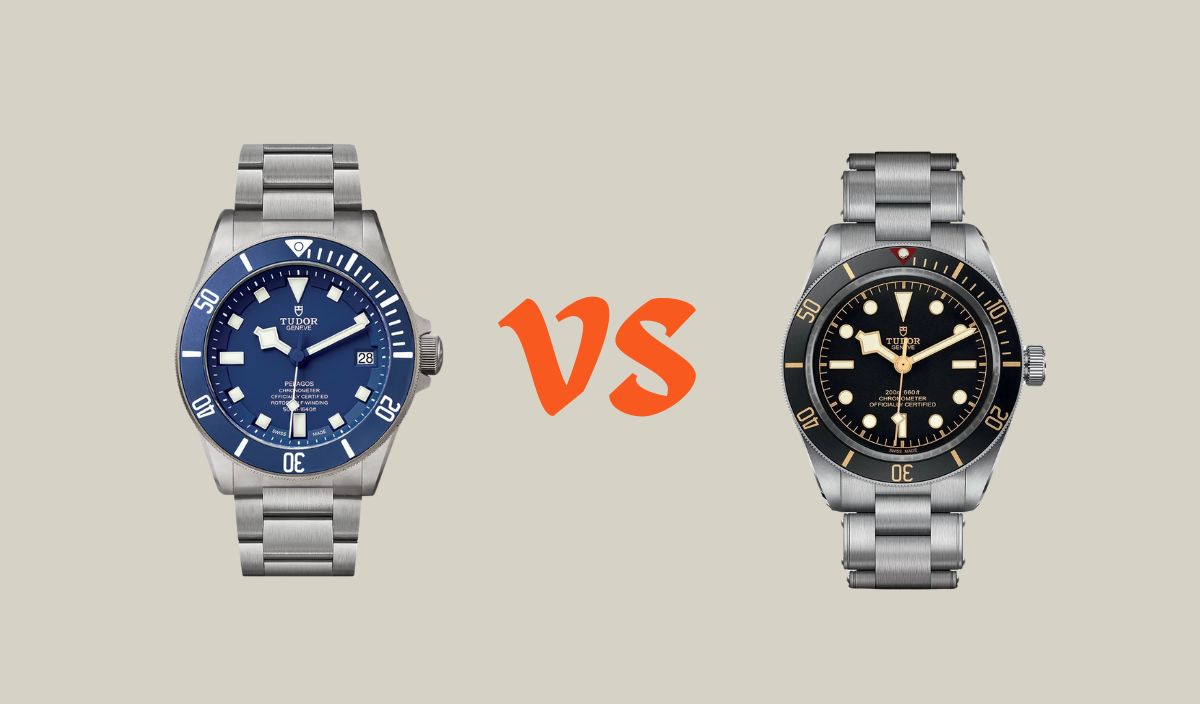
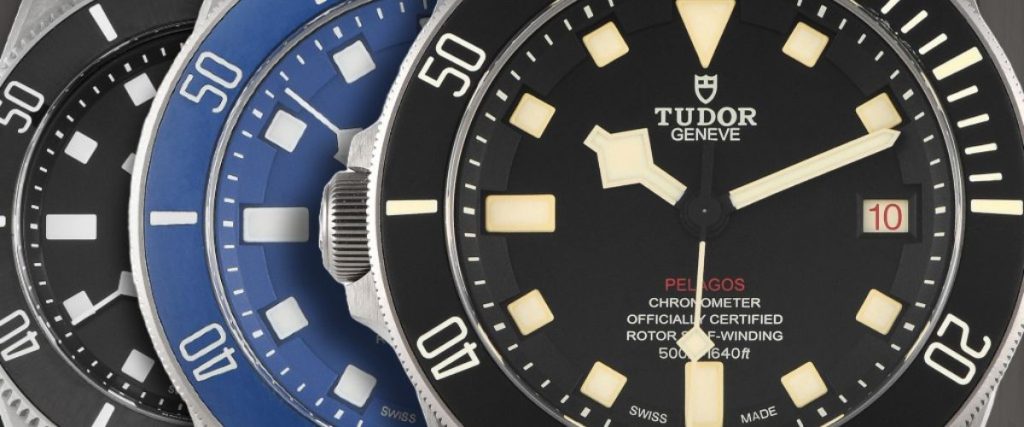
Now, don’t get me wrong, the Tudor Pelagos is not here to play second fiddle, it’s here to carve out its own identity. Still a dive watch, the Pelagos is a modern tool-watch powerhouse with impressive functionality and design that varies from its Black Bay sibling. 

Where the Black Bay leans into its retro-inspired charm, the Pelagos takes a modern approach with a lightweight titanium case and a serious water-resistant rating. 

What’s great about Tudor today, compared to, say, a decade ago, is how spoiled for choice we are. Both the Black Bay and Pelgaos collections have plenty of references for us to choose from. S,o without further ado, let’s compare these two dive watches and discuss the many options on the table.

The Tudor Pelagos Collection

The Tudor Pelagos Collection

When Tudor introduced the Pelagos alongside the Black Bay at Baselworld 2012, it marked a turning point for the brand. Tudor was on the brink of its grand re-entry after nearly a decade-long hiatus, and the release of these two dive watches underscored the company’s resurgence. 

Over the years, the Black Bay has become Tudor’s flagship, offering a wide variety of models to suit different tastes. In contrast, the Pelagos has followed a more focused path, staying true to its roots as a no-nonsense tool watch with only a handful of updates. 

The Pelagos, named after the Greek word for “open seas,” debuted as Tudor’s most technical dive watch. The first model, the Pelagos 25500TN, which launched in 2012, featured a 42mm titanium case, a helium escape valve at 9 o’clock, and a ceramic bezel. These specs made it a serious contender for professional divers. It was originally powered by an ETA-based automatic movement as at this point, Tudor still hadn’t dipped their toes into the in-house movement game. 

In 2015, the Pelagos received a significant upgrade with the introduction of the 25600TN (black) and 25600TB (blue) models. These watches were equipped with Tudor’s new in-house MT5612 movement, which added a “Chronometer Officially Certified” designation to the dial.

This evolution emphasized Tudor’s shift toward independence in watchmaking while reinforcing the Pelagos as a serious diving instrument. 

Another notable addition came in 2016 with the Pelagos LHD (Left Hand Drive). Inspired by vintage Tudor Submariners made for the French Navy, this model flipped the crown to the left side, catering to left-handed divers.

The LHD also introduced unique color accents and a slightly more stylized aesthetic, giving it a distinct identity within the collection. 

At its core, the Tudor Pelagos is built for performance. Its lightweight titanium case ensures comfort even at 42mm, while its 500-meter water resistance and helium escape valve make it suitable for saturation diving. 

The ceramic bezel is luminous and durable, perfect for low-light underwater conditions. The watch also features a spring-loaded clasp that automatically adjusts for pressure changes during dives. The latter is a really clever innovation rarely seen elsewhere. 

Today, the Pelagos collection offers several variations to suit different preferences while maintaining its tool-watch DNA: 

  • Classic Pelagos (42mm): The classic and original Pelagos is currently available in black or blue dial and bezel options, paired with a 42mm titanium case and bracelet. Its ceramic rotating bezel, robust build, and 500-meter water resistance make it a go-to for divers who demand reliability.
  • Pelagos 39: Released as a smaller alternative, the Pelagos 39 offers a sleeker and more wearable design while retaining many of the core features of its larger sibling. It’s perfect for those who want the Pelagos’ functionality in a more compact package. 
  • Pelagos LHD: The Left Hand Drive (LHD) variant stands out with its left-side crown and vintage-inspired styling. It retains the same impressive specs as the classic models, including the titanium case and ceramic bezel, while adding a unique touch of vintage character. 
  • Pelagos FXD: The FXD sub-collection takes the Pelagos’ utility to the next level. Designed for underwater navigation, the FXD features fixed strap bars for enhanced durability, a countdown bezel for mission timing, and a thinner, darker-toned titanium case. It is also exclusively paired with fabric straps, emphasizing its practical, military-inspired aesthetic.

The Black Bay Collection 

The Tudor Black Bay Collection

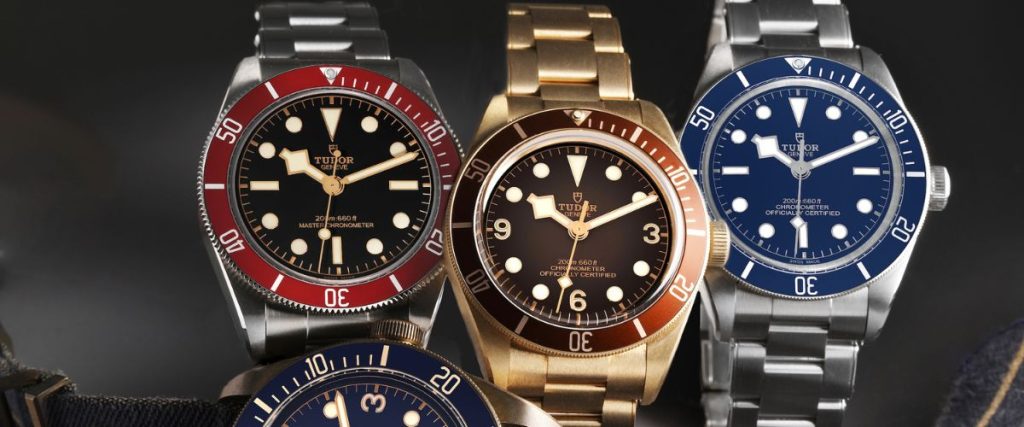
When someone mentions Tudor, chances are the Black Bay is the model that comes to mind. It’s Tudor’s flagship collection for a reason, seamlessly blending vintage inspiration with modern reliability and offering a staggering variety of options to suit just about anyone. While the Pelagos is a serious tool watch built for deep-sea adventures, the Black Bay is where I feel Tudor lets their creativity shine.

When Tudor introduced the Black Bay in 2012, the collection felt almost like a love letter to the brand’s storied history in dive watches. Drawing inspiration from vintage Tudor models, the Black Bay design is an amalgamation of some of the most iconic features from Tudor’s past.

The case shape, dial design, and domed crystal echo the 1954 Oyster Prince Submariner ref. 7922, while the oversized crown silhouette was inspired by the 1958 Submariner ref. 7924, nicknamed the “Big Crown.” And, of course, the bold and angular “Snowflake” hands came straight from the 1970s Tudor Submariners used by the French Navy.

The first Black Bay reference, the 79220, debuted with a distinctive burgundy bezel. It was quickly followed by models with blue and black bezels, cementing the Black Bay as a versatile and instantly recognizable dive watch. 

These early models were powered by ETA movements, a reliable workhorse in the watch world. However, in 2016, Tudor replaced the ETA-powered references with in-house movements, elevating the collection further with improved performance and precision.

Since there are so many Tudor Black Bay models in the company’s collection, it’s hard to narrow down the key features. There are a variety of case sizes, dial colors, movements, complications, and strap configurations from which to choose. But they all have a few things in common, such as domed sapphire crystal glass, unidirectional aluminum dive bezels, and a 200-meter water-resistant rating.

Where the Pelagos focuses on being a specialized tool watch, the Black Bay takes a different approach. Tudor has expanded the Black Bay into a sprawling collection with numerous configurations, case sizes, and materials. Here’s a breakdown of what’s available: 

  • Black Bay Fifty-Eight: A tribute to the classic Tudor divers of the 1950s, the Black Bay Fifty-Eight features a compact 39mm steel case, no-date dials, and options for black or blue colorways with aluminum bezels. 
  • Black Bay Steel: A traditional diver with a 41mm case, steel bezel, and date window. 
  • Black Bay S&G (Steel & Gold): These models mix steel and gold for a luxurious two-tone look, available with date windows and a variety of dial options. 
  • Black Bay Bronze: With its 43mm bronze case and no-date dial, this watch develops a unique patina over time, offering a rugged and vintage-inspired aesthetic. 
  • Black Bay P01: A quirky and bold design inspired by a 1960s Tudor prototype, the P01 features a 42mm case, a locking bezel mechanism, and a date window. 
  • Black Bay Chrono: A sporty chronograph with a 41mm case, bi-compax dials, a steel tachymeter bezel, and date function. There’s even a vibrant turquoise “Flamingo Blue” version and a bright pink sister model for those who want to make a statement. 
  • Black Bay Chrono S&G: This two-tone variant of the chronograph offers a luxurious edge, with a mix of steel and gold paired with an aluminum tachymeter bezel. 
  • Black Bay GMT: Featuring a 41mm case and a striking two-tone aluminum bezel, the Black Bay GMT offers a playful twist on the iconic “Pepsi” bezel from Rolex with options in burgundy and navy or brown and black. It also includes a 24-hour hand and a date window for frequent travelers. 
  • Black Bay 32/36/41: These are the Tudor Black Bay watches for the every day, featuring smooth bezels, cases in steel or two-tone configurations, and three case sizes to suit any wrist.

Tudor Pelagos vs Black Bay – How to Choose

It’s clear Tudor has created these two distinct dive watch collections to cater to the different needs and wants of its customer base. While both are celebrated for their exceptional craftsmanship and robust performance, they diverge in aesthetics, functionality, and audience appeal. Below, we’ll break down the key differences between the Tudor Black Bay and Pelagos across various categories, helping you decide which one aligns best with your style and requirements.

Water Resistance

One of the most significant differences between the Tudor Black Bay and Pelagos lies in their water resistance. The Pelagos is engineered for serious underwater adventures, offering an impressive 500 meters of water resistance. Its helium escape valve, positioned on the case, is a feature specifically designed for saturation divers who operate at extreme depths.

In contrast, the Black Bay, while still a capable dive watch, is rated to 200 meters. This level of water resistance is still perfectly adequate for recreational diving and everyday wear but doesn’t reach the technical depths of the Pelagos.

Case Materials

The Pelagos is a pioneer within the Tudor lineup as the brand’s first dive watch to be crafted from titanium. This material is prized for being lightweight, strong, and resistant to corrosion, making it an ideal choice for extended wear during demanding activities. Its brushed finish gives the watch a distinctly utilitarian appearance that underscores its tool-watch heritage.

The Black Bay collection, on the other hand, embraces variety in its case materials. While stainless steel is the cornerstone, the lineup also includes options in bronze, two-tone steel and gold, and PVD-coated steel. These choices make the Black Bay far more diverse in style, catering to both traditionalists and those who want something with a touch of luxury.

Straps and Bracelets

The strap options reflect the different personalities of the two collections. The Tudor Pelagos comes on a titanium bracelet with a clever spring-loaded clasp that automatically adjusts to changes in wrist size caused by pressure variations underwater. Additionally, the FXD models in the Pelagos line are exclusively paired with fabric straps, which align with their stripped-down, functional aesthetic.

The Tudor Black Bay offers significantly more variety in this department. Whether you prefer the classic feel of a stainless steel bracelet, the warmth of a leather strap, or the practicality of rubber, the Black Bay lineup has a configuration to suit your preferences. This range enhances its versatility, making it a watch that transitions effortlessly between casual and formal settings.

Aesthetic Differences

Visually, the Tudor Pelagos leans into minimalism and practicality. Its flat sapphire crystal ensures maximum legibility, while the matte ceramic bezel and bold Snowflake hands emphasize readability and functionality over decorative elements. The overall design is stark and no-nonsense, a clear reflection of its purpose as a professional-grade dive watch.

The Tudor Black Bay, however, takes a different approach. Its domed sapphire crystal glass, polished and brushed finishes, and aluminum bezel inserts give it a vintage-inspired charm that pays homage to Tudor’s dive watch heritage. While the Snowflake hands are a common feature between the two collections, they feel more decorative in the Black Bay and more of a way to complement the retro aesthetic, while also maintaining clear legibility.

Complications and Features

The Tudor Pelagos is straightforward in its approach, offering time and date functions that prioritize reliability and durability. Its design and features are tailored for professional use, and it avoids any unnecessary complications that could detract from its tool-watch identity.

The Tudor Black Bay collection, by contrast, offers a broader range of complications and features. From the practical GMT models with their dual time zone functionality to the sporty chronographs with their tachymeter bezels and timing subdials, the Black Bay lineup is designed to cater to a variety of needs. This diversity makes it a more versatile choice for those who want a watch that can do more than just dive.

Price

The Tudor Black Bay collection retails from $3,825, making it an accessible entry point into Tudor’s world of high-quality dive watches. With its variety of complications, materials, and styles, the Black Bay offers excellent value for its price, particularly for those seeking a versatile timepiece that can adapt to different occasions.

Meanwhile, the Tudor Pelagos, starting at $4,400, reflects its position as a more specialized watch. Its titanium construction, helium escape valve, and 500-meter water resistance justify this slightly higher price point, appealing to those who need a tool watch capable of withstanding extreme conditions.

Should You Choose the Tudor Black Bay or the Tudor Pelagos?

The Black Bay is an excellent choice for individuals who appreciate vintage-inspired design and a versatile timepiece. Its extensive range of sizes, materials, and complications makes it suitable for anyone, whether you’re looking for a watch to wear with a suit, on a casual day out, or during a dive. This collection is also ideal for those who value style and variety, as it offers something for almost every preference.

The Pelagos, on the other hand, is designed for the serious adventurer or diver. Its robust titanium construction, practical features, and minimalist design make it a reliable companion in extreme environments. It’s also best suited to someone who prioritizes functionality over aesthetics, someone that needs a watch that can handle demanding conditions and isn’t overly fussed by luxurious case metals like gold and bronze.

Conclusion 

Choosing between the Black Bay and Pelagos ultimately comes down to your priorities. If you’re after a stylish and versatile watch with a nod to Tudor’s rich history, the Black Bay offers endless options. Its broad range of sizes, materials, and complications ensures there’s a piece for every occasion, whether you need a daily companion, a sophisticated accessory, or a functional tool for moderate diving adventures. 

However, if you want a no-compromise tool watch built for performance, the Pelagos delivers unmatched durability and practicality. With its technical specifications, lightweight titanium construction, and features designed explicitly for professional divers, it’s a watch that excels in the harshest environments without sacrificing wearability or reliability.

Truthfully though, both collections are immaculate, and I have very little negative to say about either model. Each reflects Tudor’s dedication to craftsmanship and innovation, offering value that far exceeds their price points. Whichever watch you choose, you’ll not be disappointed.

To Top