News Archives - Page 26 of 53 - Exquisite Timepieces
iconHome Blog / News / Page 26

Category: News

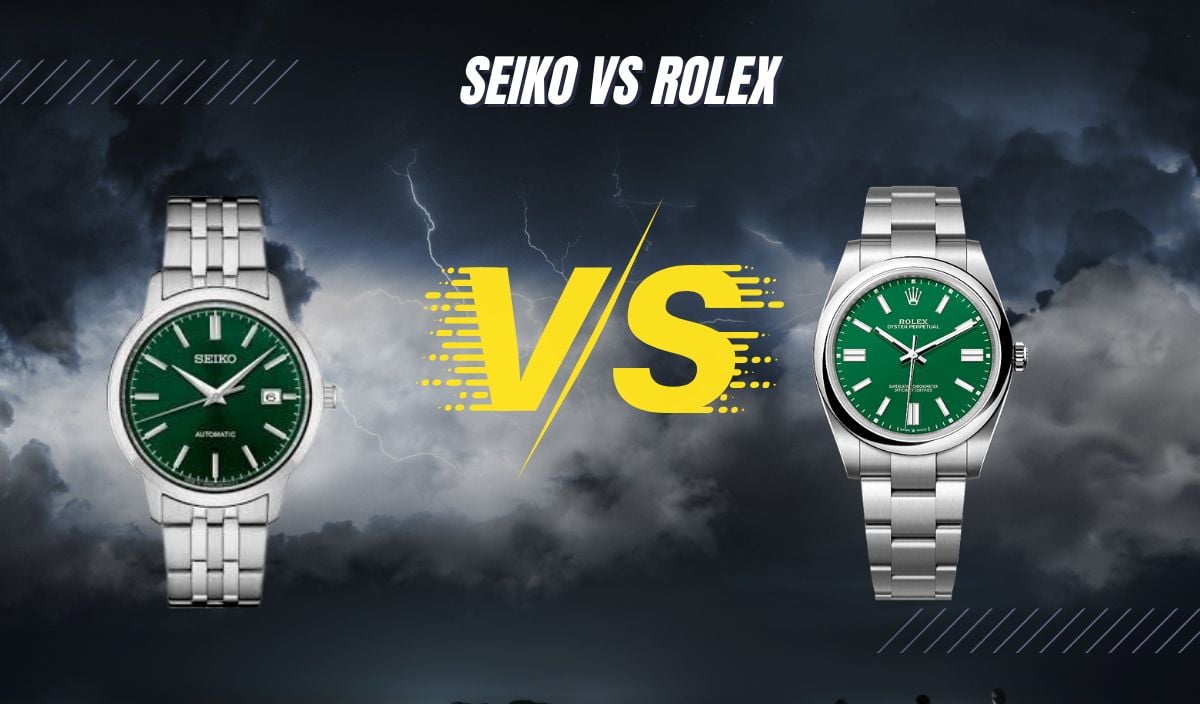
Seiko vs Rolex

Grand Seiko vs Rolex: Battle Between Two Luxury Watch Giants

Paul Rothbart

February 23, 2025

Comparisons are inevitable, especially when it comes to consumer goods. Ford vs. Chevy, Coke vs. Pepsi, Android vs. iPhone. These comparisons are often polarizing, with fanboys and fangirls landing solidly on one side or the other. The world of horology is no different.

Two of the finest watchmakers on the planet are Rolex, the world’s most famous brand, and Grand Seiko, Japan’s luxury brand. Each has a long history, and you can’t go wrong with either if you are seeking a high-quality, reliable, and aesthetically pleasing timepiece. 

bot-only-imagebot-only-image

Rolex and Grand Seiko can both fit the bill quite nicely. However, there are significant differences between the two brands in design philosophy, technical innovations, and other aspects of watchmaking. Let’s explore them.

Brand Heritage

Rolex
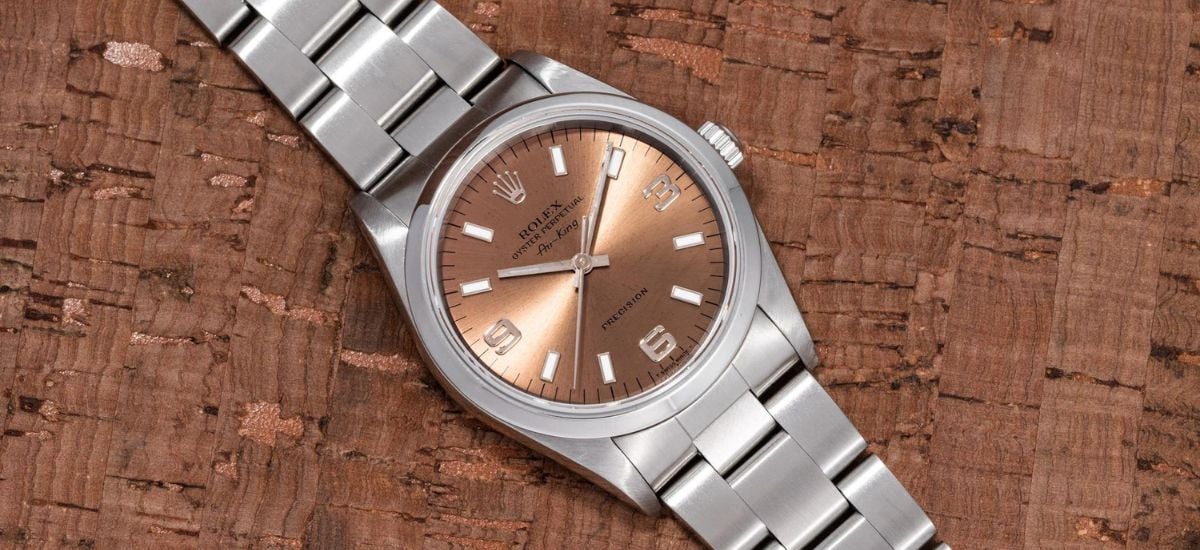
Rolex Air King Salmon Dial

Rolex has a distinguished history that dates back to 1905 when Hans Wilsdorf started the company in London. Later, Wilsdorf moved his company to Switzerland and quickly established Rolex as one of the best watches, Swiss or otherwise, on the market. 

Wilsdorf’s true genius came in marketing. In 1926, Rolex purchased the patent for a water and dust-resistant case that it called the Oyster. The following year, Mercedes Gleitze swam across the English Channel with a Rolex Oyster hung around her neck. The publicity boosted the popularity of the brand and the model to great heights.

In 1931, Rolex developed an automatic movement when it invented the perpetual rotor, which wound the watch as the wearer moved their arms. This is the same basic mechanism used today by all automatic watches.

Over the years, the brand created tool watches such as divers, chronographs, and GMTs. Long before it became a symbol of luxury and status, Rolex was known for quality timepieces that performed useful tasks. 

Today, Rolex has firmly cemented its place as the best-known watch brand worldwide. It is known even by the horologically ignorant.

Their reputation is so strong that despite making a million watches a year, Rolex cannot meet the demand. This leads to long wait times on lists of interest and the necessity of developing lasting relationships with Rolex ADs. 

Counterfeiting and flipping are two phenomena that Rolex has had to take steps to guard against, and each has influenced its design and marketing strategies.

Grand Seiko
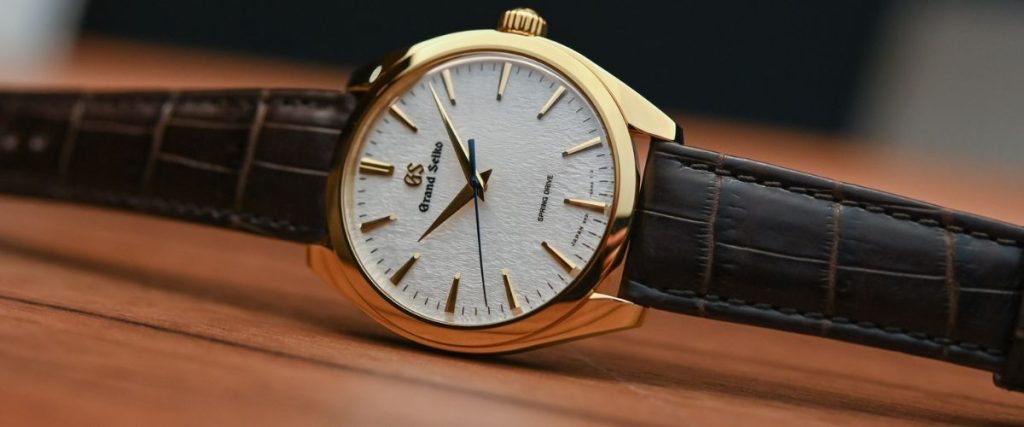
Grand Seiko also has a long history that has humble beginnings. In 1881, Kintaro Hattori founded a company that initially bore his name. Hattori was a staunch admirer of Swiss watchmakers and strove to match the level of craftsmanship and quality in watches of his own making. 

In 1892, Hattori renamed his company Seikosha and, in 1913, produced the Laurel, the first Japanese wristwatch. In 1924, the brand’s name was changed to Seiko, and the first Seiko watches hit the market.

During the Second World War, Seiko supplied watches to the Japanese military. The post-war period saw advancements such as the 1956 launch of Japan’s first automatic watch. In 1959, Seiko patented the Magic Lever, a self-winding mechanism that was simple and reliable and it helped popularize automatic watches.

In 1960, Seiko created the first Grand Seiko watch, designed to be the most accurate wristwatch in the world and place the company on par with the Swiss luxury brands.

By 1963, Seiko was developing the first quartz timepieces to be used at the 1964 Tokyo Olympics. This technology had a tremendous impact on the world of horology and eventually created the Quartz Crisis, which changed the industry dramatically.

The 60s were a decade of great progress for Seiko and saw the release of Japan’s first chronograph and dive watch. In 1967, the final year of the Neuchatel Observatory competition. Seiko took second and third place to make a huge statement to the watchmaking industry.

In 2017, Grand Seiko became its own brand, separate from Seiko, and began selling watches in the U.S. and throughout the world. Since then, with continued innovation and stunning designs, the brand has rapidly climbed the ladder as one of the most popular watches amongst horology connoisseurs. 

Model Variety

Both Rolex and Grand Seiko offer a number of models covering the main categories of watches: dress, diver, chronograph, and GMT. Within each category, both brands have a variety of selections in terms of materials, case sizes, strap options, dial color and texture, and complications. Ladies’ and men’s models are also offered by each. Let’s take a closer look.

Rolex

At the top of the Rolex catalog are its two elegant and popular dress watches, the datejust and the day-date. Both models feature a date complication at three o’clock under Rolex’s Cyclops magnifying lens. 

The day-date has the day of the week spelled out above the logo at 12 o’clock. It acquired the classy nickname “The President” in the 1960s when it was Lyndon Johnson’s timepiece of choice. With a variety of dial colors, case sizes, and both men’s and women’s models, these watches are a staple of the Rolex brand.

There is also the legendary Oyster Perpetual, Rolex’s first automatic water-resistant watch. With 100 meters of water resistance and a wide variety of dial colors and patterns, it is as popular today as ever.

With its early development of a water-resistant case, it should be no surprise that Rolex offers one of the industry’s best dive watches, the Submariner. First released in 1953, the Submariner has maintained its classic design and is available in a variety of dial colors with complementary or contrasting bezels. 

The basic Submariner has a water resistance of 300 meters. Other dive watches include the Sea-Dweller, with a 1220-meter water resistance, and the Deepsea, which is water resistant to an incredible 3900 meters. Divers today use dive computers, and no human could survive at these depths. Rolex’s ultra-dive watches were developed as a result of its competition with Omega.

Rolex has a historical connection to auto racing, and British driver Sir Malcolm Campbell had one on his wrist in 1935 when he set a world land speed record in Daytona, Florida. Naturally, the brand offers the Cosmograph Daytona, one of the most sought-after chronographs on the market. Current models come in a variety of dial colors, case materials, and other options.

For a frequent traveler, a GMT watch is desirable, and Rolex has some great ones. Released in 1954, the GMT-Master remains perhaps the most popular watch of its kind. These timepieces feature an extra GMT hour hand and a bidirectional rotating bezel. The dials come in a variety of colors coordinated with two-color bezels that led to nicknames such as “Pepsi”, “Coke”, “Root Beer”, and “Batman”. 

Rolex’s models have changed very little in design over the years. This makes sense when you consider its impressive sales record. Why mess with a winning formula?

Grand Seiko

Grand Seiko offers outstanding watches in all of these categories as well. A gorgeous variety of dial colors and textures, as well as case materials and straps make the Grand Seiko catalog a playground for watch lovers.

When it comes to dress watches, it’s hard to top Grand Seiko’s Heritage and Elegance collections. With a variety of case sizes, men’s and ladies’ models, case materials, and incredible dial colors and textures, a true watch aficionado has a huge variety of options. 

Originally dedicated to mostly elegant dress watches, when Grand Seiko became a separate brand in 2017, it began offering tool watches, including some impressive divers. The Sport and Evolution 9 collections include dive watches with water resistance of 200 and 600 meters.

Titanium cases and dial options in blue with textures that evoke the feel of the waves of the sea make Grand Seiko an excellent choice for dive watch fans. They rank among my favorites in the dive category, which is my preferred type.

Looking for a chronograph? Grand Seiko has you covered. The Tentagraph, so named because of its 10 beats per second Caliber 9R96 Spring Drive movement, is among the most accurate chronographs out there. With a variety of dial colors, textures, and subdial alignments, Grand Seiko can please a wide variety of chronograph fans. 

When it comes to GMTs, Grand Seiko takes a backseat to no one. The Sport Collection has models with beautifully coordinated bezel and dial colors, and textures with the same Grand Seiko high quality, accuracy, and reliability. 

Design

In regards to design ingenuity and philosophy, the two brands differ, yet each is dedicated to quality, consistency, and pleasing aesthetics. 

Rolex

Rolex has built a reputation as THE watch to own. It’s the grail wrist candy for millions, the watch for a graduation or retirement gift, or to commemorate a special achievement. As such, the need for innovation and ingenuity is not that great.

Early on in its history, Rolex was involved in the development of water-resistant cases and automatic movements. It remains dedicated to timepieces that are accurate to COSC standards, made of the highest quality materials, and beautifully fit and finished.

In terms of design, Rolex watches have not changed much over the decades. For example, a modern Submariner shows very little difference to one from the 50s or 60s. Rolex does come out with new bezel and dial color combinations and even a few gaudy dials, such as the Oyster Perpetual Gumball or the Daytona Eye of the Tiger, but for the most part, the basic case, hands, and bracelets remain the same.

The huge amount of counterfeits out there has caused Rolex to add features such as the crown logo engraved on the crystal to help authenticate the real deal. 

Rolex generally sticks to automatics and solid, unengraved casebacks. These are standard features that many watch collectors desire. Rolex markets heavily to watch snobs. This is not a criticism. It’s a smart marketing strategy. These are the people who absolutely love the brand, and their loyalty keeps Rolex near the top of the heap.

Grand Seiko

When it comes to innovations in technical and design aspects of watchmaking, Grand Seiko is not one to rest on its laurels. The brand follows its founder’s desire to compete with and surpass the best Swiss brands. Japanese manufacturers, in general, follow a “there’s always room for improvement” philosophy, and Grand Seiko is no exception.

In terms of design, Grand Seiko continually uses new materials and adds new dial colors and textures. Innovative technology combined with aesthetic beauty keeps the brand moving forward.

Build Quality & Materials

Both Rolex and Grand Seiko feature high levels of build quality and the best materials. Fit and finish are paramount to both brands.

Rolex

Rolex uses its own blend of 904L stainless steel, crafted at its own factory. Named “Oystersteel”, it’s robust and aesthetically pleasing. As with other luxury brands, Rolex also uses 18K yellow, gold, and everose gold in its precious metal models. 

Sapphire crystals and ceramic bezels are other Rolex hallmarks, as are high-quality leather straps and metal bracelets. The brand also uses a combination of brushed and polished surfaces to make cases, indices, and hands pop.

Rolex dials are designed to be easy to read and to add color and contrast to the bezels. They are beautiful without being particularly spectacular.

For decades, Rolex watches have had a well-earned reputation as hardy tool watches. That aspect is still there but elevated to a higher level of luxury. No watch leaves the Rolex factory with even the slightest of flaws. 

Grand Seiko

Grand Seiko uses 316L stainless steel, an industry-standard in its watches, as well as lightweight, durable titanium. Precious metal watches are made with 18K yellow, white, and rose gold in the cases, bezels, and bracelets.

Grand Seiko’s straps are high-quality leather and crocodile. Sapphire crystals sit above the dial and exhibition casebacks.

As for the finish, Grand Seiko also uses brushed and polished surfaces but takes it to another level with their own Zaratsu polishing. This method gives cases, bracelets, bezels, indices, and hands a gorgeous mirror finish, unlike anything you will see on a competing brand. Every part is precision cut by experts in their field, and the fit is flawless.

Grand Seiko does everything well, but when it comes to dials, their craftsmanship and designs are out of this world. The Japanese revere nature, and this is reflected in the brand’s dials. 

Whereas Rolex would give you an on-the-nose design with a green dial, perhaps with an image of a tree to simulate nature, Grand Seiko does it in an abstract fashion that will affect you in a visceral way.

The dial would be an evergreen color with a texture that matched the actual needles. You can almost smell the pine looking at a dial like this. There are dials that evoke lakes at different times of day, snow, ice, and sakura leaves in various seasons. 

Nobody does dials like Grand Seiko, and this alone establishes the brand as one of the best in the watchmaking world.

Movements

As nice as a watch may look, it’s useless without a quality movement. Both brands create their movements in-house and are known for quality and accuracy.

Rolex

In their early days, Rolex was an innovator, with their perpetual models that advanced automatic movements. The first Daytonas used modified Zenith chronograph movements that were advanced for their time. 

These days, Rolex is not so innovative, but their movements are among the most accurate in the business, COSC certified, reliable, and durable, and with generous power reserves. The movements are made with top-quality materials and finished beautifully. Unfortunately, only your local watchmaker gets to see the movement, as Rolex doesn’t do exhibition casebacks.

Grand Seiko

Grand Seiko has continually been an innovator with regard to movements, utilizing the Japanese passion for technology. The brand offers several types of movements, including the Hi Beat which  operates at 36000 bph, yet still has an impressive power reserve of 70 hours.

The patented Spring Drive movement is an amazing innovation that combines the prestige of an automatic movement with the accuracy of quartz. In addition to ratings higher than that of COSC, these watches have the smooth second hand sweep of an automatic.

Grand Seiko uses the best quality materials in their movements and finishes them beautifully. Stripe patterns made from polished and brushed surfaces, logo and movement specs inlaid in gold make the movements works of art in their own right. Thanks to the proliferation of exhibition case backs, you can enjoy the look of the movement and share it with your watch-loving friends anytime you like. 

Price Point

Whether any watch is considered expensive is relative to a buyer’s income and budget. That said, both Rolex and Grand Seiko are expensive watches. Given their high quality, that should be expected. Both brands have models that have a very hefty price tag, but in general, Rolexes cost significantly more.

Rolex

With its incredible reputation and general public perception of being THE watch to own, Rolex’s price points are high. Brand new, the lowest priced models go for $9200, and the prices go way beyond $10,000 and even $20,000. That’s if you can get one.

Rolex is unable to meet the yearly demand for its timepieces, and getting one from an AD can involve a song and a dance you may not be willing to go through, especially if you have never purchased one from the store in question.

You could go the grey market route, but prices will be higher, often significantly so. As for value for the money, sure some Rolexes appreciate, but watches, in general, are not considered good bets for investment, and the market is currently in a down cycle.

Rolex is a high-quality brand that will last long enough to pass down to your grandchildren, and they certainly carry a ton of prestige but the prestige is what you are paying for.

Other brands, such as Grand Seiko, offer watches that are every bit as good and sometimes better for a much lower price. Many people also find them much more aesthetically pleasing. 

Grand Seiko

Although Grand Seiko does have its share of super high-priced watches, many of their finest models sell for less than $10,000 and some for less than $8,000.

These timepieces are beautifully designed and finished horological masterpieces. They will last, keep incredibly accurate time, and look great on your wrist. 

Conclusion

Rolex occupies a lofty position in the world of horology. Grand Seiko is rapidly climbing the ladder, and most watch lovers recognize it as one of the best. Which is better? That largely comes down to personal preference. 

For me, there’s no contest. Value for the money, design philosophy, and those incredible dials put me solidly on Team Grand Seiko. Not that Rolexes aren’t outstanding watches. But I feel that the difficulty of obtaining one and the much higher cost aren’t worth the perceived prestige. 

Your choice depends upon your preferences and whichever way you go, you’re going to get one hell of a timepiece.
cartier past

Cartier Watch Review: Is this Brand Worth Your Money?

William Boyd

February 21, 2025

The world’s luxury watch brands have maintained their elite status by mastering the art of distinction. Each brand has carved out a unique identity through meticulous craftsmanship, innovative designs, and unparalleled attention to detail. 

While the Swiss dominate the market with renowned names like Rolex and Omega, and the Japanese brand Grand Seiko rises with its relentless pursuit of excellence, one French brand, Cartier, remains one of the most sought-after watchmakers in the world. Known for blending timeless elegance with horological innovation, Cartier has cemented its place as a symbol of luxury and sophistication.

bot-only-imagebot-only-image

Having carved its way into stardom by captivating royalty since its inception, Cartier has solidified its reputation as a quintessential symbol of luxury. Renowned for its timeless elegance, innovative designs, and unmatched craftsmanship, the brand continues to define sophistication in the realms of high-end watchmaking and jewelry. 

Whether you’re a man or a woman, wearing a Cartier is an expression of excellence, elegance, and an undeniable sense of prestige. If you’re new to this iconic French brand and want to understand what makes Cartier the luxurious powerhouse it is, you’ve come to the right place.  

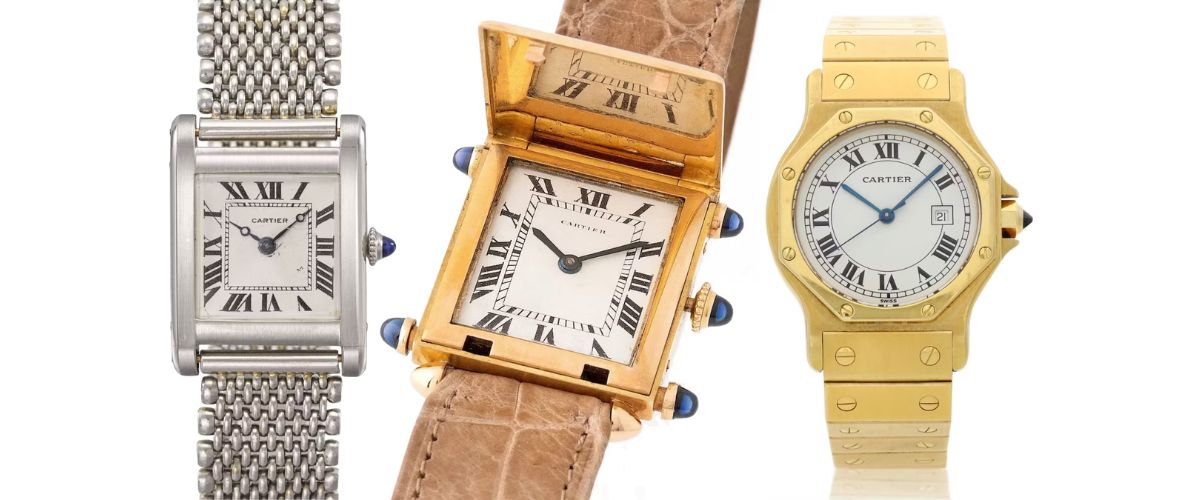
Cartier Watches in the Past

For starters, history reveals that the Cartier brand was far from having humble beginnings. While that might sound like a negative connotation, it’s perhaps more accurate to say that Cartier was destined for prestige and greatness from the very start. 

After inheriting his mentor’s jewelry-making workshop in 1847, Louis-François Cartier began building his empire by crafting exclusive pieces for royalty. This burgeoning reputation for excellence quickly attracted the attention of France’s most elite socialites, who turned to Cartier for their most luxurious and bespoke jewelry needs.

From there, the Cartier brothers, Louis and Pierre—Louis named after their grandfather—worked tirelessly to expand the brand on an international scale. By 1904, Louis had relocated the Paris shop to the prestigious Rue de la Paix, while Pierre opened a branch on London’s Burlington Street. Their combined vision and ambition transformed Cartier from a Parisian boutique into a globally recognized symbol of luxury and elegance. 

This rise to prominence was solidified when King Edward VII of England awarded Cartier a royal warrant, declaring it the “Jeweler of Kings and King of Jewelers”. With this prestigious endorsement, Cartier became the official supplier of jewelry to Europe’s royalty, cementing its reputation at the pinnacle of luxury. 

You may have noticed that watches have yet to be mentioned in Cartier’s early rise to luxurious prestige. While the brand initially built its reputation on exquisite jewelry, it wasn’t until the early 20th century that Cartier ventured into watchmaking. 

At that time, wristwatches were primarily designed for women and were viewed more as decorative accessories than functional tools. Pocket watches remained the preferred choice for timekeeping, while early wristwatches—used mostly by military personnel—were essentially modified pocket watches strapped onto the wrist.

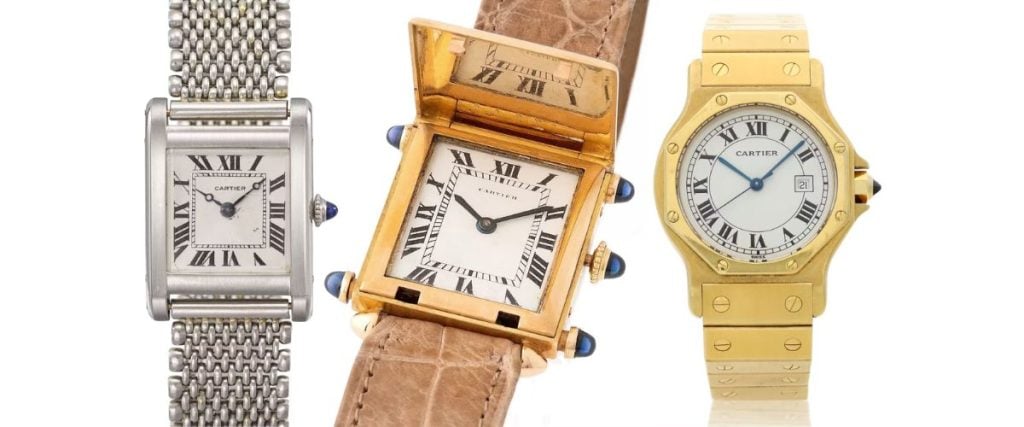
That all changed in 1904 when Louis Cartier’s friend, Brazilian aviator Alberto Santos-Dumont, voiced a particular frustration. He explained how pocket watches were impractical for pilots, as their line of duty required both hands on the controls, making it difficult to check the time mid-flight. Inspired to solve his friend’s dilemma, Louis Cartier designed a wristwatch with a flat, squared dial that allowed for easy readability at a glance. 

The watch was groundbreaking in form and function and became the first modern wristwatch made specifically for men. Louis named the timepiece the Santos in honor of his friend, forever cementing its place as an icon in the history of watchmaking as the first modern wristwatch.

This led to a collaboration with the Swiss watchmaker Edmond Jaeger—yes, the same Jaeger of Jaeger-LeCoultre fame. While Cartier’s watches continued to be designed in Paris, their movements were crafted in Switzerland under Jaeger’s expertise. 

This partnership combined French elegance with Swiss precision, a fusion that would lay the foundation for some of the most iconic watch designs of the 20th century. The collaboration not only elevated Cartier’s status as a serious player in the world of horology but also set a new standard for luxury watches, blending artistry with mechanical innovation.

Cartier Watches Today

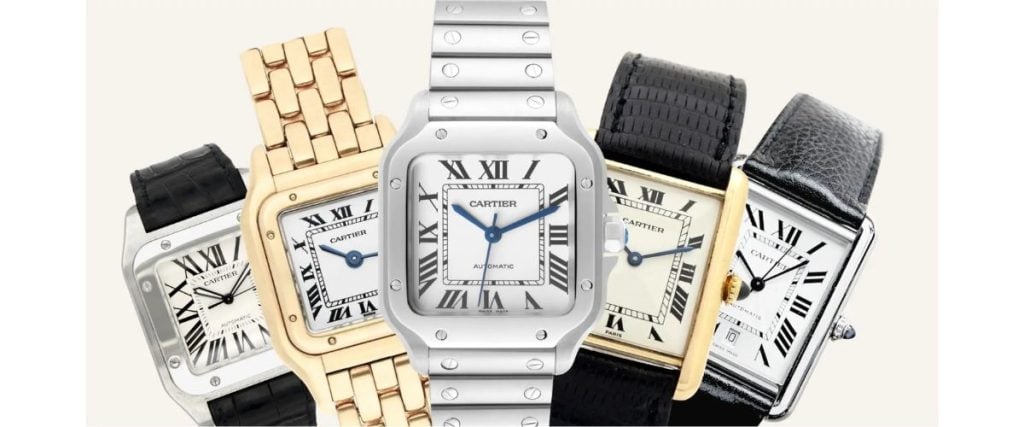
Nowadays, Cartier is regarded as one of the most luxurious and sought-after brands in the world, catering to both men and women. It continues to uphold its reputation as one of the most prestigious watchmakers, celebrated for its timeless designs and elegant yet understated models. 

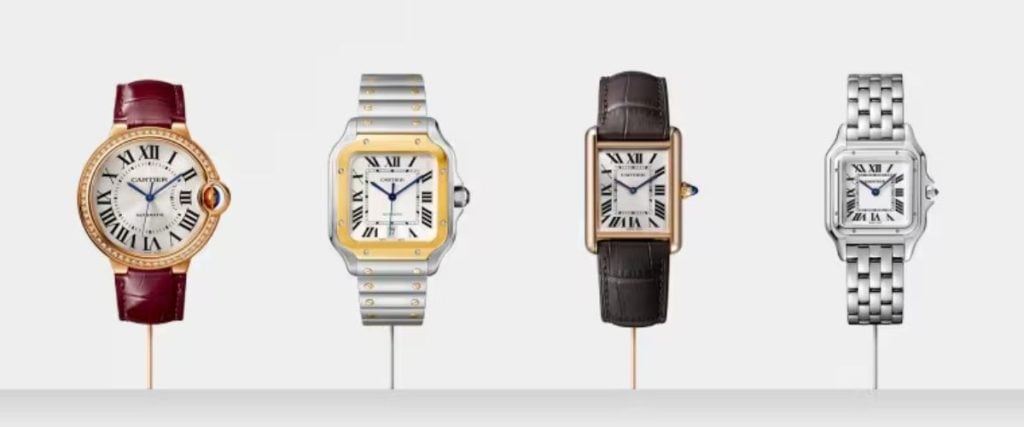
With iconic creations such as the Santos, Tank, and Panthère, Cartier has cultivated a loyal and diverse following, solidifying its place at the intersection of high fashion and horology. These models exemplify Cartier’s commitment to blending heritage, innovation, and style, making them coveted pieces in any watch collection.

The French brand has firmly established itself as a symbol of status and elegance in the world of fashion. Over the years, Cartier has attracted some of the most famous and influential figures across the globe, cementing its reputation as a timeless icon. From the grace of Princess Diana to the charisma of Muhammad Ali, and now to modern-day stars like Paul Mescal and Jisoo of BLACKPINK, Cartier’s allure transcends generations and cultures.

Perhaps one of the most significant talking points about Cartier’s reputation today ties directly to its origins. As the official jeweler of European royalty, Cartier earned the moniker “King of Jewelers”, a status that remains synonymous with the brand to this day. This illustrious history has led many to perceive Cartier primarily as a fashion or jewelry brand rather than a serious watchmaking powerhouse. 

This notion is reinforced by Cartier’s creation of several luxurious collections of bracelets, rings, and necklaces. Crafted with a vast array of gems and precious metals, these exquisite pieces showcase remarkable designs that have historically been tailored primarily to a female audience.

But this perspective should be taken with a grain of salt. When comparing Cartier to high-end luxury brands such as Patek Philippe or Audemars Piguet in terms of technological or horological advancements, Cartier admittedly cannot compete on the same technical level. 

These brands are renowned for their groundbreaking complications and mechanical innovations, while Cartier has traditionally focused on aesthetics, elegance, and the art of design. 

However, Cartier’s strength lies not in trying to outpace technical juggernauts but in offering timepieces that seamlessly blend artistry with functionality—making their watches as much about style and sophistication as they are about telling time.

Despite being behind in the technical race, Cartier has made significant strides by focusing more on producing in-house movements. Since establishing a base in La Chaux-de-Fonds, Switzerland—one of the epicenters of watchmaking excellence—the brand has successfully combined its iconic designs with high-quality horology. 

This facility has allowed Cartier to craft remarkably designed timepieces equipped with top-of-the-line movements, elevating its status in the world of serious watchmaking. From their innovative skeletonized calibers to their ultra-thin mechanical marvels, Cartier has proven that their watches are more than just beautiful—they are a testament to meticulous craftsmanship and technical prowess.

Should you get a Cartier Watch?

With a royal history and a commitment to modern innovation, Cartier has built a legacy defined by rich heritage and timeless designs. The brand seamlessly blends its storied past with contemporary craftsmanship, ensuring its creations remain both iconic and relevant. But the question remains: is buying a Cartier watch the right decision for you?

If you’re looking to enter the luxury watch market, Cartier offers an excellent entry-level option. Renowned for its elegance, heritage, and iconic designs, Cartier provides timepieces that blend fashion with timeless sophistication. For instance, you can’t go wrong with the legendary Tank or Santos, priced between $3,500 and $5,500, depending on the size and model. If you’re considering alternatives within the same realm of elegant timepieces, the Rolex Oyster Perpetual is a compelling option, starting at $5,500.

Now, if you’re after something more complex in terms of technical horological advancements and movements, Cartier also has options that cater to connoisseurs of haute horology. The Rotonde de Cartier collection stands out, offering complications like perpetual calendars and tourbillons, showcasing the brand’s dedication to advanced watchmaking. These pieces represent Cartier’s drive to be recognized as a serious player in the world of high horology.

However, while impressive, these efforts still fall short of brands like Patek Philippe and Audemars Piguet, whose reputations are built on crafting some of the most intricate and technically innovative timepieces in existence. Cartier’s offerings in this category are a testament to its ambition, but they remain more about balancing sophistication and artistry than dominating the technical aspects of horology.

Conclusion

Cartier is a brand that has truly stood the test of time, thanks to its unwavering commitment to its royal heritage, timeless designs, and impeccable attention to detail in watchmaking. 

While the brand’s dominant reputation in the fashion industry may sometimes overshadow its progress as a serious watchmaking contender, it should not diminish the fact that every Cartier watch is a high-end horological masterpiece. 

Whether you’re drawn to their iconic Tank or Santos, or their more technically complex offerings like the Rotonde de Cartier, Cartier continues to marry elegance and craftsmanship in a way that sets their timepieces apart in the luxury watch world.

best smart watches

The world of luxury timepieces isn’t reserved for the mechanical variety, as smartwatches have come a long way in their own right. While the tech itself is what usually drives interest, you’d be surprised at how much style goes into the design of a smartwatch.

Many people love the versatility a smartwatch offers, from fitness tracking to GPS and changeable watch faces. While watch enthusiasts may look down on the likes of smartwatch technology, I feel many would be surprised to see just how sleek they can get.

bot-only-imagebot-only-image

Of course, it’s more than just design; technology matters just as much, if not more, in this case. For this article, I’m going to break down the details behind the 10 best smartwatches you can add to your collection.

The History of Smart Watches

Many people aren’t aware that digital watch tech dates back further than they might expect. The Pulsar P1 was introduced to the world in the early 1970s as an LED digital watch. You can easily say this made way for wearable tech as we know it today.

As the 1980s rolled around, Grand Seiko gave us the RC-1000, which came with computer connectivity. However, the first true wireless smartwatch made its way to market in 1994, a co-development from Microsoft. It had the capability of wireless data transfer and was called the Timex Datalink.

When the 2000s got started, the interest in smartwatches and tech wearables expanded rapidly. This can be seen in the IBM Linux-powered WatchPad and the likes of the Wrist PDA from Fossil. I remember when Microsoft introduced the SPOT, featuring integrated IoT, but it wasn’t successful with widespread adoption. Of course, I can’t talk about smartwatch technology without mentioning the Apple Watch, which landed on the market in 2015.

Even though there are plenty of mainstream smartwatches on the market, there are many other impressive ideas that never received the same spotlight. Nevertheless, I’ve found that the best of the best in smartwatch tech goes beyond what you might find on the surface.

Top 10 Smart Watches

When you’re looking at what smart tech has to offer in today’s market, it’s evident that there is more variety than you could sort through. In the same vein, the options below highlight everything you might want in high-end smartwatches.

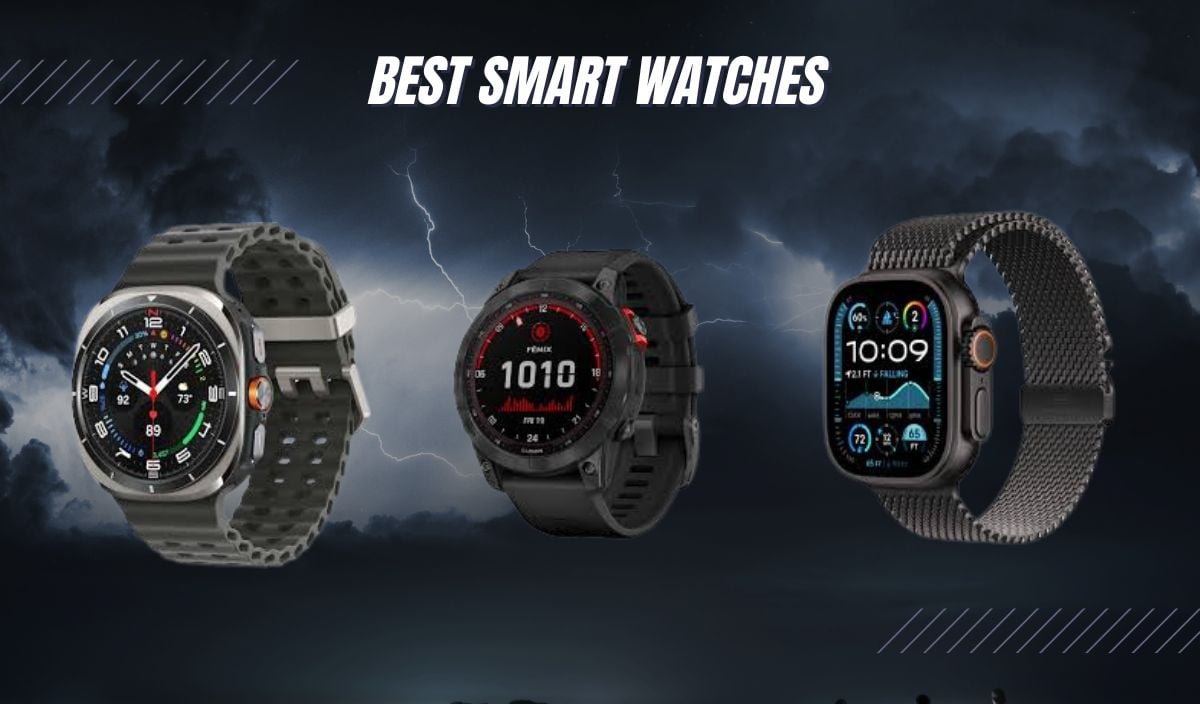
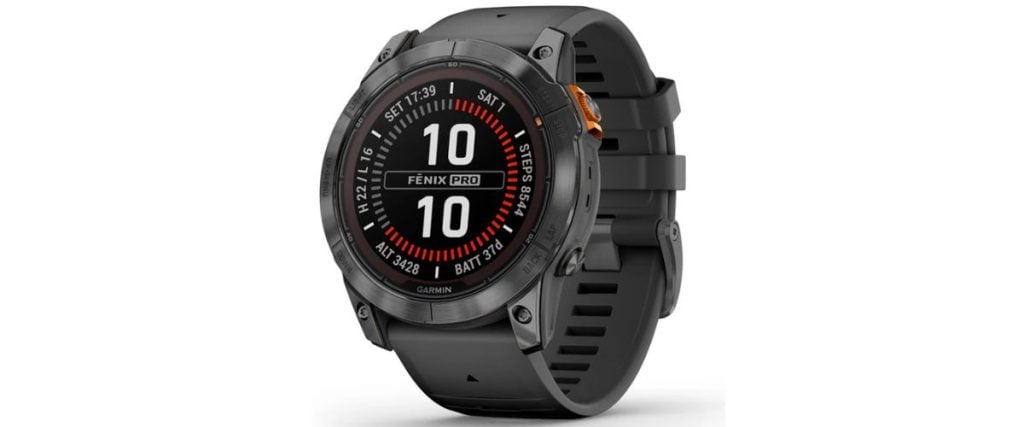
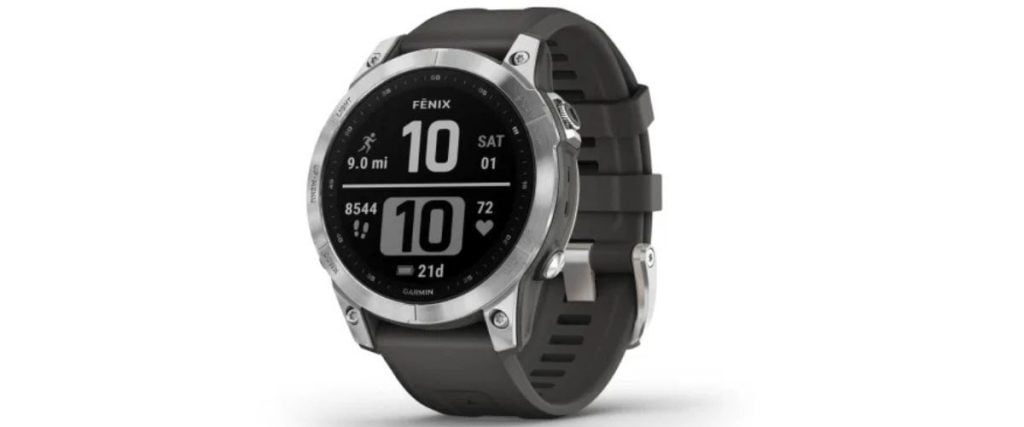
1. Garmin Fenix 7X Pro Solar Edition Slate Gray with Black Band

Garmin Fenix 7X Pro Solar Edition Slate Gray with Black Band

This watch’s features are so dense there’s more than I could possibly mention here. The Fenix 7X Pro from Garmin comes with solar charging and an impressive run time because of it. I’m sold on the fact you get 37 days in smartwatch mode and over 120 hours with GPS mode. You’ll want to keep in mind that this is entirely dependent on the best possible sunlight conditions.

What made me want to look into this watch further is the design’s extensive approach to active lifestyles. This includes features like heart rhythm monitoring and endurance score, and it syncs with their Garmin ECG app.

For everyday life, the multi-band GPS and topographic maps ensure you always have eyes on the road and beyond. As far as aesthetics go, you get a durable 51mm case that features a 1.4-inch solar-charged display. I had to grab this watch as it’s going for $649.99, which is a $250 discount from its original price.

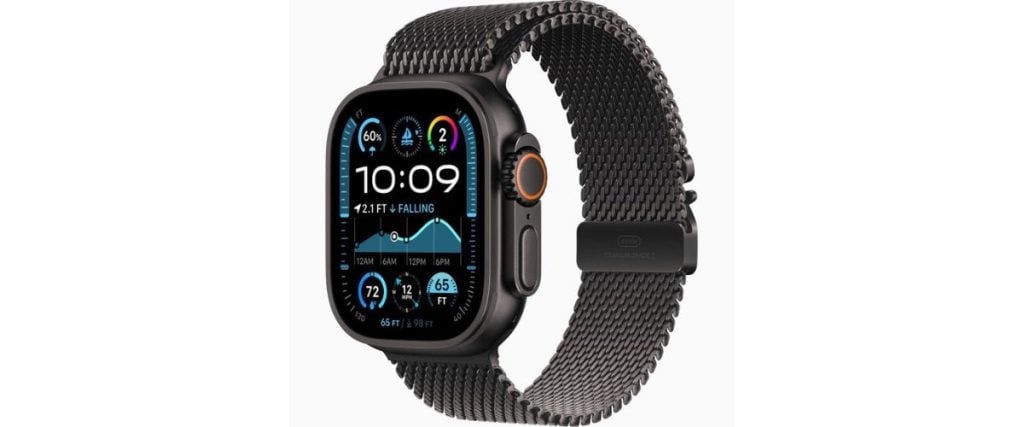
2. Apple Watch Ultra 2

Apple Watch Ultra 2

While the brand name may be able to speak for itself, the specs are a lot more impressive, in my opinion. Offered in black titanium, the Apple Watch Ultra 2 includes a 3,000-nit display and other features like dust and water resistance.

The tech is pretty impressive, and what really shocks me is its capabilities when it comes to diving. Not only do you benefit from dual-frequency GPS and a long list of health applications, but the watch is also certified for diving up to 40m. This may not sound like much to some, but it’s more than enough for the everyday user.

Through the Vitals app, you’ll find features for ECG, notifications for sleep apnea, and many other metrics for personal health. It’s a long-term solution if you’re looking for wearable tech that seamlessly integrates with your day-to-day. You can grab the Apple Watch Ultra 2 starting at $799, and it varies based on customizations.

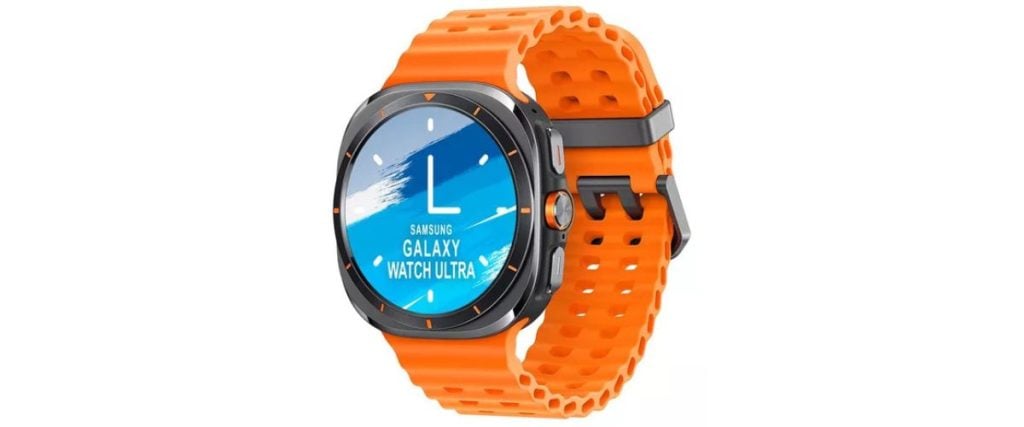
3. Samsung Galaxy Watch Ultra

Samsung Galaxy Watch Ultra

What drew my eyes to the Samsung Galaxy Watch Ultra is the fact it’s built with aerospace-grade titanium. Aside from the physical reliability, I find this to be a beautiful look for everyday wear. This includes the benefit of sapphire crystal glass, and it comes with a 10 ATM/IP68 rating. That means the watch can withstand water exposure and promises durability that’s military grade.

My own regular use of this watch has given me about 60 hours of run time, and with Power Saving mode, it’s closer to 100 hours. On top of this, the watch comes with Galaxy AI, offering wellness insights from heart rate to an Energy Score, for example.

Even if it isn’t a big factor in the tech itself, I really like the option for customizable bands. I also don’t have any issue syncing the watch with my smartphone, and its connection with Galaxy promises LTE functionality. I also feel like the watch sits at a fair price point of $649.99.

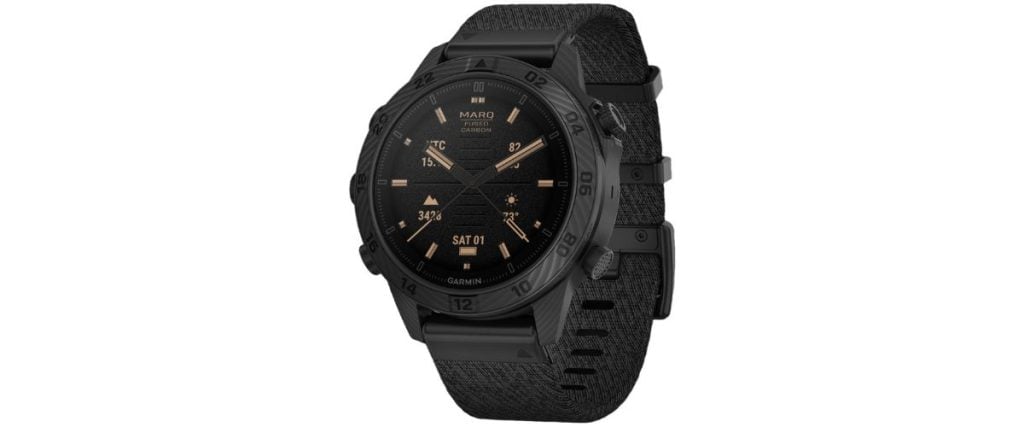
4. Garmin MARQ Commander Gen 2 – Carbon Edition

Garmin MARQ Commander Gen 2 - Carbon Edition

Another entry for Garmin, and rightfully so, as I couldn’t ignore the luxurious look of the MARQ Commander Gen 2. It’s engineered with 130 layers of fused carbon fiber, and the 46mm case dons a visible strength that looks great on the wrist.

You get an AMOLED screen that’s never hard to read, and I personally love the many features that keep the outdoors and tactical operations in mind. A few examples of this pertain to night vision goggle compatibility and ballistics solver for aiming solutions.

It’s clear the watch is perfect for outdoorsmen and operators who need multi-functional tech on a whim. Another angle that took my interest to another level is the watch’s approach to navigation. You get projected waypoints, a dual-position format, and a range of premium mapping features. 

Considering the powerhouse of tech included with this watch, it didn’t shock me to find that it’s listed at $3,200. Even though I don’t have much applicable use for this watch, I still can’t get over how well the technical aspects are.

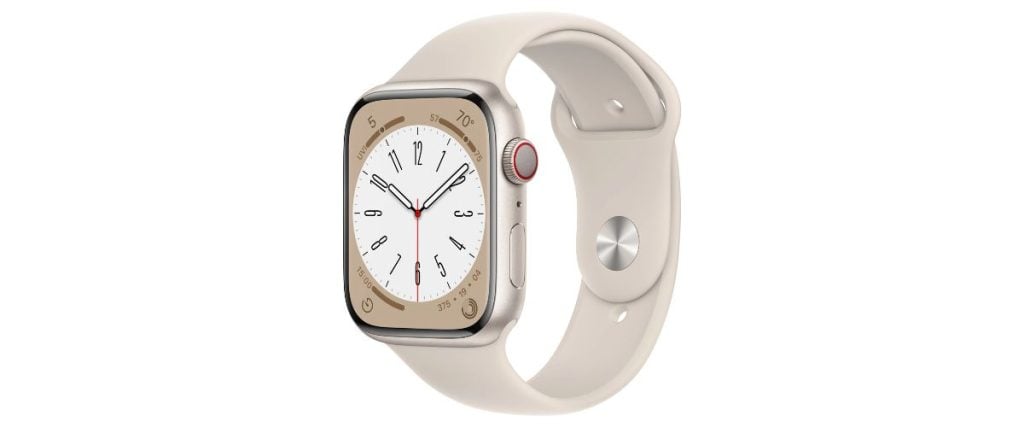
5. Apple Watch Series 8 Aluminium

Apple Watch Series 8 Aluminium

If you’re looking for a little variety in feature sets, taking a look at the Apple Watch Series 8 isn’t a bad idea. I’m a fan that they give you two options here between the base GPS model and the other which includes GPS and cellular.

Aside from that, the aluminum finish is a fan favorite for me, and you might be shocked at how much sensor tech is included with this watch. Blood oxygen, ECG, and third-gen optical heart sensors are a few leading examples.

Regarding performance, they’ve got me sold on the 64-bit dual-core processor, as well as the W3 and U1 Ultra Wideband chips. This is a major part of what gives this watch the performance and connectivity that we all want. 

On a full charge you’re looking at 18 hours of battery life, and it comes with a 100% recycled design, free of toxic materials. Although the watch retailed at $399, you can easily find it for $200 to $300 new nowadays.

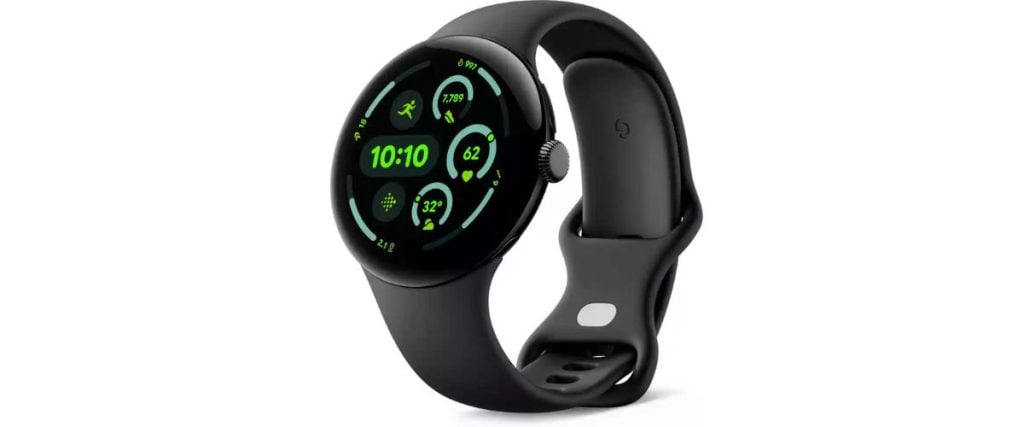
6. Google Pixel Watch 3

Google Pixel Watch 3

With the option of a 41mm or 45mm display, the Google Pixel Watch 3 is as sleek as it is intuitive. Visibility is never an issue thanks to the 2,000 nits for brightness and an impressive 24-hour battery life. Even better, I’ve been able to get 36 hours out of it with Battery Saver mode on.

One of the first things I noticed was the many features included for fitness tracking. Some that stood out to me pertaining to the broad range of exercise routines, real-time guidance for your runs, and personalized workout plans.

As you might expect, the watch is compatible with Google Pixel phones. What I love about this is the camera control and AI-based call screening from the watch itself. I really don’t like grabbing my phone for every task so things like this will make me give smart watches a second look. Right now, you can find the Pixel Watch 3 at $50 off MSRP for $299.99.

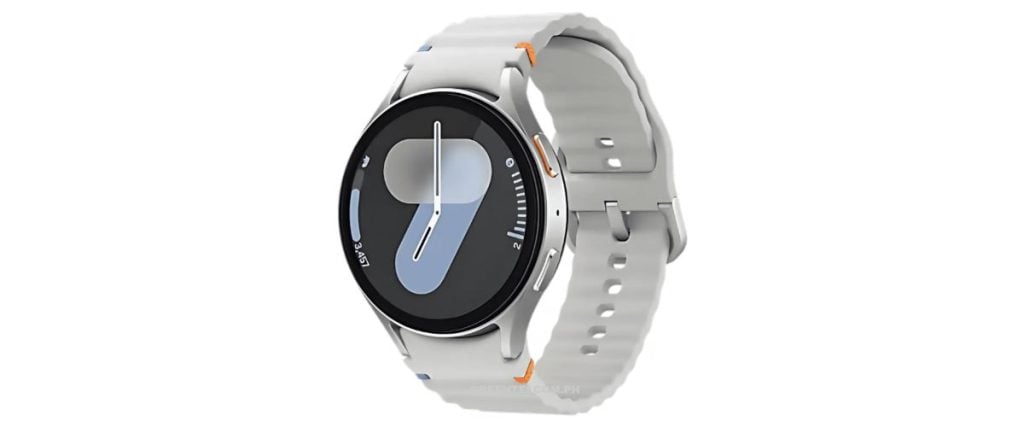
7. Samsung Galaxy Watch 7

Samsung Galaxy Watch 7

For Samsung users, it’s hard to overlook what the Galaxy Watch 7 brings to the table. Keep track of your personal Energy Score, in addition to a sizable range of other health insights. I feel like the watch gives me a full body scan with the amount of medical information it provides.

I definitely find it to be a watch that’s perfect for a more active lifestyle. Although the watch helps with various aspects of communication, many of its features cater to those who stay on the move. After a little time, I found myself having fun with the included gamification features as well.

This stems from things like badges for achievements, personalized feedback systems, and tracking the metrics of your progress. Aside from this, the watch’s design is very slim and neutral if you ask me. However, take note this watch does look more suitable for casual wear, as it isn’t the most luxurious looking design-wise. Depending on the size you choose, the Samsung Galaxy Watch 7 ranges from $299 to $329.

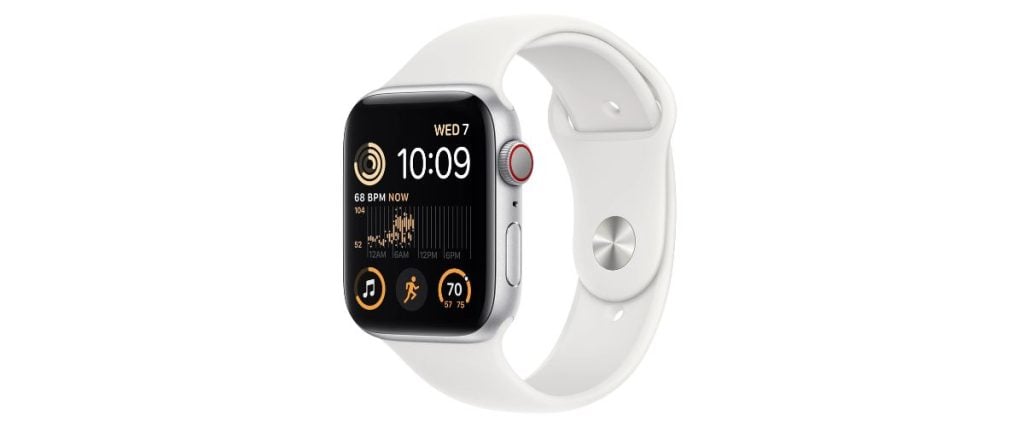
8. Apple Watch SE 2

Apple Watch SE 2

Donning a beautiful LTPD OLED Retina display and up to 1,000 nits brightness, the Apple Watch SE 2 is a great middle-ground option. Sometimes, I find it difficult to keep up with every Apple release, and you never need the newest and brightest. That statement shines true when it comes to the SE due to its long-term viability.

It’s available in either a 40mm or 44mm aluminum case alongside multiple colorways such as midnight, starlight, and silver. Of course, you can always attach a colorful case of your own and switch out the bands whether you prefer something rubber, linked, or textile.

The tech inside the watch promises plenty of health monitoring, and the watch’s integration with other Apple products is what I appreciate the most. Notable safety features include SOS and even international emergency calling.

I find myself addicted to the watch’s navigation and UI, as it’s powered by the S8 SiP chip, on top of the Siri integration. So much of the watch functionality is hands-off that I start to feel like James Bond with how much I’m talking to my wrist. Based on the case size, the Apple Watch SE 2 goes from $249 to $279.

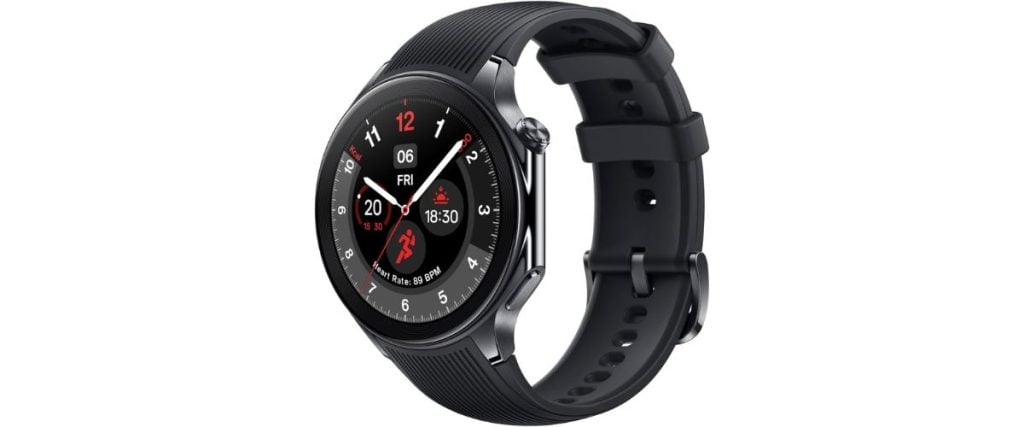
9. OnePlus Watch 2

OnePlus Watch 2

Standing out in a lane of its own, the OnePlus Watch 2 catches my attention purely because it doesn’t stem from the other conglomerates. I was curious to see what made this watch unique, and after my hands-on experience, I saw why the watch would be popular.

First and foremost, I can’t get over the durable feel of the watch. It promises long-term use with a stainless steel chassis and sapphire crystal face to match. I want to point out that this includes 8+ Mohs hardness, and it’s military-grade tested for resistance to water, dust, and extreme temperatures.

In short, no matter where you go, this watch will keep operating. As I learned more about the watch, I was honestly impressed with what keeps it running. You can rely on the watch’s Snapdragon W5 and BES 2700 chipsets. I also love the extensive battery life on this watch, giving you up to 100 hours in Smart Mode and almost two weeks in Power Saver mode. For now, you can find the watch for $100 off, sitting at $199.

10. Garmin Fenix 7S Standard Edition Silver with Graphite Band

Garmin Fenix 7S Standard Edition Silver with Graphite Band

I always appreciate a blend of style and functionality, which is exactly what you get with the Garmin Fenix 7S Standard Edition. More specifically, the Silver and Graphite variant is perfect for multiple occasions. Whether you wear it every day or in more formal settings, this smartwatch blends in no matter where you go.

Once I’ve spent some time navigating the watch’s functionality and UI, I can see how it’s perfect for those interested in wellness and sports. This doesn’t take away from its premium design quality, though, as it delivers a professional look to the wrist.

I think most wearers would enjoy its multi-GNSS support for enhanced navigation, including TopoActive map and other popular integrations. If you live an active lifestyle, I’d advise you to take full advantage of the built-in sports and training tools as well. Considering the depth of this smartwatch, the asking price of $499 starts to make sense.

Final Thoughts

With a seemingly endless variety of smartwatch tech on the market, I can understand how hard it would be to narrow down your choices. Although this list may only contain a handful of suggestions, they deliver more than enough variety for you to choose from.

As always, if you ever feel stuck with your decision-making, working with Exquisite Timepieces can help streamline the process. This gives you the technical and hands-on knowledge you need to make the right choice for your wrist.

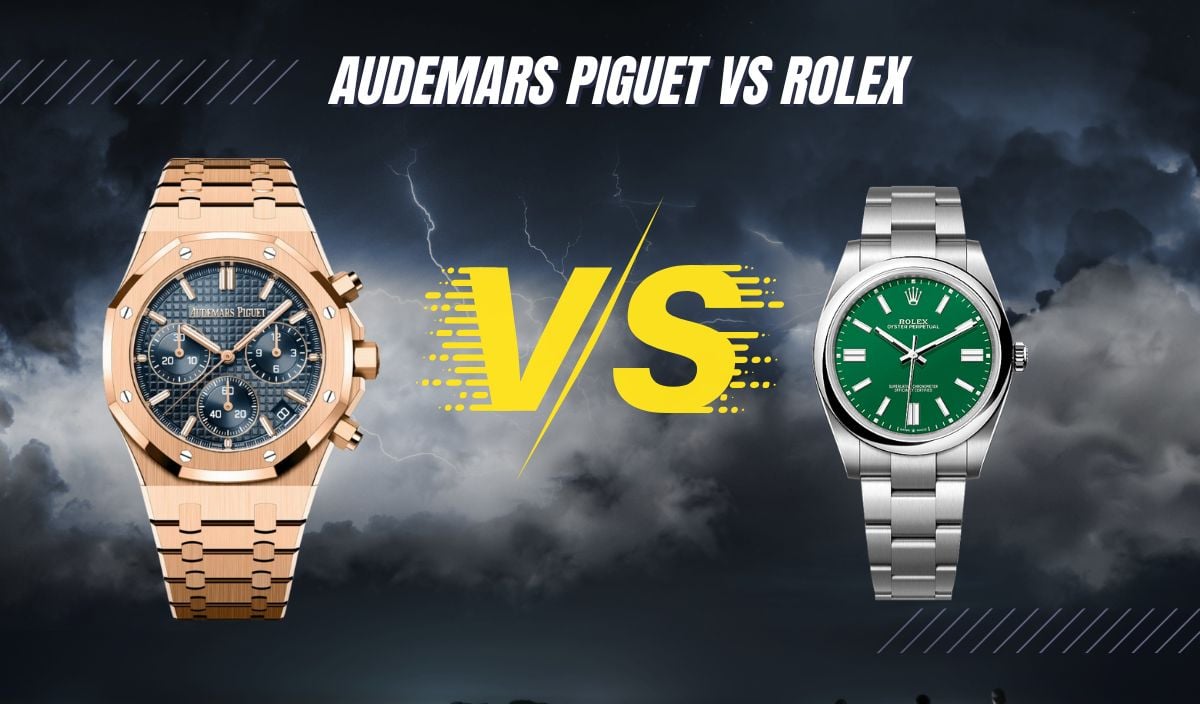
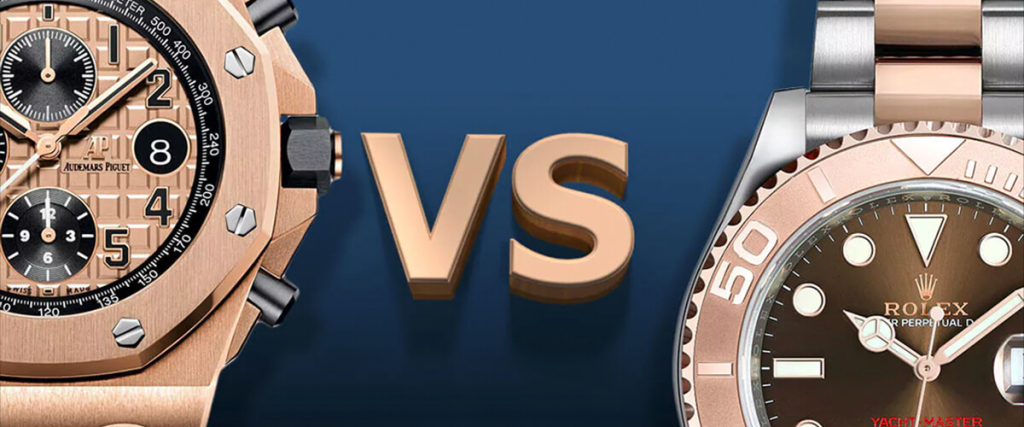
Audemars Piguet vs Rolex: Battle Between Two Luxury Giants

Charlotte H

December 27, 2024

There aren’t many watch brands that can stand up to Rolex. This Swiss giant is known as one of the best of the best for a reason. And yet, there are one or two names that are as equally synonymous with prestige and craftsmanship. One such brand is Audemars Piguet.

If you’re someone new to the watch world, it’s understandable if you feel a little overwhelmed and inundated with options. There are so many fantastic watches and watch manufacturers out here that it can be difficult to know where to start. 

bot-only-imagebot-only-image

That’s where we come in—here’s your starting point, a guide to help you compare two of the biggest names in the industry and decide which one deserves a place not just on your radar but on your wrist.

Both Rolex and Audemars Piguet are Swiss legends, but they have different histories, technologies and, most obviously, cater to very different tastes. Audemars Piguet’s bold innovation and artistry contrast with Rolex’s timeless elegance and undeniable versatility. But which one deserves a spot on your wrist? 

In this article, we’ll dive into everything you need to know about Rolex and Audemars Piguet, from their groundbreaking contributions to the industry to their standout collections and the technologies and complications involved. By the end, you’ll have a clear picture of which brand is the perfect match for your style, personality, and lifestyle. 

Brand Heritage

A Quick History of Rolex 

Rolex’s story begins in 1905, and not in Switzerland as you might expect, but in London. Hans Wilsdorf, a young visionary with a passion for precision, teamed up with his brother-in-law Alfred Davis to create Wilsdorf & Davis, a company focused on crafting high-quality wristwatches. Back then, wristwatches were still finding their way into mainstream popularity, but Wilsdorf saw their potential and aimed to make them both accurate and elegant. 

In 1908, the name “Rolex” was born. It was short, memorable, and easy to say in any language. Just a few years later, in 1910, Rolex achieved a groundbreaking milestone by becoming the first wristwatch brand to receive the Swiss Certificate of Chronometric Precision, setting the tone for its reputation as a leader in accuracy. 

World War I brought changes to everyone, including Rolex, and in 1919, the company relocated to Geneva, Switzerland, to escape heavy British taxes on luxury goods. With this move, the brand truly began to flourish. The iconic Rolex Oyster debuted in 1926 as the world’s first waterproof wristwatch, and in 1931, Rolex introduced one of the first self-winding mechanisms.

Fast-forward to 1953, when the Rolex Submariner landed, becoming a symbol of adventure and one of the Swiss watchmaker’s best-known models. Today, Rolex is possibly the most familiar watch brand in the world, with everyone and their uncle knowing the crown logo, whether they’re into luxury timepieces or not.

A Quick History of Audemars Piguet

Unlike Rolex, Audemars Piguet was born in Switzerland, and it’s where the company has stayed ever since its founding in 1875. Its story started when two ambitious young watchmakers, Jules-Louis Audemars, and Edward-Auguste Piguet, joined forces to create what would become one of the most revered names in the horological world. 

Their partnership was the perfect blend of talents. Audemars focused on crafting intricate, complicated movements, while Piguet took charge of ensuring their precision and managing the business side of things. 

By 1881, their growing reputation led to the official establishment of Audemars Piguet & Cie, and they quickly set themselves apart from so many in the industry. While many brands embraced industrialized production – like Rolex – Audemars Piguet chose the artisanal route, crafting every timepiece with painstaking care, hand-finishing, and collaborating with local artisans. 

In 1892, Audemars Piguet created the world’s first minute-repeating wristwatch movement, a feat that showcased their flair for blending tradition with bold innovation. Fast forward to 1972, and the Swiss watchmaker shook the industry once again with the legendary AP Royal Oak, the world’s first luxury sports watch. Its edgy steel design and octagonal bezel remain synonymous with bold and brilliant watchmaking.

Model Variety

Rolex 

When it comes to variety, Rolex has pretty much a bit of everything. At the core of its offerings is the Oyster Perpetual, a foundational design that defines much of the brand’s lineup. With its waterproof case and self-winding movement, the Oyster Perpetual serves as the backbone for collections like the Submariner, GMT-Master, and Datejust. 

Even Rolex’s sportier models, such as the Daytona or Explorer, share this DNA. However, not everything revolves around the Oyster case, with dressier lines like the Cellini and the recently introduced 1908 catering to those who prefer a more traditional, elegant look. 

Rolex also excels in creating options for every wrist size and aesthetic preference. Case sizes range from a petite 31mm to a bold 44mm, ensuring a comfortable fit for everyone, regardless of gender or wrist size. 

The brand also offers a dazzling array of case materials, from classic stainless steel to luxurious yellow, white, or Everose gold, and even platinum. For dial choices, the sky’s the limit, from classic silvers and navy to pastel pinks, vibrant greens, and diamond-encrusted designs.

This incredible range of designs, sizes, and styles is what makes Rolex so appealing. No matter your lifestyle or taste, it’s almost impossible not to find a Rolex that feels suited to you and your tastes. 

Audemars Piguet 

On the other hand, Audemars Piguet’s collections are a little more limiting. If you’re like much of the watch community, you’ve probably only heard of one AP watch: the Royal Oak. 

Since its debut in 1972, this iconic design has been the centerpiece of Audemars Piguet’s lineup, with its bold octagonal bezel, integrated bracelet, and stunning finishes. It’s a watch that has changed the landscape of luxury sports watches forever, and it remains the brand’s crown jewel. 

Within the Royal Oak family, there’s a surprising amount of variety. You’ll find options in stainless steel, gold, titanium, and even ceramic, along with dials that range from the classic “Tapisserie” pattern to partial or full skeleton designs. 

For those who love complications, the Royal Oak lineup also offers everything from perpetual calendars to chronographs and flying tourbillons, showcasing AP’s technical prowess. 

If the Royal Oak isn’t sporty enough, the Royal Oak Offshore, introduced in 1993, adds a bolder, more rugged twist to the design. And for the truly avant-garde, there’s the Royal Oak Concept collection, which pushes the boundaries of design with over-the-top crown protectors and large screw-decorated bezels. 

Beyond the Royal Oak, Audemars Piguet does offer a few alternatives, such as the retro-inspired [Re]master or the dressy, contemporary Code 11.59 collection. However, these models don’t enjoy the same spotlight as their Royal Oak siblings.

The downside? If you’re not a fan of the Royal Oak’s distinctive integrated design, your choices within Audemars Piguet’s lineup are quite limited. Still, for those who appreciate bold design and groundbreaking technology, the Royal Oak and its many variations are nothing short of extraordinary.

Design

When it comes to design principles, Rolex and Audemars Piguet sit at opposite ends of the spectrum. They both have a distinct design philosophy that they rarely deviate from, and that’s one of the reasons they have gained such a huge gathering of fans, just both with different tastes. 

Rolex

For starters, Rolex feels largely driven by timelessness and simplicity. Their design philosophy is built around creating watches that feel as relevant today as they did decades ago and will continue to feel the same for decades to come. Rather than chasing trends, Rolex refines its designs incrementally, ensuring each evolution honors its legacy while embracing modernity. 

Think of the Submariner’s clean lines, the Datejust’s classic proportions, or the GMT-Master’s instantly recognizable bezel. These designs are deliberate in their restraint, focusing on practicality and versatility. Details like the Cyclops lens for date magnification and the robust Oyster case are examples of Rolex’s ability to combine functional innovation with understated elegance.

Audemars Piguet

Meanwhile, Audemars Piguet is significantly more daring and clearly prefers to push the boundaries of design, even if that means isolating a watch collector or two. 

From the moment the Royal Oak hit the scene in 1972 with its audacious octagonal bezel and exposed screws, AP cemented its reputation as a brand that thrives on disruption. Its designs are bold, often unconventional, and unapologetically attention-grabbing. 

It’s really this that sets Audemars Piguet apart. They have an uncanny ability to marry artistry with technical mastery, which is showcased through their many skeletonized dials, intricate complications, and bold, geometric cases. 

Collections like the Royal Oak Concept show just how far the brand is willing to go in exploring futuristic design, while the Code 11.59 proves they can still interpret elegance, but again in a way that’s unique and very much Audemars Piguet.

Build Quality & Materials 

Rolex

When it comes to build quality, Rolex is very hard to criticize. The brand’s use of 904L stainless steel, a material Rolex calls “Oystersteel”, is really quite remarkable and one of the best case materials in the watchmaking game. It’s a high-grade alloy that’s corrosion-resistant, tough as nails, and has a subtle, gorgeous luster that you won’t find in your average stainless steel. 

Add to that the meticulous polishing and brushing, and you’ve got a watch that can go from the depths of the ocean to a black-tie gala with ease. 

Rolex also loves mixing it up with proprietary materials like Rolesor, a striking blend of Oystersteel and 18-karat gold. Their sapphire crystals are also nearly scratch-proof, and even details like the crowns and bezels are engineered to perfection. 

Finishing extends to every component, from the seamless integration of the Oyster bracelet to the unblemished sheen of their dials, whether it’s a vibrant sunburst or a diamond-studded masterpiece. 

Audemars Piguet

While Rolex seems to focus predominantly on the functionality of their watches when it comes to the materials and finishes they use, Audemars Piguet veers more towards a philosophy where each timepiece is ultimately a work of art. 

For example, the Royal Oak’s “Tapisserie” dials are legendary, featuring intricate hand-crafted patterns that create stunning plays of light. This level of texture and detail is something Rolex rarely dabbles in and is synonymous with AP. 

You also can’t fault the Royal Oak bracelet. In fact, they are some of the finest metal bracelets in the luxury watch industry, in my opinion. The breathtaking blend of angular bevels with brushed and polished surfaces makes the design feel almost architectural. 

It’s the kind of craftsmanship you don’t just see often, and you feel it every time you fasten it to your wrist. Finally, while there are plenty of steel and gold watches in Audemars Piguet’s portfolio, the brand also tends to lean into exotic materials like ceramic, titanium, and platinum, which reinforces their philosophy that watches are wearable pieces of art.

Movements 

Rolex 

When it comes to movements, Rolex and Audemars Piguet differ greatly, too. For Rolex, there’s a clear focus on precision, durability, and reliability. Every Rolex timepiece houses an in-house caliber that’s built to last for decades. 

Rolex movements are often seen labeled as “Superlative Chronometers”, meaning they meet an extraordinary accuracy standard of -2 to +2 seconds per day. That’s one of the tightest tolerances in the watchmaking world. 

This level of precision is achieved through innovations like the Parachrom hairspring, which is resistant to magnetic fields and almost completely unaffected by extreme temperatures. 

Yet, while Rolex movements are marvels of engineering, they’re also pragmatic. They don’t chase the kind of intricate complications seen in haute horology. Instead, their calibers excel at simplicity. 

They offer reliable timekeeping with classic features like date displays, dual time zones, and chronographs. They’re also practical with basic finishing – at least in comparison to Audemars Piguet. The cases often have a closed case back, which again emphasizes that the movement is about performance rather than visual appeal.

Audemars Piguet 

Like their cases and dials, Audemars Piguet’s movements focus greatly on aesthetic beauty and cutting-edge technology. They still only use in-house calibres, but their focus shifts from pure precision to showcasing innovative design and visual artistry. 

Some of their best-known complications include the perpetual calendar, minute repeater, and flying tourbillon – some of the hardest and most complex complications to engineer. 

Their movements are also meticulously hand-finished. Techniques like perlage, Côtes de Genève, and polished bevelling adorn the components, making their movements miniature works of art that can be regularly viewed through exhibition case backs. 

However, this complexity does come with trade-offs. While Audemars Piguet calibers are breathtakingly intricate, this also means they can be more sensitive and require regular maintenance. Some of their chronograph movements use modular constructions rather than fully integrated designs, which can sometimes impact performance. 

Price Point & Collectability 

Rolex 

Rolex watches occupy a rather broad pricing spectrum, offering entry-level models at more accessible prices compared to Audemars Piguet. Prices for Rolex models can range from just over $5,000 for entry-level models like the Oyster Perpetual to well over $100,000 for more intricate pieces, like the Day-Date in precious metals. 

Rolex watches are also well-known to hold their value, especially if taken care of. In fact, the market’s appetite for Rolex is so strong that it’s widely regarded as one of the best investments in the luxury watch market, with some models even outperforming other luxury brands in terms of resale value. Vintage Rolex models especially have seen substantial price increases at auctions, often fetching more than their original retail price. 

Audemars Piguet 

Audemars Piguet watches tend to fall on the higher end of the luxury watch spectrum, with prices reflecting their intricate craftsmanship, complex complications, and limited production. Their most affordable models retail for around $10,000 and go up to $450,000. 

A key factor in AP’s premium pricing is the exclusivity of their designs, especially with iconic models like the Royal Oak. Many of their timepieces feature rare materials such as platinum or rose gold, and complex movements like minute repeaters or flying tourbillons, making them highly coveted among collectors. Limited edition models and their low production numbers further contribute to their rarity. 

While Audemars Piguet watches typically carry higher price tags than Rolex, they still hold strong value in the resale market, especially the Royal Oak models and vintage pieces. However, when compared to Rolex, AP watches tend to experience slower value appreciation. Despite this, owning an Audemars Piguet is more about owning a unique, artistic masterpiece rather than a simple investment. 

Conclusion 

In the end, choosing between Audemars Piguet and Rolex comes down to personal preference and what you value most in a luxury watch. Both brands are undeniably exceptional, each with its own distinctive qualities that set them apart. 

Rolex excels in versatility, precision, and status, offering a broad range of models that cater to different tastes and lifestyles. Their watches are iconic, reliable, and maintain excellent resale value, making them an ideal choice for someone looking for a classic, dependable timepiece that is also a solid investment.

On the other hand, Audemars Piguet is a brand that speaks to those who appreciate artistry, innovation, and exclusivity. With its bold designs, especially the iconic Royal Oak, AP caters to watch enthusiasts who want a timepiece that stands out and pushes the boundaries of traditional watchmaking. 

The complexity of their movements and the rarity of their models make them a choice for collectors who seek something unique and are willing to invest in a piece of horological artistry.

Movado Watch Review: Is this Brand Worth Your Money?

Charlotte H

December 27, 2024

If you’ve ever strolled past a watch display and found your eyes drawn to the sleek simplicity of a Movado watch, you’re not alone. Movado’s minimalist designs, particularly the iconic Museum Watch, have earned the brand a loyal following and plenty of admirers. But does that admiration translate into value for money? 

And is Movado a must-have addition to your own collection, or is it just a fancy name with a hefty price tag? Ultimately, it’s all going to come down to your own tastes and desires, but let us at least give you all the information you need to make your decision.

bot-only-imagebot-only-image

Movado Watches in the Past

If you were to head to the Movado website today, you’d be right in thinking this watch company leans more towards fashion-style watches than high-end watchmaking prowess. But the Swiss timepiece manufacturer hasn’t always been the fashion-forward, design-centric brand you see today.

Movado has a rich history that dates back to 1881, when it was founded in La Chaux-de-Fonds, Switzerland, a region that many of you will probably know is already synonymous with precision watchmaking. The name “Movado” itself means “always in motion” in Esperanto, which reflects the brand’s early commitment to innovation and quality craftsmanship.

Back in the day, Movado was a serious player in the world of horology. Its reputation was built on elegant, innovative designs, and it won numerous awards for this philosophy. 

Notable watches in its archive include the Polyplan, which launched in 1912, a curved watch designed to fit the wrist more comfortably, and its Chronometer watches, which were highly prized for their accuracy.

The real turning point for Movado came in 1947, though, when artist Nathan George Horwitt designed the now-iconic Museum Dial. 

The watch’s stark, minimalist design featured a single dot at 12 o’clock to represent the sun and two hands sweeping around the dial. It was a design so striking it became part of the permanent collection at the Museum of Modern Art in New York, earning it the nickname “Museum Watch.”

But alas, the history of Movado isn’t all sunshine and accolades. Their acquisition of the Museum Dial design has been a source of plenty of controversy. 

While Horwitt initially licensed the design to Movado, there have been disputes over its intellectual property, which has led some watch enthusiasts to question the brand’s integrity. Regardless, Movado has leaned heavily on this design ever since, making it the cornerstone of its identity.

For decades, Movado was seen as a serious, respectable Swiss watchmaker. Collectors still prize vintage Movado pieces for their craftsmanship and unique designs. However, as we’ll see, the brand’s focus shifted dramatically in the late 20th century.

Movado Watches Today

Fast forward to the present, and Movado occupies a very different space in the watch world. While the brand still leans on its Swiss heritage, its watches are now more often associated with fashion than high-end horology. 

In fact, even Movado has positioned its company more as a lifestyle brand, appealing to a fashion-forward audience with its sleek, modern designs. But this does mean prices can feel a little high, especially considering the technology and design prowess involved. 

The Good 

Now, I don’t want you to think this article is focused solely on the negatives of Movado. This Swiss watchmaker still has many admirable qualities that have earned it a dedicated following over the years. 

From their iconic Museum Dial to their commitment to crafting timepieces that seamlessly blend fashion and functionality, Movado continues to hold a respected place in the world of horology.

Everyone has their personal preferences when it comes to watches, and I would never look down on someone for choosing to wear a Movado. After all, a watch is a personal choice that reflects individual taste and style, and Movado offers a unique aesthetic that resonates with many.

For me, the real draw of Movado is the Museum Dial. It remains their most timeless design feature and has inspired countless imitators (so you know it must be admired). 

Its clean lines and minimalist aesthetic make it a perfect accessory for those who value simplicity and sophistication. And, Movado has clearly listened to their customers because they have expanded their Museum offerings to include hundreds of dial, case, and strap configurations. 

Movado’s pricing strategy also still makes it accessible to a wider audience. With many models falling in the $500 to $1,500 range, it’s a more attainable brand than many luxury Swiss watchmakers. And, while purists may scoff, Movado’s quartz movements are reliable and require minimal maintenance, which will always be a plus for casual watch wearers. 

The Not-So-Good 

On the other hand, it’s clear Movado’s reputation as a serious watchmaker has taken a hit. Once celebrated for its innovation and craftsmanship, Movado is now often grouped with fashion brands like Michael Kors and Gucci. 

For serious watch enthusiasts, this association diminishes its credibility. Much of this is down to Movado’s reliance on cheaper technologies like quartz movements and its departure from producing intricate mechanical timepieces. While dependable, quartz movements lack the artistry and complexity that many collectors seek.

Movado’s over-reliance on the Museum Dial design is another sticking point. Yes, it’s iconic, but it’s also ubiquitous. The sheer number of variations on this single concept, with different dial colors, case materials, and strap options, makes it feel overdone. 

It’s as though the brand is treading water creatively, relying on the Museum Dial to carry its identity instead of innovating with new, exciting designs. For a brand with such a storied past, this lack of evolution is disappointing. 

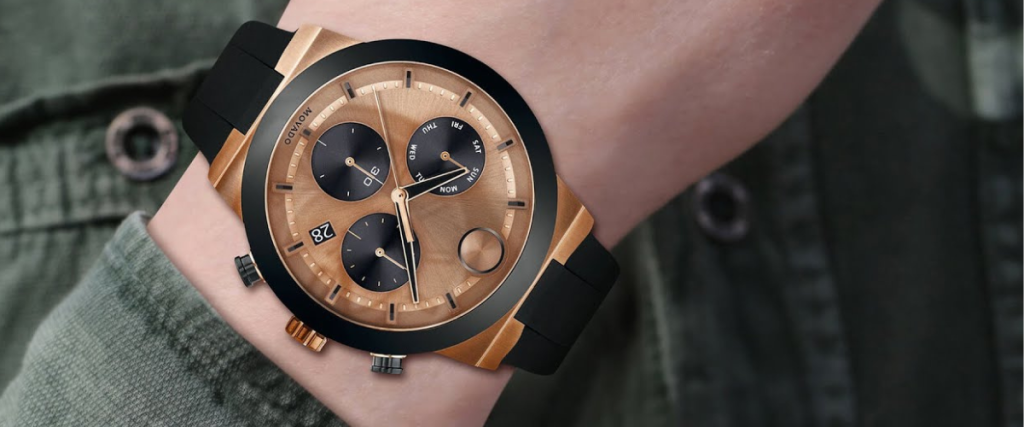
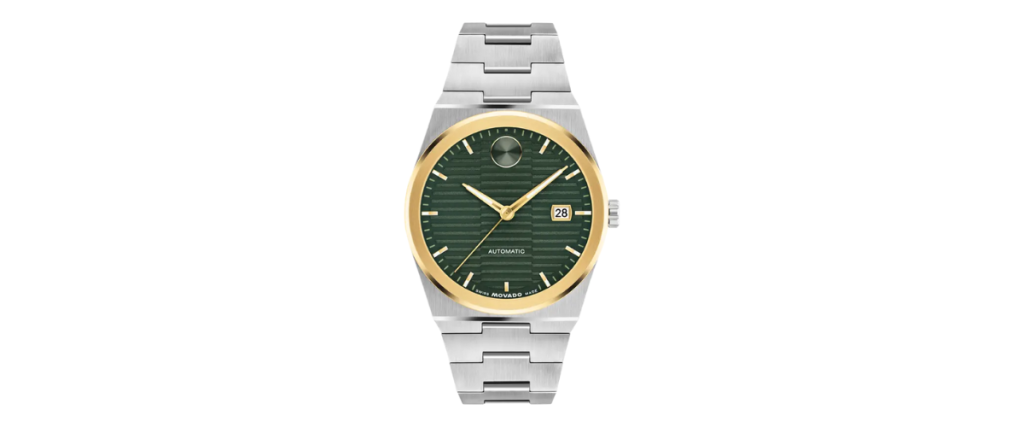
Another criticism lies in the pricing of some Movado models. For instance, the Movado Bold line looks great, but their price tags—often around the $1,000 range—don’t always align with the technology and materials offered. Many competitors in the same price bracket provide better value through superior craftsmanship, mechanical movements, or more innovative features. 

Lastly, Movado’s focus on mass production has diluted its exclusivity. In the past, owning a Movado felt special, almost like a connection to Swiss heritage and artistry. 

Today, the brand’s ubiquity and presence in department stores make it feel more like a commodity than a coveted timepiece. This mass-market approach has made Movado accessible but at the cost of its prestige among horology enthusiasts

Popular Movado Models 

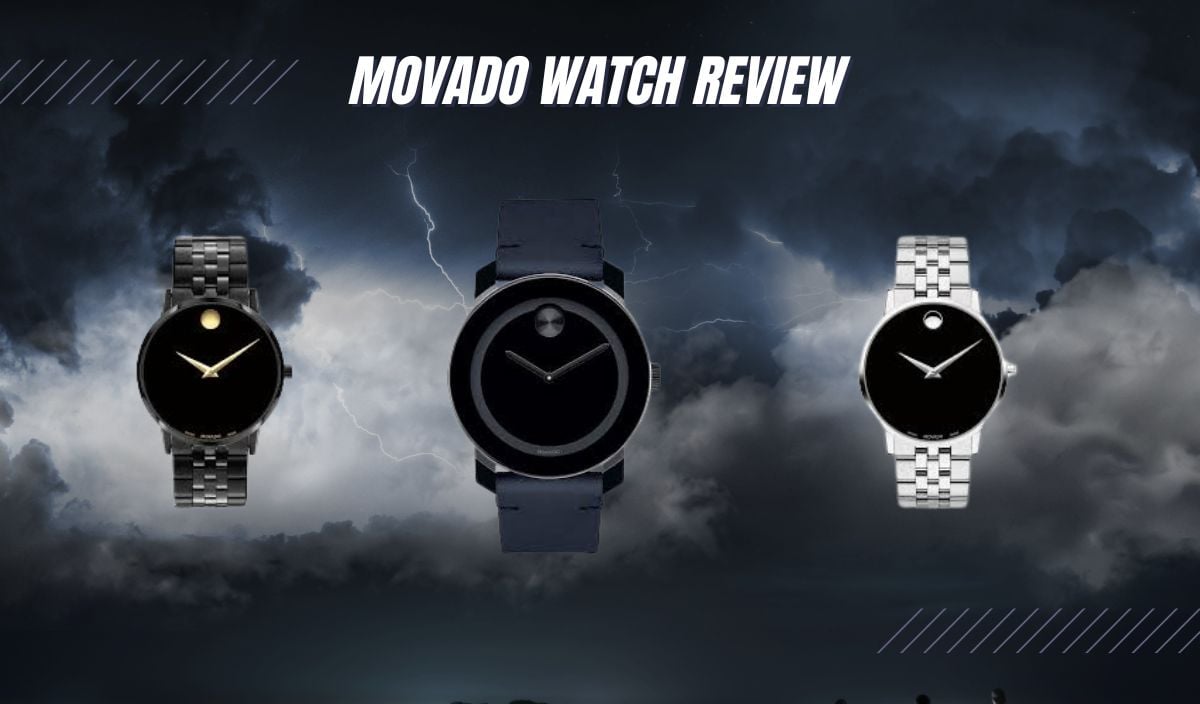
Museum Classic 

The Museum Classic is perhaps Movado’s most iconic watch, and for good reason. It closely mimics the original Museum Watch design, featuring the signature minimalist dial with a single dot at 12 o’clock. The simplicity of this watch is both its strength and its weakness. 

On one hand, it’s a timeless representation of modernism. On the other, some critics argue that the design feels overused. While it’s a beautiful piece, Movado’s reluctance to innovate with the Museum Dial has left some fans, myself included, yearning for more creativity. 

Movado Bold 

The Movado Bold series takes a more contemporary approach with bold case stylings, chunky metal bracelets, and dials that play with textures and colors. These watches certainly look the part of a luxury timepiece, but their price tags—often exceeding $1,000—raise questions about value. 

While they feature automatic movements and durable materials, they face stiff competition from brands offering better technology and craftsmanship at a similar or lower price point. For instance, Seiko and Tissot provide comparable or superior options in terms of movement and design for half the cost. 

Movado Face 

The Movado Face is another model inspired by the original Museum Dial, but it takes a more playful and accessible approach. These watches are significantly more affordable, often powered by quartz movements, and feature bold, colorful dials. 

While the designs are fun and vibrant, they still carry a premium price tag that’s hard to reconcile with the technology on offer. Many critics feel that Movado’s reliance on branding over innovation in these models diminishes their appeal.

Should you get a Movado Watch? 

So, is a Movado watch worth your hard-earned money? The answer depends on what you’re looking for. 

Who Should Buy a Movado? 

If you’re someone who values design and aesthetics above all else, Movado has likely already caught your eye. The Museum Dial’s minimalist beauty is hard to beat, and the brand’s other offerings provide plenty of stylish options. 

Movado watches are also ideal for those new to the world of watches. They’re relatively affordable, easy to maintain, and offer a taste of Swiss heritage.

For professionals, Movado watches can also serve as a statement piece. The understated design of a Museum Watch pairs seamlessly with business attire, making it an excellent choice for those who want to exude confidence and style in the workplace without being flashy. It’s a way to make a subtle yet powerful impression. 

Additionally, Movado watches aren’t something you see every day. While brands like Seiko and Longines are celebrated and often spotted on wrists worldwide, Movado’s unique approach to watchmaking sets it apart. Their minimalist aesthetic and uncluttered design offer something distinctive in a sea of more traditional styles. 

For this reason, Movado watches will likely appeal to those who like to stand out from the crowd. They embrace a real stripped-down, artistic approach to watch design, so they’ll be a natural fit for those who appreciate subtlety and want their style to reflect their uniqueness. 

Finally, Movado works for those who are less interested in the mechanics of watchmaking and more focused on aesthetics. I know that not everyone needs a watch with a complex automatic movement or a rich horological history. For many, a beautiful design and a reliable movement are more than enough, and Movado delivers on both fronts. 

Who Should Look Elsewhere? 

In stark contrast, if you’re something of a watch-collecting buff or simply someone who appreciates the artistry behind mechanical movements, you’ll likely find Movado lacking in this area. 

There are plenty of great alternatives in the same price range that offer mechanical movements, greater craftsmanship, and a richer history. Brands like Hamilton, Tissot, or Seiko provide excellent value for money and are more widely respected within the watch community. 

For those willing to stretch their budget, stepping up to brands like Longines or Oris will get you a true luxury timepiece with more robust features and mechanical movements. 

These brands offer watches with a level of craftsmanship and innovation that Movado simply doesn’t compete with within its current form. Additionally, if exclusivity is important to you, Movado’s widespread availability might be a turnoff. Other brands in the same price range can offer a sense of rarity and individuality that Movado lacks. 

Another point to consider is that while Movado’s Museum dial is undeniably iconic, it’s not to everyone’s taste. Its minimalist design is polarizing. Some find it striking and timeless, while others view it as overly simplistic or uninspired. 

Furthermore, despite boasting over 350 models on their website, Movado offers very little in terms of design variety. Most of their watches share the same core aesthetic, with differences largely limited to dial colors, case sizes, and minor material variations. For buyers seeking diverse styles or bolder design choices, Movado’s lineup can feel repetitive and uninspired, making it a less attractive option compared to brands that embrace broader creative expression.

Conclusion 

Movado is a brand that tends to elicit strong opinions, and it’s easy to see why. Once a prominent name in Swiss watchmaking, Movado has evolved into more of a fashion-forward brand, catering to those who prioritize clean, minimalist design and accessibility over traditional horological pedigree. 

For many, the sleek and iconic Museum dial is enough to make a Movado watch an appealing choice. I can understand it; it’s a design that’s hard to mistake for anything else and can make a subtle yet bold style statement.

However, Movado’s shift toward fashion-oriented timepieces does mean it may not appeal to everyone. If you’re someone who values the intricate artistry of mechanical movements, the weight of a storied legacy, or a reputation that resonates deeply within the watch-collecting community, Movado may feel lacking. It’s also fair to say you can find similar or better levels of craftsmanship and design at half of the price if you look hard enough.

Ultimately, whether Movado is worth it comes down to what you value most in a watch. If you’re drawn to their design and the modern, minimalist aesthetic speaks to you, there’s no reason not to enjoy wearing one. 

Watches are personal and should be a reflection of your taste and personality, no one else’s. Whether you choose Movado for its distinct style or opt for another brand that aligns more with traditional watchmaking values, the most important thing is that you wear what you want. Other people’s opinions shouldn’t matter, including mine. 

To Top