News Archives - Page 30 of 55 - Exquisite Timepieces
iconHome Blog / News / Page 30

Category: News

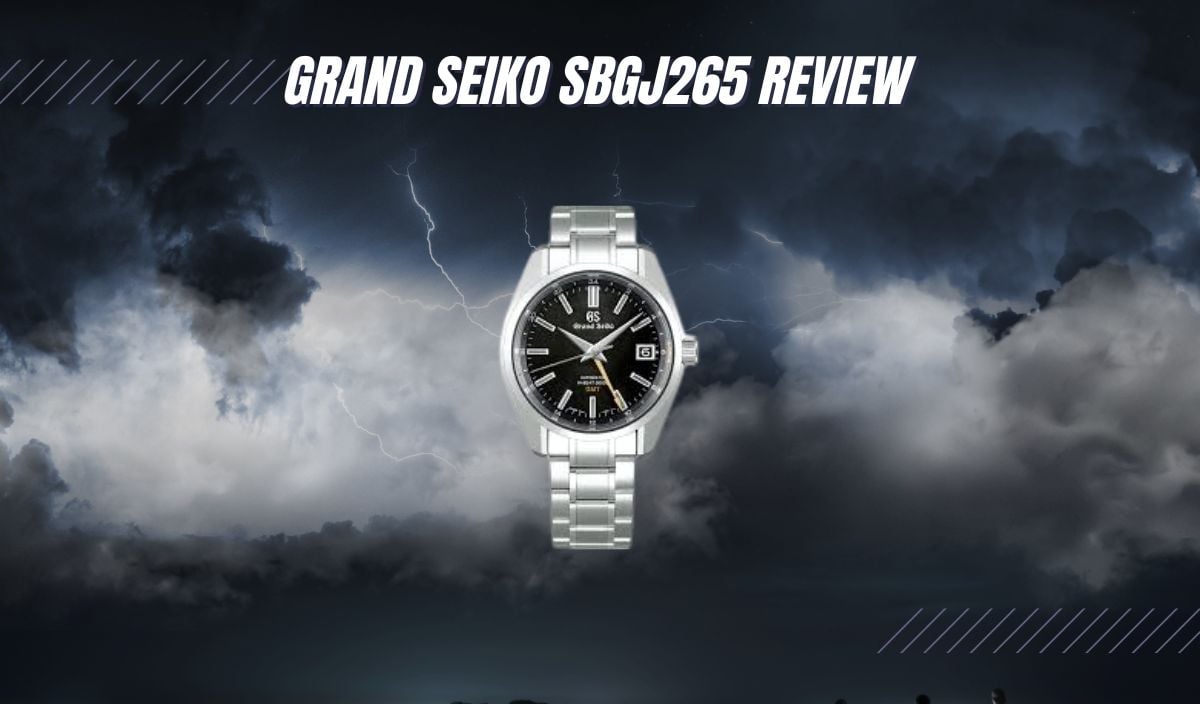
Grand Seiko SBGJ265 Review: Heritage High-Beat Horology

Marcus Henry

December 27, 2024

Grand Seiko is the definition of refined horological beauty and elegance. Known for their spectacular Zaratsu polishing and dials that evoke the natural wonders of the Japanese landscape, this watchmaker far too often goes relatively overlooked compared to others around its price point. 

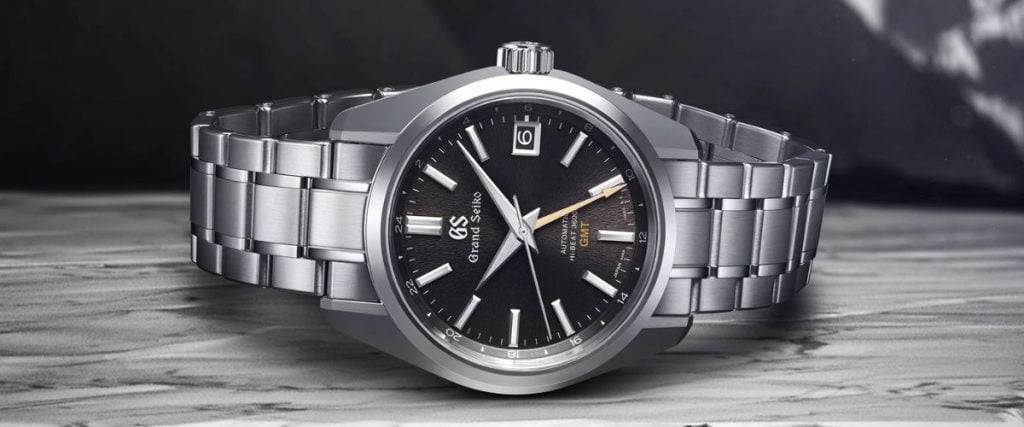
Their latest release, the SBGJ265, is a spectacular new watch that for me checks all the boxes of the expected Grand Seiko design language while presenting a novel complication and appearance. Bearing both date and GMT complications thanks to the mechanical Caliber 9S86 that beats away inside, it allows its wearer to elegantly track two time zones at once, accentuating this useful information with a beautiful form that never disappoints.

bot-only-imagebot-only-image

History

The SBGJ265 is a watch deeply rooted in history, as it is part of Grand Seiko’s Heritage Collection. Its case design is inspired by that of the 44GS, which in many ways is the first true Grand Seiko. Even today, I find it still has a compelling and modern silhouette. Others had borne the brand name before it, but it was with the 44GS that Grand Seiko truly solidified their design language and key principles: first, that flat surfaces and two-dimensional curves only will be used on the case; secondly, all flat surfaces will be as wide as possible on the case, dial, and hands for maximum legibility and polish; and finally, every surface should be mirror-polished and distortion-free. When handling a new watch by Grand Seiko, these are some of the key tenets that any discerning buyer should look for and appreciate.

When it came out in 1967, the 44GS was revolutionary. It was the most accurate mechanical movement at its beat rate—5 Hz, or 18,000 bph, a standard rate for mechanical watches—and was the first to bear the characteristic Grand Seiko Zaratsu polish. Note that the standard rate of this watch is actually the most remarkable part of its accuracy, as typically high-beat mechanisms are much more accurate. I find it particularly compelling that Grand Seiko accomplished stunning accuracy with a relatively simple lower-beat movement. As I briefly touched on in the design language, this involves using very sharply faceted flat surfaces polished to a clear and bright mirrored shine in the case, hands, and indexes. Applying Zaratsu polish is an extremely difficult task that takes watchmakers months to learn: it involves holding the case to a spinning sandpaper disk and feeling, rather than seeing, when it is finished. The exact right amount of pressure at a precise angle must be applied and the watch is removed from the polishing disk when the watchmaker feels that it is done. Incredibly, the temperature of the piece due to friction, the pressure applied, the angle of application, the balance of the polish must all be perfectly determined through the watchmaker’s sensitive fingertips. The result of all this work is nothing short of spectacular: balanced flat surfaces that glow like fireworks in bright lights.

Case

The SBGJ265’s 40 mm by 14 mm case is molded directly after that of the 44GS, bearing nearly the same shape, facets, and polish. I love this alignment to such an important heritage piece—it provides a sense of grounding in the brand’s collection and creates a deeper meaning for the piece. The broad flat surfaces angle to a precise and razor-sharp angle together in a way that plays beautifully with shifting light. Thanks to the sharp angles, shadows are often created on one mirrored surface while the other one brightly gleams, establishing a beautiful visual contrast.

The mirrored polish is positively radiant thanks to Grand Seiko’s proprietary Ever-Brilliant Steel, a new alloy of steel. It’s anti-corrosive and is 1.7 times more resistant to pitting than steel used in other high-end watches. Moreover, it has a particular whitish gleam that appears much more like white gold or other precious metals than that of normal steel. Essentially, this means that the spectacular Zaratsu polishing of the watch will last longer and shine more brilliantly, all while providing a lustrous material for the case.

Apart from the case structure itself, the watch also sports a double-domed crystal. This clearly adds a significant excess of thickness to the watch, potentially making it more difficult to pair with a shirt cuff or to pass off as a more casual-wear watch. That said, I do think the dome of the crystal adds an undeniable vintage charm, and to a watch whose design inspiration is clearly solely vintage-based, the choice does add significant flair. As I look at the watch, I also think the double-domed crystal really contributes to the silhouette, as it enables for a smoother flow between the case band and the top of the watch compared to a typical flat crystal. For many, it’s a choice that could go either way: some will be fans of the silhouette and vintage flair, and others will not be fond of the added thickness. I fall in the former camp.

Finally, take note of the crown, which following Grand Seiko’s design principles is slightly recessed. This adds comfort and ease of wear while also remaining accessible for winding should the user wish to manually wind it rather than utilizing the automatic function.

Dial

Any discussion of a new Grand Seiko watch would be greatly remiss to neglect a thorough discussion of the spectacular dial that adorns it. The SBGJ265 displays a shimmering black dial with a sunburst—or soleil, as the Swiss call it—finish that captures light at any angle. Grand Seiko, not being content to merely accept a conventional dial finishing as the majority of the industry does it, has greatly stepped up their game with this new peculiar method of finishing it. Standard sunburst finishing uses straight lines that extend the entire radius of the dial, providing a very uniform surface. GS, however, created a very uneven surface that appears to have been created with a large number of shallow microengravings. This creates an effect that, on a macro scale, captures all the gleam and shine of a sunburst, while when closely examined presents an irregular pattern that feels very close to the scene it’s meant to capture: the grooves of Mount Iwate, which can be seen from the Grand Seiko Studio Shizukuishi where the watch is made. While with some Grand Seiko dials I often struggle to see the comparison between the inspiration and the dial execution, I do find that in this case the dial greatly captures mountainous crags and crevices.

Floating above the richly textured dial are the beautifully faceted hour and minute hands which scintillate with light as the watch turns and moves. The baton indexes likewise are highly faceted, which according to Grand Seiko greatly helps their legibility in low-light situations, where they’re able to capture even the faintest glimmer of light and reveal themselves in the darkness. The 12 o’clock position bears a doubled set of indexes, which is another of GS’s established design principles. They’re truly remarkable and serve to add yet another dimension to the dial’s shine and glimmer.

The GMT hand, rendered in a warm yellow, creates a delightful profile of visual contrast, as it is not faceted like the other hands but rather flat and rather mattely finished. It pairs well with the text “GMT” on the dial that is in the same color, so both of which provide accenting touches of contrast that draw the eye. I personally love this extra note of contrast with the yellow-gold color that pops from the rest of the dial but without being too intrusive or clashing. As a final note, the 24-hour GMT scale itself can be found discreetly surrounding the dial on the chapter ring, quietly placed nearly out of sight so that it can be used whenever needed with a glance of the eyes.

One of the key principles of Grand Seiko’s design is to never use a complete black or white, for Japanese design loves to explore the variations of light and shadow. This dial is no different: even though it is black in dull lighting conditions, it truly comes alive with new colors and glimmers as light plays over it. Depending on the light, it can appear as a silver or even a dark brown color where the light strikes it. Important to note is that these colors are mainly revealed where the light plays on the sunburst, leaving the rest of the dial to contrast with it in its normal rich black.

Movement

Within the SBGJ265 beats a movement that is vintage-inspired but powerfully avant-garde in execution. The spectacular in-house Caliber 9S86 was introduced in 2014 as an evolution of the 9S85, to which it added a GMT function. It’s also automatic but can be manually-wound and sports a power reserve of a remarkable 55 hours.

The Caliber 9S86 is a marvel of accuracy, beating at 10 Hz or 36,000 beats per hour at a precision of +5/-3 seconds per day. The higher number of beats provides for greater precision, as the escapement is made to function far more quickly and deviations are easily averaged out. Normally, the accuracy of high-beat movements comes with a trade-off: the greater torque that’s needed to power such a movement is usually highly wearing on the watch’s gears. That said, each gear in the 9S86 is carefully hand-polished by GS craftsmen to reduce friction to the lowest possible point, thereby nearly eliminating the wear that would be caused by extra torque as the gears mesh seamlessly and with no scrape or grind. Having lightly studied the famous watchmaker George Daniels’ notes on the importance of having a high polish to reduce friction, I think this is a great solution that will really serve to reduce the problems of a high-beat mechanism while providing all the advantages.

Thanks to a specialized technology called Micro-Electronic-Mechanical Systems, or MEMS for short, the components of the caliber can be machined down to tolerances of a thousandth of a millimeter. Furthermore, several parts can be made lighter, such as the escape wheel, which is 5% lighter, and the pallet fork, which is 25% lighter. Reducing their weight also reduces their inertia, allowing them to accelerate and decelerate more rapidly with less drain on the power supply. Temperature compensation is also present through the inclusion of an extra arm in the balance wheel, which ensures that the caliber will not vary much with temperature changes.

All mechanical Grand Seiko movements are produced at the new Studio Shizukuishi, which is a beautiful architectural structure that follows Grand Seiko’s principle of appreciating nature by seamlessly integrating itself into its environment. It is here that presumably the GS dial-makers can look up and admire as their inspiration the beautiful snowy head of Mt. Iwate as they craft the dial meant to represent its rich craggy grooves. Here as well every part of the construction process of the movement occurs—from production to assembly to adjustment and finishing, all is done entirely in-house.

Straps

The SBGJ265 comes naturally on a bracelet but can be easily swapped out for a 19mm strap as the wearer wishes thanks to its drilled lugs. However, I find the bracelet exquisitely made and very beautiful in polish, and it would be wise to keep it on. Most of the bracelet bears a brushed finish, but it’s not pronounced or harsh on the eyes as these often can be. It gleams with a polish all its own. The brushed finish on the exterior links as well as the heart of the interior link contrasts nicely with two stripes of mirror polish executed on the interior link. The links themselves are gently rounded to give the impression of flowing down to the bottom of the wrist, where a simple push-button clasp provides a gently tactile experience in removing or putting on the watch.

Important to note as well is that the bracelet does not have micro-adjustments, meaning it may be more difficult for some wearers to find a perfect fit for their wrist. That said, it does have both half-links and full-links that are removable for a very close approximation that will ensure that most wearers find a comfortable and pleasant snugness.

On-Wrist Experience

The watch wears delightfully well on the wrist, firmly placed in the category of a go-anywhere, do-anything watch. Its 40mm diameter means it can be comfortably worn by a wide variety of wrist sizes. Thanks to its refined black dial,I’ve found the watch to be quite classy, and can be worn for dressy occasions. However, because of its double-domed sapphire crystal, it would be wise to mainly retain it for sportier ones. When paired with a suit, consider swapping out the strap for black leather, for an additional elegant touch. Whatever event you’re attending, do try not to keep such an exquisite dial hidden away under a dress cuff for the whole evening!

The ergonomic bracelet design as well as the slightly recessed crown provide for a comfortable wearing experience, and the restrained nature of the watch’s design means it can be paired with almost any outfit. Try, for example, anything from a polo and jeans to a regular office wearer alongside a dress shirt and chinos. The watch in itself is the sort of elegant accessory that dresses up any outfit and gives a touch of Zaratsu sparkle to even an otherwise drab ensemble. At 14 mm thick, it’s not too large to draw excessive attention or to rattle around on the wrist.

On top of the watch’s comfortable and refined wrist presence, the movement’s precision is a powerful advantage—especially considering that, after all, a wristwatch’s true purpose is to supply the time. Thanks to the automatic winding, it rarely needs to be reset if worn regularly enough, and the natural precision of the 9S86 means the watch can be continually depended on to time precision events or just to ensure that you arrive at your next meeting on time—whatever time zone you happen to be in for the moment.

From direct sunlight to the fluorescent lights of the board room, the watch’s dial captures it all and reflects it in a surprisingly wide variety of hues and brightness. Depending on the angle, the color of the light, and more, the beauty of this dial will continue to reveal itself in new and varied ways.

Price & Availability

The SBGJ265 is not a limited edition, so Grand Seiko is clearly planning on keeping it around as a strong listing in their collection that will hopefully last for years to come. It’s likely that it will only ever be replaced if they release a similar model, perhaps another GMT or one with a similar dial, and in this case they might retire it. For now, however, it remains fully available for the foreseeable future.

At a retail price of $7,500, it certainly will make a dent in your wallet, but it’s also quite an excellent price considering its competition in the sub-$10,000 range. At its price point, there is almost no competition quite like it—high-beat GMTs with such spectacular dials are incredibly hard to come by. Grand Seiko is a master of offering truly spectacular value at a given price and the SBGJ265 is no exception.

This watch can be purchased from Grand Seiko boutiques online or in stores, or from Exquisite Timepieces where we have listings for both new at retail and pre-owned for the reduced price of $5,500.

Conclusion

Rarely are vintage-inspired modern releases executed with such elegance and such a deft touch in recalling past editions. The SBGJ265’s vintage design is directly called back from a remarkably historical model, the 44GS, and married with an all-new dial and function to present an end product simultaneously old and new, classic and cutting-edge. For those who are longtime fans of Grand Seiko or for those who are searching for perfectly-executed elegance, the SBGJ265 is a watch not to be overlooked. It’s truly one of the most wonderful pieces that I’ve had the opportunity to consider, in terms of value, heritage, elegance, and technical achievements.
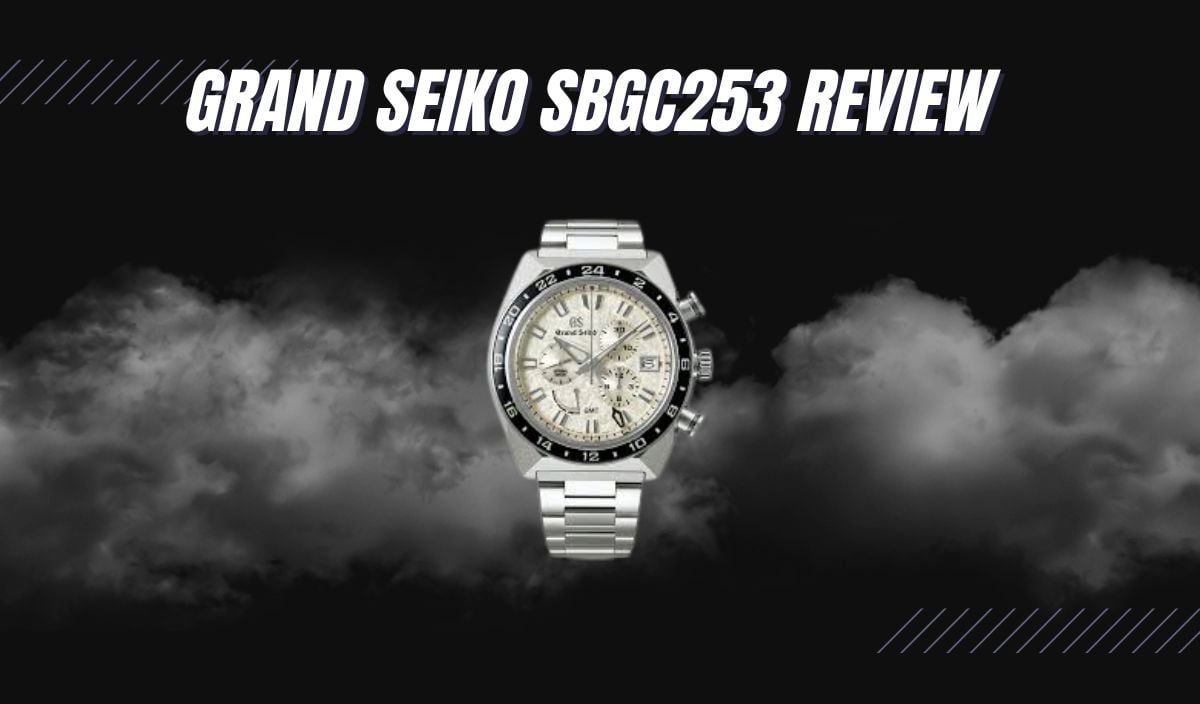
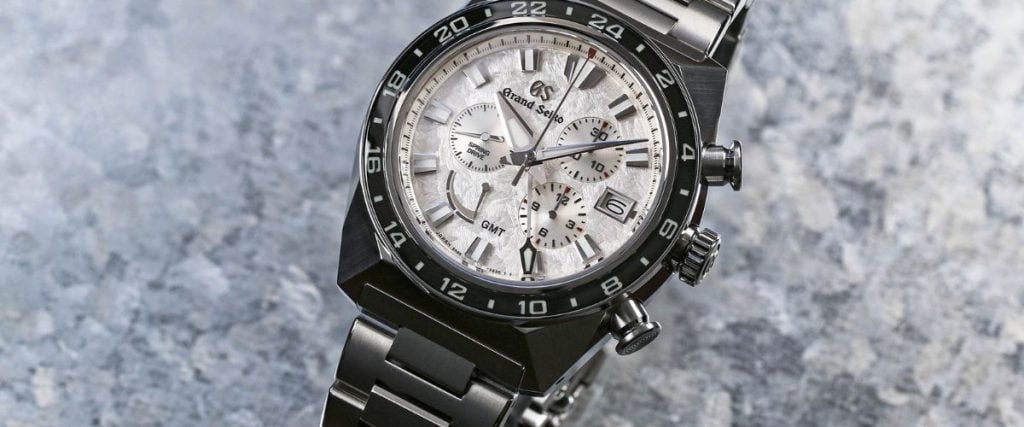
Taking inspiration from what the Grand Seiko logo embodies, the SGBC253 delivers a strong look from every angle. Boasting a Spring Drive Chronograph movement, the watch finds a fine balance between visual strength and elegance.

This can be seen in every detail, with some aspects of the watch design being much more prominent than others. Overall, Grand Seiko implemented design choices that stem from the well-known qualities of the lion and how they relate to the brand.

bot-only-imagebot-only-image

With a range of notable sport model features and a movement that’s just as elegant as the design, it isn’t hard to call this watch a one-of-a-kind. To really understand its unique beauty, you’ll have to look behind the surface details alone. 

This article aims to tell you everything you need to know about the Grand Seiko SBGC253 and what might make it a special addition to your collection.

One for the History Books

Following a similar iteration of Grand Seiko’s Spring Drive Chronograph lineup, the SBGC253 still finds a way to stand out from the rest. The watch hit the market back in March of 2023, even though the lineup initially got started back in 2019.

It should also be noted that it doesn’t follow the several variants found in the Spring Drive Chronograph lineup. This makes it a luxury watch that’s unique to its own style but still carries many of the components that people love.

Wearers can enjoy the historical relevance of the lion-inspired design, as this is at the core of what the watchmaker’s name stands for. You can also find the SBGC253 labeled among GS’s sports collection, which is well-known by many.

Even if this particular watch is fairly new to the market, it stands tall as a signature piece from Grand Seiko. It’s also bound to hold strong value in the long term due to its signature take on design and style.

Starting With the Case

Built with durable and comfortable high-intensity titanium, you get a bold look that won’t weigh down your wrists. For more context, this would be about 30% lighter than a similar stainless steel case, so it’s definitely noticeable.

At a glance, the SBGC253 can have a rather imposing design, providing a rather bulky look for the most part. 

To me, this is more than fitting, considering the theme of the watch. I usually go for more subtle watches, but this is one that I feel is worth the sacrifice for my collection. To me, the dimensions seem relatively standard, featuring a 44.5mm diameter, 50mm lug to lug, and 16.8mm thickness.

Some might argue that wouldn’t work for them, but I don’t have any complaints, even with my skinny wrists. It’s important to note that the case size does a great job of complimenting the chronograph style of the watch. The dial alone gives the watch a strong look, which means the surrounding components should match.

A finer detail I really appreciate is their angular approach to the lugs. This is meant to resemble the lion’s claws, only further cementing the bold look of the watch design. In a similar fashion to many other GS timepieces, you get the perfect balance of Zaratsu polished and brushed surfaces.

I want to circle back to the somewhat angular design of the case, as this only enhances the polished and brushed surfaces. With a slight movement of the wrist, I find myself enamored with the reflective nature of the case and surrounding surfaces.

Don’t be fooled by the watch’s bezel, though, as its style and functionality don’t overlap here. I noticed that its style is like a rotating diver’s bezel, but this is just for show. 

The SBGC253’s bezel is actually fixed, but this doesn’t take away from its undeniable beauty. I feel this design choice is more than fitting for the chronograph look. In addition to that, the pump pushers and crown are quite bulky themselves, adding to the overall size of the case.

What really helps sell this watch for me is its exhibition case back. I never get tired of appreciating Grand Seiko’s in-house movement, and this watch lets you see the details in action. The case also promises 200m of water resistance, including differentiated lume colors for GMT and home time.

Dialing in on the Face

First, it’s important to highlight that the dial is more than just a glistening ivory-white colorway. Some might refer to the Tokyo Lion watch dial as a cream color, but the consensus is that it’s gorgeous. With a texture that’s inspired by the lion’s mane, it offers a bold look for the dial that’s clearly the star of the show.

Not only am I drawn to the style choice in the dial, but the surrounding elements really bring it to life for me. Looking back at Grand Seiko’s design choices, this particular pattern is referred to as the “Shunbun” pattern, reminiscent of the SBGA413. This focuses on keeping a refined and sophisticated look while embodying the symbolism behind the lion and GS name.

Wearers will enjoy the faceted hands on top of the wide and polished indices that are easy to spot. You’ll find a lume coating on the hands as well as the 6, 9, and 12 indices. I appreciate their choice of sharp edges on the hands. 

I feel it helps to open up the face of the watch without compromising on design elegance. Considering it’s a GMT watch, you also get the benefit of a 24-hour minute track.

After tinkering with the watch for a bit, I realized the sub-dials on this watch support the chronograph and running seconds functionality. I really love that the sub-dials have a texture of their own. It helps them stand out while still blending into that surrounding ivory color.

Believe it or not, Grand Seiko still found a way to fit in a framed date window and power reserve indicator with a little space left to spare. 

Sure, I can agree that it’s a pretty busy-looking dial. However, all of the functions and features mentioned so far make it a great watch for sports and travel lovers. 

I’m usually more of a fan of open-face watches that leave plenty of room for the pattern to shine through. This watch definitely has a lot more going on than what I’m used to, but I can’t ignore the beauty in design and engineering.

The In-House Movement

It’s easy to get lost in Grand Seiko’s movement technology, as they bring a lot to the table. Regarding the SBGC253, you have the Caliber 9R86 Spring Drive movement to look forward to. It combines reliable mechanical engineering with quartz accuracy, on top of impressive and consistent accuracy.

The specs show an accuracy of ±15 seconds per month (±1 seconds per day). It’s built with a standard 3-day power reserve, and I’m particularly attracted to the 50 included jewels in its design. Beautiful to look at, to say the least, this in-house GS movement promises precise chronograph functionality.

Enhanced with the help of a column wheel and vertical clutch system, this helps to prevent an unwanted “jump” from the seconds hand when activated. This isn’t a detail I expected on the surface, and it only made me more interested in diving into the components. 

Wearers can also make use of a quick adjustment function for the hour hand, which makes switching between time zones even less of a hassle.

I know this is a bit more specific, but you don’t want to ignore the magnetism resistance, either. Magnetic fields from electronics or phone cases, for example, won’t affect the accuracy of this watch.

It’s pretty clear that Grand Seiko thought of the finer details, as they always do. Another reason I keep returning to dive into research on what’s new in the market. Overall, the movement offers more than just precision; it promises ease of use and an error-free design in functionality.

The Titanium Strap

As you might expect, the strap delivers an equally robust look compared to the rest of the watch. I’m easily sold on a high-intensity titanium bracelet. I love that they’re more lightweight, and you’ll never have a problem with how they look. The polishing blends right into the case, delivering uniformity on all sides.

It dons an H-link design, which isn’t always the standard, but a minor detail I really appreciate here. The twin-trigger foldover clasp also includes three micro-adjustments, more than enough to get the feeling I want around my wrists.

I want to make sure to mention this also comes with a diver’s extension and overall leads to a very easy experience when making adjustments. While some people may have preferences regarding push-pin adjustments, this is pretty standard with many GS titanium watch bands.

The drilled lugs allow for strap changes, but you might find suitable options to be limited considering the unique look of the SBGC253. I’m personally not a huge fan of the lug width, as it’s set at 23mm here. However, I don’t really plan on swapping the stock bracelet, as it’s more than fitting from my perspective.

My On-Wrist Experience

Aside from all of the details in the mechanics and design, it’s always crucial to understand what it’s like to wear. Taking its popularity into account, you might not get a chance to wear it before you start looking for a place to purchase. Take it from me: the size of this watch shouldn’t weigh too much into your decision-making.

It’s definitely on the larger side compared to others in my collection, but it isn’t jarring to the eye by any means. I’m confident most people would happily wear this watch in casual and professional settings, with the right outfits of course.

That’s the only caveat from my stance, which is that the ivory-white color won’t work with just any outfit. After spending some time with SBGC253, I found it works best as a point of contrast in my outfits. I like to wear it with darker colors, giving it a chance to really stand out from a distance. It isn’t distracting by any means, but I feel like it shouldn’t be hidden among brighter colors.

Once again, the titanium makes it great for all-day wear. I always like to mention my skinnier wrists, as this is a big factor in my decision-making regarding luxury watches. It’s important to me that my wrist won’t feel fatigued before the end of the day. The truth is, I barely notice the weight of this watch.

Moreover, I’d say the watch is more than wearable for 6.5” wrists but does its best around the 7.5” mark. Of course, adjustments can always be made to make it work for a variety of wrist sizes.

Most people wouldn’t argue with the beauty of this watch, but I can see how the boldness and color choice might be offputting for some. It’s definitely for individuals who don’t have any issue wearing a brighter watch. I’d like to lean into the fact that it isn’t overly flashy in any way, and you’d be surprised how well it blends in with different seasonal trends.

Pricing and Availability

Looking at the baseline pricing for a new Grand Seiko SBGC253, and you’re facing a $12,700 investment. Definitely on the higher end for newcomers, but it’s a timeless choice that’ll last generations nonetheless.

This price point comes from everything that goes into the design and engineering of this watch. It’s pretty feature-rich, and its functionality and style does a great job of speaking for itself. 

However, you can find varied pricing for a used SBGC253. The cost in this space could range anywhere from $7,500 to $10,000, depending on a variety of factors. Aside from the cost, where you get it from is just as important.

While there are plenty of retailers you could sort through all over the world, Exquisite Timepieces has everything you need in one place. This includes decades of industry experience and hands-on knowledge about Grand Seiko craftsmanship.

Don’t get me wrong, the price for this Grand Seiko is definitely on the higher side for me. Most of what’s in my collection is below the $10k mark, but I had to make an exception for this model. Not just because of what it looks like but also because of the thorough approach to functionality and what design choices stand for.

Final Thoughts

When you see Grand Seiko SBGC253, this identifier doesn’t really do the watch justice in what makes it special. Even though it’s a bit pricey for some, it’s at least worth consideration if you’re looking for something to appreciate in the long term.

If this article drummed up any questions or concerns about the SBGC253, don’t hesitate to reach out to us at Exquisite Timepieces. We have the watch you’re looking for and the expertise you need to navigate your decision-making with confidence.

Fake Cartier Watch vs Real – How to Spot the Impostor

Alex DeVane

December 17, 2024

Cartier’s consistent quality and unique design choices have earned them a well-respected reputation and deemed them a household name in the watch industry. They have an unapologetic commitment to making each piece stand out in a way that embodies the nature of their brand, making their watches highly regarded and valuable. 

With this undeniable quality comes those who desire the identical look of a Cartier piece without having to pay full price for authenticity. Cartier has been one of the primary victims of counterfeiting, and unfortunately, it’s not always easy to differentiate a true Cartier watch from a fake one. 

bot-only-imagebot-only-image

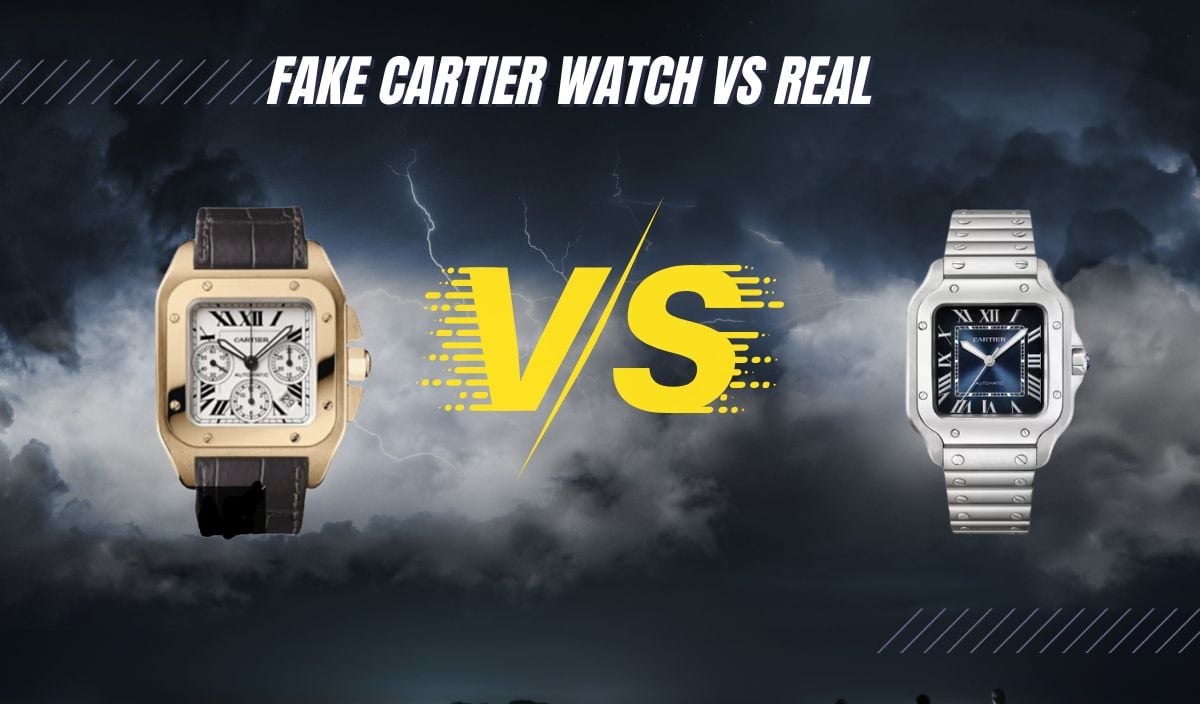
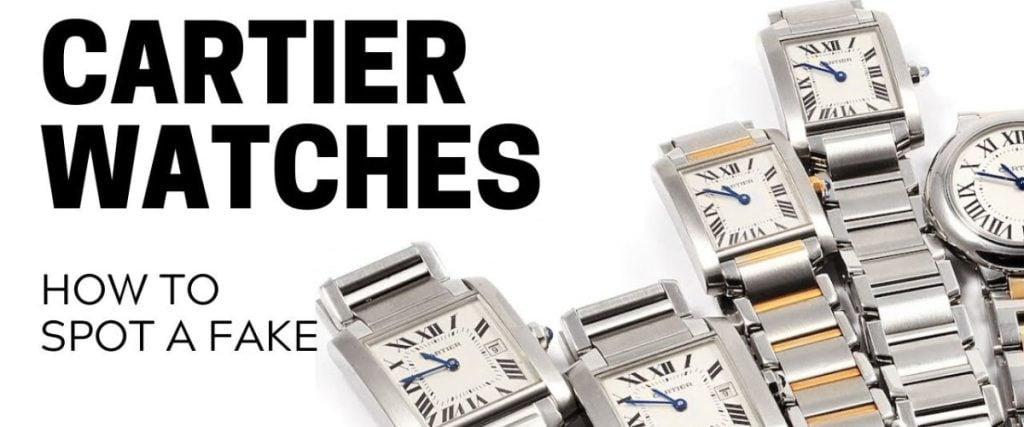
It takes a keen eye and specific attention to detail to spot the blemishes or the cut corners counterfeiters tend to take. In this article, we will explore all of the ways that you can spot a fake Cartier to know exactly what you are purchasing and how legitimate it may be. 

The Telltale Signs of a Fake Cartier Watch

Cartier fakes will always try to mirror the original design to the best of their ability, but when thoroughly expected, you can usually tell the difference as to which one is real as long as you know what to look for. 

No matter how hard they try, fakes will never meet the Cartier standard, but a highly skilled counterfeiter can come very close and, to the untrained eye, could very well pass a fake along as a true Cartier piece. 

That’s why it is extremely important to do your research and be observant to be confident that what you’re buying is the real deal. A few of the trademark signs of an authentic Cartier watch include:

Roman Numerals

Cartier dials usually include bold, black Roman numerals, which perfectly contrast their white or silver backgrounds. The legibility of these select pieces makes them recognizable as authentic Cartier watches, as the counterfeits either don’t include Roman numerals or, if they do, they are of significantly less quality or in a different font. 

Case Back, Serial numbers, Stamping, Hallmarks

If you turn your Cartier watch over, the brand name will be spelled in clear and elegant letters, identifying the watch as legitimate. The serial number lies directly below the brand name, which is unique to every watch manufactured, and modern Cartier watches have a four-digit number as well, which is the case reference. 

Along with the numbers, you can also see important stamping indicating the movement and make of the watch. If the watch were automatic, it would tell you on the stamping, and if it were made of stainless steel, it would tell you that as well. 

Screws

Screws are one of the most tell-tale signs of a fake. Cartier watches never use Phillips-head screws, so if you are looking for a real watch, look for flathead screws only. Oftentimes, counterfeiters will use Phillips head screws or, even worse; they won’t use screws at all and just place stickers of flathead screws to make you think it’s a real piece.

A good way to decipher what’s real or not is to get a screwdriver and see for yourself. Remember, no X screws, and if you do use a screwdriver, always be extremely careful not to scratch the case back. 

Are Fake Cartier Watches Worth It?

With all the controversy around fake watches and how to tell the real from the counterfeit, I suppose the only question remaining is whether fakes are worth it or if they are truly scams through and through.

Many obvious fakes will prove to be pieces of junk. I speak from personal experience—all I can tell you is don’t purchase fake Rolexes from street vendors in Italy; they will break the very next day. 

Not all counterfeit watches are of the same quality, however. While most fakes can never hope to achieve the level of quality as the higher-name brands they attempt to emulate, they can still hold their own and prove to be sustainable pieces that can perform all of the tasks needed in a standard watch. 

If you can find a well-made fake, then you could even pass it off as a name-brand, impressing those who see it, all while paying a fraction of the cost. 

It is risky, however. Again, while I knew the Rolex I bought for 10 euros in Italy was fake, I had no idea it would break the next day. Well-made fakes are watches that can last. They will be slower, they won’t be made with the same materials, and there will be blemishes implying that this is not a Cartier or a Rolex, but—hopefully—they will function well enough for a long period of time. It’s difficult to recommend, though. In the watch world, you truly pay for what you get. 

Big names like Cartier are expensive, to be sure, but there is good reason for the price they demand. You can’t find anything like a true Cartier piece. The level of craftsmanship will be evident on every square inch of the binding and case, with perfectly polished materials glimmering like treasure as it sits proudly on your wrist. Not to mention the mechanical quality. Flawless movement is a staple of authenticity as well. 

You can’t expect that kind of intricacy from a fake—no matter how skilled the counterfeiter may be. It seems to me that Cartier fakes specifically are not the kind of watches you want to be looking for. Counterfeiters seem to cut far too many corners when it comes to replicating Cartier’s, leading to a drastic drop in quality and, in some cases, being unwearable. 

Using stickers to look like screws is an immediate red flag that should set off an alarm in your head to steer clear of anything that resembles a scam, and some are quite frankly very ugly and look nothing like an authentic Cartier. 

Overall, I can’t recommend fakes; it’s simply too risky. If you are on a budget, just don’t go looking for high-name brands that you know are more expensive. My best recommendation would be to simply look for a cheaper watch and avoid trying to get people’s attention by resorting to a potential scam. 

There are plenty of high-quality watches that are perfect for a budget. If you are looking for a piece with the sole purpose of trying to impress anyone who sees you wearing it, then you are going about it wrong. Instead, focus on how the watches are made and look for what suits you. This will lead to a deeper understanding of the craft and will cause you to more accurately acknowledge what fits you best. Trust me, there are plenty of pieces out there just waiting to be discovered.

How to Avoid Getting a Fake Cartier Watch

We discussed briefly how to tell if your Cartier is fake or not. The Roman numerals, case back, serial numbers, stamping, and hallmarks are all good ways to tell, with the screws on the case back being the most obvious hint that your watch is fake. 

Another common design feature is the blue hands that perfectly match Cartier’s signature blue “cabochon,” a polished gemstone capping the mechanism that winds to the right. 

Another important feature of a Cartier watch is its weight. Genuine Cartiers are crafted from pure materials like gold, platinum, or stainless steel. All these materials carry a signature weight, indicating the quality and authenticity while also signifying just how top-of-the-line Cartier pieces are. 

If you were to hold an authentic Cartier in your hand, you would undoubtedly notice the satisfying heft that it carries. The weight should feel proportional to the size of the watch, with fake Cartiers typically being made with lightweight alloys that feel all wrong in your hand. 

Because of this, fakes are much lighter than authentic Cartiers due to their cheap attempt to replicate premium materials. In order to properly assess the weight to ensure what you have in your hand is the real deal, it helps to compare it to a known authentic Cartier of the same model. 

Remember, fake Cartier watches will appear much lighter than authentic ones, and if you ever get a chance to compare the two side by side, it would benefit you greatly to do so, as you can never be too sure. 

One critical method of examining Cartier’s attention to detail is to study its dials. Genuine Cartier dials are renowned worldwide by watch enthusiasts for their precise printing, legible markers, and iconic Roman numerals. 

Authentic Cartier timepieces feature evenly spaced text and numerals that are very precise and proportional, aligning in perfect symmetry with the rest of the dial. The printing should be sharp, with no signs of blurring or smudging, and there should be no inconsistencies anywhere on the dial. Depending on the specific models, there may be a combination of Roman numerals and stick markers, with each complimenting the other in a geometrically pleasing way. 

Counterfeit dials often fail to meet the pristine standards of authentic pieces. In most cases, the printing appears blurry and inconsistent, with misaligned numerals and markers improperly spaced. The numerals may have incorrect shapes or sizes as well, and oftentimes, they will be printed using a format that contradicts Cartier’s official font. 

The quality of the hands comes into play as well. Genuine Cartier’s have hands that are finely crafted and perfectly proportioned to the dial, with smooth finishing and a fluid movement that emulates the flawless mechanics propelling them. Fake watches have hands that are poorly finished. Some are even bent or do not align correctly with the markers. 

Authentic Cartier watches prioritize high-quality, scratch-resistant sapphire crystal glass to enhance the durability of the watch and add to the overall luxury and pristine craftsmanship. When looking at a Cartier, be sure to examine the quality and condition of the glass to determine whether or not it comes from authentic Cartier manufacturers. 

Sapphire crystal glass is known to be extremely resistant to scratches. It’s a synthetic material and is up there with pure diamond in terms of its Mohs scale hardness. This makes it so true Cartier watches are highly unlikely to scratch under typical wearing conditions, ensuring that the watch’s integrity is preserved over extended periods. True Cartier glass will look flawless and will reflect light beautifully, while fakes will more than likely have blemishes and scratches that will appear obvious if you look hard enough. 

Because of the inferior glass materials—such as plastic or mineral crystal—the fakes are far more likely to fall victim to extreme wear and damage, with the glass being worn down faster than authentic Cartier’s. You will quickly notice the aesthetic of fake glass as time goes on because fake materials are far less durable than the real thing. 

In order to test the quality of the glass, gently rub a soft cloth over the surface. If it is smooth and resistant, it is an authentic sapphire crystal; if it is softer or if it scratches, it is most likely a fake. Obviously, use extreme caution when practicing this method. Sapphire glass is strong, but there is always a risk of scratching an authentic Cartier as well. 

Conclusion

There is a reason that Cartier watches are widely recognized as one of the top watch brands. They have spent decades perfecting their craft, ensuring every region of every piece is flawlessly tuned and polished so that their customers always know exactly what they are putting on their wrists. 

Everyone that has experience with Cartier watches knows just how pristine their craftsmanship is. While good fakes can be difficult to spot with an untrained eye, once you closely examine the ways in which a real and a fake differ, it is painstakingly obvious which one has been labored over more. 

Cartier captures a particular magic that you can’t quite recreate, and any attempt to do so is an insult to each artist who has dedicated their life to this craft, ensuring their customers are getting the highest quality timepiece that will last them a lifetime. 

Mathey-Tissot vs Tissot

Today, we’re talking about Mathey-Tissot and Tissot. Now, depending on how deep you are into the world of horology, you might know one, neither, or both. But if you’ve ever wondered if Mathey-Tissot and Tissot are the same brands, then don’t worry, you are not alone. 

We’ve all confused watch brands or even timepiece-related terminologies at least once in our watch-collecting careers (yes, I mixed up chronometer and chronograph once upon a time). And equally, the question of whether Mathey-Tissot and Tissot are the same watch brand is another common question. 

bot-only-imagebot-only-image

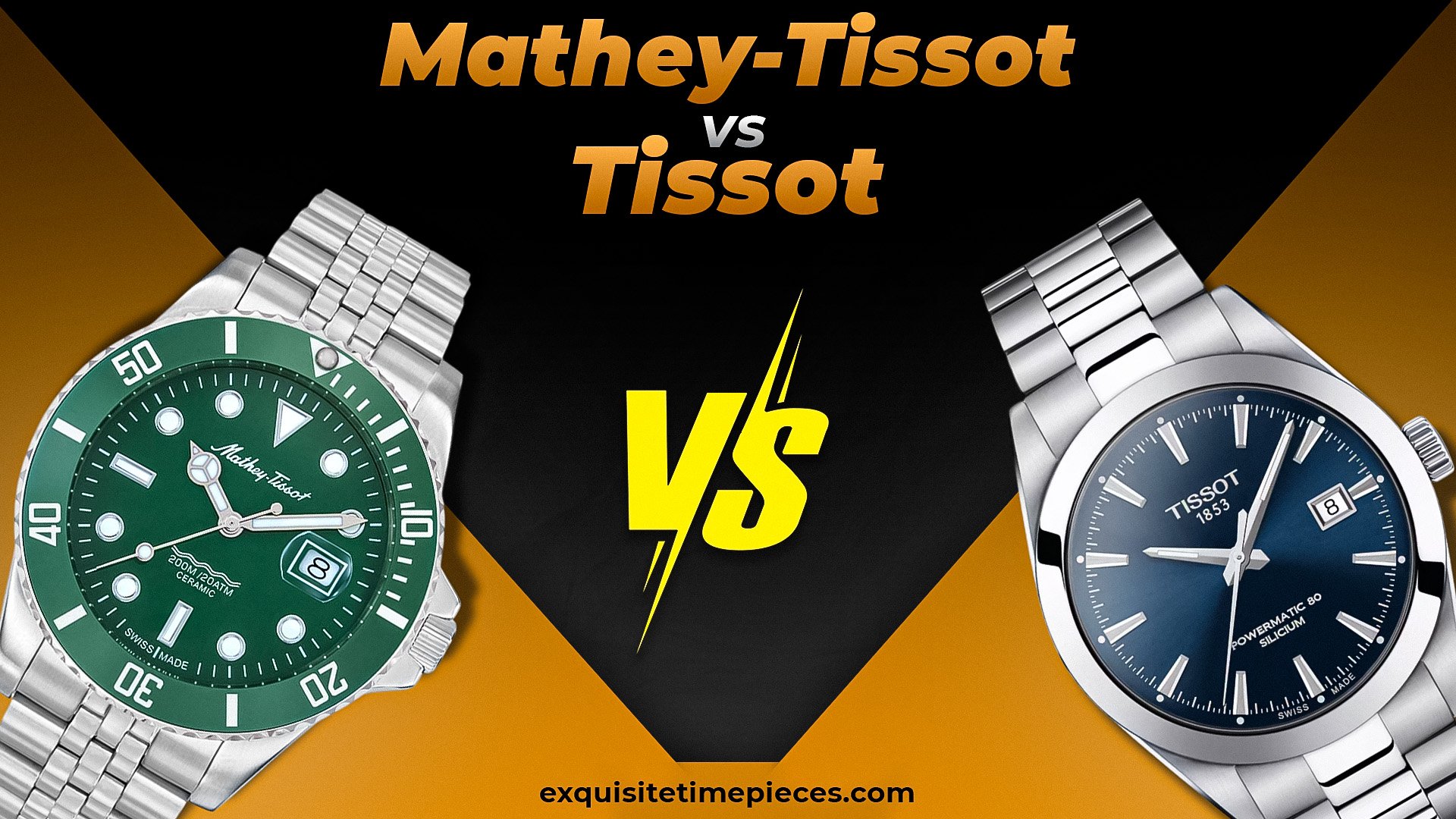
First of all, let me clear that up right now: nope, they’re not. Sure, they both have “Tissot” in their name, and you might even argue that a few of their designs can make you do a double-take. 

However, these two are entirely separate Swiss watch manufacturers, each with their own unique history, innovations, and style. In today’s post, we’re diving into the world of these two brands, including where they came from, what makes them tick, and how their modern-day collections stack up.

The Mathey-Tissot Brand 

Mathey-Tissot is a name that might ring a bell, but that could well be because it’s so often confused with the more globally recognized Tissot. But as I said in the introduction, these are two entirely different entities. 

While Tissot is something of a titan in the watch industry, Mathey-Tissot has quietly carved out its own niche, appealing to collectors and enthusiasts who value heritage and affordable design. 

Founded in 1886 in the village of Les Ponts-de-Martel in Switzerland, Mathey-Tissot built its reputation on precision timekeeping and traditional craftsmanship. 

Though not as widely known, this independent brand has earned respect for its quality and affordability. From its origins in repeater pocket watches to supplying the U.S. Army during WWI, Mathey-Tissot has become a brand defined by resilience and adaptability.

History of Mathey-Tissot 

The story of Mathey-Tissot begins in the late 19th century in the picturesque Swiss Jura Mountains. Edmond Mathey-Tissot, a skilled local watchmaker, established the brand in 1886 in Les Ponts-de-Martel. The brand initially focused on producing repeater watches and pocket timepieces, gaining recognition for their precision and quality. 

But their rise to prominence really began when they launched their line of chronograph watches. The Second Boer War in 1899 created a demand for highly accurate timekeeping instruments, and Mathey-Tissot stepped up to the challenge. The brand’s chronographs became so popular among military personnel that it had to expand its production facilities. 

Shortly after, it seems like the Scottish nobility took notice, and one nobleman famously ordered 2,500 watches, presenting gold models to officers and silver ones to enlisted men. These timepieces were recognized for their exceptional reliability, earning accolades from prestigious institutions like the Kew Observatory in 1914. 

Mathey-Tissot’s reputation continued to grow during World War I when it became a key supplier of chronographs to the U.S. Army. These watches were prized for their precision and durability, leading General John Pershing to award them to his top officers. 

And, understandably, their strong military history led to personnel relying once again on Mathey-Tissot watches during World War II, with even the Royal Navy known for wearing some of their models. 

However, It wasn’t until the 20th century until Mathey-Tissot gained real popularity outside the military. They caught the eye of none other than Elvis Presley, who owned and gifted personalized Mathey-Tissot watches to his inner circle. 

However, like so many traditional watchmakers, Mathey-Tissot faced significant challenges during the Quartz Crisis of the 1970s. The advent of affordable, accurate quartz watches disrupted the industry, and Mathey-Tissot struggled to compete. 

The brand eventually came under Chinese ownership, shifting its focus to entry-level watches while retaining its Swiss heritage. Today, Mathey-Tissot continues to produce affordable, well-crafted timepieces, combining classic designs with modern accessibility. 

Popular Mathey-Tissot Watches 

Mathey-Tissot may not dominate the luxury market quite like Tissot, but it offers a range of models that deliver excellent value for money. With price points typically between $200 and $1,200, the brand caters to those who appreciate Swiss craftsmanship without breaking the bank. Here are just some of the standout models Mathey-Tissot has to offer: 

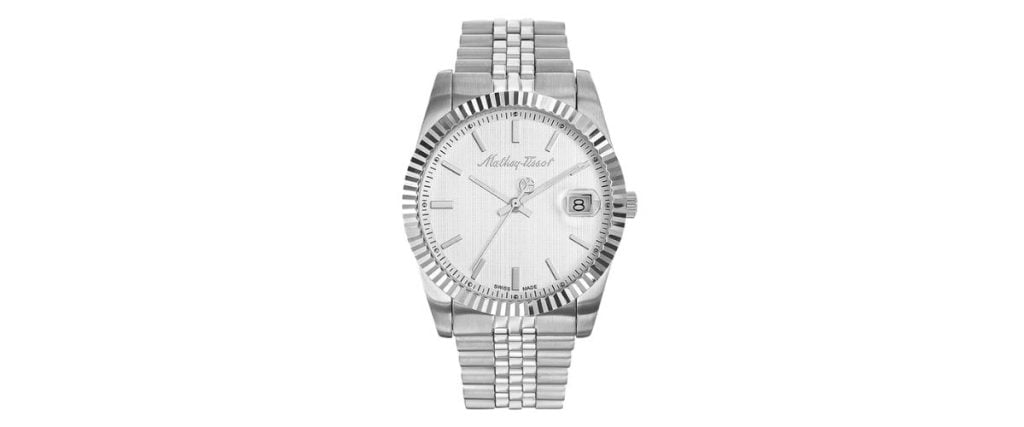
Mathy III

The Mathy III is a testament to Mathey-Tissot’s focus on classic design and functionality. This versatile watch features a clean dial layout with sleek baton markers and a wonderful faceted bezel that captures the light beautifully. 

There are models in steel, gold, or two-toned with options secured by leather or metal straps. The Mathey III is one of those easy-to-wear watches that suits both formal and casual occasions, striking a nice balance between tradition and modernity. 

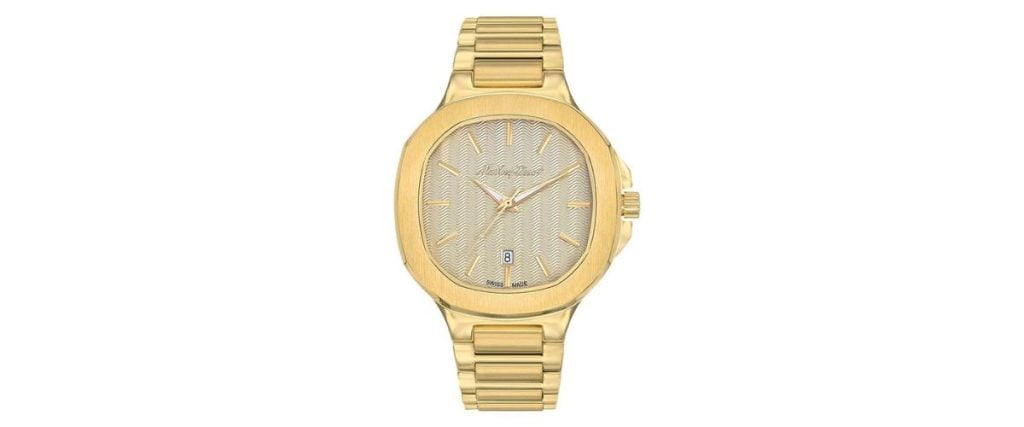
Mathy Evasion

If you’ve ever admired the iconic Patek Philippe Nautilus, the Mathy Evasion might catch your eye. Whether it’s intentionally inspired by the legendary design or not, there are clear similarities between these two watches – at least aesthetically. 

It has the same cushion-shaped case, wide flat bezel, and H-link bracelet. You’re not going to get an in-house movement, but if you’re happy with a Swiss quartz caliber, it’s definitely an attractive choice for budget-conscious enthusiasts. 

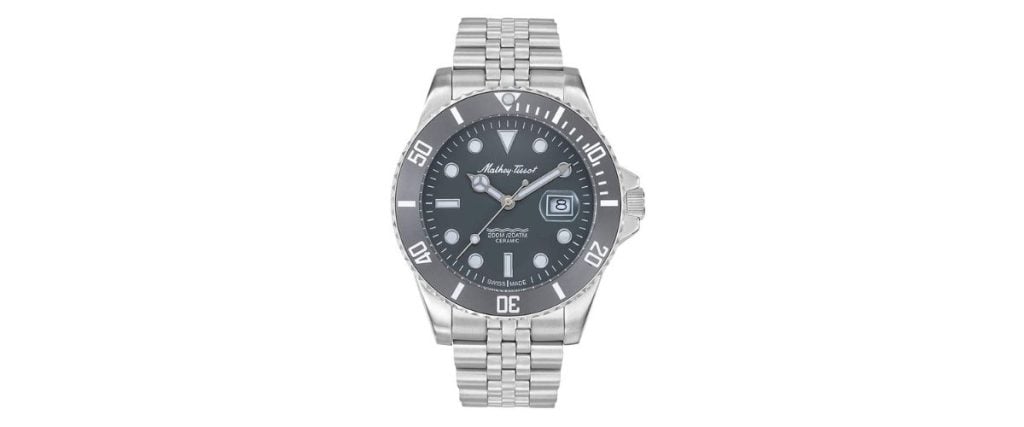
Mathy Ceramic

For those who admire the look of the Rolex Submariner but want a more accessible alternative, the Mathy Ceramic is a strong contender. 

With a unidirectional ceramic bezel, luminous markers, and a robust stainless-steel case, this dive watch embodies the rugged elegance of its higher-priced counterparts. While it lacks some of the advanced technology found in luxury divers, it offers exceptional value for its price point. 

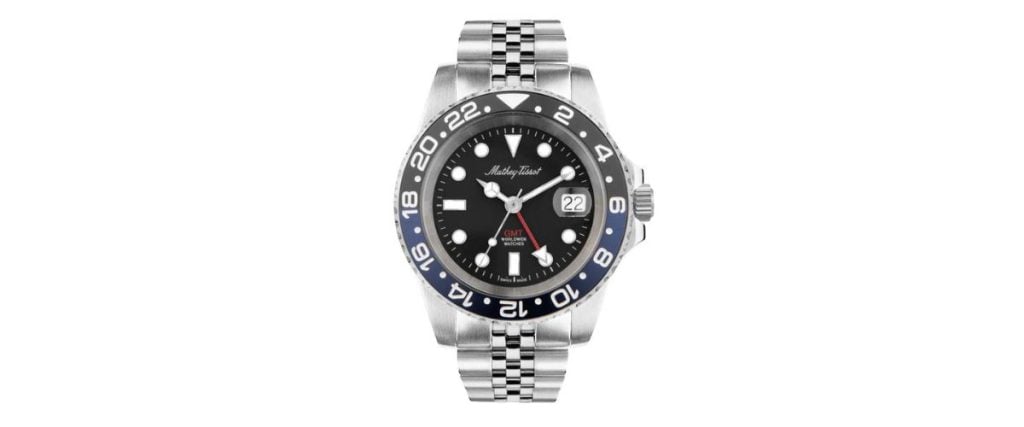
Mathy GMT

Travelers will appreciate the Mathy GMT, a practical and stylish watch designed to track multiple time zones. 

Featuring a secondary hour hand and a 24-hour bezel, the Mathy GMT is both functional and aesthetically pleasing. Its classic design makes it a versatile companion for globetrotters plus, I’ve even spotted a particular model with an all too familiar blue and red “Pepsi” bezel.

The Tissot Brand

Now, I’m not saying Tissot is as well-known as timepiece giants like Rolex or Omega, but they are certainly a name you’re more likely going to be familiar with compared to Mathey-Tissot. 

You might have spotted their branding while watching the MotoGP since Tissot has been the official timekeeper for the FIM MotoGP World Championship since 2001. Or, you might already be familiar with their watchmaking prowess, considering they are well-known for precision, elegance, and innovation. 

The History of Tissot 

Tissot’s story began in 1853, when Charles-Félicien Tissot and his son, Charles-Émile, founded Charles-Félicien Tissot & Son in Le Locle, Switzerland. 

Initially, the company operated as an assembly workshop, sourcing components such as cases, crowns, and straps from local craftsmen and assembling them into complete timepieces. The first Tissot watches were pocket and pendant watches aimed primarily at the burgeoning American market. 

Tissot’s international success began with a stroke of serendipity. In 1858, Charles-Émile traveled to Russia, where he eventually settled and married. 

His strong connections in Moscow helped the brand penetrate the Russian market, establishing a foothold that fuelled its growth. By 1885, Tissot was a respected name across Russia and had also begun expanding its reach in Europe and beyond. 

In 1907, Tissot opened its first factory in the nearby town of Chemin de Tourelles, a location that remains the brand’s headquarters to this day. 

By 1917, the company had taken a significant step forward by establishing its own manufacturing facilities, enabling it to produce movements and components in-house. This move reduced costs, improved quality control, and allowed Tissot to offer high-end watches at more accessible prices.

Ever since, Tissot has been at the forefront of horological innovation. In 1930, the brand introduced the first-ever non-magnetic wristwatch, setting a new industry standard. Tissot also experimented with unconventional materials and created watches made from plastic, wood, and even mother-of-pearl long before these were common in watchmaking. 

In the same year, Tissot merged with Omega to form the first Swiss watchmaking association, SSIH. This partnership strengthened both brands and allowed them to share resources and expertise while still maintaining their distinct identities. 

Like Mathey-Tissot, Tissot also faced challenges during the Quartz Crisis of the 1970s. However, its decision to join the Swatch Group in 1998 proved to be a masterstroke. As part of this prestigious conglomerate, which includes iconic brands like Omega, Longines, Rado, and Hamilton, Tissot has since flourished, bringing together its rich history with modern marketing and production capabilities. 

Best-Known Tissot Watches 

Tissot’s diverse portfolio includes a wide range of watches, from elegant dress pieces to rugged sports models retailing between $400 and $3,500. Here are some of the brand’s most iconic offerings:

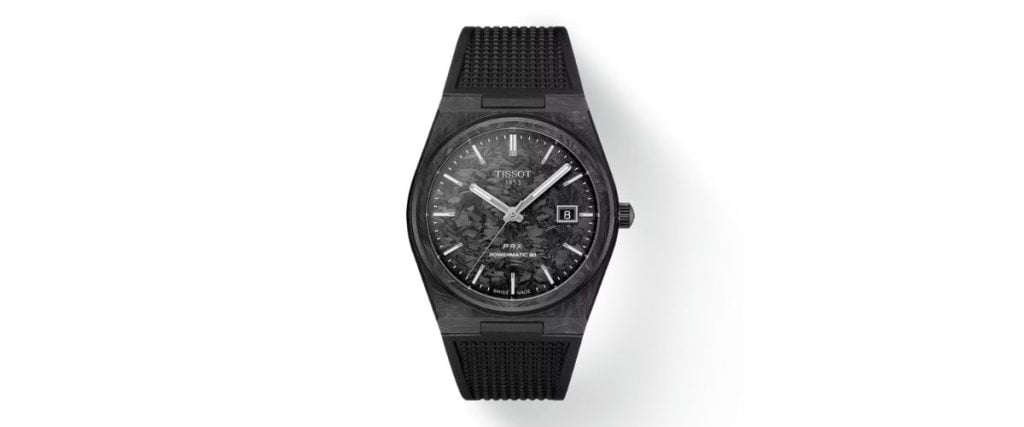
Tissot PRX 

I might be a little biased here because I’m a proud owner of a Tissot PRX, but I truly believe this to be one of the best entry-level integrated sports watches out there. It’s a masterclass of retro-modern design, bringing back to life the brand’s original PRX model from the 1970s. 

It features a fluid integrated case and bracelet and a range of sleek, minimalist dials that evoke vintage cool. The quartz models are the most affordable, but I’ll forever be impressed by those powered by their in-house Powermatic 80 movement, a calibre that is automatic winding, anti-magnetic, and offers an outstanding 80-hour power reserve.

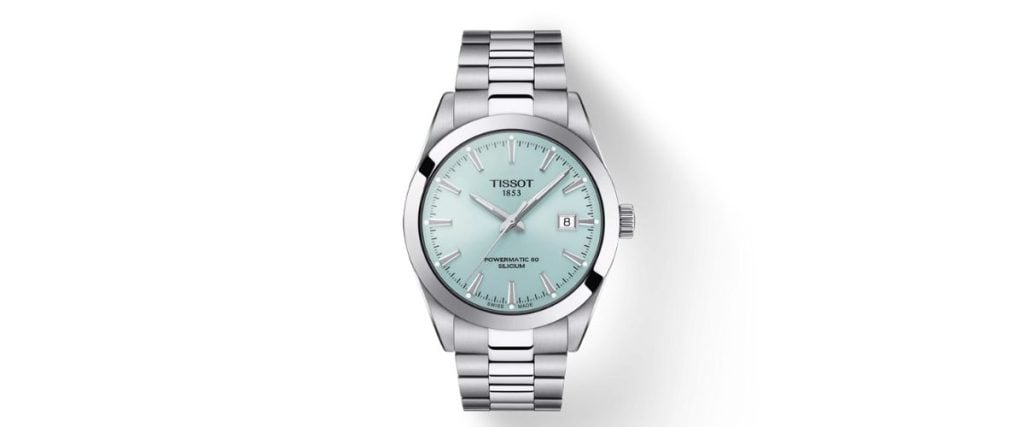
Tissot Gentleman

As its name suggests, the Tissot Gentleman is the perfect watch for those who appreciate classic sophistication. This model boasts a timeless design with a clean dial, polished indices, and a date window. It’s also available in a range of finishes, including stainless steel and rose gold and can also be found powered by their Powermatic 80 movement. 

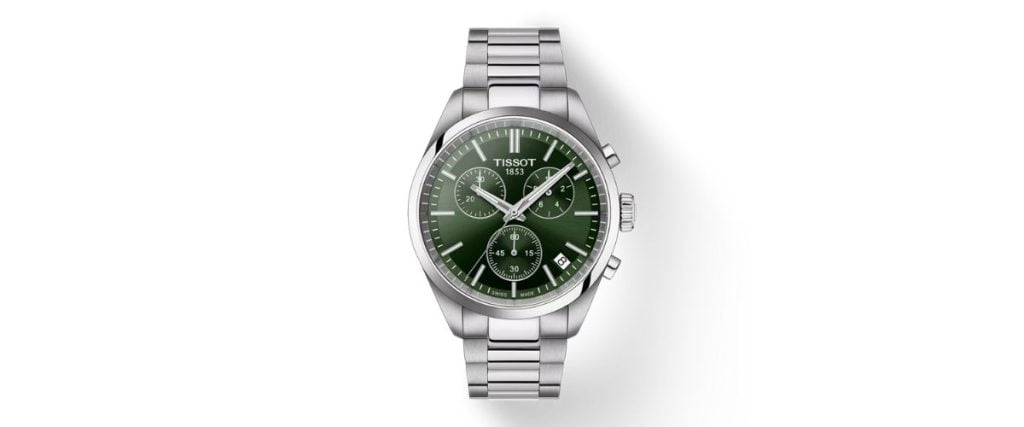
Tissot PR100 Chronograph

The Tissot PR100 Chronograph is another robust and functional timepiece from the Swiss watchmaker and is a testament to the brand’s associations with motorsport. 

It brings together high-precision chronograph functionality and a tachymeter bezel so you can measure speed over distance with ease. It’s one of the many reasons this novelty is prized by racing enthusiasts and professionals alike. 

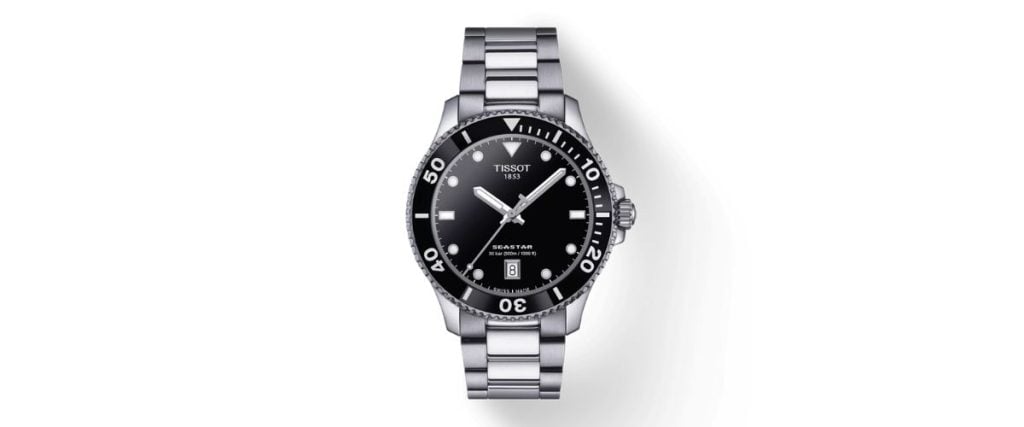
Tissot Seastar

The Tissot Seastar is the Swiss brand’s flagship diver’s watch that combines professional-grade performance with sleek aesthetics. With water resistance up to 300 meters, a unidirectional ceramic bezel, and luminous hands and markers, the Seastar is built for underwater adventures. Its robust build and stylish design make it equally suitable for daily wear. 

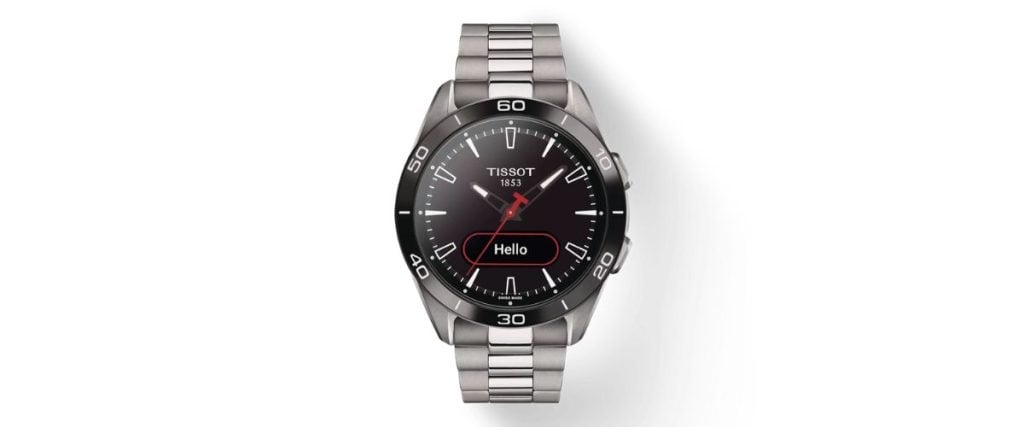
Tissot T-Touch Connect Solar

Finally, almost as a little excuse to show off, Tissot has a range of solar-powered smartwatches. Known as the T-Touch Connect Solar, these timepieces offer a suite of advanced features, including activity tracking, weather forecasting, and smartphone connectivity. 

They’re also entirely powered by solar energy, so you never have to wind the movement or change out the battery. Just pop it in natural or artificial light for a bit and it’ll be good to go.

Which is the Right Brand for You? 

Now you know that Mathey-Tissot and Tissot are totally different watch brands, offering their own selections of designs and technologies, you might now be asking yourself which brand is going to be best for you. Sadly, we can’t give you a straight answer. 

At the end of the day, both brands offer value, prestige, tradition, and innovation – just in their own ways. But there are some things that set them apart, so let’s take a look at them to help you work out which brand suits your style, budget, and needs.

 In my opinion, both Tissot and Mathey-Tissot are entry-level watch brands, but one is a little more budget friendly than the other. Mathey-Tissot offers several models for around $150, with some of their more expensive offerings sitting around the $4,000 mark. 

Tissot, by comparison, has few models that cost less than $300, with some of their more premium collections retailing up to $3,500. Regardless, both brands are exceptionally affordable, especially for the design and technology on offer. 

In my opinion, Tissot excels in design. Their watches are classic and elegant, and have a design DNA that differs strongly from so many others in the industry. 

On the other hand, Mathy-Tissot leans heavily into timeless and unified aesthetics that are often recognizable. This isn’t a bad thing by any means because if there’s a luxury watch out there you love the look of but don’t have the bank balance to support it, then this brand is going to be a great pick for you. But it’s something to keep in mind. 

When it comes to technology, both brands rely on Swiss craftsmanship and offer a range of manual, automatic, and quartz options. 

Mathey-Tissot tends to elect quartz movements more often than mechanical ones, while Tissot has something of an edge when it comes to their technology, using in-house mechanical movements like their Powermatic 80 caliber or solar-powered movements. 

Tissot also tends to offer more complex and accurate mechanical movements, particularly in their higher-end models, but of course, this is reflected in their price point. 

Really, the choice is up to you. If you’re on a tight budget or simply want an elegant, dependable Swiss watch, Mathey-Tissot is a strong contender. It’s an excellent starting point for anyone dipping their toes into the world of horology. 

On the other hand, if you’re looking for greater versatility, advanced features, and a touch of luxury without breaking the bank, Tissot is the brand to beat. It really depends on what you want from a watch and the budget you are working with.

Conclusion

While Mathey-Tissot and Tissot may share a slightly similar name, a Swiss heritage, and cater to entry-level watch enthusiasts, they are distinctly different brands with their own histories, lineups, and philosophies. 

Mathey-Tissot, with its classic, unified designs, and affordable price points, is perfect for those seeking timeless elegance without stretching their budget. Meanwhile, Tissot offers greater variety, innovation, and a touch of luxury, making it an excellent choice for those looking to combine style with advanced technology and craftsmanship. 

Both brands excel in delivering quality Swiss timepieces, but the right choice ultimately depends on your personal taste, lifestyle, and what you value in a watch. Whether you favor Mathey-Tissot’s understated charm or Tissot’s innovative edge, each offers something special and we have no doubt you’ll enjoy both brands, no matter which timepiece you add to your collection next.

10 BEST Running Watches (Garmin, Apple, Fitbit & More!)

Marcus Henry

December 17, 2024

For those dedicated to running, a good watch is a must-have. The capabilities a good smartwatch can bring make the training process infinitely easier, such as dictating the proper time to rest and keeping track of athletic performance. 

The very best running watches are far more than a typical smartwatch: they’re purpose-built for people like you. Dedicated runners looking to take things to the next level or looking to do what they do better. 

bot-only-imagebot-only-image

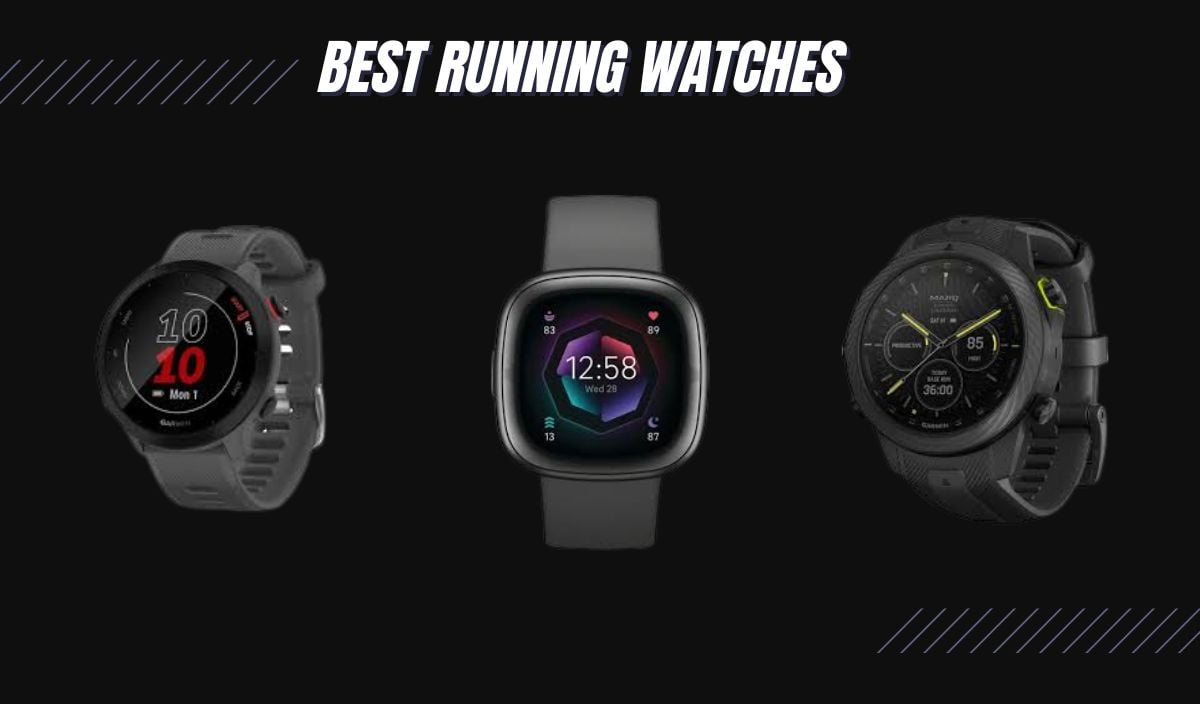
So, if you’re curious about the very best watches that could take your running up a notch, read on because here are 10 of the most spectacular running watches.

Running Watches: A Surprising History

Before we get into the top 10 running watches, let’s examine a quick breakdown of their origins, which are surprisingly fascinating. There are multiple different historical developments that can be pointed to as the precursor of the modern running watch. 

Among these, it would be easy for me to indicate the chronograph, or stopwatch, as the ultimate predecessor of running watches. After all, stopwatches are the key to timing races, and before the advent of wearable GPS, runners would turn to digital chronographs to help them prepare for races.

Personally, I think the running watch has an even more interesting start: the pedometer, made by watchmakers in the era of the famous Abraham-Louis Breguet, one of the greatest watchmakers of all time. 

These pedometers were designed as step counters, primarily to determine how quickly army troops were marching. Their capability to measure movement speed is strongly reminiscent of modern GPS running watches, and I find the parallels between this development and future running watches particularly compelling.

In all, I’m sure that both the chronograph and pedometer played a role in developing the modern running watch into what it is today. 

Modern smartwatches are so far removed from these mechanical wonders that we often find almost no parallels at all—but it’s important to remember that everything here in the present is firmly grounded in the past and that even the design of these smartwatches comes directly from that of wristwatches which have continued for a century.

The 10 Best Watches for Runners

Without further ado, let’s get right into it! Each watch is, of course, at a different price point and a different level of accessibility, so the “ranking” is naturally not strictly objective. To this end, the ranking will mostly ignore price and list watches based on their attributes and qualities.

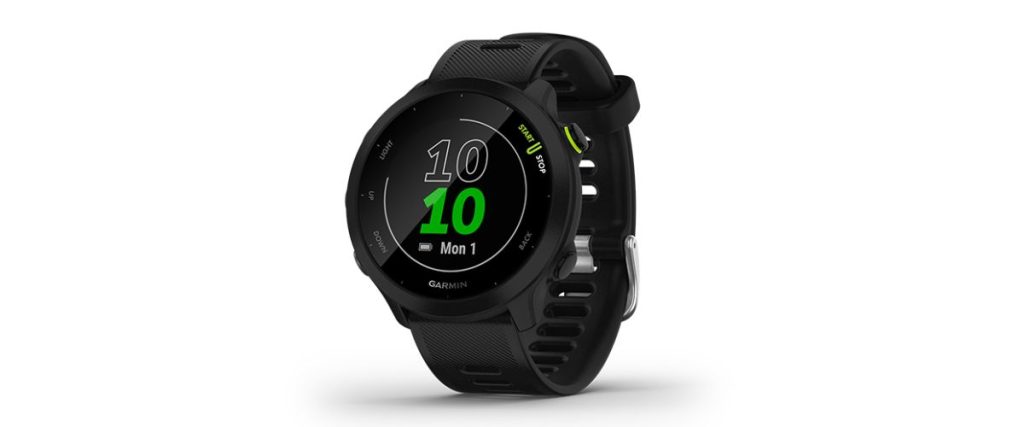
10. Garmin Forerunner 55

The Forerunner 55 is the classic entry-level offering from Garmin that, in terms of price, beats every other watch listed here at just $200. The Forerunner 55 still features many of Garmin’s trademarks, such as personalized running plans, GPS tracking, and overall health and wellness reports. 

It also offers a massive two-week battery life, which is absolutely stunning for the watch’s size and price. While its presentation and style aren’t quite as elegant as some of its competitors, it features some very advanced technical features for a reduced price, making it a powerful option from Garmin.

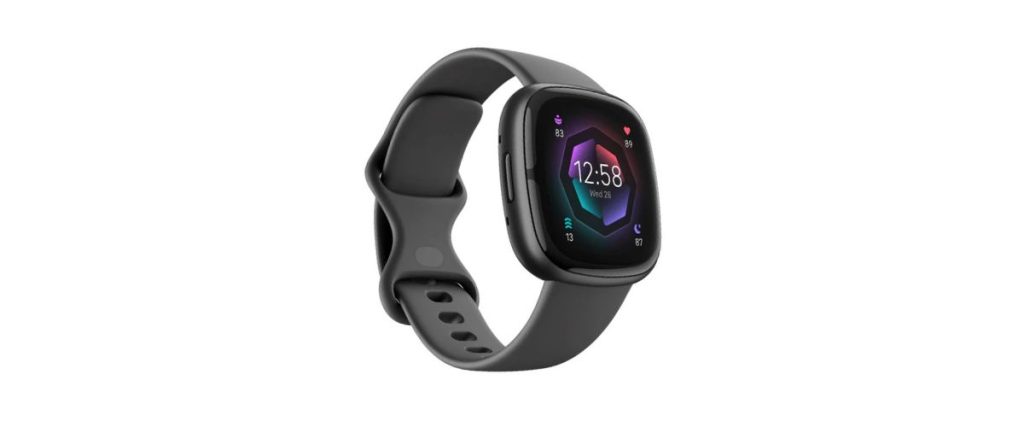
9. Fitbit Sense 2

Following up on the theme of affordability, the Fitbit Sense 2 is a great option for the more casual runner. At a retail of $250, it’s much more inexpensive than the other watches discussed here and focuses on a very overall depiction of your health. A major emphasis of the watch’s attributes, for example, is measuring and managing stress. The watch automatically detects periods of elevated stress and suggests methods for coping with them.

Unfortunately, most of the fitness features that the Sense 2 supplies are only accessible with Fitbit Premium. With Fitbit Premium, however, I find that the watch really comes alive. You gain access to many features that are found in watches at a much higher price point, such as a Daily Readiness Score and a workout library that also includes mindfulness sessions.

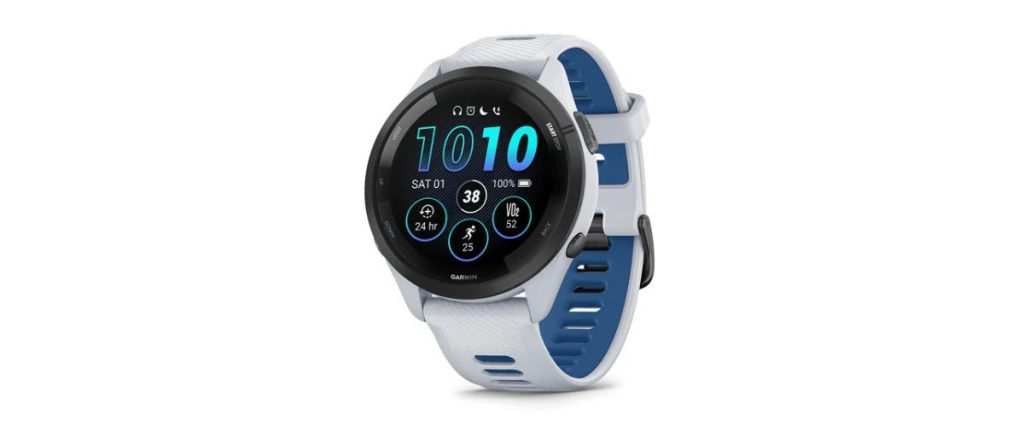
8. Garmin Forerunner 265

Another entry-level beauty, the Forerunner 265 features almost all of the advanced running features one would expect from Garmin at a reduced price. The sharp AMOLED touchscreen display is large and easily accessible. Garmin Coach plans and a Morning Report also ensure that runners will always know what lies ahead and be able to train effectively as they prepare for their next race. Multi-band GPS and SatIQ maps round out the functionality of this little stunner by Garmin.

For its price of $450, the Forerunner 265 is a remarkable watch with some very considerable capabilities despite not being quite at the level of its siblings, like the 965. That said, it’s a watch that stands at a solid middle-ground in affordability and makes no compromises in its performance.

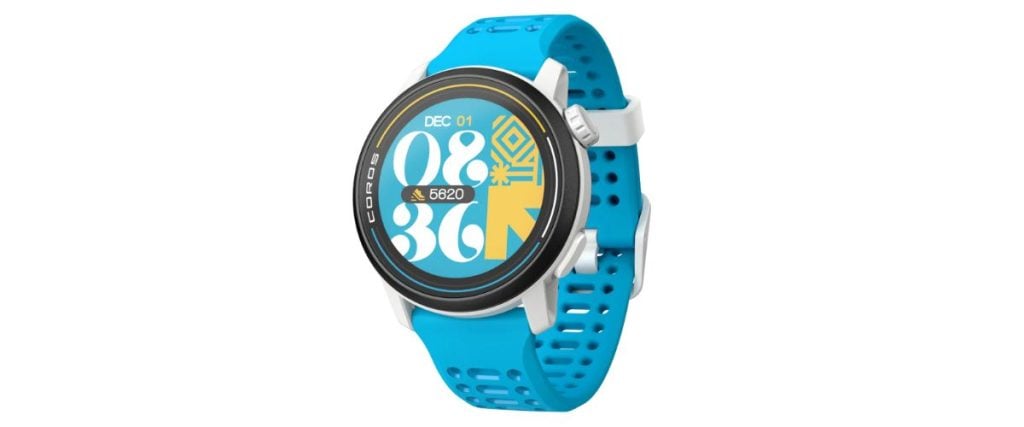
7. Coros Pace 3

The Coros Pace 3 is easily one of the best entry-level running watches. Small, lightweight, and built entirely of plastic, it has a reduced wrist presence that includes multi-band GPS with a very advanced optical heart rate sensor. It also has a long battery life, with 24 days of continuous use.

Even for a lower-priced watch, the Pace 3 has countless running analytics, such as training load, running performance, and aerobic endurance, among many others. It also supports third-party apps like Strava and Apple Fitness. In all, it’s good for dedicated runners at an entry-level price of $230.

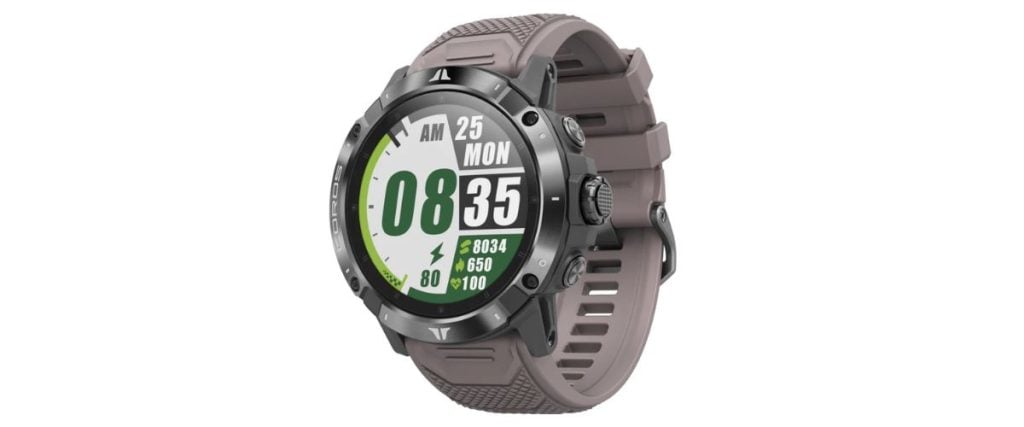
6. Coros Vertix 2

With the Coros Vertix 2, we enter firmly into the camp of purpose-built athletic smartwatches with a wide variety of helpful features. It’s designed for adventures, so it’s the most applicable to trail runners. However, it is still a very strong option for runners of all kinds. I

ts extremely powerful GPS system is actually not limited to GPS but rather to all five positioning satellite systems simultaneously—including GPS, Galileo, GLONASS, QZSS, and Beidou. As such, whether you’re deep in the jungle or between the skyscrapers of the urban jungle, the Vertix 2 is almost guaranteed to pinpoint your run with precision. Global offline mapping means you can track your position no matter where you find yourself.

The battery life is absolutely stunning—39 days of normal non-GPS use—and the touchscreen is easy to interface with, as the crown can be rotated to move the screen and pushed to trigger specific functions.

Whether you’re an adventurer or a runner who appreciates precision and accuracy, the Vertix 2 is a spectacular watch for the price of $700.

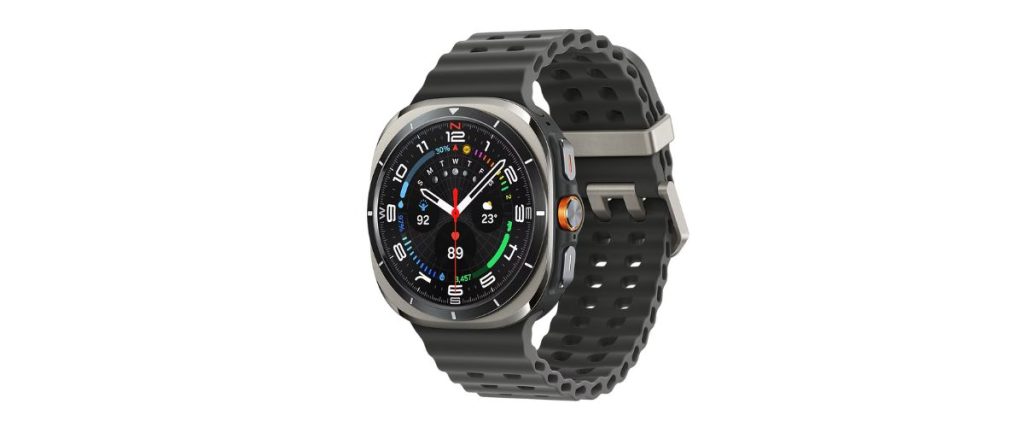
5. Samsung Galaxy Watch Ultra

Perhaps the clearest competitor to the Apple Watch, the Galaxy Watch Ultra is a formidable versatile smartwatch that provides an excellent holistic overview of your health and wellness. 

Standout features include the integration of Galaxy AI, which greatly enhances your workouts by providing recommendations and other functions, such as the opportunity to race yourself and push your own limits.

I find it most compelling that the Galaxy Watch Ultra displays not only the standard biological functions like heart rate but also seeks to capture an even better snapshot of your health through the inclusion of a dietary function, the AGEs index. Sleep, exercise, and diet are all combined here to present a complete picture of health that few other watches are able to present.

At around $450, the Galaxy Watch Ultra is considerably less expensive than its competitors, and I find it to be a very attractive option for runners seeking a versatile everyday watch.

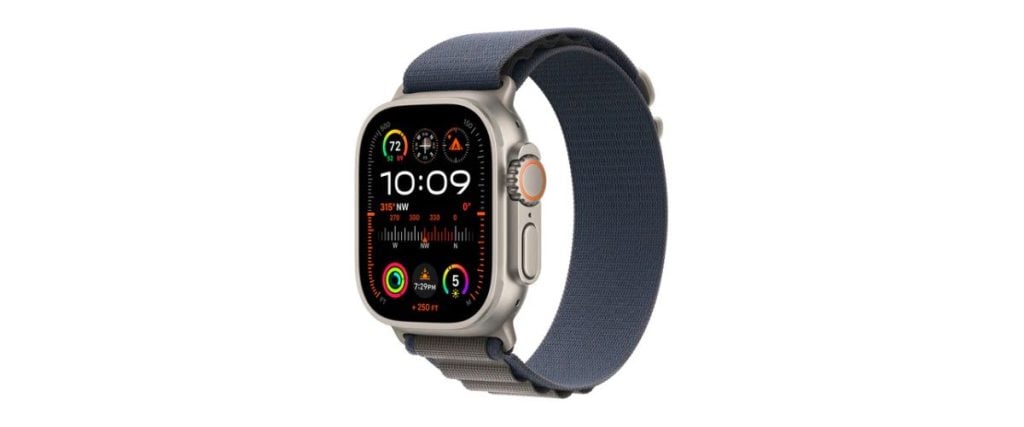
4. Apple Watch Ultra 2

The Apple Watch is far and away the most iconic smartwatch of all time, and for good reason. Yet it wasn’t until the Ultra 2 that Apple developed a powerful purpose-built athletic watch that competes with brands like Garmin and Polar while still providing all of the characteristic Apple Watch functionality. I find that this combination of everyday and athletic utility makes the Apple Watch a strong, versatile pick.

Much like other athletic smartwatches, the Ultra 2 uses a wide variety of biosensors to display all the biological information a runner could ask for, from sleep tracking to heart and respiratory rates.

Where the Ultra 2 really sets itself apart, beyond the versatility of the rest of its everyday features, is in accessibility. When running, trying to use a small touchscreen is far from easy, and the Ultra 2 has been designed so that specific easy gestures are linked to various functions, allowing for much better accessibility. 

It also features a large programmable Action Button that can trigger a variety of functions. At $799, the Ultra 2 is a shade more expensive than its direct competitors, but the added price comes with greatly improved versatility and use.

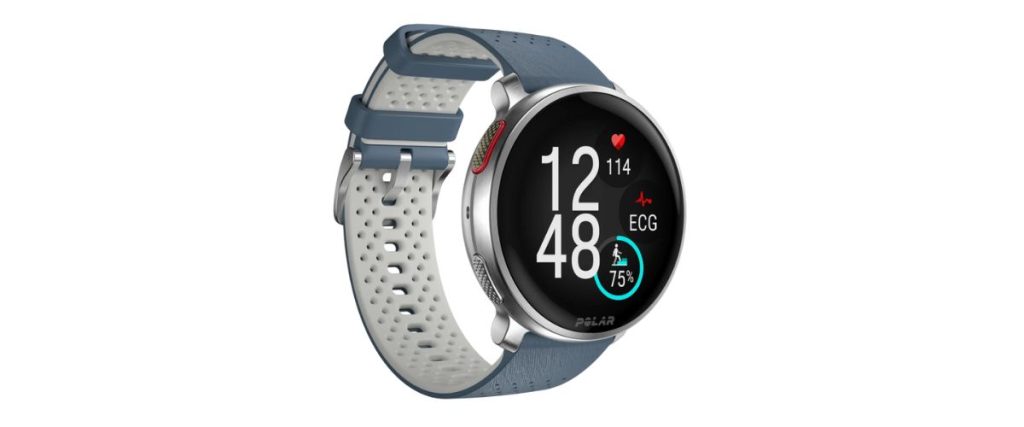
3. Polar Vantage 3

The Polar Vantage 3 is built from the ground up as a watch for serious runners and athletes, and its technical characteristics show that very clearly. One of its key qualities is the wide array of biosensors that it bears. Thanks to the bright AMOLED screen, runners can easily see ECG, blood oxygen saturation, skin temperature, optical heart rate, and more. 

The Vantage 3 also has a 129% faster CPU than the Vantage 2, which greatly boosts every feature—from its 150+ profiles for different sports activities to the multi-band GPS system. At just a hair under $600, it’s clearly set up to compete with others like the Garmin Forerunner 965, and it certainly puts up quite a fight.

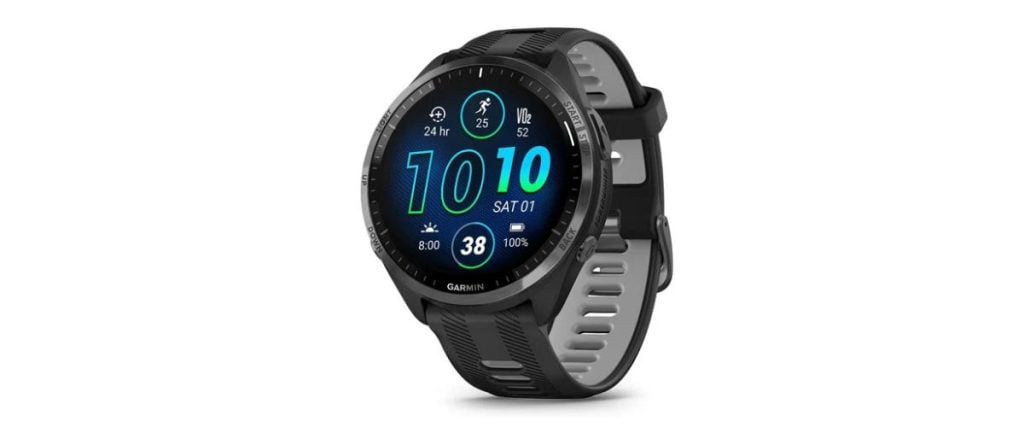
2. Garmin Forerunner 965

The Garmin Forerunner 965 is a brilliant middle-ground runner’s watch that couples spectacular functionality to a much more affordable price than others like the MARQ Athlete Gen 2. 

At just shy of $600, the Forerunner provides all of the Garmin capabilities one could hope for, from custom Garmin Coach training programs to built-in maps with an accurate multi-band GPS, all of which are displayed on a stunning bright AMOLED screen.

That said, the Forerunner 965 changed very little from its immediate predecessor, the 955, apart from the new AMOLED screen and the tough titanium bezel. In this instance, I think it would be best to hesitate to purchase this one. 

The 965 was released in March 2023, and as it didn’t change much from the 955, the next evolution of this watch could be a considerable step up. That said, it is still a remarkable watch for its price and one well worth a purchase.

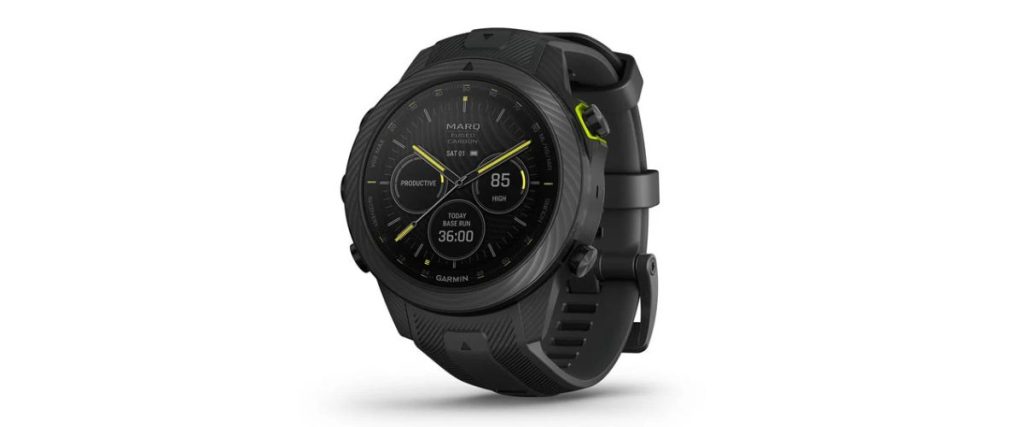
1. Garmin MARQ Athlete Gen 2 – Carbon Edition

You couldn’t possibly ask for anything more than what this watch provides. The list of features on Garmin’s website is almost too long to list out here, so if this one is compelling to you, you’ll have to do a bit of research on your own. For now, I’ll dive into the very best features, especially those specific to runners.

The Carbon Edition features a case machined from 130 layers of fused carbon fiber, which provides both an incredibly rugged and avant-garde look along with a delightful lightness of presence on the wrist that is highly durable. 

The watch’s hardware is far from disappointing: it provides VO2 Max and recovery time on the bezel, along with a massive suite of features for athletes of all sorts in its built-in functions. 

Runners will want to target the Endurance Score, which reveals your ability to sustain prolonged exercise, as well as Running Power, Training Status, and PacePro Technology, all of which are helpful tools mid-exercise in perfecting your workouts. A final key feature to note is the Morning Report, displayed once you awake, indicating your readiness for physical activity.

At a retail of $2,950, these great features won’t come cheap, but for the dedicated runner, it may be well worth the price.

Conclusion

There are countless spectacular running smartwatches on the market today, and it’s difficult to narrow them down to just 10 of the best picks. Each one offers its own special features that set it apart from its competitors. Each one of these speaks to me in its own way, and I find each one really remarkable for its features and technological accomplishments. I hope that you, too, found the one that speaks to you here.

To Top