
Jacob Strong, Author at Exquisite Timepieces
iconHome Blog / Archives for Jacob Strong

Author: Jacob Strong

Most expensive rolex watches

Most Expensive Rolex Watches

Jacob Strong

September 18, 2024

In the watch world, expensive and Rolex are two words that belong together. They are not synonymous as plenty of other expensive watches can make even a Rolex seem affordable, but every Rolex is expensive. Before the watch market boom, there were some examples that could be had relatively affordably, like a vintage Air-King, but even then, Rolex has always been an aspirational brand.

 Like most things in life, there are varying levels of madness. Not every Rolex is the cost of a luxury vehicle, but some certainly are. I would consider my own comfort level as just touching the entry point to the Rolex world. I have dabbled slightly but have always been on the more reasonable (although my wife would disagree) spectrum. One of the fun things about this hobby is that we don’t always have to act with reason. 

bot-only-imagebot-only-image

Sure, my financial situation may dictate that I don’t get to dip my feet into the world of uber luxury, but that can’t stop a guy from dreaming and writing about it. In this article, we are throwing reason and affordability out of the window and diving right into the most expensive Rolex watches you can buy!

Why are Rolex Watches so Expensive?

There are few questions that will divide the watch community quite like why Rolex watches are so expensive. From one perspective, they are decent watches hyped up by their own over-inflated history and hype marketing. From the other perspective, they are the pinnacle of precision watchmaking, known for their impeccable attention to detail and quality craftsmanship. 

The answer likely falls somewhere in the middle of these 2 extremes. Combine that with some economics 101, and the picture becomes pretty clear. Rolex watches are so expensive because they create a quality product and market it well, and customers will pay the asking price or even over the asking price. They’re not doing anything significantly different from other watch brands, they just happen to do it all incredibly well.

Rolex Watches with Highest Retail Price

In the world of Rolex, there are few terms that are as meaningless as retail price. That being said, we need a place to start, and the retail price seems like as good as any. Keep in mind that even if you are a crypto investor or the CEO of a tech start-up, you probably won’t be able to simply walk into an AD and hand them your money to walk out with one of these watches. This is Rolex we’re talking about after all, nothing is ever that easy!

Rolex Daytona Ice Platinum 
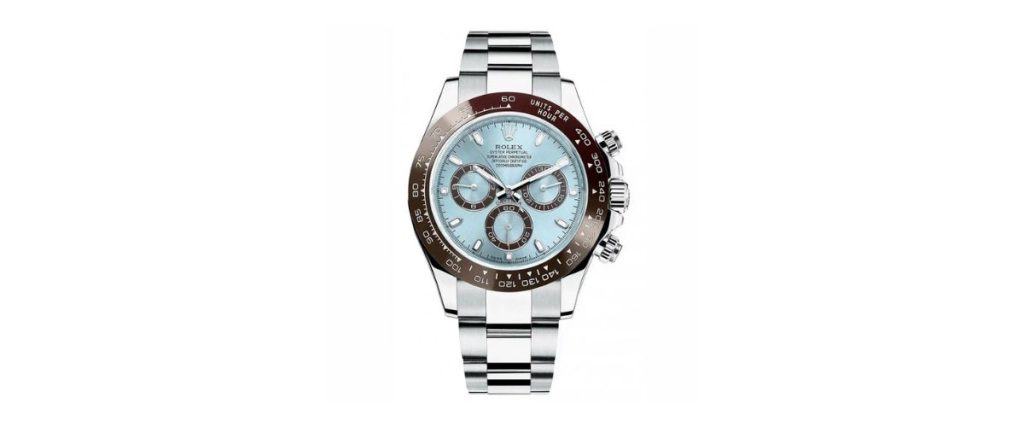
Rolex Daytona Ice Platinum

Reference 126506 MSRP $77,800

The Rolex Daytona hardly needs an introduction. The once-overlooked chronograph in the Rolex collection has recovered nicely from its NASA rejection roots to become the hardest to get watch in the world. 

The stainless steel variants of this timepiece are great watches that earn their owner instant clout in any watch circle, but this Ice Platinum example is a whole other level of flex. The 40mm case dimension is consistent with the steel variant, as is the overall design and Cerachrom bezel insert. The Platinum case and bracelet material, as well as the ice blue and brown color scheme, are where this watch differentiates itself cosmetically. 

The 4131 caliber movement receives a slight cosmetic upgrade with a new gold rotor and more refined finishing, while the 72-hour power reserve and +2/-2 accuracy remain. In many ways, this watch is not different from the more affordable stainless-steel variant, but much like the platinum case, this one carries some weight.

Rolex Day-Date 40 Platinum

Reference 228236 $67,800

You would be hard-pressed to find a watch that is synonymous with power as the Rolex Day-Date. Accompanying the wrist of presidents and high level business executives alike, the Rolex Day-Date has become one of the most aspirational watches in the entire Rolex lineup. Unlike the Daytona, there are no stainless-steel variants for us mere mortals. 

The MSRP of this watch is simply based on the type and amount of case material used. In the case of Day-Date, the highest MSRP has been given to the larger 40mm case in platinum. This watch is available in several dial variations that feature a day and date indicator and are powered by the caliber 3255 in-house movement. 

The signature look of the Day-Date complication has been imitated by many brands, but there is no doubt that when you wear the 40mm Rolex Day-Date in platinum, you are wearing the real McCoy.

Rolex Daytona Platinum “Le Mans”

Reference 126529LN MSRP $51,400-Discontinued

There are few watches that have truly surprised me over the last 5 years quite like the Rolex Daytona “Le Mans”. For one, it was completely unexpected and secondly, it was a not-so-subtle nod to the past. Rolex is a brand known for constantly looking forward when it comes to design, and this “Le Mans” limited edition took heavy inspiration from the Paul Newman Daytonas of the 1960s and 1970s (more on them later). 

This version carries over a lot of the design language and mechanics from the Ice Daytona mentioned earlier, but the vibe is completely different. The black Cerchrom bezel with a red highlight at 100, a nod to the 100th anniversary of Le Mans, and reverse panda dial configuration give a perfect vintage aesthetic. Although recently discontinued, this watch was never really available for everyday people, and the 6x second hand prices reflect this.

Rolex Sky-Dweller Everose Oyster

Reference 336935 MSRP $54,000

The Rolex Sky-Dweller is considered by many to be the most complicated watch that Rolex currently makes. The annual calendar and 24 hour disc help to provide some complicated watchmaking on a blueprint not all that different from the Rolex Datejust. While the fluted bezel of the Datejust is simply a design element of the watch, Rolex utilizes this bezel to help control the Ring Command system, a unique bezel-turning system that allows you to interface with your watch without using the crown. 

Although available in stainless steel, the 42mm Sky-Dweller reaches its full potential in precious metal. The Everose example on the jubilee bracelet gives an equally complicated aesthetic to the watchmaking within thanks to the caliber 9002. While the Sky-Dweller may be the newest family of watches on this list, the use of complication is a welcomed return to form some of their vintage masterpieces.

Rolex Yacht-Master 42 Yellow Gold

Reference 226658 MSRP $30,300

The Rolex Yacht-Master is a watch that many people struggle to place. It’s not a more capable Submariner, that honor goes to the Sea-Dweller and Deep Sea line. It’s not a dress watch like the Sky-Dweller or Day-Date. This watch is somewhere in between. The Rolex Yacht Master is powered by the robust Caliber 3255 movement, features a larger 42mm case, and comes paired with a rubber strap

All of these features help to give this watch a sportier aesthetic, while the Gold case and detailed construction of the Oysterflex rubber strap help to differentiate this watch into a more luxurious offering. Despite the possible identity crisis and comparably lower MSRP, the Rolex Yacht-Master is a true contender for any watch enthusiast’s Peacock watch.

What’s the Most Expensive Rolex Ever Sold?

As mentioned earlier, the MSRP of a Rolex watch is generally just the beginning. While these watches all carry an MSRP that most of us will never dream of attaining, we have barely scratched the surface of what is possible in the Rolex world. So what is the most expensive Rolex watch ever sold? That honor goes to a heavily used Rolex Daytona, reference 6239, in stainless steel. 

The watch had the famous Paul Newman dial layout and sold for a mere $17,752,500! This watch was no ordinary Paul Newman dial Daytona, as this, of course, was the actual Paul Newman Daytona. This auction reached its meteoric height in the story associated with the watch. Previously thought to have been lost forever, this watch surfaced in 2017, caught the watch community by storm, and shed some light on this fun little hobby for the rest of the world to see. 

That was the first time I read about a watch in a mainstream publication, but it was far from the last. I credit this auction for giving this hobby the credibility it needed to expand beyond the forums and into the real world.

Closing Thoughts

Well, it’s safe to say Rolex can get pretty expensive! Whether you are looking at MSRP, the Gray Market, or trying your luck at a once in a lifetime high profile auction, these little toys on our wrists can break the bank! The good news for us enthusiasts is that there are several options for how to enjoy this hobby. You don’t need to buy a Rolex to be a watch enthusiast, but if it is what you have your heart set on, it’s possible. 

Find yourself a side hustle and start saving every spare dollar you can. Look at me, I only need to write 131 more watch articles and I’ll be on my way! I am just hoping my name comes up on the waitlist before I run out of things to talk about. Happy watch hunting!
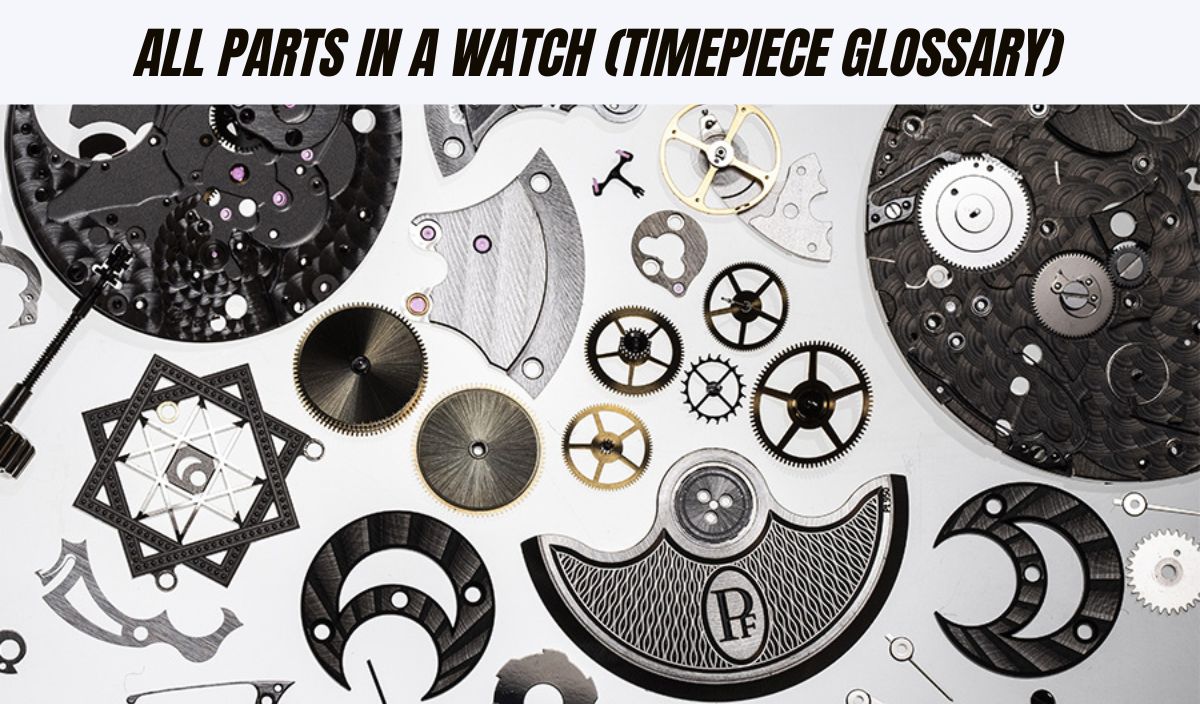
ALL Parts in a Watch

(Timepiece Glossary) ALL Parts in a Watch

Jacob Strong

September 18, 2024

There are few documents that can titillate the senses quite like a glossary. Hard not to have your heart pound out of your chest as you excitedly turn the page, waiting to move onto another technical description, full of words you now need to look up just to grasp the full understanding of what you are reading. 

THIS is not that glossary! For one, I am not nearly smart enough to write THAT type of glossary, and more importantly, I only have 1500 words to catch your attention, define 14 fundamental aspects of a watch, and wrap a pretty bow on all of it. 

bot-only-imagebot-only-image

Someone once told me that it takes a very smart person to describe a complex subject matter in a simple way that anyone can understand, and I am writing this post with the full intention of proving them wrong!

Why There Are So Many Watch Parts

Watch Parts

Why is the world of watchmaking so complex? To put it simply, because it can be. One of the aspects of a watch that pulls on our heart strings (and purse strings) the most is complexity. 

Does a watch need a chronograph? Nope, but it’s cool! Dive bezel? Nope, but we sure do love them! At the end of the day, these tiny mechanical marvels on our wrist earn our hard-earned watch enthusiast dollars because of their complexity, whether it is how the dial plays with the hands or how the minute repeater helps us flex to our watch nerd friends.

All Watch Parts Explained

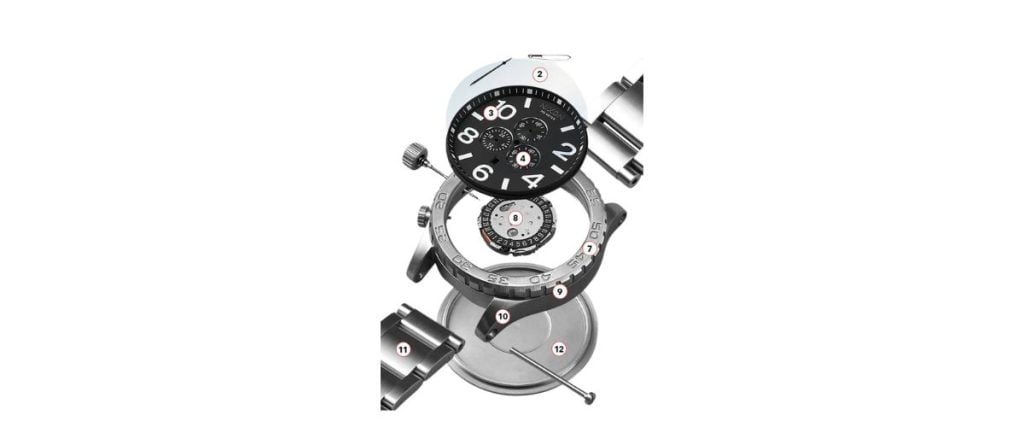
Let’s take a look at 14 of the basic components of a timepiece as I try my very best to keep it brief.

Case

The case of a watch is the component that houses the dial and movement of the timepiece. It can be made of an almost limitless variety of materials, although stainless steel is by far the most common. The case provides the structural rigidity of the watch and helps to aid in the robustness of the timepiece. 

Caseback

Working in conjunction with the case, the caseback seals up the back of the watch and protects the movement. The caseback is generally made of the same material as the case, but a sapphire crystal has become a popular style, allowing the user to enjoy the view of their new mechanical marvel in action. 

There are different ways for a caseback to attach to the case, with more basic watches utilizing a pressure fit, or snap-on, mechanism, while more robust watches utilize a screw-on method to help aid the water resistance.

Bezel

Almost every watch has a bezel, but there are 2 different types. The first is a plain bezel. This style of bezel almost appears to be a continuation of the case but is removed while replacing the crystal. The second type of bezel is a functional bezel. 

These bezels vary in function, with the divers style being the most popular, followed by the 12-hour GMT and Tachymeter scale for a chronograph. These bezels, whether fixed or rotating, serve a function for the timepiece.

Bezel Insert

If you have a functional bezel on your watch, it is very likely that you have a bezel insert. This insert is a replaceable component that provides the information that gives the bezel its functionality. 

This could be the 60-minute countdown scale on a dive bezel or the 12-hour markers for a GMT. These come in several different materials, with aluminum bezel inserts prevalent on watches prior to the 2010s and more durable ceramic bezels becoming a staple of both luxury and spec monsters alike.

Lugs

The lugs of the watch are what connect the case of the watch to the strap or bracelet. Although some watches have a lugless design, such as the ever-popular Apple Watch, most watches utilize lugs in their design. 

Although many consider lugs to simply be an aspect of the watch case, they deserve some attention as their own element. Watch lugs can strongly influence the wearing experience of your timepiece. A small diameter watch with long lugs will wear much larger than the case dimension suggests, think Nomos, while the opposite is also true, think Seiko.

Crown

The crown of the watch is often the part that we interact with the most on our timepiece. Often composed of the same material as the case, the crown is our direct connection to the watch movement via a watch stem. 

The crown presents itself as a small bump, often shaped like a crown with ridges, that will hang over the edge of the case. By pulling the crown, you will be able to set the time and, depending on the movement powering your watch, provide power to the movement of your watch.

Crystal

The crystal of a watch is our window to the dial, allowing us to tell the time. These are made of several transparent materials such as mineral glass on less expensive watches, sapphire on modern higher-end watches, or plexiglass on vintage or vintage-inspired watches. 

All of these materials have their different benefits, but they all serve the same purpose of allowing us to actually see the time while simultaneously protecting the dial from dust, debris, and impact (damn doorknobs!).

Dial

The dial of the watch is the plate that displays the information of the timepiece. These vary from very simple, such as the Tudor Ranger,  to breathtakingly beautiful, such as the Grand Seiko Snowflake. The watch dial is the backdrop to all of the information displayed on the watch, regardless of how simple or complex it is.

Hands

The simplest way to think of watch hands is that they are what tell the time. In reality, it’s not quite that simple. The hands are responsible for giving us information. That information is determined by the regulation of the movement but can come in many forms. 

By way of a pinion through the dial to the gears in the movement, the watch hands allow us to see what our watch is actually doing. Hands can vary from basic to beautifully finished and are often a calling card of a given brand or model.

Hour Indices

The hour indices are what give meaning to the hour and minute hands on a dial. These help to mark certain increments of time around the dial and give context to what these hands are actually pointing to. Hour indices can be printed, applied, or even cut out depending on the style of the watch. While applied indices are often sought after, when done right, any style can help elevate a timepiece.

Minute Track

While not present on every watch, a minute track can help to aid in the precision of a timepiece. A minute track follows the circumference of the dial and marks off 1-minute increments. This allows all of us watch nerds to properly set our timepieces to the exact minute as opposed to a guess. While not necessary for a timepiece, these, like the indices, help give further context to what the hands are presenting.

Subdials

More complex watches will feature information beyond just the time. Subdials are a simple way to present additional information to the user. These are generally cut out of the dial, or at least marked with a color change, and will feature their own hands, indices, and markings to help define the information being presented. These can vary from sub seconds counters all the way to chronographs or GMT indicators. 

Date Window

Love em or hate em, many watches have a date function on them. This date function allows their user to not only tell the time but the date as well. The date window is a cut out on the dial that allows the date wheel, which is attached to the backside of the movement under the dial, to display itself to the user. 

There are few triggers that will set off a watch nerd, I mean enthusiast, like the placement of a date, and is best to avoid bringing up while at watch meetups or in forums.

Strap

The strap is responsible for securing the case of the watch to your wrist. The strap can be integrated, such as the AP Royal Oak, or secured through the lugs. Many sports watches will come fitted with a bracelet composed of the same material as the case, while dress watches often come paired with a custom-crafted piece of leather. 

While many people will keep a watch on the original strap, the watch came on for its entire life, one of watch enthusiasm’s great joys comes in the form of swapping from one to another. While I love my watches on their original bracelet, I can’t help but throw them on a NATO strap occasionally.

Conclusion

So there it is; 14 definitions of common watch components. Are watches complex? Absolutely, but you don’t need to know everything about them to have fun. If you are just getting into the hobby, this list here is enough to make you dangerous. Happy watch hunting!
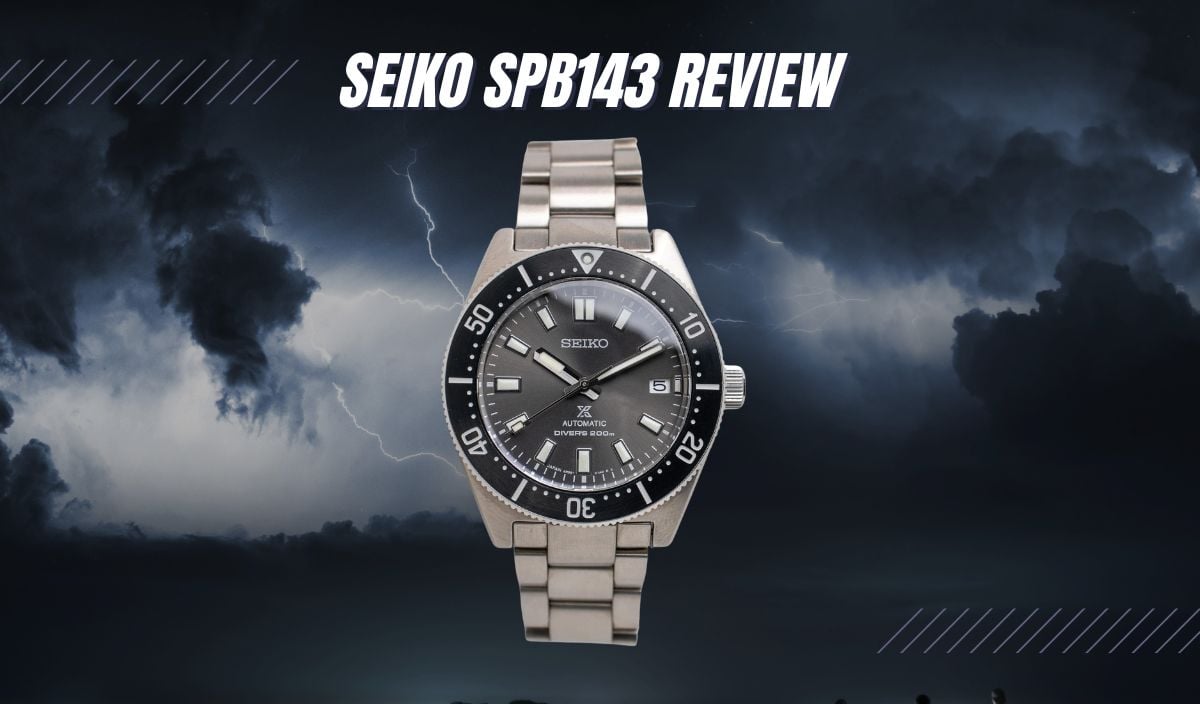
Seiko SPB143 Review

Seiko SPB143 Review – The Quintessential Seiko Diver

Jacob Strong

August 30, 2024

The year was 2020, and the vibes, as we used to say, were far from immaculate. The nation was paralyzed by the unknown while simultaneously infatuated with a man known as the Tiger King. 

As a watch enthusiast, I could hardly be bothered by the chaos of a global pandemic as I had my own crosses to bear (although I did get caught up in the Tiger King craze…..weird times!) I had important research to do! All of a sudden, “What watch would you wear in an apocalypse?” seemed a lot more pressing and a lot less hypothetical.

bot-only-imagebot-only-image

While searching for the piece that would accompany me through anything, I was immediately interested in a watch that would soon be released and set the watch world into a frenzy. The Seiko SPB143. 

It was far from the first time that Seiko released a reintroduction of their iconic 62MAS design, but it was the one that got it right. I immediately pressed pause on Netflix and did what any self-respecting watch enthusiast would do: I became obsessed!

A few months later, this watch was in my hands, and I was ready to go on some adventures, albeit socially distanced. Was this watch the perfect piece I dreamt it would be? Did I finally achieve Watch Nirvana and find my forever watch? Spoiler alert: No and no. Let’s take a look at this darling of the watch community nearly 4 years later and relive the journey.

About The Seiko SPB143

Before jumping into the recreation, we need to spend a little time appreciating the original. By 1965, many of the dive watches we know and love today were already in existence. The Blancpain Fifty Fathoms, Rolex Submariner, and Omega Seamaster had already solidified themselves as the premier tools for professional divers. 

At the same time, the Zodiac Seawolf, as well as many other Skin diver watches, had carved out their own niche in the recreational side of the growing dive community. 

Seiko introduced their first dive watch, model 62MAS, which provided 150M of water resistance and a 37mm case dimension. The Gray dial and black rotating bezel helped to give this watch a unique look against its black-dialed competitors, but in terms of Seiko Divers, this was a very uniform design. 

It wasn’t until years later that the signature 4 O’Clock crown and cushion cases of the Seiko watches we know today became prevalent. The 62MAS is where it started, and if you are looking for a Seiko dive watch that looks and feels familiar, this is the design you’re after.

Case & Materials

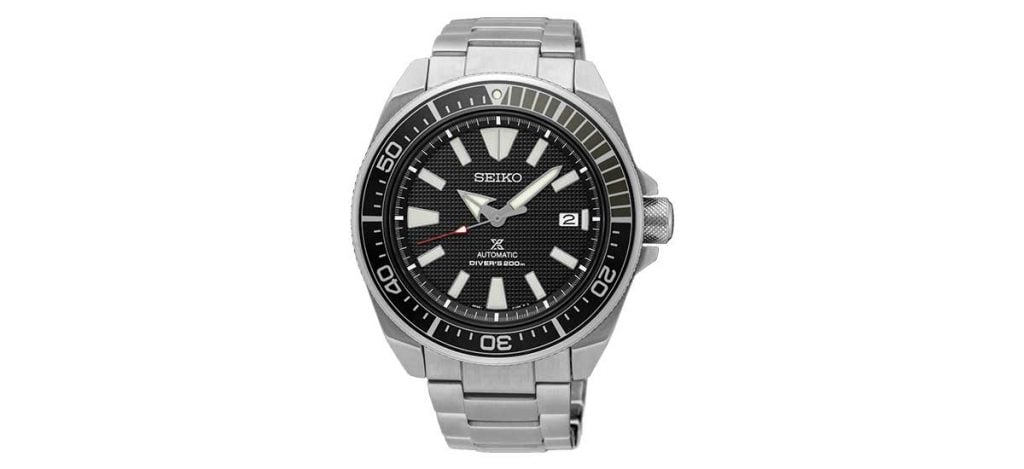
The Seiko SPB143 is a 40.5mm dive watch closely resembling the color scheme of the original 62MAS. The Gray dial and 120-click black steel bezel help to give this watch a neutral color scheme that, outside of a formal event, never feels out of place. The look and dimension of this watch are what set it apart from previous iterations.

4 years ago, a modestly sized Seiko dive watch was a bit of a unicorn, especially at 13.2mm thick and 47mm lug to lug. Although slightly behind the trend of competitors like Tudor, this is the watch that opened up the likes of other small wrist-friendly watches, such as the SPB313.

Movement

The movement of the SPB series of watches is the Seiko 6R35, an In-House movement featuring a 70-hour power reserve and a surprisingly wide range of acceptable daily variance at -15/+25 seconds per day. 

I have owned several Seiko watches featuring this movement, and my feelings are somewhat mixed. If you are coming from a Sellita or ETA comparable movement, the accuracy will feel like a bit of a disappointment. What you lose in accuracy, however, you more than make up for in robustness. 

This movement is the epitome of a workhorse and will more than likely outlive you with even the slightest of care. Given the apocalyptic scenario, this criteria seemed far more important than a few seconds of accuracy at the time.

Dial

Adorning this watch, you will see Seiko’s legendary LumiBrite lume and dial finishing much more fitting of a watch 2x or 3x the price. The polished indexes are accented by baton-style hands featuring both mirrored and brushed finishes. The case finishing feels more industrial than something like what you would find with a Black Bay from Tudor. 

The Diashield coating provides an extra layer of protection, ensuring that, unlike the Black Bay, this Seiko will look this great 6 months or even 6 years down the line. The 200M of water resistance and date, either with or without lume plot given the year of production, ensure that you have an ISO-Certified dive watch capable of far more than 99.9% of us will ever throw at it.

Strap Options

The watch was originally sold with a solid stainless steel bracelet featuring the Diashield coating and a large diver’s extension. Combine this with the fact that the bracelet hardly tapered and had a very slight gap where the end link met the lugs, and I’d say this is where Seiko took a slight shortcut. This bracelet is usable and certainly better than anything you’d see on a Seiko dive watch from 5 previous, but it fell kind of flat for a $1,200 watch. 

Thankfully, this can be easily remedied with a cheap spring bar tool and one of the thousands of great NATO, rubber, or even leather straps (I’m not judging….just kidding, of course, I am judging). There are even several third-party bracelets with fitted end links that, although the color will be ever so slightly lighter, thanks to the lack of Diashield, fix a lot of the concerns with the OEM bracelet.

The Seiko SPB143 is a watch that I feel everyone needs to try. Is it perfect? Far from it. But will it make you question whether or not you need to spend more on a watch? I think it will. The level of watch sickness you find yourself inflicted with will determine if that feeling is fleeting or not. 

If you are looking for a tool watch that will be there through thick and thin and become a partner in your everyday adventures, the SPB143 will be hard to beat. If you are looking for a watch to help substitute the desire for another watch you have had your eye on, this will more than likely fall short of those expectations (in all honesty, even the watch you have had your eye on will fail to meet the unrealistic expectations we often put on them).

Should You Buy A Seiko SPB143?

Let’s pick back up with my story. Tiger King has been resumed, and I am back living my day-to-day life, albeit with a face mask and a newfound case of paranoia anytime someone comes near me. 

The Seiko SPB143 is accompanying me on most of my adventures (hiking, kayaking, biking, day drinking, all of the hobbies I excelled in during the pandemic), and for the most part, I was happy. If you keep this watch on your wrist and forget about it, it’s hard not to love. 

Unfortunately, this is where my story takes a turn from the happily-ever-after I expected. I found a new watch. This new watch had a better movement, slimmer proportions, a significantly better bracelet, and its own 2020 hype moment. 

That watch is, of course, the Black Bay 58 with the new blue dial. I foolishly thought that there was a world in which both of these beautiful dive watches could exist in my 3-watch collection. As it turns out I was wrong. 

I found myself favoring the Tudor for most of my adventures, and my one prized Seiko suddenly started collecting dust. Maybe it was the 3x price of the Tudor that made me feel as though I had to wear it, or perhaps it was just the fact that it solved many of the minor faults I found in the SPB143. Either way, a few short days later, I no longer owned what I once considered the perfect Seiko.

So, if it wasn’t for me, who exactly is the Seiko SPB143 for? This watch is an incredible option for someone looking for a watch with which to experience life. If the adventure is more important than the watch’s accuracy on your wrist while you do it, then you’ll love the watch’s robustness. As much as I wanted to be this type of enthusiast, I simply fell short. 

Seiko SPB143 Alternatives

When it was released in 2020, the SPB143 was a game changer. Its modest but thoughtfully considered design made the case and dial feel premium for a watch of $1,200. There was almost no competition or alternatives to consider. A lot has changed in four years. 

Japanese rival Citizen has introduced their own compact and robust dive watches, while the Swiss have managed to produce some great affordable alternatives thanks to the power of the Swatch group. As it turns out however, the Seiko SPB143’s greatest competition comes from within in the form of other Seiko dive watches.

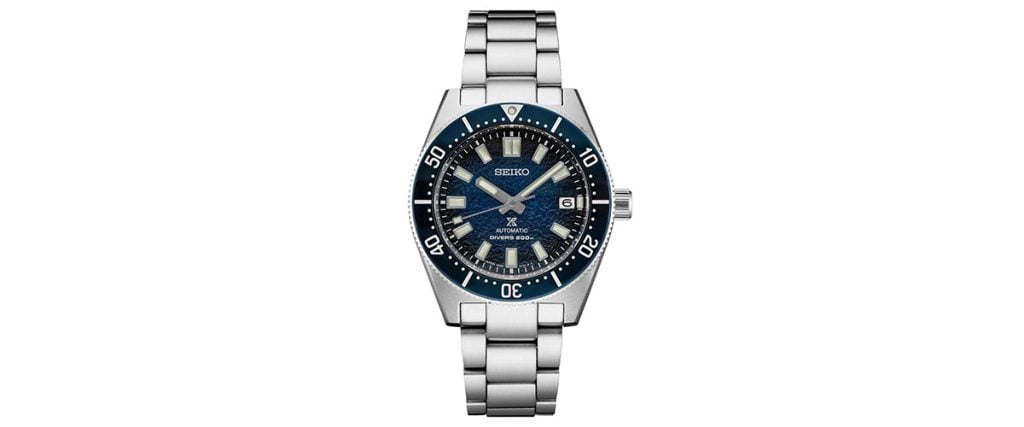
Seiko Prospex SPB421 1965 Diver’s Modern Re-Interpretation U.S Special Edition

Seiko Prospex SPB421 1965 Diver's Modern Re-Interpretation U.S Special Edition

In watch enthusiast circles, Seiko is known for doing 2 things extraordinarily well. First is creating stunning watch dials at affordable prices, and the second is releasing limited edition watches. Thankfully, with the SPB421, Seiko leans into both of their strengths to deliver a watch that is fundamentally the same as the SPB143, yet so different. 

The textured blue dial was designed to pay homage to the icy surface of the Alaska Moulins, which may or may not make you feel a certain way. If the creative marketing team at Seiko doesn’t have you sold, the Grand Seiko inspired textured blue dial certainly will!

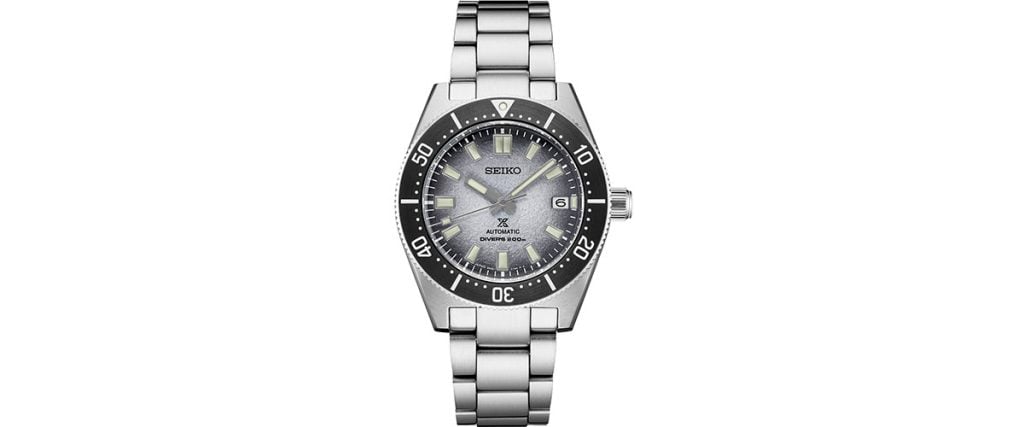
Seiko Prospex SPB423 1965 Diver’s Modern Re-Interpretation U.S Special Edition

Seiko Prospex SPB423 1965 Diver's Modern Re-Interpretation U.S Special Edition

Blue not your color? The Seiko SPB423 delivers the same functionality as the Seiko SPB143, with the dial texture of the previously mentioned SPB421, but delivers it in a stunning light to dark gray gradient dial.  If you love the functionality of the SPB143 but want a dial that provides a more interesting finish while still remaining neutral, this may be the version you are after.

Seiko Prospex SPB453 1965 Heritage Diver’s

Seiko Prospex SPB453 1965 Heritage Diver's

In 2024, Seiko did something that very few watch enthusiasts saw coming. They provided a refresh to the 62MAS reintroduction of their Prospex line. The new SPB453 is very similar to the SPB143 line while sporting a more discrete 4:30 date window and a traditional black dial and bezel combo. The case is slightly reduced down to 40mm, while the lugs are slightly shorter, and the thickness is dropped down to 13mm. You’d be hard-pressed to pick the two apart in a lineup. That is, of course, until you slap the watch on. 

The stock bracelet, while not perfect, is a significant update and solves many of the minor annoyances with the original. If you are in the market for a Seiko SPB143 but want the most current spec with a refined execution, the SPB453 is an excellent option.

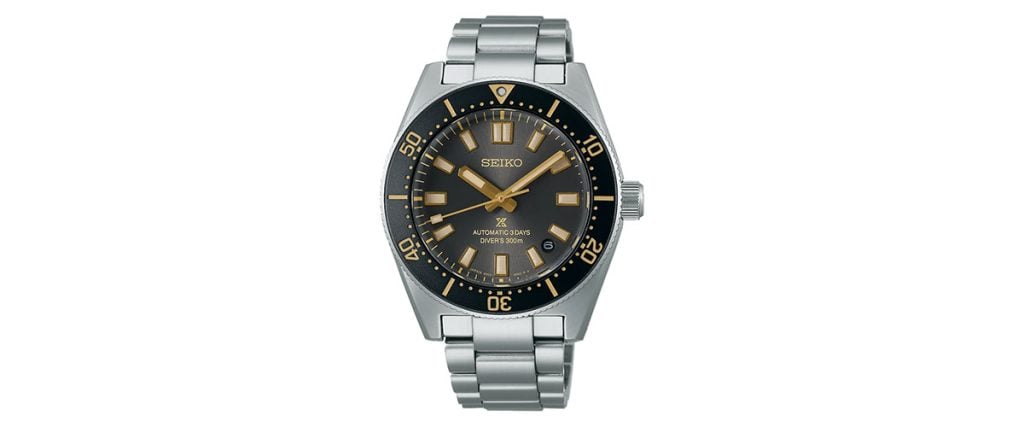
Seiko Prospex SPB455 Seiko Brand 100th Anniversary 1965 Heritage Diver’s Special Edition

Seiko Prospex SPB455 Seiko Brand 100th Anniversary 1965 Heritage Diver's Special Edition

Thanks to Seiko’s unwavering commitment to provide a dive watch for every watch enthusiast regardless of their personal style preference, we have the SPB455. This watch carries over all of the refinements of the previously mentioned SPB453 but adds a touch of gilt, and the dial and bezel are slightly muted to a gray charcoal color. There is no doubt that this iteration has its sights set directly on the original Tudor Black Bay 58, and given the price savings, it is certainly a worthy competitor.

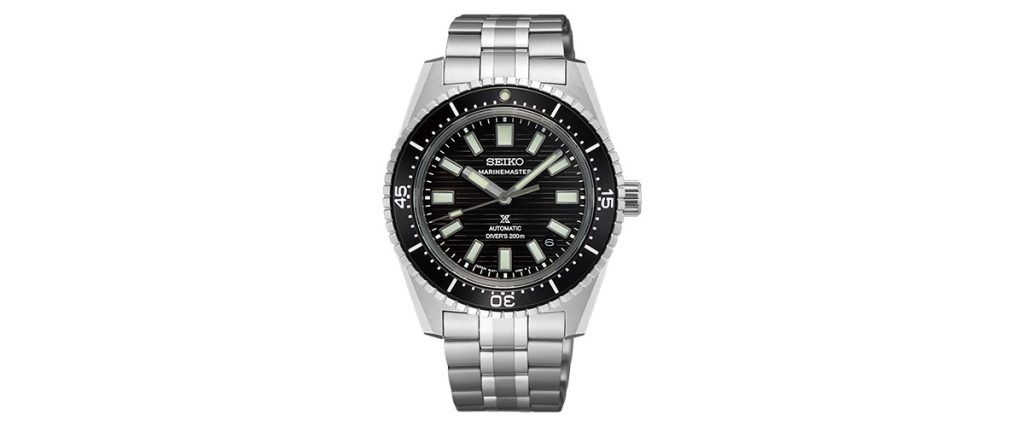
Seiko Prospex SJE101 Marinemaster 1965 Diver’s Modern Re-interpretation

Seiko Prospex SJE101 Marinemaster 1965 Diver's Modern Re-interpretation

The Seiko SJE101 Marinemaster is the most interesting 62Mas reintroduction produced today. The refined styling matches more closely to a Rolex Submariner, While the pricing, at roughly $2,800, is a little more than 2x the SPB series and significantly less than anything produced by Rolex or even Tudor for that matter. 

The 6L37 movement powering this watch is a nice improvement from the 6R35 in the SPB143, but the accuracy is still noticeably behind anything produced by Hans Wilsdorf and company. If you look past the accuracy of the movement, this watch may be the biggest sleeper entry-level luxury watch on the market today!

Conclusion

So, there you have it! A long-winded recap of my adventure-ready watch, along with a few alternatives that certainly would have piqued my interest if they were around in 2020. The SPB143 is still a watch that I would recommend to any watch enthusiast. It is uncomplicated and really good at what it aims to be good at. 

The details that pushed me away from Seiko and into the arms of their Swiss rivals are trivial to most people, especially those with more sense than money. Thanks to my unnecessary Tudor upgrade, I have proven myself to no longer have either of those!

Happy watch hunting!
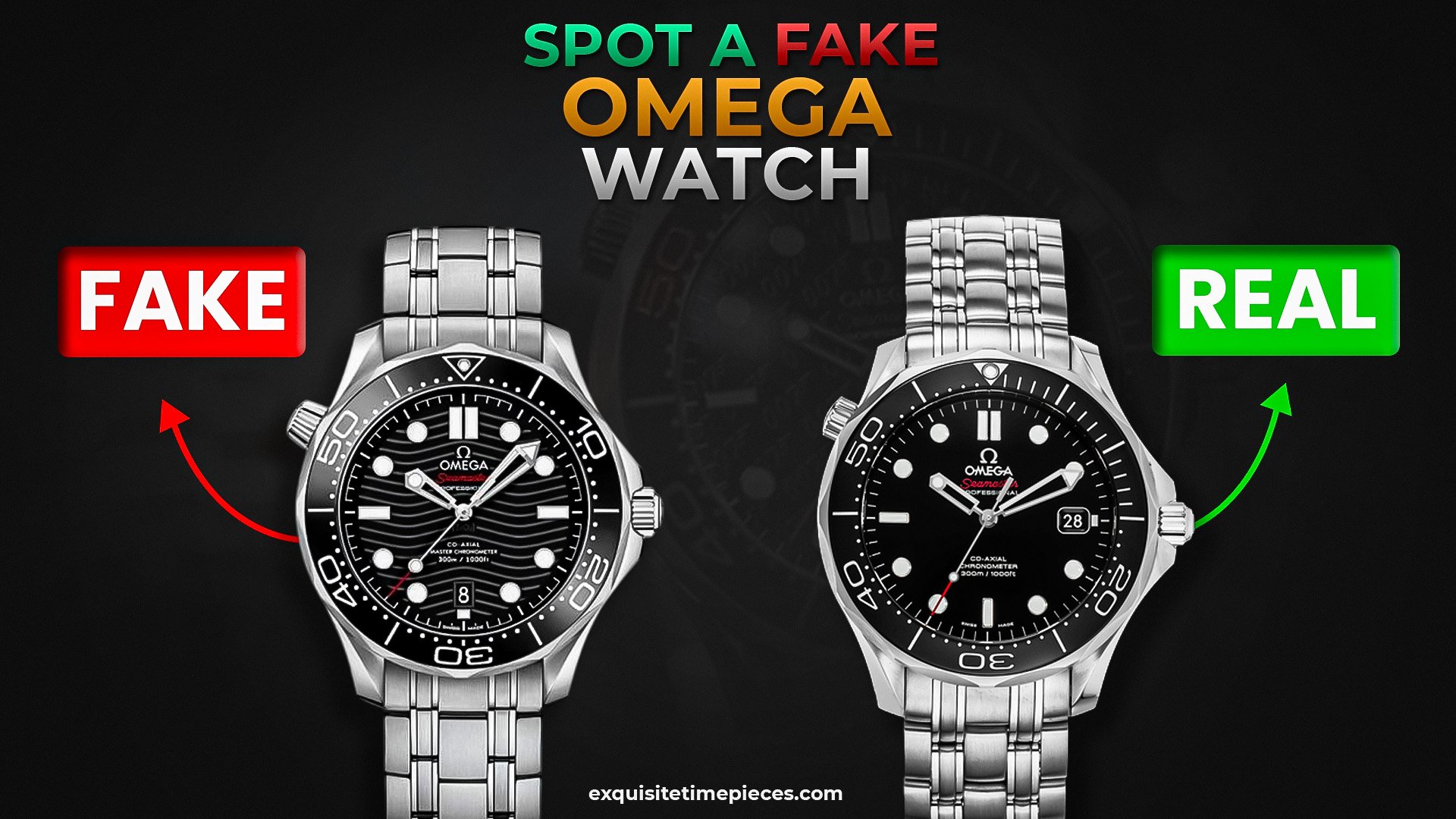
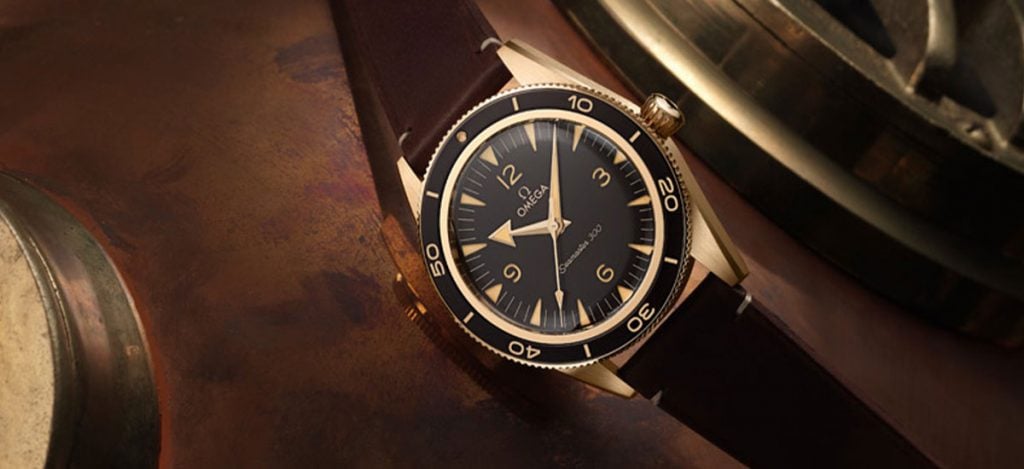
Imagine that you’re a new watch enthusiast. You have fallen in love with that Omega Seamaster 300 you saw strategically posed on Instagram and know that you need to have one. Being new to the game, you probably haven’t quite reached the levels of delusion allowing you to believe that $5000 plus on a watch is a “great value”, so it’s time to start searching everyone’s favorite auction site searching for the deal of a lifetime. 

You’re armed with a little bit of knowledge and a lot of eagerness to be the next one to post a “New Watch Alert” in your favorite Facebook group. After a few weeks, you’ve found it! You’re almost shaking with excitement as you find “the deal of a lifetime” and can’t put your payment information in fast enough.

bot-only-imagebot-only-image

After a few minutes, the rush of excitement has likely subsided, and you have come off of cloud nine and returned comfortably to reality. Did you really just score a like new Omega Seamaster 300 for 1/3 of the MSRP because the seller “needs to sell ASAP”? 

As reality settles in, you probably start doing what many of us would do in this situation. Frantically researching to see if you genuinely scored a deal or just learned a very expensive lesson.

Although this scenario plays out several times a day amongst several brands in the watch industry, we will specifically take a look at Omega and what to look for to avoid the pings of regret that this hypothetical new enthusiast is feeling right about now.

Why Are There So Many Fake Omega Watches?

About omega watches

With a history dating back to 1848, Omega is one of the most prestigious luxury watch brands in the industry. In terms of iconic models, few watch brands come anywhere near what Omega has been able to accomplish. 

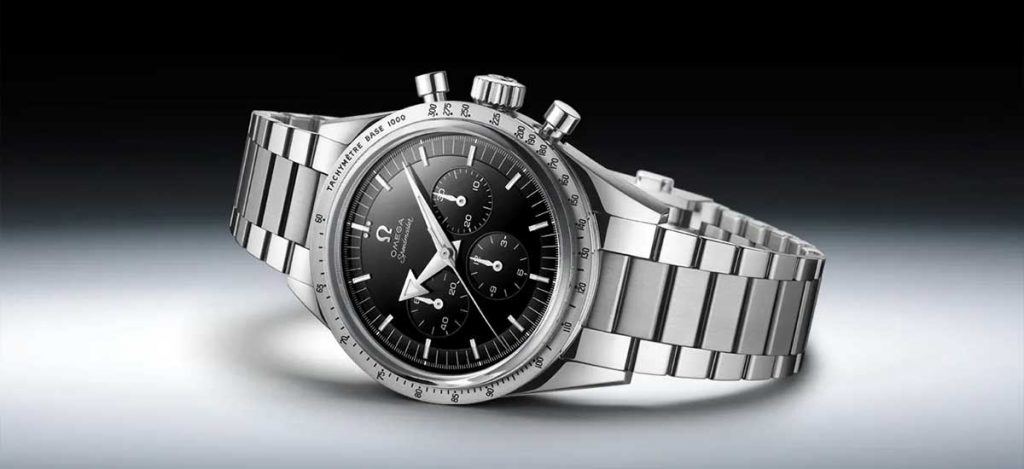
In particular, the Seamaster and Speedmaster lines have become synonymous with luxury watch design and are often victims of homage timepieces taking subtle (or not so subtle) inspiration from their design. There is a point where this flattery crosses the line, and for many people, that happens with the name on the dial. 

If there is money to be made on the name of a product, there is someone illegally using that name to make a profit. There is no shortage of brands assembling watches and placing luxury brand names on the dial. These range from comically poor design and quality, to 1:1 super clones that require a very highly trained eye to determine the real from the replica. 

8 Ways to Check Omega Watch Authenticity

Omega Brand Overview

We are going to focus this list on the super clones. From a picture, or sale listing, they look great, but how can we separate a luxury timepiece from one of the most prestigious brands in the industry from a piece of counterfeit trash? Get your loupe out; we’re taking a deep dive into the details of this one.

Serial Number

Depending on how good your eyes are, you might not need the Loupe just yet. The first thing to look for is a serial number on your Omega watch to verify authenticity. This serial number will be 7 to 8 digits and etched into the backside of your watch’s lug.

If you purchased a watch with the box and papers, these numbers should match. Just because a timepiece has a number etched into the lugs with matching paperwork does not always mean it’s authentic. A great next step will be to perform a simple Google search with the serial number on your watch.

Counterfeiters often produce an entire run of models using the same serial number to save cost, and you will see others listed for sale. These serial numbers are unique to the watch. If you find another one, it is almost certainly, unless you’re the unlucky owner of the original serial number that has been counterfeited, not an authentic watch (this is why you should never post a picture of your serial number).

Dial Printing

One of the most challenging and often overlooked characteristics of a watch is the printing on the dial. Whether it is just the chapter ring, or also the logo and branding or specifications, crisp and straight dial printing are hard to perfect (Just ask Seiko! Only kidding…sort of).

If you take out your jeweler’s loupe and closely inspect the dial, you should see very crisp printing with even spacing and perfectly level placement. If it looks less than perfect, you should be suspicious. Any brand can make a mistake (just look at Rolex with their double 9 Rolex Explorer), but Omega is one of the absolute best regarding these details.

Date Wheel

One of the most often ignored areas, even by the counterfeiters with the highest standards, is closely related to the dial printing. Even the best dial printing counterfeiter seems to haphazardly throw a standard date wheel in their watch 99/100 times.

An authentic Omega watch is going to feature a date wheel that is perfectly aligned and spaced properly over the entire date window. Much like the printing on the dial, the replica will not look anywhere near as crisp as what you should expect to find with a genuine Omega. These details are subtle from a distance, but with the help of your jeweler’s loupe are figuratively and literally magnified.

Solid Construction

If you have ever owned or tried on an authentic Omega watch, one thing that truly stands out is just how solid the construction is. Everything is machined to such a tight tolerance, and there is no doubt that you are wearing a luxury timepiece on your wrist.

Despite having some visual similarities, most replicas really lack that same feeling of heft on the wrist.  Many of them are constructed decently, but it would be like comparing an entry-level Hamilton to an Omega. There are less precise tolerances, and the watch naturally loses some of that heft on the wrist.

There is nothing wrong with the construction of a watch like a Hamilton, but as much as enthusiasts love the brand, there would be more than a few eyebrows raised if they tried to price their timepieces in the same range as Omega, as many replicas are trying to do.

Case Finishing

Another area Omega is known to excel in is that of case finishing. Few brands can match the crisp transitions of brushed to highly polished, like Omega. Compared to an authentic Omega, a replica will have a much softer transition of brushed to polished surfaces. 

When viewed on its own, it may appear well done and crisp, but compared side to side, the differences become much more apparent. The brushed surfaces will generally have a more aggressive brushing having ever so slight brush lines that you can detect with the very scientific fingernail test. The polished surface will likely not be as uniform and reflective as what you find with an authentic example either.

Movement Design

One of the hardest areas to replicate for a counterfeiter is the engine powering the watch. Many replica watches will feature a replica ETA 2824. These movements have a very generic finish that does not match the type of finish you would find on an authentic model. 

Some higher-end counterfeiters will take things up a notch and replace the rotor with a similarly finished one. When looking through an open caseback, the movement will appear to be OK but spin the rotor out of the way, and the movement quickly reveals its secrets. 

Movement Technology

One thing that is incredibly hard, if not impossible, for counterfeiters to replicate is brand-specific movement technology, such as the Co-Axial escapement featured on most of Omega’s modern watches. Unless you are very familiar with watchmaking, I’d leave this next level of identification to a professional watchmaker. 

When opening up the watch and inspecting the movement, a trained watchmaker can quickly tell if the movement utilizes a Co-Axial escapement or just a dressed-up Swiss Lever escapement looking to play the part.

Trusted Seller

Of all of the things to look for on a watch to ensure authenticity, there is only one that is guaranteed to work. Counterfeiters are continuing to get better and better and are actively working to improve on the differences we have already pointed out on this list. 

There is one thing counterfeiters will never be able to do, though, and that is to get their watches into an authorized Omega dealer. If you purchase from a trusted authorized dealer, you are guaranteed to have an authentic timepiece. 

If your budget restricts you from purchasing brand new, take a look at their pre-owned inventory. If a watch shop is an authorized Omega dealer, you can rest assured that their preowned examples are also authentic. 

The further your seller dilutes themselves from the original Omega source, the higher the risk is for you as a buyer. This is not to say that you shouldn’t trust any seller that is not an authorized dealer, just that you need to accept the fact that extra effort is required on your part to verify the piece you are looking to purchase is genuine.

Conclusion

If you are lucky enough to be considering a new or preowned Omega watch, congratulations! You are truly going to love your new timepiece. If you’re still saving and able to delay the gratification of the “New Watch Alert” post for a little while longer, save up until you can buy from a trusted source. 

If you find a watch that seems like a good value and passes the guidelines we have presented here, spend a couple of extra dollars to have the watch authenticated by an authorized Omega dealer, preferably before you separate from your hard-earned cash.

That nominal fee will be worth every penny, whether it gives you peace of mind or prevents you from making a costly mistake. If you are browsing watches and find something that looks too good to be true, it probably is! Regardless of how cheap you are, don’t be tempted by the possibility of being able to score the deal of a lifetime due to someone else’s ignorance or need to sell something ASAP. 

In this day and age, nobody is ignorant enough to list something without first doing a google search or impatient enough to give up thousands of dollars for the sake of selling a few hours sooner (you can price a watch aggressively to sell and not necessarily give it away). 

Sometimes it’s obvious what we should avoid; other times, even seasoned collectors can end up bamboozled. If you do your research and follow these guidelines, you can ensure that you are enjoying an authentic Omega watch and greatly reduce the risk of making a costly mistake.

Happy watch hunting!
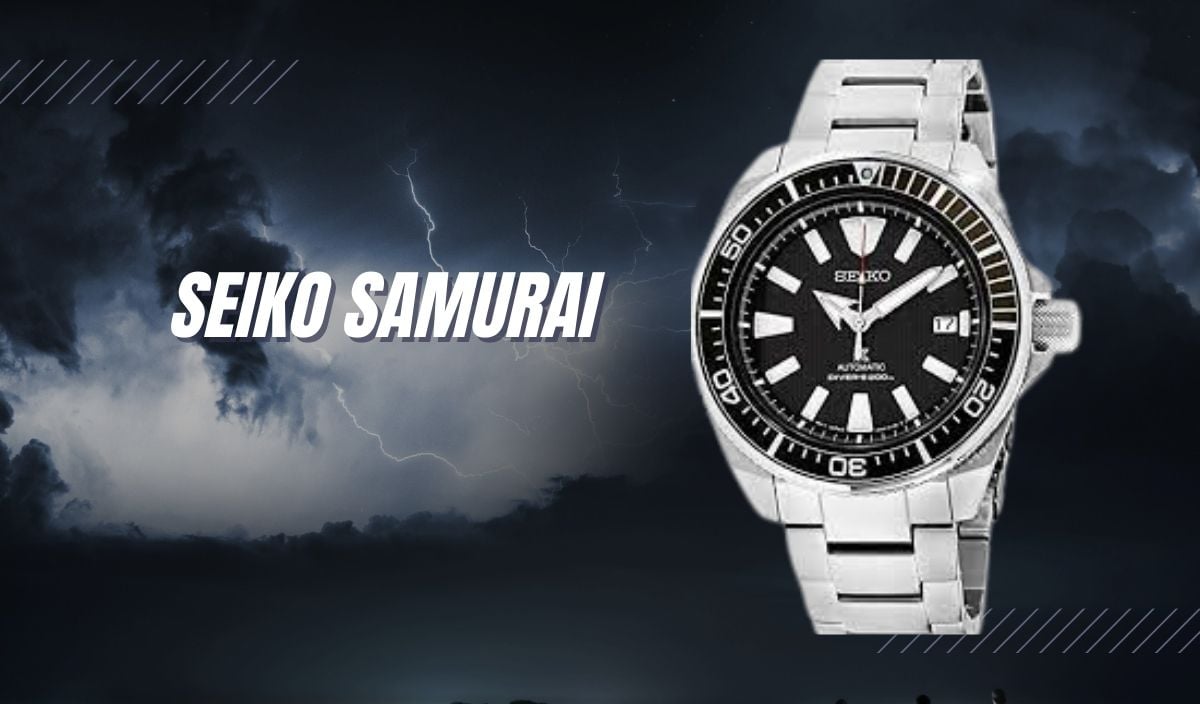
Seiko Samurai

With all of the bells and whistles watch enthusiasts have become accustomed to over the years, it’s easy to overlook the fact that some watches really were designed simply as tools. In reality, the beautifully finished cases and in-house movements we all drool over are as superfluous as any grand complication when it comes to actually telling the time.

Thankfully, we are spoiled for choice and free to choose our own adventure when it comes to watch collecting. There is one brand, though, that manages to offer many of these more luxurious features at a price that won’t make you think twice about actually using it as a tool. That brand is Seiko.

bot-only-imagebot-only-image

When it comes to a product range, you’d be hard-pressed not to find something in almost any category or price range from Seiko. Whether you are looking for an impeccably finished tourbillion in the form of the Grand Seiko Kodo Constant-Force or an everyday beater suitable for any enthusiast in the 5kx line, Seiko has you covered. Despite the wide range of Seiko’s current offerings, their bread and butter is still value-packed dive watches.

There was a time, not that long ago when these affordable dive watches packed even more of a punch. One great example of exactly what Seiko was, and currently still is, capable of producing is the Seiko Samurai. Let’s take a deep dive into this watch and see what makes it so special and such a unique option in the Seiko product range.

Our Top 3 Picks

Big Bang Unico Green Saxem

Seiko Prospex

SRPB51

  • Stainless Steel
  • 43.8mm
  • Automatic
Big Bang Unico Green Saxem

Seiko Prospex

Padi SRPB99K1

  • Stainless Steel
  • Automatic
  • 43.8mm
Big Bang Unico Green Saxem

Seiko Prospex

SRPE37

  • Stainless Steel
  • Automatic
  • 43.8mm

History of the Seiko Samurai

The early 2000s represented the peak of value for money for many of Seiko’s dive watches. Their ability to produce high-quality watches at scale (and forget to account for inflation or relative comps) allowed Seiko to be the true king of value around this time.

In 2004, Seiko released a new watch design, one that would continue to provide exceptional value for money, with a unique case shape and robust 7S25 In-House movement. This watch was the SBDA001. A titanium watch featuring a brutalist design with sharp angles that helped to give this watch a unique aesthetic among the Seiko collection.

As you might have guessed, this watch would later become known as the Seiko Samurai. The nickname came to fruition from enthusiasts (we’re the best at naming timepieces) and was based on the shape of the first-generation hands. Their pointed shape shared a resemblance to the ancient swords used by Samurai, albeit straight, as opposed to the traditional curved shape of a Samurai sword.

Although modern examples of this watch feature an updated large arrow handset, the Samurai name continues to represent this model. Some will argue that the case shape still resembles the traditional armor of a Samurai, therefore justifying its nickname, but I am not fully sold on that comparison. Either way, it’s a great nickname and isn’t going anywhere.

About the Seiko Samurai

Given Seiko’s wide range of entry-level professional divers, you’d be excused for not knowing what separates the Samurai from other options in the line-up, such as the Turtle or the Monster. The Seiko Samurai shares many similar features with these models but also has some stark differences that help to differentiate it.

For starters, this watch has a very modern appearance. Gone are the soft curves of the Turtle and 5KX that were influenced by decades of previous models. The Samurai features sharp downward-sloping angles at the lugs and a trapezoidal profile. The watch is accented by a gnarled crown and bezel that help increase grip and add to the modern design aesthetic.

The Seiko Samurai is a big watch, given the larger case diameter of 42-44mm and 3 O’clock crown placement. Because of the unique case shape, the Samurai wears larger than even the 45mm Seiko Turtle. Depending on the model, these watches are made of titanium or stainless steel, feature Seiko’s proprietary Hardlex crystal or Sapphire crystal, and have either ceramic or aluminum bezel inserts.

Regardless of the many options available in the lineup, every Seiko Samurai will be an ISO 6425 certified Dive Watch rated to 200m of water resistance.

Seiko Samurai vs. Seiko Turtle: How Do They Compare?

The Prospex watch line has made bold and innovative design choices to boost Seiko’s diver catalog. Both the Samurai and the Seiko turtle are a part of this prestigious family, but how does one compare against the other? Given that both of these watches come from the same family, the differences are minor, but with that being said, when looking at them side by side, the Samurai carries a very modern edge that sets it apart from the Turtle.

The Samurai case is stylish and angular, and the dial hands carry an industrial flare. The Turtle follows a more classic approach, with its thick, turtle-shell-shaped case holding most of the weight and being the feature that is most likely to attract your eye.

The watches measure the exact same, but the Turtle seems to have a larger presence on the wrist, which will either deter or attract certain wearers based on their preferences. Personally, I like the style of the Samurai a little bit better, but the Turtle is not without its appeal, and being that these watches are both so similar and share so many traits that siblings often do, if you’re a fan of one you will most likely be a fan of the other.

Is the Seiko Samurai Worth Buying?

Based on everything we know about the Seiko Samurai, the question of whether you should buy one or not will really come down to you. To be clear, I think that every watch enthusiast should own at least 1 Seiko dive watch. That is not exactly the question, however. Whether or not this is the model line worth buying for you will depend upon a few different criteria.

Wrist Size

First is your wrist size. As mentioned earlier, 44mm for the current model range is a huge watch by today’s standards. The distinct case shape does not allow Seiko to use their usual magic to make a watch wear 3 to 4 millimeters smaller either. You need to have a larger-than-average wrist circumference or really like how a large watch feels and looks to wear this watch regularly.

Budget

The second factor is budget. The standard model Seiko Samurai, SRPB51, retails for roughly $525. That puts this watch in a unique place. It’s more expensive than 5KX of dive-inspired watches but quite a bit lower than watches in the SPB line. If your budget falls right in that $500-$600 range, you can’t do much better.

On the other hand, if you could afford to stretch to the SPB line, there are some very compelling options within that lineup that offer more refinement for your money. If you like to collect watches, rare Limited-Editions, and pseudo-vintage models and don’t mind spending the SPB level $800-$1200, however, the Seiko Samurai can provide something the current SPB line cannot, history and rarity.

The Best Seiko Samurai References

Assuming that your wrist is up to the challenge and that the Seiko Samurai price range coincides with your budget, I feel this watch is worth your hard-earned money. There are many different options that you can look at. Pre-owned earlier generation models, Limited-Editions, standard product models, and even “King Samurai” options can help you narrow down to exactly which watch is right for you. Let’s take a look at 8 examples of Seiko Samurai watches that are absolutely worth your money!

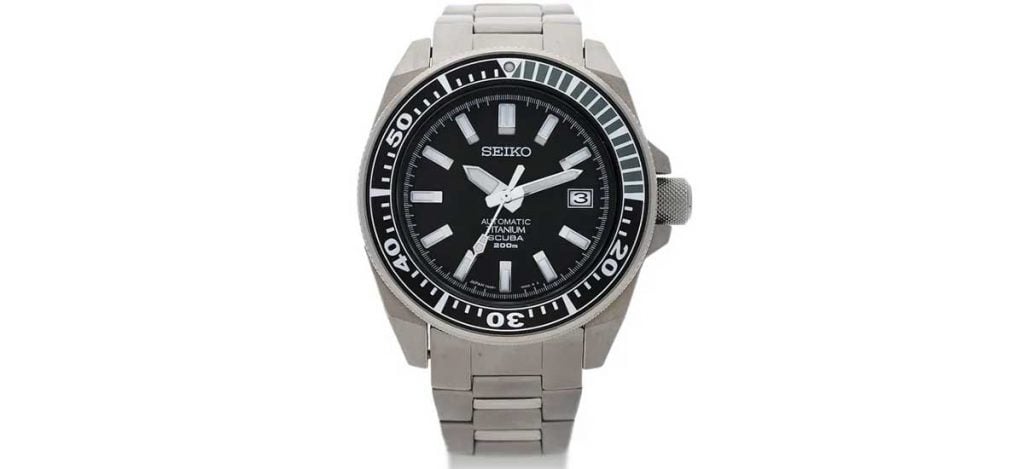
Seiko SBDA001

Seiko SBDA001

It only makes sense to start this list at the very beginning. The SBDA0001 is the original Seiko Samurai. The watch featured a more compact 42mm case size housed in lightweight titanium. As mentioned earlier, the handset on these first-generation models was shaped like a Samurai sword, ultimately leading to their enthusiast-given namesake.

The dial features a charcoal gray color reminiscent of the original dive watch Seiko produced, known as the 62MAS. The gray and black aluminum bezel insert helps modernize the appearance of the otherwise classic dial. These first-generation models were powered by the 7s25 movement, which made hacking and hand-winning impossible for these original models.

The mechanical upgrades to the modern Seiko Samurais are certainly a welcomed addition, but there is so much that Seiko got right with these original models. The slightly smaller 42mm case housed in titanium would send shockwaves amongst the Seiko enthusiast community if reintroduced today.

Although bordering on vintage these days, you can still find these models pre-owned for roughly $800-$1000. There is a significant premium for this watch over its original MSRP, but being the first of an iconic model still in production will have that effect.

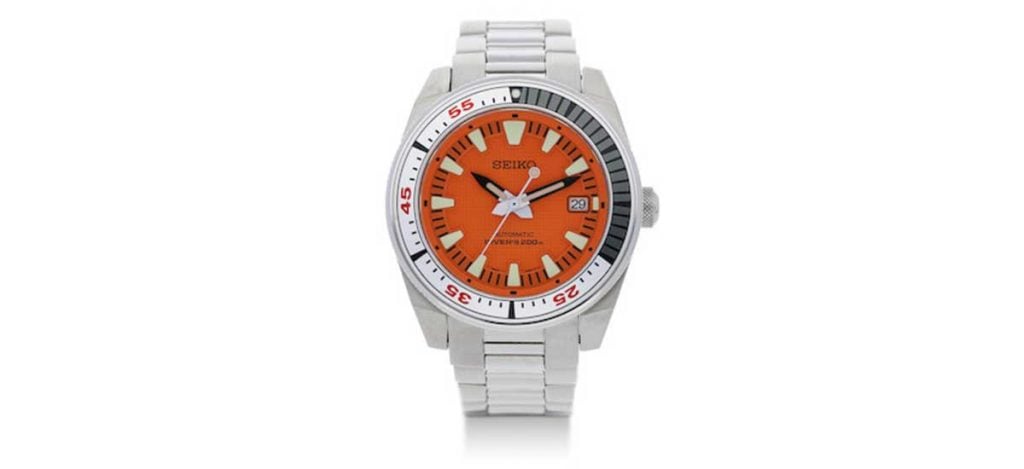
Seiko SNM021

Seiko SNM021

Another watch from the first generation, the SNM021, known as the Orange “Ninja” Samurai, gives a unique perspective on this already distinct watch. One main change from the standard production is that this case is constructed from stainless steel.

I am not in love with that decision, but it does help to differentiate it from the standard production model. In addition, the standard black and gray color combo is replaced by a vivid orange dial and gray bezel with red accents. With this watch being an international-only release, pre-owned examples are quite hard to come by. When they do pop up, you can expect to pay roughly $800-$1200, depending on the condition.

The following 4 examples come from the second generation of Seiko Samurai models introduced in 2017. These models benefit from an upgraded movement in the 4R35, allowing for hacking and hand-winding. In addition to this change, these models’ cases have been bumped up to 43.8mm and are all made of stainless steel. The Sword-style handset has also been “upgraded” to the large arrow-style hand many associate with the Seiko Monster.

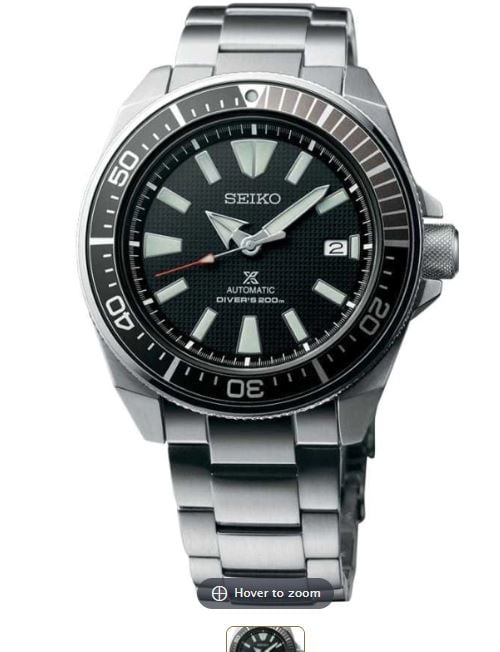
Seiko Prospex SRPB51

Seiko Prospex SRPB51

The SRPB51 is the standard issue black waffle dial. This unique dial texture helps to give this watch additional visual interest while remaining very neutral. The gray and black aluminum bezel insert from the SBDA001 remains largely untouched and compliments this watch nicely.

The Seconds hand features a red tip, which helps break up the monochromatic color scheme on the dial and bezel. The SRPB51 is still readily available at many retailers at an MSRP of $525. Given that this watch has been around for a few years, there is an opportunity to save even more if you are willing to take a chance on the preowned market.

Seiko Prospex SRPB09

Seiko Prospex SRPB09

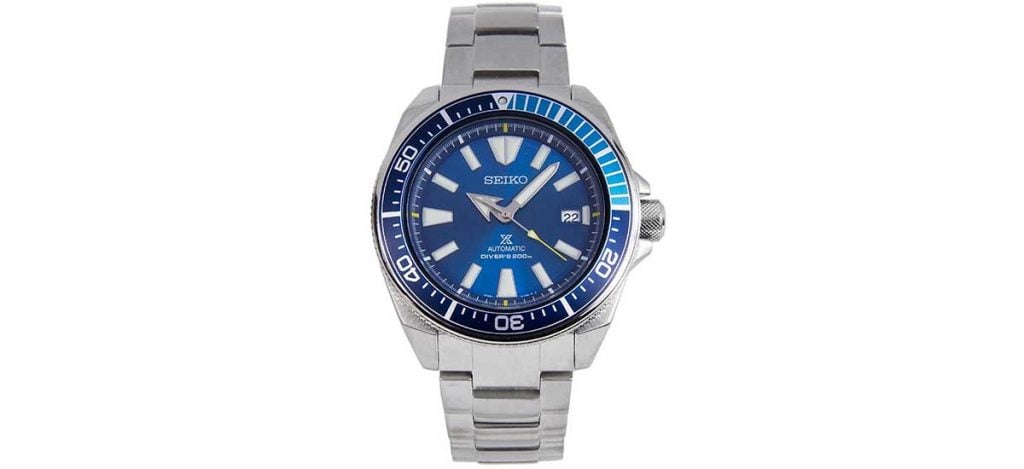
One of the most popular models to come out of the second generation of Seiko Samurais is that of the SRPB09, known as the Blue Lagoon. The deep blue sunray dial with accenting light and darker blue bezel are the highlights of this watch and share responsibility for the affectionate nickname of the Blue Lagoon.

The dial and handset also feature bright yellow pops, a color combination you don’t often see. This 6000-piece Limited Edition watch is no longer available at MSRP but can still be found on the grey market for $800-$1200.

Seiko Prospex SRPD13

The “Zimbe” edition of Seiko watches are often some of the most sought-after and collectible Limited Editions available. One of their more reserved variations comes in the form of the 1300-piece Limited Edition SRPD13. This watch features a very similar dial and handset to what can be found on the SPB143, with well-placed accents of red.

The seconds-hand is entirely red, while the bezel consists of both red and gray to compliment the aesthetic. The more subtle handset and pops of color make this watch my personal favorite on the entire list. With the smaller production size, this watch will be a little bit harder to source. If you are patient, however, pricing should be similar to the Blue Lagoon at $800-$1200.

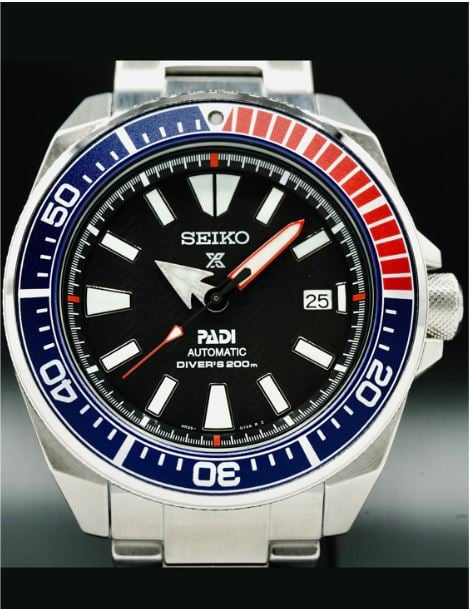
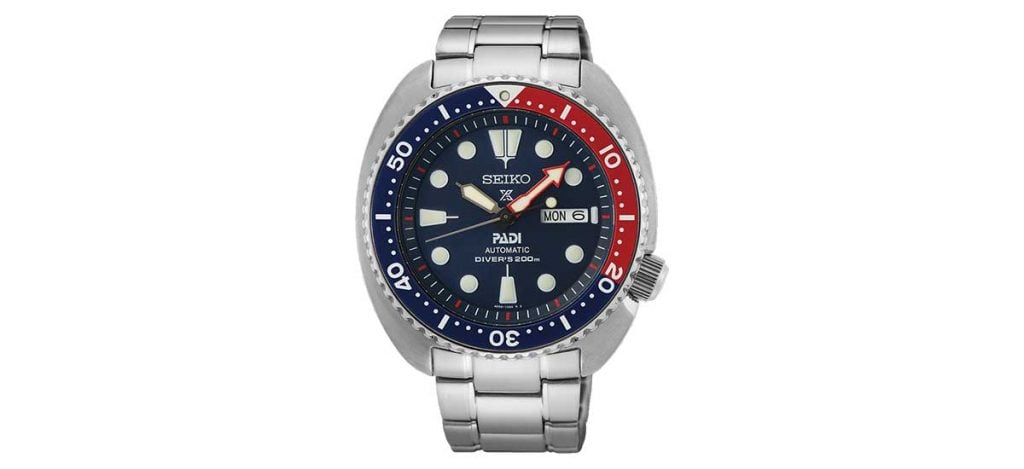
Seiko Prospex SRPB99 PADI

Seiko Prospex SRPB99 PADI

Another common collaboration amongst Seiko dive watches is with PADI, the Professional Association of Diving Instructors. The SRPB99 PADI Special Edition draws inspiration from several other iconic watches while creating a truly unique Seiko Samurai.

The watch features a black wave dial reminiscent of the 90’s Omega Seamaster and a Pepsi bezel colorway. Combine these with the PADI logo on the dial, and it is very clear that this watch knows its audience. The PADI Special Edition watch represents a great value coming in at roughly $500 to $600.

The last two entries to this list are part of the third and latest generation of Seiko Samurai watches. These have become known as the “King Samurai” as they feature some elevated specifications across the board. These new models now feature ceramic bezel inserts as well as sapphire crystals with a “universally loved” date cyclops.

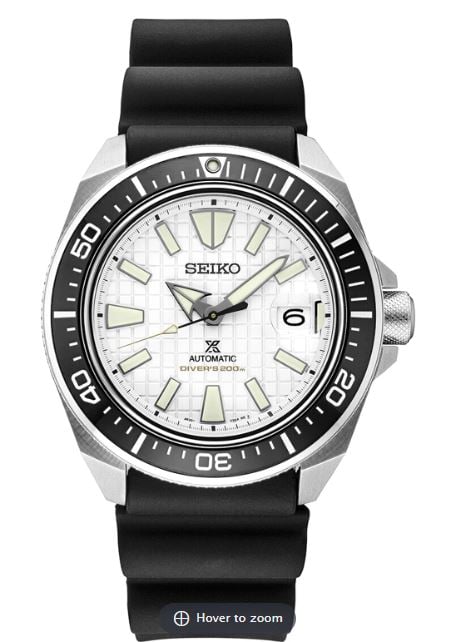
Seiko Prospex SRPE37

Seiko Prospex SRPE37

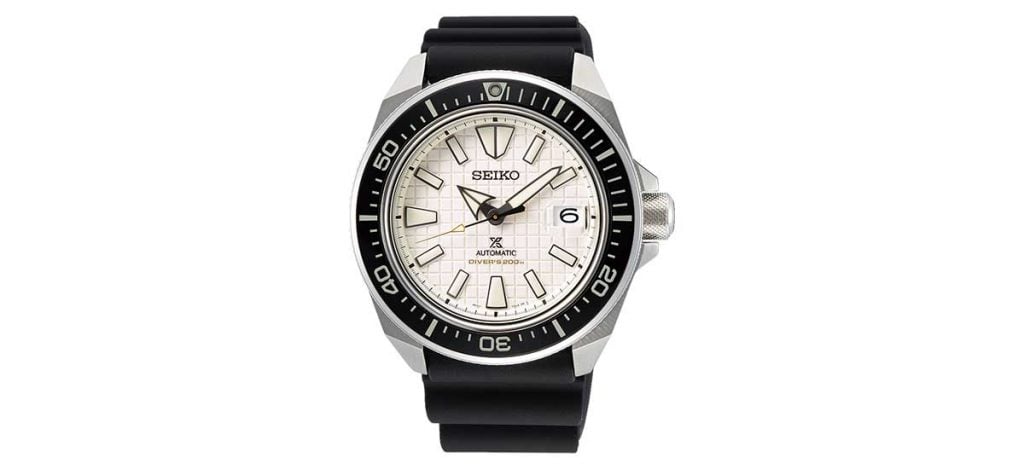
One of the most unique dial options available for a Seiko dive watch is a white dial. Combine this with a unique texture, like the waffle pattern, and you have something sure to stand out from the black and blue colorways crowd. The SRPE37 gives us exactly this colorway and is a call back to some of the most sought-after versions of their earliest models.

With this watch still being a standard version of a timepiece still in production, there are several avenues for acquiring this timepiece. Coming in at an MSRP of $595, this watch offers tremendous value considering the elevated specification that you see with this third generation. If you are willing to let someone else put the first few scratches on it, this watch it can be picked up for even less.

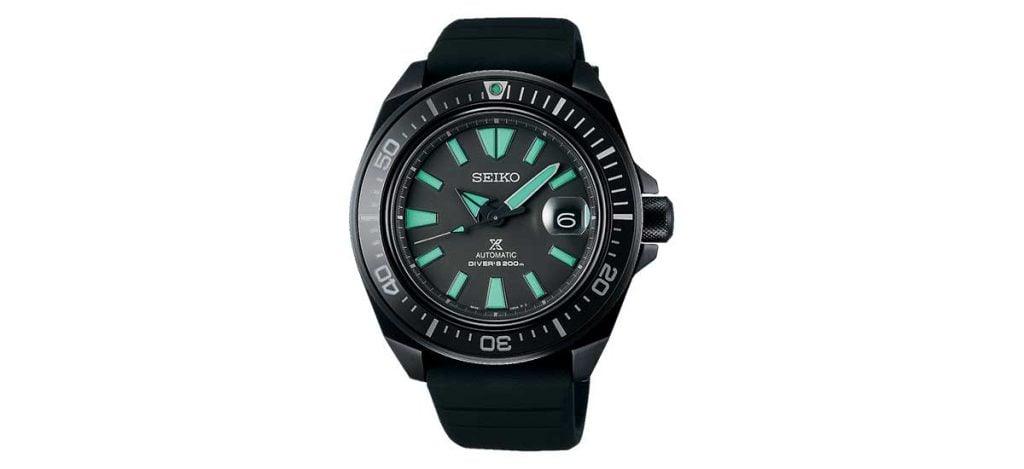
Seiko Prospex SRPH97

Seiko Prospex SRPH97

The final watch on our list today is a recently released 8000-piece Limited Edition SRPH97. This watch features a blackened stainless steel case and a black ceramic bezel. Complimenting this blacked-out aesthetic is a minty green-colored lume for the hands, indices, and bezel pip.

The color combination offers a unique look on a blacked-out watch and works very well together. There is a slight price premium for this edition with an MSRP of $675, but given the unique look of this timepiece, the price seems completely justified.

Final Thoughts

Given that the Seiko Samurai is one of Seiko’s newest iconic model lines, it’s surprising how many models exist and how much history there is. Admittedly, it’s not a model I have much experience with, given my slender chicken wrists. I really appreciate what Seiko did and has continued to do with this model.

With almost every watch manufacturer peering into the past when designing their dive watches, Seiko is creating this watch for the present. They have several other models that can help scratch the vintage-inspired itch, but this watch makes a choice to fit the modern aesthetic.

Where I would typically beg for a 38-40mm version of a watch I like but is too big for me, I am going to choose to withhold that request. This watch should continue to speak to people with modern tastes rather than try to please everyone.

The beauty of Seiko is that no matter what you like, there is a watch for you. It may not be the perfect watch, but it can be perfect for you. The Seiko Samurai isn’t the one for me, but it may be exactly what you’re looking for!

Happy watch hunting!
To Top