Watch Reviews Archives - Page 50 of 54 - Exquisite Timepieces
iconHome Blog / Watch Reviews / Page 50

Category: Watch Reviews

Longines Vs. Rolex Watches (Which holds more value?)

James Ede

November 30, 2022

If you’re new to the luxury watch scene, it’s easy to quickly say “Longines or Rolex” is a brain-dead comparison. See it this way. Rolex is the number one watchmaker in the world, and any timepiece from the brand is synonymous with wealth, craftsmanship, and engineering wonder.

Longines is also a prestigious watchmaker with a long and successful history. It’s been one of the top 5 swiss watchmakers for centuries and produces precision watches that appeal to a mass audience. But how do they compare with the King, Rolex?

bot-only-imagebot-only-image

Folks come in asking about these two brands, so we’ve shared this guide to explain all you need to know. Whether you’re trying to choose between buying a vintage Longines or considering if a Rolex is worth saving up for, you’ll find answers. This article explains their history, craftsmanship, watch quality, popularity, and price to help you make an informed decision.

Similarities and Differences Between Longines And Rolex

It’s always a long read to cherish the culture of a watchmaker, so here’s a summary of their similarities and differences before we dive in.

Similarities

  • Both are Swiss watchmakers
  • They are both older than a century
  • Both make precise mechanical watches
  • Both started with a different name
  • Both created their masterpieces with outside help
  • Both offer COSC-certified watches

Differences

  • Longines is an entry-level luxury watch brand, while Rolex is both a luxury and ultra-luxury brand.
  • Rolex has a 5-year warranty, whereas Longines offers a 2-year limited warranty. 
  • It’s cheaper and more convenient to buy replacement straps for a Longines watch than a Rolex

Now let’s dive deeper into the history of these prestigious watchmakers to unearth the values and traditions that kept them in business.

Longines’ Long and Rich History
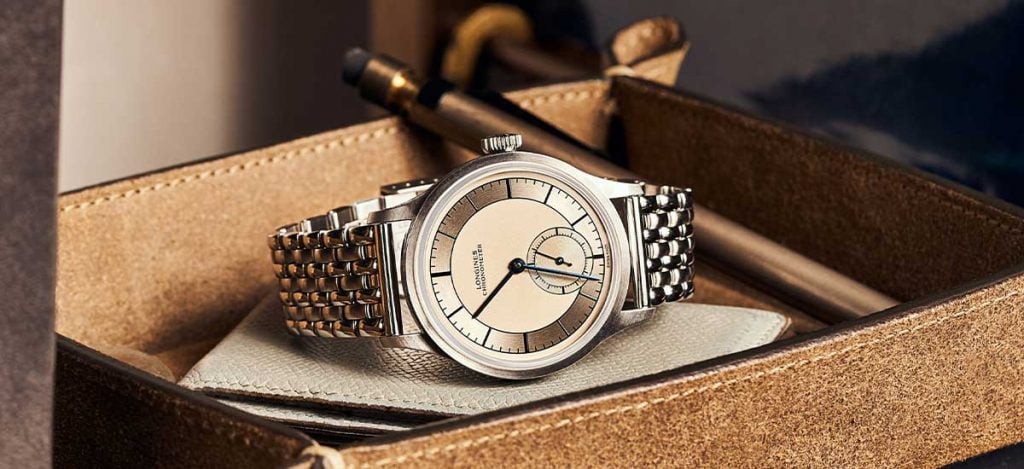
Longines Watches

Longines was established in 1832 by Auguste Agassiz in the mountains of St Imier, Switzerland.
Because of Auguste’s partnerships with two lawyers, Henri Raguel and Florian Morel, the company was initially called Raiguel Jeune & Cie. After the duo retired fourteen years later, Auguste assumed sole ownership.

Auguste then set the wheel of success and prestige in motion when he brought in his nephew, Ernest Francillon, as a mentor years later. His mentee made a bold first impression of producing only crown-wound pocketwatches in an era of key-wound pocket watches (time flies!). So Auguste ultimately passed on the company to Ernest when he retired from weary health.

Under Ernest Francillon, the swiss watch manufacturer focused on mass production in the 1860s. He built a solid reputation for Longines, but they soon became the target of counterfeiters, who stole business and nearly tarnished that image (crucial for a luxury watch company). So he patented the company name in 1880 and registered the oldest valid trademark, Longines’ iconic winged hourglass logo, in 1889.

They survived and flourished well into the 1980s with constant innovative designs while still affordable. Longines joined the 35 billion dollars valued Swatch Group – which includes big wigs like Omega SA, ETA, and Tissot – in the 1980s. The Saint-Imier-based watchmaker now uses movements from ETA (a prestigious conglomerate of swiss movement manufacturers). It’s not the best look for a luxury brand to outsource movement making, but it is perfect for Longines’ dedication to mass production.

Mass-Production Marketing

Longines’ quick transition to mass production started under Ernest Francillon when he built the factory in 1867. But we must credit the genius of his Technical Director, Jacques Davido, who ran the factory and created its first in-house movement in the same year – the 20A. Since then, they’ve sealed their place in history books as one of the largest watch brands with retailers and distributors worldwide.

Fun fact: Longines is named after the field its factory has sat on since 1867. It was called Es Longines, meaning the “Long Meadow.”

Rolex’s Century-Old Quest for First
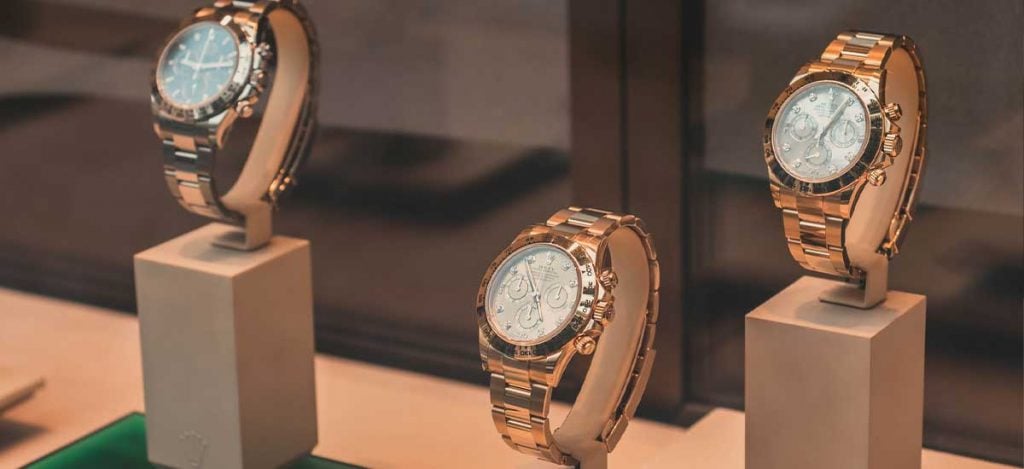
3 Rolex watches on display

Rolex entered the watchmaking industry relatively late but came in with a bang in 1905. The brand was first known as Wilsdorf and Davis but changed to Rolex SA in 1920 (and moved to Geneva, Switzerland).

A 24-year-old, Hans Wilsdorf, and his brother-in-law, Alfred Davis, established the company in London. It all started as a hustle. They imported Hermann Aegler Swiss movements, fit them in Dennison watch cases (all iconic watchmakers in their right), and sold them to Jewelers (without branding).

Rolex released many firsts, but the creation of the renowned oyster case – still used in most Rolex watches – put them on the trajectory of world domination in 1926. Hans Wilsdorf’s innovation was sparked by an issue of water and dust damaging watch movements. So he hired a case maker to build the world’s first waterproof and dustproof watch. He bought the patent from the innovators and marketed aggressively and exclusively – a tradition Rolex has held on to.

Exclusivity Marketing

Rolex’s founder, Hans Wilsdorf, believes, “Only marketing is needed to make a company successful.” Some of his many striking campaigns include displaying Rolex oyster watches in aquariums at their point-of-sale stores. But Hans’s genius 1927 marketing put Rolex on the map, as we hinted earlier. He gave an oyster-cased necklace watch to Mercedes Glietze as she prepared to become the first British woman to swim the English Channel.

The neck watch remained accurate and completely dry after the 10-hour swim in murky waters. In typical Rolex fashion, Hans Wilsdorf brilliantly advertised the historic feat on Daily Mail’s front page for a month straight. Since its inception, the brand has used this strategy of gifting pioneers appropriate Rolex watches to test in the field.

The first people to summit Mount Everest, Sir Edmund Hillary and Tenzing Norgay, for example, wore Rolex watches and were honored with the release of the Explorer models. Today, Rolex combines aggressive marketing, sponsorships, and limited supply to seal its place as one of the most valuable watchmakers in history.

If you didn’t know, Tudor is a Rolex subsidiary targeting enthusiasts who want a “cheap” Rolex – they use similar cases and bracelets but use off-the-shelf movements. Rolex has continued the tradition by sponsoring prestigious events, signing artists and sports icons, and testing timepieces in historic expeditions.

Fun fact: Rolex is a private firm operated through the Hans Wilsdorf Foundation (no public shares).

Prestige And Popularity

Longines and Rolex control half of the Swiss watch market shares along with Omega and Cartier. So we know they both sell like crazy, even though Longines has to achieve this with more units sold. In recent research, they dropped to fifth but remained a force to reckon with. Rolex, however, is in a different league and more in competition with brands like Richard Mille and Audemars Piguet for prestige for world domination.

I won’t be surprised if anyone knew about Rolex watches since they were teenagers, but it will amaze me if they know Longines. Rolex outshines Longines mainly because they not only market to high society circles but also target mainstream media. As a result, Rolex is present in the entertainment, sports, arts, exploration, technology, and even the wildlife scene, with sponsorships, endorsements, and loyal fans doubling as influencers.

Longines And High-Life Sponsorships

The St-Imier-based watchmaker, started supplying prestigious New York sporting officials as far back as the 1800s. With such early momentum, you’d already expect Longines to be a behemoth in mainstream sports. But instead, they only dominate elegant sporting events like horse racing, archery, and equestrianism.

Longines is the official timekeeper of the FEI Show Jumping World Cup, Archery World Cup, French Open, and Commonwealth Games. They even sponsored Formula One during the 1980s and continue to support other international skiing and horse racing events.

Rolex And Planet Domination

Rolex’s official sponsorships go deeper than sports into sea and space exploration, wildlife and arctic research, motorsports to yachting, and equestrian sports. They are also timekeepers for multicultural organizations and political leaders.

The Swiss luxury brand boasts o durability by regularly giving explorers, researchers, and astronauts Rolex watches on their expeditions. As a result, Rolex watches have survived space, the deepest ocean dives, arctic regions, and the highest mountains.

Rolex doesn’t fail to leave a mark in sports. Almost every sporting legend has at one time been a Rolex ambassador. In addition, they’re official sponsors of all four grand slam (U.S, Wimbledon, French, and Australian Open) tournaments and the Paris, Monte-Carlo, and Shanghai Masters. It’d take a long-form blog post to capture the depth of Rolex’s reach in sports, arts, and exploration.

See the list of superstars and celebs who’ve worn either watch brand to compare:

Most Iconic Rolex Wearers

  • Paul Newman – his Rolex Daytona (Ref. 6239) is the most expensive watch Rolex sold at an auction
  • Roger Federer
  • British Royal Family
  • Too many notable figures to mention

Most Iconic Longines Wearers

  • Charles Lindbergh
  • Albert Einstein
  • Jennifer Lawrence
  • Humprey Bogart
  • British Royal Family
  • Andre Agassi

Hopefully, you’ll notice a trend of how Rolex attracts only the best of the best. As a result, it’s not fair fighting ground regarding who’s more famous between both brands. So, let’s see who fairs better in craftsmanship.

Craftsmanship

Avid horologists know it’s not just telling time that makes a luxury brand but its prestige, complications, and attention to detail, among others. Look at it this way, the Swiss industry is known for world-class watchmaking, and Rolex and Longines use the best crop. While Longines and Rolex employ world-class artists, the quality of their timepieces varies as much as we want to think Rolex is overpriced. Here’s an overview of how they craft watch parts.

Cases

The most common case material both swiss watchmaking behemoths use is stainless steel. The Longines steel is known to be durable and reasonably scratch-resistant, simply as durable as a Rolex. But Rolex uses a patent steel material, Oystersteel, which is exclusive to the brand and has been field-tested in the harshest conditions, as you’ve learned earlier.

Movements

The two brands produce mechanical movements in-house, but Rolex makes it a tradition. The Swiss watchmaker stopped all production of quartz movement in 2001 after 30 years of experiments. The dedication to in-house production and obtaining COSC accuracy certifications could take a year to produce one Rolex timepiece.

Nevertheless, the traditional craftsmanship of the Geneva-based watchmaker is what many watch lovers, enthusiasts, and collectors value over any Longines. That’s not to say Longines movements are inferior. However, they also produce Quartz movements that are cheaper and unartistic to most connoisseurs.

But the dealbreaker is that Longines’ mechanical movements also come from their sister company ETA SA, not in-house. Nevertheless, they are still reputable watchmakers, with an output of only 20 percent quartz watches and 80% mechanical movements. But the attention to detail and finishing of Rolex is unmatched.

Bracelets

We see a similar trend of functionality and exclusivity in making Longines and Rolex bracelets. The former makes durable watches that are readily available for replacement. But Rolex bracelets combine durability, exclusivity, and function.

These qualities justify the price gap between both brands that you’ll see soon in this article. For one, Longines sells replacement stainless steel, leather, rubber, and NATO straps that you can swap for under $300. In addition, you can have a collection of watch bands to dress different occasions.

Meanwhile, only Rolex Cellini models use a leather strap, and you must contact their service center for a replacement bracelet (of any Rolex watch). Also, Rolex’s Oysterflex rubber bracelet is only available in 18-carat gold editions of the Yachtmaster, Daytona, and Sky-Dweller. Finally, Rolex’s celebrated stainless steel bracelets, the Oyster and Jubillee, are highly scratch-resistant and comfortable with on-the-fly micro-adjustments.

Here’s the thing. A typical Rolex strap replacement costs anywhere from $1,000 to about $5,000 and could take weeks. You must have the corresponding watch model as proof, plus Rolex keeps the old band. It’s this exclusive in-house servicing that makes Rolex more valuable. But Longines gives the owners to buy straps online or at an authorized local watch repair shop.

Ultimately, Rolex bracelets are one of the best in – if not the best – industry. Longines can only be proud that its straps are durable and comfortable, not compete with Rolex.

Price Is A Big Rolex Win

Rolex is unsurprisingly out of Longines’ league for watch price points. The cheapest new or used Rolex costs more than 10x the price of a Longines. To put it in perspective, a Rolex Datejust (the brand’s most affordable collection) costs around $5,000 to $6,000, and a Longines Conquest V.H.P. (their most inexpensive model) for under $1000.

It looks unfair to compare a Longines’ quartz watch to a Rolex. So we’ll size up Longines flagship line, the HydroConquest, which costs anywhere from $1200 to around $2,500. That’s still less than two times the price of a Rolex Datejust.

Although some critics appeal that Rolex watches are overpriced, they’re clearly in different luxury brand categories. Longines (entry-level luxury) has focused on mass production for nearly 200 years, but Rolex becomes more exclusive by the year (ultra-luxury brand).

Value for Money: Is Rolex Worth the Premium Over Longines?

When comparing prices, the average Rolex starts at about $5,700, which, off the bat, is already about 7 times more than the cheapest Longines watch. Most Longines pieces use cost-effective battery-powered quartz movement to cut down on cost, unlike Rolex, which prioritizes authentic, in-house, automatic movements that ramp up the price even more.

Because of this, it is a bit unfair to directly compare prices as quartz watches will always come cheaper than automatic, but there are some other factors to consider. Resell value plays a big part as both of these brands hold exceedingly high power in the resell market. Rolex is obviously the king of reselling, but it would be unfair to count out Longines, who holds a very big portion of value themselves.

When you compare the price at which you initially bought the watch to when you go to resell, there is a fair amount of profit to be made on both of these brands; it just depends on how much you are willing to spend. Overall, Longines are much more affordable, which will already make them more appealing to the average customer, but Rolex is Rolex, and sometimes, it doesn’t matter how cheap you go when you are dealing with a brand whose name alone carries most of their worth.

Comparing Longines HydroConquest To The Rolex Submariner

Coming off a price revelation, it’s only practical you see what makes the difference with a side-to-side comparison of both watchmakers’ watches. For this, we use pit Longines HydroConquest against Rolex’s flagship diver’s watch (this is a hot debate among watch connoisseurs).

HydroConquest ref. L3.883.4.96.9 Vs. Submariner

This won’t be an apples-to-apples comparison. It will take an entire post to cover. But you’ll understand why Longines might appeal to you and not just drool over Rolex’s glaring value. That’s why the price difference is the first thing that jumps at you between the two watchmaker’s diver’s watch collections.

The HydroConquest ref. L3.883.4.96.9 (the most expensive model) costs around $3,000, and a Submariner No Date ref. 114060 (one of the cheapest models) costs anywhere from $11,000 to about $15,000. What makes Rolex more expensive? Do they have superior features to Longines’? Or are they overpriced, as rumored?

Diving

The HydroConquest can reach depths of 300 meters, while the Rolex Submariner is field tested for 300 meters. Of course, most wearers won’t take a swim to talk less of a dive with either, but it’s refreshing to know they’re equal in dive capacities.

Steel Casing and Bracelet

Both watches have corrosion-resistant ceramic bezels for underwater use and stainless steel case and bracelets. But the Submariner dorns Rolex’s famous and more functional oyster bracelet. Also, unlike the HydroConquest or any Longines steel strap, you can adjust the Submariner’s bracelet to 5mm without using tools to remove links.

In-House Movements

The Longines HydroConquest uses a self-winding automatic caliber that beats at 25,200 vibrations per hour. It’s built in-house and has a 40-hour battery reserve. On the other hand, Rolex’s Submariner No Date also uses a self-winding, in-house movement, the 3235 caliber. However, it’s two steps ahead of the HydrConquest, with its magnetic field resistance and 42-hour battery reserve feature.

Whether these features are worth the $12,000 value difference and hassle is up to you. If you are searching for a functional diver’s watch, the HydroConquest is well-qualified. But a connoisseur, wealthy fanboy, or diver would prefer a Submariner to stack his collection, enjoy the symbol status, or the battery edge.

Does Longines Retain Value?

Like any luxury watch brand, you may wonder if buying a Longines watch would prove a good investment. Of course, many folks buy a Rolex to hedge against inflation, but you may see a different value in a Longines.

Rolex is hailed as the King of Resale Value for a good reason. It’s basic economics. Demand for Rolex watches outstrips supply straight from the factory, so authorized dealerships are always out of stock or carry older models. So instead, determined investors or buyers shop from trusted online dealers, preferably with a verifiable store, but pay more than the official retail price.

Exquisite Timepieces, for instance, sells authentic, pre-owned, and unworn Rolex watches online and in-store in Florida. The only way you’re getting a Rolex effortlessly is if you’re an ambassador or notable figure who received one as a gift. Conversely, Longines has an official online store, and many trusted stores and distributors worldwide.

Read that again. Yes, distributors too. So you see how Rolex is the king of resale? Ultimately, the resale value – for any watch – depends on the previous owner’s status, model, and condition. Typically, a Rolex could see a 16% to over 100% increase in two years, but only a mint-condition Longines will scratch this value.

Pros of Longines

  • Affordable
  • Prestigious Swiss watchmaker
  • Micro-adjustable leather straps
  • Can be bought without a “wait list” in stores
  • Oldest active trademark logo
  • COSC-certified

Cons of Longines

  • No micro-adjustment in stainless steel bracelets
  • ETA-made caliber

Pros Of Rolex

  • Most valuable swiss watch manufacturing brand
  • One of the best bracelets in the watch industry
  • King of resale value
  • Exclusivity
  • All watch parts are made in in-house
  • COSC certified chronographs

Cons of Rolex

  • Time-consuming after-sale service due to exclusivity
  • Overwhelming replicas and fakes

Frequently Asked Questions

Is Longines Considered A Luxury Watch?

Yes, Longines is a luxury brand established in the 1800s. Although they use quartz movements, they also build mechanical movements in-house at their St-Imier factory. However, Longines is an entry-level watch brand offering watches that cost around $1,500 to about $7.000.

Is Longines an Entry Level Watch?

Yes, Longines carries many entry-level watches that cost anywhere from $1,000 to $2,000. Their best-selling models, Flagship Heritage and Conquest, sell for around as low as $1,500 and $800, respectively. However, some of their more pricy models with precious metals and complications, like the 47.50MM Longines Weems Second Setting Watch, sell for over $20,000.

Longines Vs. Rolex: Final Thoughts

In the end, Rolex is a better luxury watchmaker than Longines. As the largest swiss brand, it produces all its parts exclusively in-house, sponsors all walks of life, signals success, and is the king of resale value.

If you don’t fancy the attention and time-consuming after-sale service, Longines will appeal to you. And prefer a prestigious yet affordable vintage or modern timepiece. But if I had to pick between a Rolex and Longines (with no budget), I’d grab a Rolex model without a second thought.

What do you think? Was the Longines vs. Rolex comparison a fair battle? If you found this comparison interesting, share it with other watch lovers and collector friends in your circle. Check out the Exquisite Timepiece store for authentic, new, and pre-owned Rolex and Longines masterpieces.
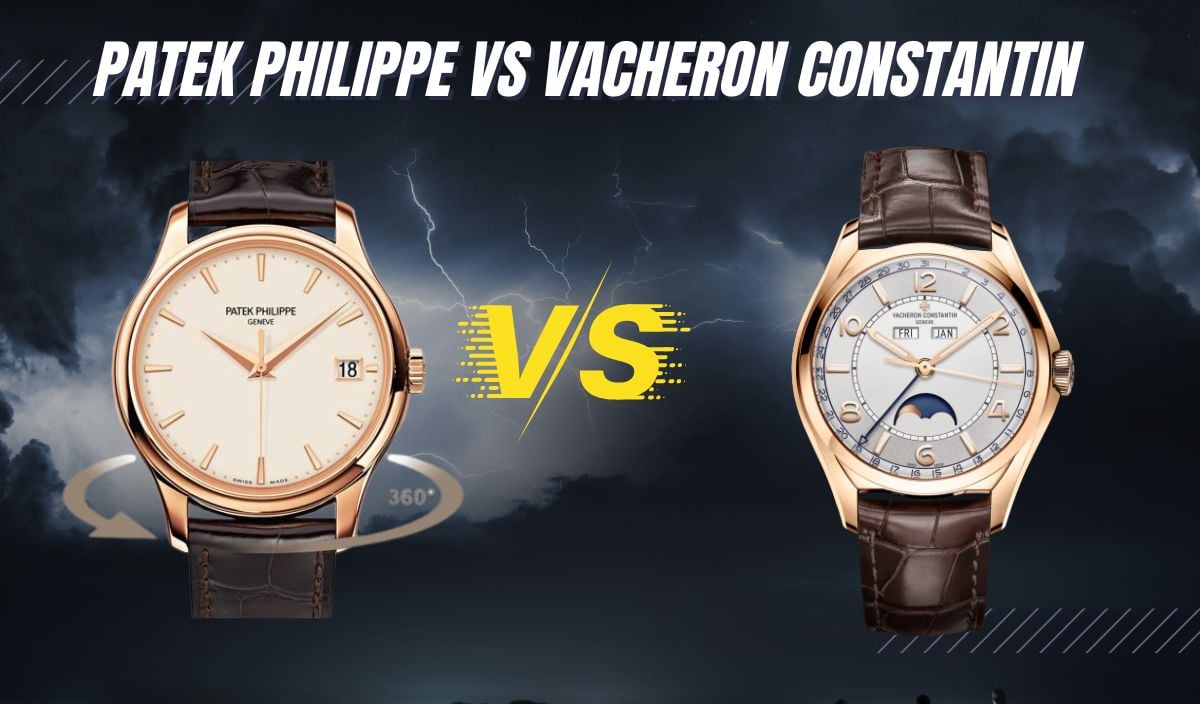

Patek Philippe vs Vacheron Constantin

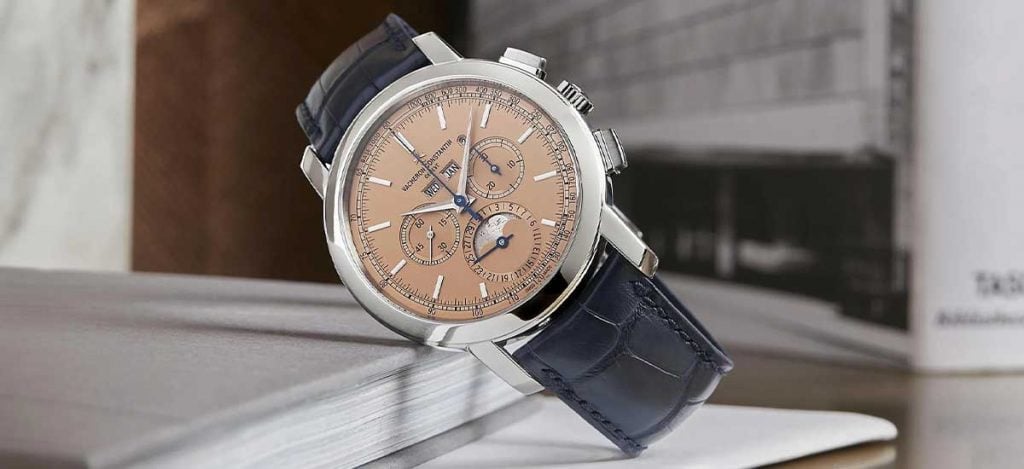
Vacheron Constantin and Patek Philippe are known to be the most luxurious watch brands in the world. These companies have a rich history – The Vacheron Constantin company is the oldest watchmaking company in the world (in continuous operation) while the Patek Philippe company is the oldest family-owned watchmaker in Geneva that is still operating today.

Timepieces from both companies have found abode place in some of the most prestigious wrists and homes in the world. They have been worn by kings, royals, celebrities, presidents, and billionaires who could afford the price point they command. It does not matter which brand you choose between the two. You are guaranteed to have an experience of a lifetime.

bot-only-imagebot-only-image

And the price you will pay to own a vintage Patek Philippe or Vacheron Constantin watch cements this adage of the two companies being the most luxurious and expensive brands in the world. In 2019, the Patek Philippe Grandmaster Chime Ref. 6300A-010 watch made history as the most expensive watch ever sold at an auction at $31 million.

The Vacheron Kalista (a 1979 custom masterpiece that featured 118 emerald-cut diamonds) sold for $11 million. The creativity, innovation, and man-hours that go into making Patek Philippe or Vacheron Constantin watches are, inarguably, over the top. Patek Phillipe and Vacheron Constantin’s watches are appealing and special. This article places these watches head to head to compare features and functionality and offers insights into the watch that offers the best value for money.

Brief History

Patek Phillipe

Patek Philippe Store

Founded in 1839 by Antoine Norbert de Patek and François Czapek, Patek Philippe is the oldest family-owned independent watchmaking company in Geneva. When the company began operations, its driving force was to create timepieces of utmost precision and accuracy without losing aesthetic value.

And they have achieved this perfectly over the years through consistent innovations that have earned the company numerous awards – including the 1844 award for keyless winding and hand-setting system.

In 1863 they made the first Swiss wristwatch for Hungarian countess Koscowicz. From this achievement, the company would later gain over 100 patents during its continuous 183 years of watchmaking. The notable patents and awards include;

  • Patent for time-zone watches in 1959
  • An award for the tourbillon movement that achieved the world timekeeping precision record for a mechanical watch at the Geneva Observatory in 1962 (The record is still unbeaten)
  • Patent for ultra-thin automatic caliber 240 in 1977
  • Patent for a secular perpetual calendar watch with retrograde date indication in 1986
  • Patent for Annual Calendar mechanism technology in 1966

These patents solidified the company’s prestigious position on the totem pole of the watchmaking industry. Patek Phillipe’s clientele range from dignitaries, millionaires, celebrities, royalty, and top business executives.

Vacheron Constantin

Vacheron Constantin watches

Vacheron Constantin has over 250 years of continuous watchmaking history. The company was established in 1755 by Jean-Marc Vacheron and remains one of the most progressive and recognizable luxury watch brands. The company was passed down to generations of the Vacheron family until 1810 when Jacques-Barthelemy became the head of the company.

Jacques wanted to expand the business across the globe (before then they were exporting to Italy and France) and he brought in a strategic partner, Francois Constantin to help make this a reality. The company changed its name to Vacheron and Constantin. Francois Constantin was an ingenious businessman who took the business to America and other parts of the globe.

In 1887 the company became a joint-stock company after the death of Francois, Jacques, and other heirs who had taken over the helm of running the company. It would change hands several times with the latest ownership belonging to Richemont International – a successful and large Swiss watch manufacturing company.

Why compare the Patek Philippe Chronograph 5170G-010 and The Vacheron Constantin Harmony Chronograph Cal.3300 watches?

This article compares two classic watches in the same category – the Patek Philippe Chronograph 5170G-010 and the Vacheron Constantin Harmony Chronograph Cal.3300 watch. The harmony Chronograph 3300 caliber watch was the counter to the widely popular Patek Philippe 5170G-010 timepiece. Both companies spared no expense in the design and manufacture of these watches.

The Patek Philippe Chronograph 5170G-010 watch was released at BaselWorld in 2010. The Vacheron Constantin Harmony Chronograph Cal.3300 was released in 2015 at the SIH show to commemorate the 260th anniversary of the Vacheron Constantin brand. They manufactured a limited run of 260 pieces.

Pricing

A Patek Philippe Chronograph 5170G watch costs north of $87,000. The Vacheron Constantin Harmony Chronograph Cal.3300 watch costs approximately $74,000. Custom pieces from either company can run into hundreds of thousands or millions of dollars depending on complexity, design, and the number of manpower spent. Most parts are assembled by hand by watchmakers with a wealth of experience in making luxury watches.

This is what makes these watches pricey. It is unheard of to find an original Patek Philippe or Vacheron Constantin watch going for less than $10,000. According to Wristadvisor.com, the most affordable Patek Philippe watch is the Aquanaut edition (with 5167A reference) which retails at $21,650. The most affordable Vacheron Constantin watch is the steel version of the FiftySix Edition watch (which debuted in 2018 at the SIHH) and retails at $11,700.

Design and Style

The Patek Philippe Chronograph 5170G-010 watch is meticulous and elegantly designed. The watch targeted the modern and contemporary clientele. It has a clean, simple design without the extra fluff and additions found in many luxury watches that debuted within this timeframe. It is a large watch but can still be worn with a suit or official attire comfortably.

The case has smooth, clean, and polished edges. The bezel is not exaggerated either, with the company choosing to stick to the simple polished outlook rather than the winding bezel you find in other luxury watches (such as the SBGA211G Grand Seiko diving watch). The Patek 5170G watch is made of white gold metal (also known as grey gold in the industry) and comes with either a black or white dial.

Both dials are also clean, without fluff, but nothing is boring about them. It does not have lots of inscriptions or added features. The black dial has well-polished Breguet Arabic numerous that allow for easy reading. The beautiful leaf-style hands are also simple, and functional, and may seem understated.

The inscriptions on the black dial (including the Patek Philippe signature at the 12 o’clock mark) are white, which increases the watch’s contrast. There is a Lancet-style counterweighted seconds mark for the chronograph. Each of the sub-registers features a miniature, railroad-style, white-printed track. The Vacheron Constantin Harmony Chronograph Cal.3300 watch has an ivory, bone-white dial with blue numbers and golden hands.

There is a ridged section underneath the tip of the lugs. The mid-case curves inwards at this point, making the watch look thinner than it is. The crown has a slash cut that makes it easy to tune the watch. It also has a coaxial mono-pusher in-built button. The hour and minute hands are rose-gold.

The hour-hand has an apple-head style while the minute-hand has a spear-shaped design. The counterweighted seconds-hand is blue and the chronograph section has a 45 minutes sub-dial. The chapter rings are red-gold and the hour markings are blue. There is a pulsation scale on the dial.

Size

The Patek Philippe 5170G-010 watch measures 39.4mm in diameter (not inclusive of the crown) and is 11mm thick. There is a 21mm spacing between the lugs. This is pretty thin for a chronograph watch. This thickness means that the watch can fit under your cuff easily while resting flush on your wrist. The Vacheron Constantin Harmony Chronograph Cal.3300 watch has a 42mm case (not including the crown) with a square rounded look unique to this model.

It has a distance of 51.6mm from lug to lug and is 13mm thick. It is a broad watch with a lug spacing of 24mm. Although it is a big watch, its unique design makes it seem less overbearing when worn on small wrists. The overall design of the Vacheron Constantin Harmony Chronograph Cal.3300 was inspired by the model manufactured by the company in 1928.

The 1928 mono-pusher chronograph timepiece featured a bi-compax layout with poire-shaped hands, a pulsimeter scale on the white dial, and a shape that slightly resembles that of the Harmony chronograph (with the rounded white dial and square bezel). The Vacheron Constantin Harmony Chronograph Cal.3300 watch has a cushion-shaped, curved caseband with a circular dial enclosed inside a squarish bezel.

The single pusher on the crown was purely a design element. It was meant to give the watch a more sophisticated look, feel, and functionality. Placing all functionalities on a single element (the crown) made the watch more complex but elevated Vacheron Constantin’s company status as an innovative luxury watchmaking company. They added a power-reserve indicator at the base of the watch and painted the hour markers blue.

Straps and clasp

When you turn the watch underneath you can see the patented Patek Philippe de riguer pull-tabs spring bars. These tabs make it easier to remove both sides of the straps from the case to allow for deeper cleaning between the lugs. It also allows for easy changing of straps without the risk of damaging the watch by scratching when using a screwdriver.

The medium rectangular scale alligator leather straps have a single-fold grey gold clasp with the logo inscribed on the surface of the clasp. This clasp is beautifully polished and has a Calatrava cross to add panache to the mechanism. The Calatrava cross is also present on the crown. The two vintage-inspired chronograph pushes (for setting and resetting the watch) on the casing are also perfectly polished.

The Vacheron Constantin Harmony Chronograph Cal.3300 has matte dark brown alligator leather straps with a monotone stitch on the underside and a sheer-sided construction that shows you the layers of leather making the watch. The clasp is a single-fold, highly polished mechanism with a Maltese cross logo on the inner section.

The straps can also be brown alligator leather accompanied by a pink-gold single-fold clasp. The spring bars that hold the Harmony in position are slightly curved. Despite the watch’s seemingly large size, this small (but innovative) feature makes it much more comfortable for the wearer.

Movement

The Patek Philippe Chronograph 5170G watch features an in-house movement (CH 29-535 PS caliber). The CH 29-535 PS caliber was an improvement of the previous movement technology on most Patek Philippe watches and features modern and better chronographic movements with a 65-hour power reserve.

The wheels have self-adjusting hammers, 33 jewels with 269 components, and a patented Patek Gyromax balance. This balance adjusts for isochronism, heat, and cold. All the levers inside the watch are satin-finished and fully visible. Every screw has been black-polished with its slot and circumference chamfered to a clean and neat edge. The watch makes 28,800 revolutions per hour.

Vacheron Constantin Harmony Chronograph Cal.3300 watch is a mono-pusher chronograph. You can make it stop, start, or reset using the same button (located at the crown position). The 3300 caliber movement is manually-wound with a spectacular finish seen through the back sapphire case back.
Underneath, the watch has 252 parts including 35 jewels enclosed in an engraved half-bridge balance structure with Breguet to help it keep time.

It has a column wheel lateral clutch mono-pusher featuring a brass polished Maltese cross. The Vacheron Constantin Harmony Chronograph Cal.3300 watch has 65 hours of power reserve. The power spent is observed from the subdial at the 6 o’clock mark. It makes 21600 revolutions per hour. The screws are black polished, satin 8 steel levers with beveled, chamfered bridge edges, and mirrored glass on top.

The balance cock with golden Fleurisanne engraving is the only decorative highlight inside this watch. This gives the Vacheron Constantin Harmony Chronograph Cal.3300 watch an old vintage, yet impeccable look. A column wheel controls the chronograph functions, effectively eliminating the jerking of the watch’s seconds hand when you start the watch.

The cone-shaped gear between the crown and the winding pinion allows for the smooth winding of the watch. You still have to push it in or pull it out with some force. This design was and it prevents unwanted and accidental winding or unwinding by the slightest touch of the crown.

Water resistance

Neither The Vacheron Constantin Harmony Chronograph Cal.3300 nor Patek Philippe Chronograph 5170G watch is designed for diving. Both have a 30m water resistance capacity. This gives the two watches decent exposure to rain, splashes, and shields against damage if they accidentally fall into the water. However, do not wear any of these watches when diving or swimming.

Extra features and information

Because of the highly intricate and complicated mechanisms of the two watches, it is recommended that any mechanical service or repair be done at the factory or designated repair centers. Patek Philippe Company encourages their clients to contact them when they want to service their watch. They have serviced their watches in-house or through regulated agents since the company’s inception.

When you have spent close to $100,000 on a timepiece, you will be hesitant to take it to a watch repair shop that opened recently around your block. These watches need to be handled by trained personnel with the tools and expertise to deal with such delicate pieces.

FAQs

Does Vacheron Constantin hold value?

The watches we have looked at here command more than $70,000 apiece. The price has not fluctuated since the watches debuted. Only 260 pieces of the Vacheron Constantin Harmony Chronograph watches were manufactured and sold out. This makes it extremely difficult to access an original Vacheron Constantin Harmony Chronograph Cal.3300 watch (unless in the second-hand market). The rarity pushes the prices through the roof.

The Patek Philippe Chronograph 5170G-010 watch is also a rare watch and a beautiful piece to own. The older and rare a watch is, the higher the resale value. Watches from Vacheron Constantin and Patek Philippe companies hold their value well compared to watches from other luxury companies. Watch enthusiasts and collectors pay a premium to own these watches because they know they can flip them for a profit in the future.

Recap

As pioneers in the luxury watchmaking industry, Patek Philippe and Vacheron Constantin companies have come a long way and have created legendary timepieces. Consistent innovations (such as the in-house CH 29-535 PS caliber for Patek Philippe and the mono-pusher chronographic mechanism of the Vacheron Harmony watch ), adaptation to technology, and great marketing have made watches from these companies irresistible to the avid watch collector.

The Patek Philippe 5710G-010 and the Vacheron Constantin Harmony Chronograph Cal.3300 are among the most popular luxury timepieces ever manufactured across every spectrum. The same goes for the Patek Philippe nautilus and the Vacheron Constantin Overseas watch. Whichever watch you buy, you are guaranteed to get value for money.

They are elegant and rare. Patek Philippe makes less than 50,000 watches per year and only 260 pieces of the Vacheron Harmony watch were manufactured to celebrate the company’s 260th anniversary. This keeps the value of these watches high and makes them perfect conversational pieces and possible investments with an almost guaranteed higher ROI.

Cartier vs Omega

Cartier Vs. Omega Watches (Value, Designs, Movements & More)

Mark Trenkler

November 30, 2022

You’ve narrowed down your choices. You have decided to purchase either an Omega or a Cartier wristwatch. You just need a little bit more information to push your decision across the finish line. In this article, we will explore the histories of two of the most recognizable watch brands in the world. On the way, we will compare a few models side by side and then answer some often-asked questions regarding the two watch powerhouses.

The Omega Watch Brand

Omega is a Swiss luxury timepiece counted amongst the ten most recognizable brands worldwide. Omega was founded in 1848 by Louis Brandt in La Chaux de Fonds, Switzerland. The watch company did not incorporate the “Omega” name until 1894 and even then it was known as a combination of Brandt and Omega.

bot-only-imagebot-only-image

In 1885 the “Labrador” caliber movement was created which had superb accuracy and significant technological advancements. This movement would become the basis for the 19-ligne Omega caliber that would revolutionize watchmaking roughly ten years later. Omega created the first-minute repeater for the wrist in 1892, and then the Omega brand was officially birthed with the 19-ligne movement.

The movement was very accurate and groundbreaking in that every component could be replaced without modification by any watchmaker in the world. It also boasted advancements in winding the watch, using a stem and crown.

The early 1900s found Omega making great inroads into the timing for sports events. In 1932, Omega set timekeeping precision records in all six trials at the Geneva Observatory. The Omega watches tested performed more accurately (through various conditions) than any other brand competing. They also prototyped the first automatic movement that used two weights.

Omega and the Olympic Games

In 1932, Omega was the first watchmaker to time an entire Olympic Games. This was done with their chronograph model and times were scored to 1/100th of a second. Another milestone was achieved in 1936 when Omega’s 477 mm. Caliber movement set a world precision record by scoring 97.8 points out of 100 at the Kew Observatory. The movement was 2.2 points away from perfection; this record stands to this day.

The mid-1900s saw Omega developing watches for military applications. These watches require a high level of water resistance, be extremely shockproof, and have to be highly antimagnetic. The company continued to make great strides in all of these areas. In 1947, the first Omega tourbillon was launched to great reception amongst the watchmaking community.

Unlike the conventional tourbillon movements where the cages rotated once every minute, the Omega rotated once every 7.5 minutes. This provided greater accuracy leading to the movement being recognized as the most accurate recorded timepiece in 1949. A great development in the area of sports timing was achieved with the creation of the “Magic Eye.”

This innovation was the use of photoelectric cells to capture the exact moment an athlete crossed the finish line tape. Since the elasticity of the tape was so poor, there were often inaccuracies in the final time recorded for any particular event. This innovation solved this problem.

1948 saw the introduction of the first Seamaster model and over the next ten years the Constellation, Deville, and the Ladymatic automatic women’s wristwatch were all introduced. Omega also created a professional line of watches which included the Speedmaster, the Seamaster 300, and the Railmaster.

The “Moon Watch”

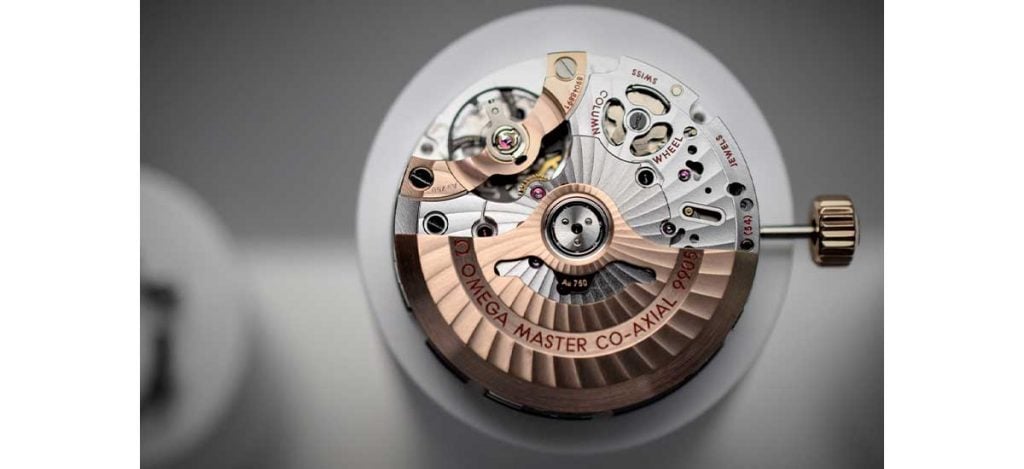
Omega watch movements

Another iconic chapter in Omega’s history was the development of the “Moon” watch. This watch was launched in 1957. In 1962, it became the first watch in space when Wally Schirra wore it for the Mercury Mission on Oct. 3rd of that year.  Nasa subsequently qualified the watch for manned missions in 1965, and astronaut Buzz Aldrin wore it when he walked on the moon on July 21, 1969. Thus Omega became known as “The First Watch on the Moon.”

In 1999, Omega released the first practical new watch escapement in 250 years. The co-axial escapement was a turning point in mechanical watchmaking. By using smaller contact surfaces the co-axial escapement produces less friction and requires less lubrication making it far more reliable than traditional movements.

2008 Omega created the Si14 balance spring to resist the ever-increasing threat of magnetic forces watch wearers encounter in today’s world. Named after its chemical symbol and the atomic number of silicon, the new spring significantly reduces deviation and improves chronometric stability. In 2013, the co-axial 8508 caliber movement was brought to market with a magnetic resistance of 15,000 gauss.

The creative use of antimagnetic materials in the movement meant that there was no need for a protective inner case paving the way to being able to incorporate additional features such as a date wheel and the watch could have a skeletal back. Rounding out this rich history was the development of an ultradeep wristwatch that is water-resistant to 6000 meters or approximately 20,000 feet.

Trademarked Specialty Alloys and Materials

Omega has garnered a high reputation in the development of trademarked materials incorporated into the parts used in their movements and for use in the manufacture of their cases and bracelets. Besides conventional materials such as 316L stainless steel, aluminum, 18-carat yellow, and white gold, ceramics, the highest quality diamonds, and mother of pearl, Omega has developed the following exclusive materials;

  1. Liquid Metal- Since 2010, ceramics have been bonded with this alloy (composed of titanium, zirconium, and copper). The result is a material that is three times harder than steel and provides superior scratch resistance and stability offering new decoration possibilities.
  2. Grade 2 Titanium- an alloy material that is light, corrosion resistant, biochemically inert, and able to withstand very high temperatures. Its dim gray color is used primarily in brushed finishes and is particularly effective in limiting light reflection.
  3. Red Gold- A combination of 18-carat yellow gold, copper, and silver. The finished product is highly non-corrosive and biochemically inert.
  4. Bronze Gold- a bronze alloy composed of 37.5% 9-carat gold, palladium, and silver. This alloy makes the bronze easy to wear on the skin. It offers corrosion resistance without oxidation and will age very slowly and maintain its natural patina over time.
  5. Sedna Gold- Introduced in 2012 and is a combination of 18-carat yellow gold, copper, and palladium giving it its signature rose color. Highly resistant to fading.
  6. Moonshine Gold- Created in 2019, the 18-carat yellow gold is combined with silver, copper, and palladium and is also highly resistant to fading. The trademarked name is inspired by the shining moonlight in a dark blue sky.
  7. Canopus Gold- Developed in 2015 and comprised of 18-carat white gold, platinum, rhodium, and palladium. It is distinguished by its high brilliance, whiteness, and longevity. It is named after the bright star Canopus which is 71x bigger and 10,000x brighter than the sun. Because of its brilliance and position, it is a vital navigational and positional reference point.
  8. Ceragold- The first product to allow the decoration of ceramic watch parts with 18-carat gold.
  9. Meteorite- The use of lunar meteorites with irregular stone patterns that have been discovered here on earth.

METAS Certification

The major feature that distinguishes Omega watches from other brands is that each is a master chronometer. To achieve this classification, the movements are not just certified chronometers by the COSC (Swiss chronometer testing institute) for accuracy, but they are then put through more precision testing by METAS. METAS is the Swiss Federal Institute of Metrology.

The movements are put through eight additional tests and must fall within certain parameters of accuracy. Whereas the COSC accepts results of -4/+6 seconds per day after the METAS tests the range is 0/+5, 0/+6, and 0/+7 seconds per day depending upon the caliber size of the movement.

The Omega watch line offers over 1000 models and has a starting retail price of approximately $2550.00. A basic “Rail Master” is about $4900.00, and a basic divers watch will run you about $5100.00. Women’s watches start at approximately $2550.00. There is great depth to the women’s selections with styles ranging from classic models to models adorned with diamonds and gemstones in solid gold.

There are four distinct subgroups within the collection:  Seamaster, Speedmaster, Constellation, and Deville. These groups are also made up of subgroups of assorted styles with choices that most would find appealing. Omega has many notable inventions and patents which it has acquired during its history. The company created the first Master Chronometer Tourbillon and presently offers four models that range from $137,000.00 to over $700,000.00 retail.

These handcrafted watches come with either manual winding or self-winding movements and range in case size from 38.7 mm. to 44 mm. These models are inspired by the first tourbillon wristwatch caliber Omega created in 1947. Additionally, Omega has been a mainstay on the silver screen with its prominent positioning in the James Bond movies of the last three decades.

Its commitment to the sponsorship of world-class sporting events, commitment to philanthropy, and practicing preservation and environmentally friendly practices have contributed to its reputation and success. Omega offers a five-year warranty on all of its timepieces making it comparable to Rolex in this respect.

Cartier-Yesterday and Today

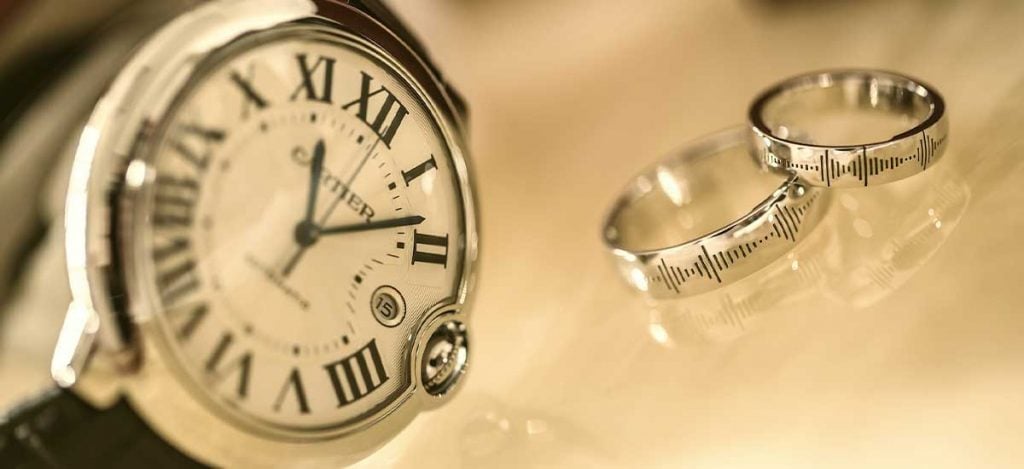
Beautiful Cartier watch with two rings

In 1847 Louis Francois Cartier took over the workshop from his employer at the time Adolphe Picard. Though France was in the throes of the French revolution, Cartier built his company and, in 1859, opened the first Cartier boutique. While Cartier is a recognized and successful watch company, they are probably better known for jewelry and other high-end fashion designs.

Cartier, unlike Omega, is not just a luxury Swiss watchmaker but a brand that has prospered as a powerful and recognized name, as evidenced in Forbes magazine, ranking Cartier as one of the top 100 brands in the world. The watches, as well as the jewelry collection, have benefited from each other’s design, innovation, and creativity.

In 1847, Louis’s son Alfred took over the business from his dad and moved the Cartier boutique to the prestigious jewelry district in Paris. Alfred’s three sons, Louis, Pierre, and Jacques, were involved with the family business. While Alfred worked in Paris, his brothers sought to expand the family name to both London and New York.

While in Paris, Louis continued to grow Cartier’s reputation by incorporating revolutionary ideas such as using platinum in jewelry making. It was during this period that Cartier’s “Mystery Clocks” were developed in partnership with watchmaker Maurice Couet featuring transparent dials with hidden mechanisms. Due to Louis’s jewelry creations, King Edward Vll dubbed Cartier “Jeweller of Kings, Kings of Jewellers.”

The Creation of the Santos

In 1904, Louis’s friend Brazilian pioneer aviator Alberto Santos Dumont commissioned him to create a watch he could wear on his wrist when piloting his dirigible. At the time pocket watches were the only choice and Dumont found using a pocket watch while needing to use both his hands to control his dirigible was difficult and near impossible.

From this request, the Santos watch was born. This was Cartier’s first men’s wristwatch and due to Dumont’s celebrity, became a must-have accessory for men. Its flat shape and unique square bezel were instantly recognizable and proved successful for Cartier.

1907 saw Cartier sign an exclusive contract with Edmond Jaeger to supply movements for the Cartier watch line. By 1920, the two entities formed a joint company that had Jaeger continue to provide movements for the collection. In addition, movements from Audemars Pequot, Vacheron Constantin, and Movado were also used.

The Tank Watch is Born

A visit to the western front in 1917 inspired the formulation of what is one of Cartier’s most iconic styles, the Tank. The Tank was introduced in 1918 and entered full production in 1919 when six pieces were built. Its lines and proportions are similar to those of tanks used on First World War battlefields. Its strap is integrated into vertical sidebars giving it the distinctive and most replicated shape.

Louis Cartier died in 1942 but the company continued to flourish under new leadership over the watch and jewelry sides of the business. Cartier continued creating new and timeless jewelry pieces as well as growing the distribution of its watch collection over the next forty years.

The Panther collection was introduced in 1983 with its signature bracelet design, and shortly thereafter the Pasha watch was brought to market. The Pasha was somewhat of a departure from previous case styles and sported a distinctive oversized crown.

The interesting back story whether true or not is that the Pasha got its name because The Pasha of Marrakech commissioned Cartier to create a watch that he could swim with The first Pasha supposedly was the culmination of this request in 1933, but somehow the design fell through the cracks and was forgotten only to be resurrected in 1985. True or not, definitely an interesting story. The Roadster was introduced in 2002 and brought another successful design to the watch market.

Becoming a Swiss Watchmaking Powerhouse

The past twenty years have seen Cartier go through a large-scale transformation. Up until 2000 Cartier’s women’s watch sales exceeded men’s models, particularly in the USA. The women’s timepieces are as much a piece of jewelry as a watch and are gorgeous pieces that any woman would proudly wear. The transformation was the purchase of a facility to be able to design and manufacture every component in every Cartier watch.

A complete vertical integration under one roof. With this came a fresh mandate to produce superb quality mechanical and automatic movements. As one executive has been quoted, “Our main philosophy is to be creative, rather than complex,” with that said Cartier has captured the attention of the watchmaking community with the watches they have created featuring a host of complications, signature materials, and technological innovation. Three such models are the following:

  1. Ballon Bleu de Cartier (2007)
  2. Concept ID Collection- The ID One was introduced in 2009 and the present version, the ID Two in 2012. The watch utilizes a completely air-tight ceramic case made of Cartier’s patented Ceramist. Because the case is airtight there is little friction on any of the moving parts within the movement. The movement is made of titanium and is so precise that it requires no lubricating oils. The watch is also completely antimagnetic due to its fiberglass mainspring and carbon crystal balance.
  3. Drive de Cartier Flying Tourbillon.

To read an excellent article that goes into great depth about this transformation at Cartier. Since 2018, Cartier quartz models are outfitted with a high-autonomy quartz in-house movement. This movement is highly efficient and has an autonomy of 8 years.

This is twice the length of traditional quartz movements. Cartier resized and reworked the movement to reduce overall energy consumption. The new movement is combined with a new high-performance battery that is more water resistant and boasts a longer life. The new battery has 5% more capacity and discharges at half the rate of previous batteries. 

The Cartier family controlled the company until 1964 when they sold the business. In 1872, a group of investors led by Robert Hocq purchased Cartier Paris and subsequently added Cartier London in 1974, and Cartier New York in 1976. It was during this period that Hocq coined the phrase “Le Must de Cartier.” When translated, becomes “Cartier, it’s a must”.

In other words, if you are a purveyor of luxury and taste then you must own a Cartier. The slogan has stuck and has become synonymous with the brand. Today, Cartier is owned by the vast conglomerate the Richemont Group which acquired it in 2012. One of Cartier’s most respected qualities is its commitment to giving back and its philanthropic endeavors.  It is worth visiting the company website to review the many organizations that they partner with around the world.

Many countries in Africa, South America, and throughout the world have benefitted from Cartier’s generosity and desire to make a difference. Giving career and educational opportunities, and providing life-sustaining services to people who are considered “the least of these,” is the pinnacle of using their great success to give back and improve the human condition. Cartier is a classy brand with a big heart.

Cartier Tank vs. Omega Deville Prestige

The Cartier Tank is one of the most iconic watches in the brand’s treasury of timepieces. As mentioned the first Tank was created in 1919. Today’s model continues to be characterized by the original flat case design and distinctive crown topped with a synthetic or sapphire blue cabochon. The basic model in stainless steel strap is available in three sizes.

The smallest case measures 29.5 mm. X 22 mm. and is 6.6 mm. Thick. This is a women’s size case and comes in either a high autonomy quartz or a photovoltaic solar beat movement. The photovoltaic solar beat movement is a new innovation for Cartier. The movement receives light through the dial, particularly the Roman numerals feeding the photovoltaic cells.

It is estimated that the watch will last sixteen years before recommended servicing. Cartier wanted to introduce an elegant, easy-to-wear version of the Tank that needed minimal service and provided minimal environmental impact. Even the non-animal strap is made of scraps of apples grown for the food industry.
The Tank watch has a beaded crown with a synthetic cabochon-shaped spinel, silver dial, and blued steel hands.

The watch is water resistant to 30 meters and is completed with a black calfskin strap with a steel buckle on the high autonomy choice or a non-animal black, blue, or light green strap on the photovoltaic solar beat version. Each retails for approximately $2790.00. The next largest case selection measures 33.7 mm. X 25.5 mm. and also measures 6.6 mm. In thickness. All of the above attributes carry through as standard to the basic model and it is outfitted with a high autonomy quartz movement with a black leather strap.

The approximate retail price is $2930.00. The third Tank is the Large model and measures 41 mm. X 31 mm. and measures 6.6 mm. in height. This model varies from the others in that it has a mechanical automatic caliber 1847 MC movement and a calendar window at the 6 o’clock position. Approximate retail $4200.00 with a black calfskin strap with steel buckle. All three case sizes are also available with a stainless steel bracelet instead of a strap. The approximate retail prices of each model are as follows:

  1. Tank Small – $3200.00
  2. Tank Medium (referred to large on the website) – $3350.00
  3. Tank Large – $4650.00

There are several other variations of the Cartier Tank available through the company in various dials, materials, and styles but I have limited my choice for comparison to the base model.

The Omega Deville Prestige is part of the Deville collection and numbers over 400 distinct models. There truly is something here for everyone to choose from. The basic Prestige Co-Axial Master Chronometer measures 40 mm. in diameter, 19 mm. between the lugs, and has a thickness of 9.9 mm. The case is made of stainless steel and is water resistant to 30 meters. The watch features a domed PVD dial with sun-brushed finishes. You may choose from five different dial colors:

  1. Pine Green
  2. Blue
  3. Silver
  4. Black with PVD SEDNA gold colored hands with alternating Roman numerals and cabochon indexes
  5. Rhodium Gray with the same gold treatments available with the black dial

In addition, the outer edge of the dial features a railway minute track, enhancing the appearance of the dial, and a date window at the six o’clock position. The front sapphire crystal has been enhanced with anti-reflective treatment. There is a see-through crystal on the back of the case to view the beautiful movement.

At the heart of the watch is a Co-Axial caliber 8800 self-winding automatic movement. The movement features the Omega Co-Axial escapement, free-sprung balance with silicon balance spring, and auto winding capabilities in both directions.

The movement reflects rhodium-plated finishes with Geneve wave decorations. The movement vibrates at a frequency of 3.5 Hz and has a power reserve of 55 hours. The watch is also impervious to magnetic fields reaching 15,000 gauss.

The Deville Prestige will set you back about $4100.00. with an accompanying strap or $4400.00 with a stainless steel bracelet. Omega also offers a collection of women’s Deville Prestige models. They are available in a myriad of sizes. The basic model is available in a stainless steel case with a beautifully integrated steel bracelet. The watch has a diameter of 24.4 mm., a measurement between the lugs of 12 mm., and 6.6 mm. Thick.

It has a striking two-tone dial with Roman numerals at the 3, 6, 9, and 12 positions. A scratch-proof sapphire crystal protects the dial. The watch has an Omega caliber 1376 high precision quartz movement and the watch is water resistant to 30 meters.

The approximate retail price of this model is $2550.00. Along with the various choice in case sizes the women’s timepieces are available in steel and 18-carat gold, and all 18-carat yellow gold or red gold models with and without diamonds and options like mother-of-pearl dials.

Conclusion

In comparing the male models I would opt for the Omega on two counts. The number of features invested into the watch itself and secondly, its sleek and detailed dial and overall appearance. Don’t get me wrong, the Cartier Tank is a beautiful watch and after all,  bears the Cartier name which carries its own special cache and sends a message of sophistication, but it is a simple and somewhat unexciting timepiece. At similar price points, either would make a great choice, but I would give the advantage to the Omega.

Omega Aqua Terra vs Cartier Santos

The Aqua Terra is part of the Omega Seamaster collection. These models are water resistant to 150m. (approximately 500 ft.). Cases are constructed of 316L stainless steel and available in either a 41mm. or a 38mm. case. They house a caliber 8900 self-winding (automatic) movement with a power reserve of 60 hours, a scratch-proof sapphire crystal, and a transparent case back. There is a date window at the six o’clock position.

The mechanical self-winding Omega caliber 8900 movements has a Co-Axial escapement, free-sprung balance with silicon balance spring, two barrels mounted in series, and automatic winding in both directions. It has a time zone function and the rotors and bridges reflect rhodium plating with Geneva wave finishes. 

These watches are highly shock resistant and are tested with results that are equal to 5,000g (1g is equal to the force of gravity at the earth’s surface). Each Aqua Terra also benefits from the best antimagnetic resistant rating among all watches. Omega had set the new standard for this measure in a wristwatch. These watches are antimagnetic to fields reaching 15,000 gausses. A quick overview concerning this feature is as follows.

The International Standard (ISO769) defines basic magnetic resistance for watches as they must resist exposure to direct magnetic fields of 4,800 A/m (Amperes per meter). This is a minimal level and equivalent to about 60 gausses. Gauss is a measure of magnetic resistance that takes into consideration the magnetic permeability of the material being tested.

Technically, this is called magnetic flux density. The Aqua Terra is rated at 15,000 gausses (1.2 million A/m). To put that measure in perspective, it is the magnetic field given off by an MRI scanner.  The Aqua Terra comes in an array of colors. Each is earmarked by a horizontal “teak pattern” fashioned after the decks found on luxury sailboats and yachts. The colors are as follows:

  1. Silver with blackened hands and indexes filled with white Super-Luminova. There is an orange central seconds hand and the Seamaster wording is orange colored as well as the four-quarter markers on the minute track.
  2. Green with a sun-brushed finish and rhodium-plated hands and indexes filled with white Super-Luminova.
  3. Blue with rhodium-plated hands and indexes filled with white Super-Luminova.
  4. Black with rhodium-plated hands and indexes filled with white Super-Luminova.
  5. Gray with blued hands and indexes filled with white Super-Luminova.

The starting retail price for the Aqua Terra is $5400.00 for a strap model or $5700.00 for a model with a stainless steel bracelet. There are also several styles available for women starting at $5700.00.

The Cartier Santos Dumont is available as a base model in three sizes. The small case timepiece measures 38 mm. X 27.5 mm. and has a thickness of 7.3 mm. It is constructed of stainless steel and has a beaded crown set with a blue synthetic cabochon-shaped spinel. The dial is satin brushed silver with a sunray effect and features Roman numerals and blued steel hands.

A sapphire crystal protects the watch from scratches and it is water-resistant to 30 meters. It is powered by Cartier’s high-autonomy quartz movement. This model retails for approximately $3750.00. With a navy blue alligator strap with a steel buckle. The Large size Santos Dumont has a case measurement of 43.5 mm. X 31.4 mm. with a thickness of 7.3 mm.

It has all the same characteristics as the aforementioned, smaller, watch. This incarnation retails for approximately $4000.00. The extra-large Santos increases to a case size of 46.6 mm. X 33.9 mm. The watch is slightly thicker at 7.5 mm.

The one major difference is that this model has a hand-wound mechanical caliber 430 MC movement. All other features remain the same as the above models. The timepiece retails for about $6000.00

The Santos Dumont also comes in a completely stainless steel version. Here there are only two models to choose from. The medium-sized watch has a case width of 35.1 mm. and a height of 8.83 mm. The watch has a mechanical automatic caliber 1847 MC in-house movement and is water resistant to 100 meters. The crown is slightly different from the bracelet model.

The crown is seven-sided and set with a faceted synthetic spinel. The silvered opaline dial is accented with blued steel hands and black Roman numerals. A sapphire crystal protects the dial and the watch is completed with a rugged yet elegant stainless steel bracelet with a smart link adjustment system.

This watch will cost you approximately $6800.00. The large incarnation of this model measures 39.9 mm. overall and has a thickness of 9.38 mm. All technical aspects are the same as the medium-sized watch but will set you back around $7450.00.

Conclusion

I have personally come to a split decision concerning the better of the two models. I would own one of each if possible. Granted, the Santos Dumont in steel with a strap is not as exciting as perhaps one of the latest offerings in some of the rest of the collection, but for the price, there is a level of refinement and sophistication that makes this watch stand out.

It also is not a “sports watch” which would be a more applicable term applied to the Omega Aqua Terra. The Aqua Terra is a timepiece packed with features and ready for a trip to the office or a weekend of sports activities. It is also superior to the Santos in its water resistance. I believe each watch will appeal to a different potential client but both are worth a test drive at your watch store of choice.

FAQ’s

Is Omega better than Cartier?

With the advancements that Cartier has made in the past twenty years, bringing every aspect of the watchmaking process from conception to completion under one roof, I believe Cartier’s reputation as a watchmaker is well on its way to achieving greatness with the who’s who of the Swiss watchmaking community. Both are great brands with great histories of producing high-quality and innovative timepieces.

Do Cartier watches hold their value?

Over time a Cartier watch has the potential of depreciating less than other Swiss luxury brands. The Cartier name is so well regarded that there is always a secondary market for their watches.

Are Cartier watches worth the money?

This is a purely subjective determination you have to make. Given the labor and materials incorporated into many of the specialty or complicated watches, these are priced on par with similar highly sought-after luxury Swiss timepieces. There is much to be said about the craftsmanship and beauty of the Cartier collection coupled with its reputation for high fashion.

Does Omega have a better warranty?

Omega watches are warranted for five years. Cartier timepieces come with a two-year international warranty that may be extended to a total coverage of eight years if you register your purchase with “Cartier Care” and agree to certain caveats. The watch must be registered within the initial two years after the purchase period.

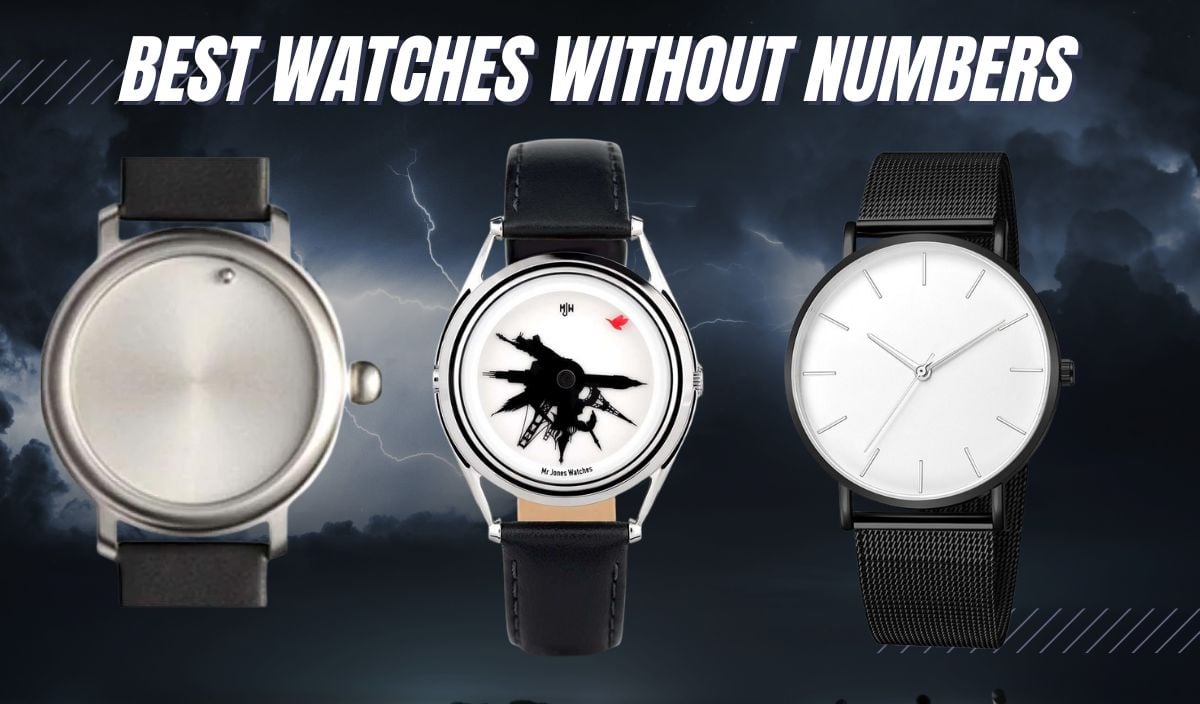
Best Minimalist Watches without numbers

Some of the most popular wristwatches have numbers on their dials. Most wristwatches and clocks have numbers for as long as you can remember. Some wristwatches do not come with numbers. Instead, you will find index markers on these timepieces.

But why would wristwatch brands decide not to use numbers in their designs? Not everyone loves numbers on their timepieces. Some people prefer the minimalist nature of their wristwatches. Hence, for more inclusiveness, some watch designers deliver minimalist timepieces for people that fancy them.

bot-only-imagebot-only-image

If you are a minimalist that loves watches without numbers, you are in the right place. Our article will consider the 22 best watches without numbers.

22 Outstanding Minimalist Watches to Consider in 2022

Without wasting any time further, we will look at the 22 most outstanding timepieces with minimalist designs in 2022. These wristwatches include

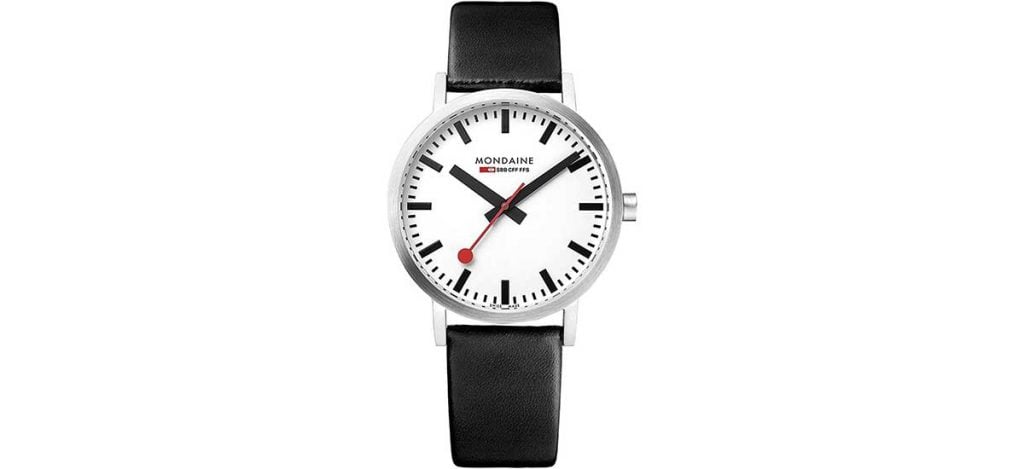
  1. Mondaine Classic Swiss Railway
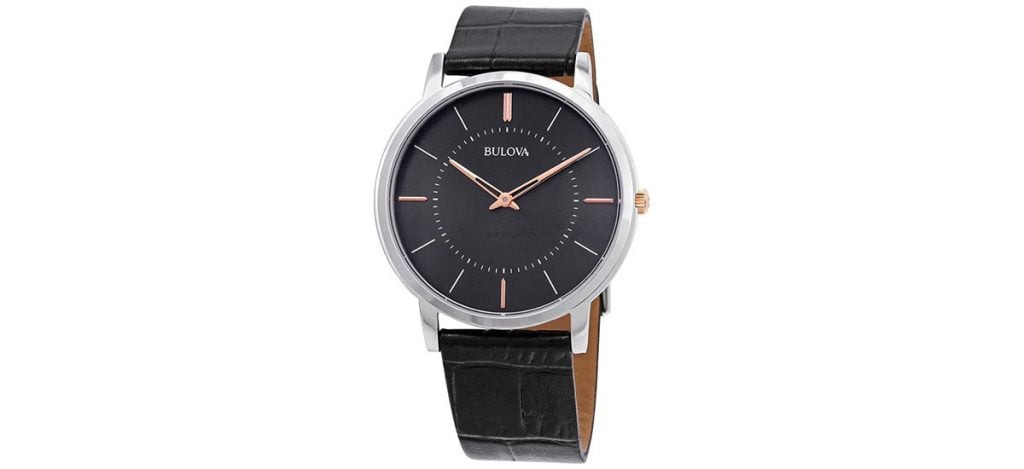
  2. Bulova Classic 98A167 Ultra Thin Quartz
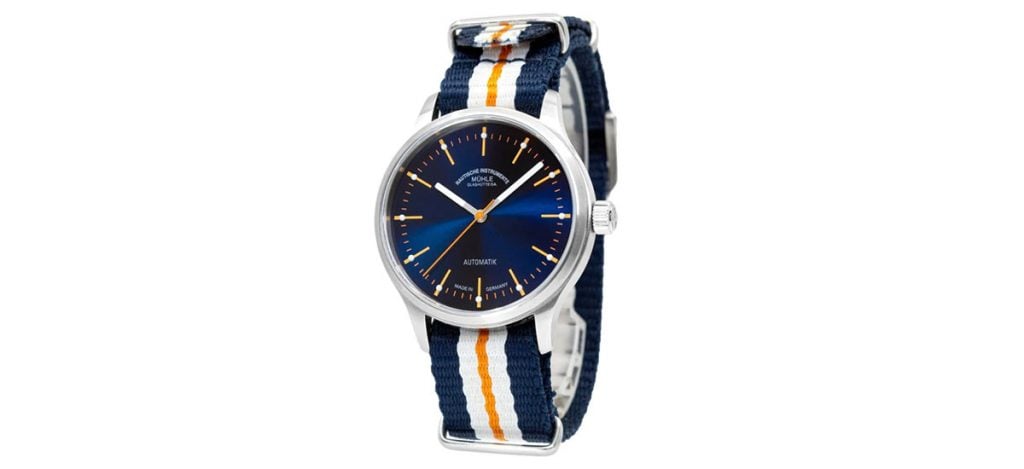
  3. Muhle M1-40-72 Glashutte Panova
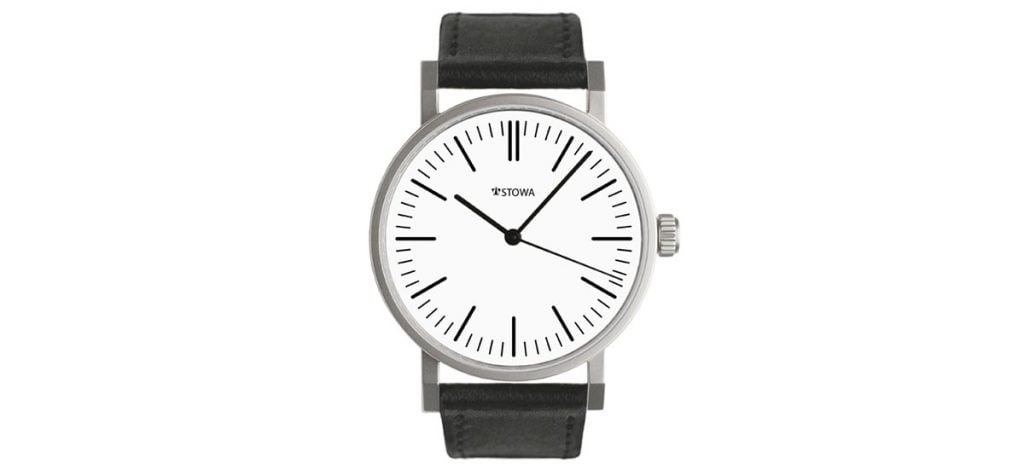
  4. Stowa Antea Back to Bauhaus
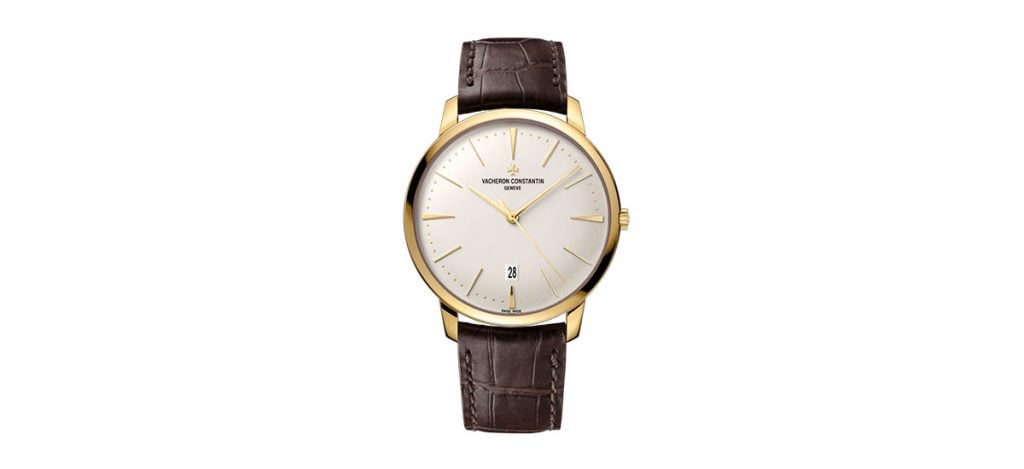
  5. Vacheron constantin Patrimony
  6. Stowa Antea 1919
  7. Junghans Max Bill 027/3701.04 Hand-Winding
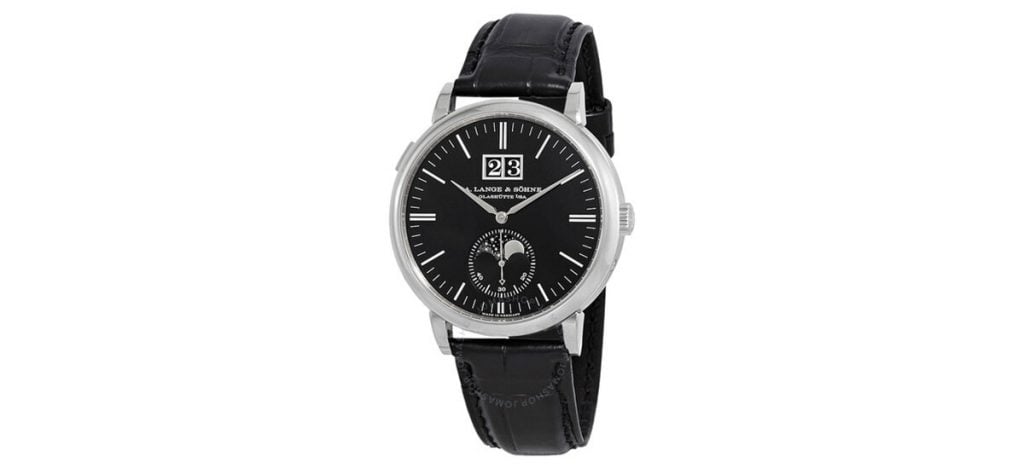
  8. A Lange & Sohne 201.026 Saxonia
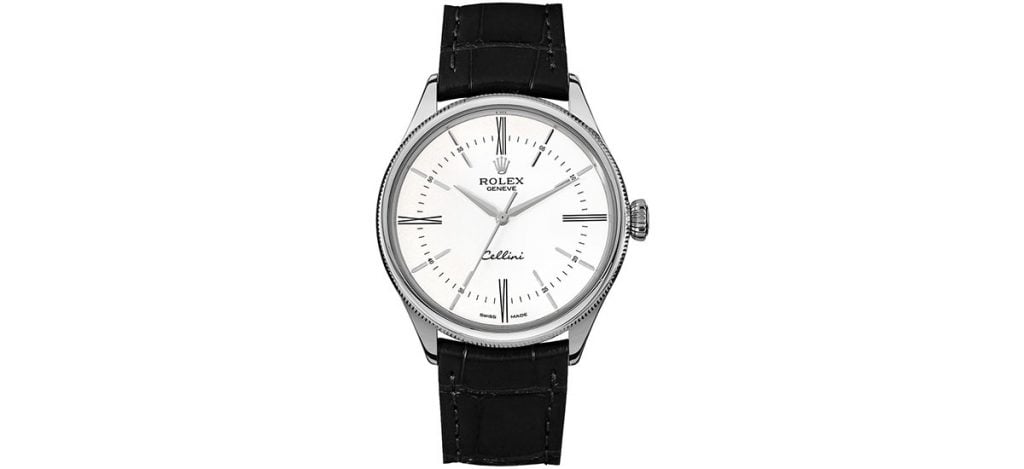
  9. Rolex Cellini 50509 Time
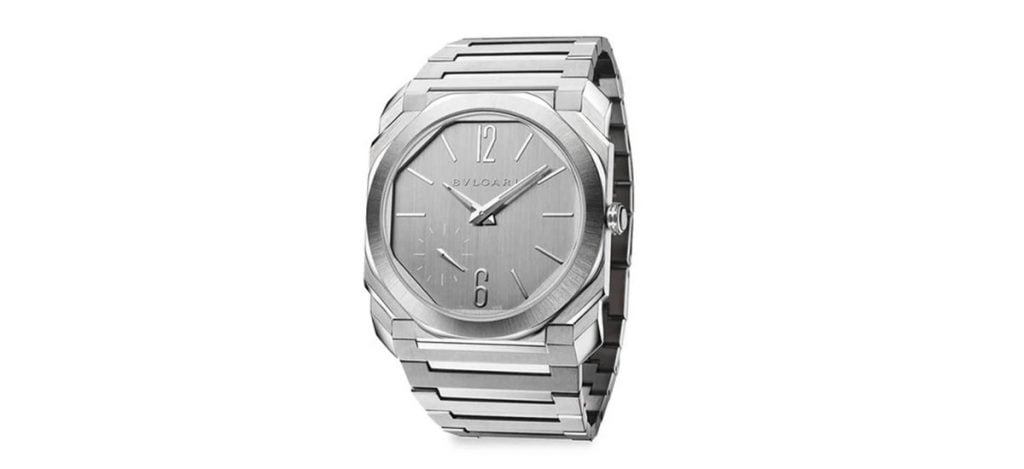
  10. Bulgari Octo Finissimo
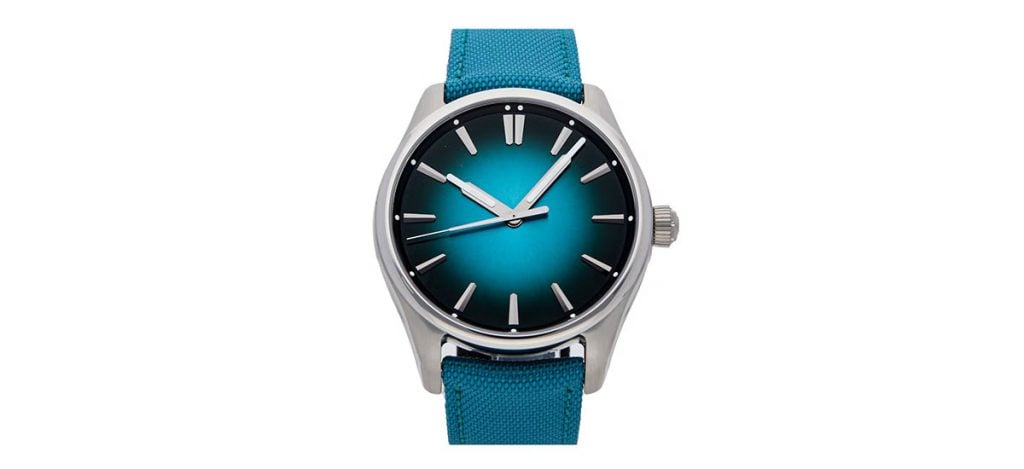
  11. H. Moser & Cie Pioneer 3200-1214 Centre Seconds
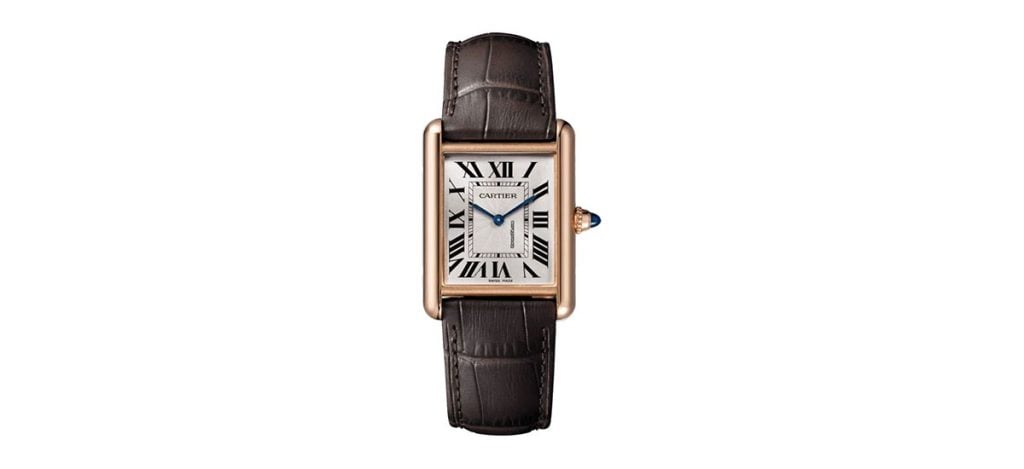
  12. Cartier Tank Louis
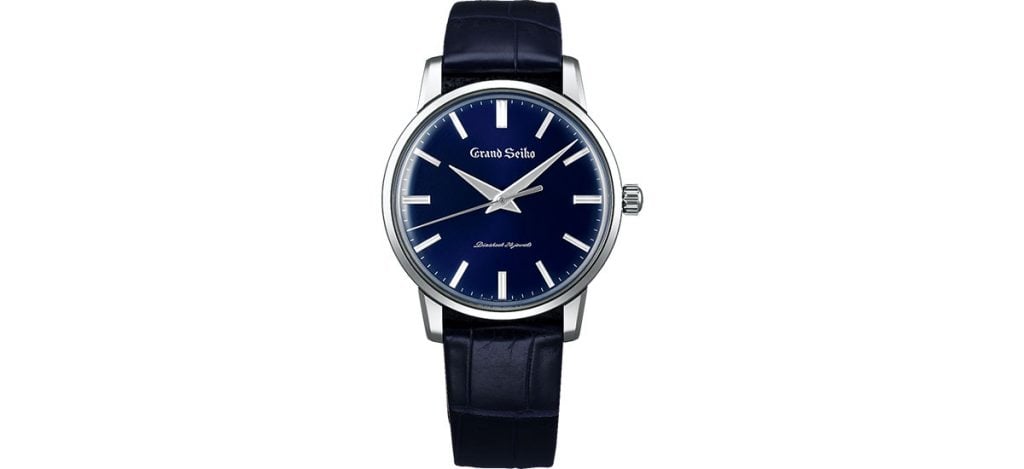
  13. Grand Seiko SBGW259
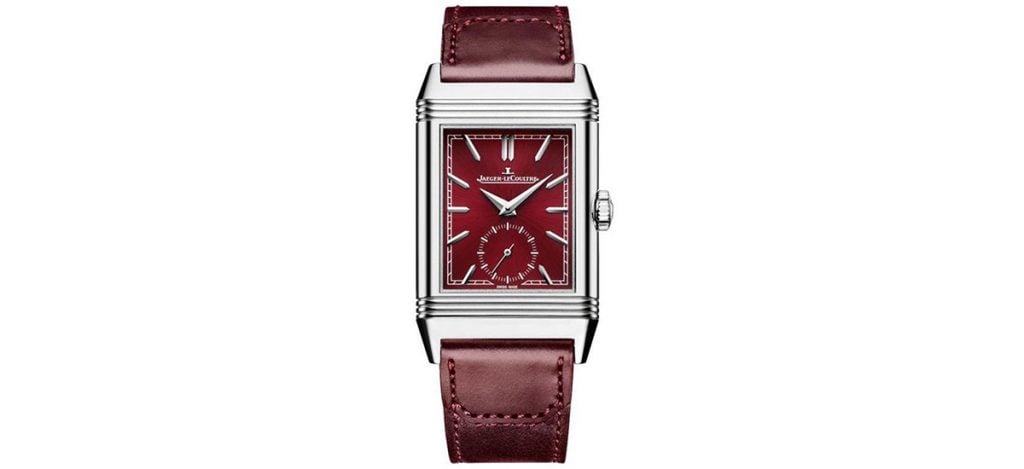
  14. JLC 397846J Reverse Tribute Small Seconds
  15. IWC Purtugieser Automatic
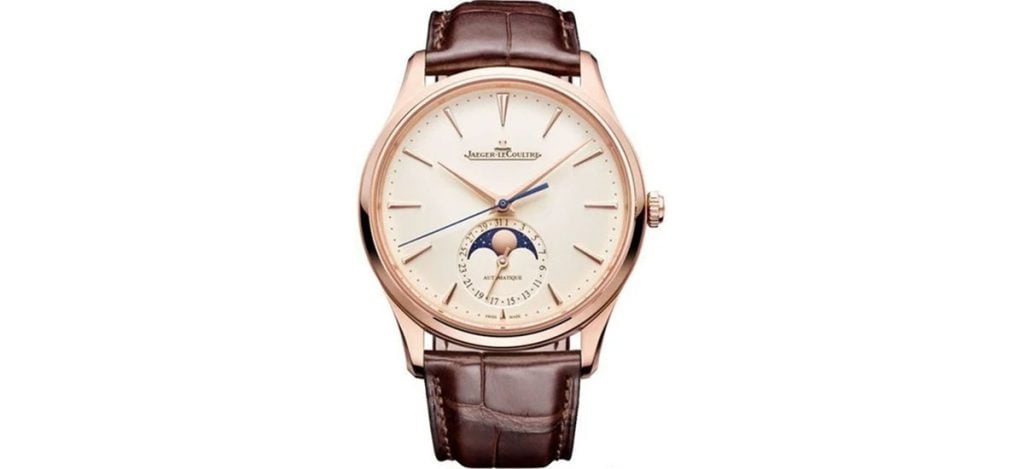
  16. JLC Master Ultra Thin
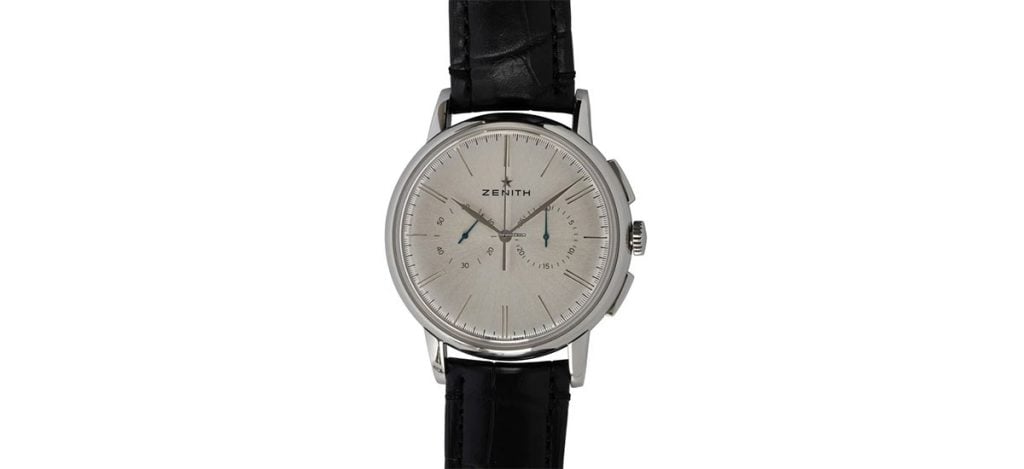
  17. Zenith Elite
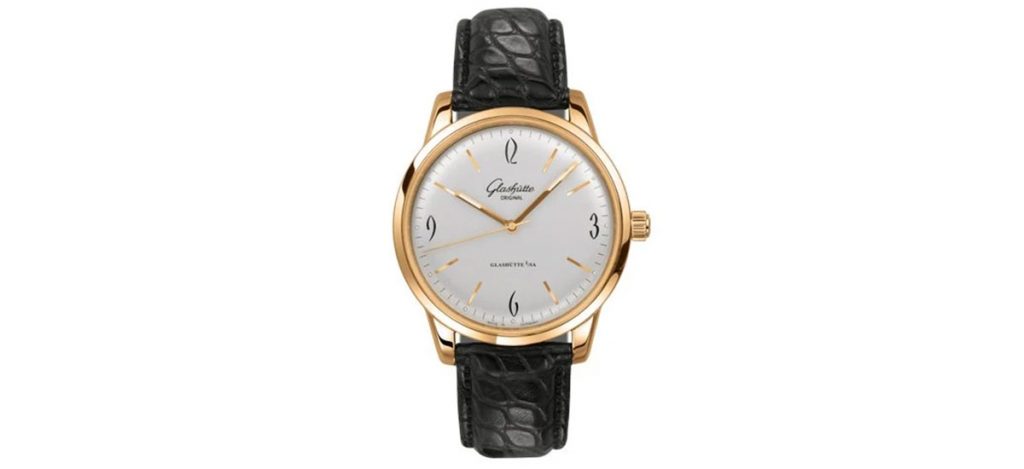
  18. Glashutte Original Sixties
  19. Rolex Oyster Perpetual
  20. NOMOS Orion 301
  21. Oris Art Blakey 01 733 7762 4081 Limited Edition
  22. Meistersinger Nº 01

1. Mondaine Classic Swiss Railway

Mondaine Classic Swiss Railway

The Mondaine A66030314.16SBW Classic Swiss Railway is a unique timepiece for minimalists. This timepiece is legible, so you will not miss your way around the dial markings. Additionally, this classic collection has the purest form of minimalism with a simple, bold dial.

This timepiece spots the Quartz Rhonda 513 movement for efficiency. You can highly depend on this watch’s accuracy in time telling. Also, you can trust this watch’s dial window to remain unscathed since it has a mineral crystal window. The window protects the dial components from the external environment. Overall, this timepiece is one you must acquire.

Main Features

  • Case Size: 36mm
  • Case Material: Stainless Steel
  • Lug Width: 18mm
  • Bracelet Material: Silver-toned, stainless steel
  • Dial Window: Mineral
  • Display: Analog
  • Movement: Quartz Rhonda 513
  • Resistance: 30m
  • Reference: A660.30314.16SBW
  • Price: About $275

2. Bulova Classic 98A167 Ultra Thin Quartz

Bulova Classic 98A167 Ultra Thin Quartz

Another brand that has taken the initiative to create a watch without numbers is Bulova. As expected, Bulova makes an entire collection out of this minimalist design. One good thing about this watch is that you do not need tutorials on how to tell time on a watch without numbers. Once you own one, you can easily enjoy time-telling as though the wristwatch had numbers. 

If you need quality, you cannot look past this wristwatch. The watch has a Quartz 9T22 movement that powers its accurate timekeeping. On top of that, you will find a mineral dial window protecting the dial and its elements. Overall, this timepiece fits the ideal minimalist’s mindset.

Main Features

  • Dial Color: Black
  • Bracelet: Black Leather
  • Reference: 98A167
  • Case Size: 40mm
  • Lug Width: 20mm
  • Case Material: Stainless Steel
  • Water Resistance: 30m
  • Movement: Quartz 9T22
  • Dial Window: Mineral
  • Price: Around $187

3. Muhle M1-40-72 Glashutte Panova

Muhle M1-40-72 Glashutte Panova

If it’s not Muhle, it’s not classic enough. This brand always produces top-notch timepieces. It is not surprising that they have cheap minimalist watches you can patronize. One exciting thing about this model is that it is as rugged and minimalist as you would like. 

Unlike other timepieces we have reviewed, this one has a water resistance rating of about 100m. Thus, you can use this wristwatch for light swimming activities and other water games. You cannot, however, use this wristwatch for deep diving. It is fair to say that this wristwatch is as good as they come considering its pricing. You can get this wristwatch for about $999.

Main Features

  • Dial Color: Dark Green
  • Display: Analog, Tri-hand
  • Case Diameter: 40mm
  • Lug-to-Lug: 47.5mm
  • Case Thickness: 10.4mm
  • Lug Width: 20mm
  • Movement: Automatic SW200-1
  • Crystal: Sapphire
  • Water Resistance: 100m
  • Price: About $999

4. Stowa Antea Back to Bauhaus

Stowa produces some of the best watches that tell time differently. The watches are products of Hartmut Esslinger, the inventor of the Apple design language and founder of the Frog Design. It is no surprise, then, why these timepieces have a certain level of elegance about them. 

The watch also has several dial colors to allow for diversity. You can purchase either white, blue, black, green, pink, or brown dial-colored wristwatches. Also, the watch has a water resistance of 30m – 50m, depending on the type you pick. The sapphire crystal window also helps protect the wristwatch’s dial elements. Overall, this timepiece is one for those who love minimalist designs.

Main Features

  • Case Diameter: 35.5mm, 36.5mm, and 39mm
  • Case Thickness: 6.9mm to 9.2mm
  • Lug-to-Lug: 44.6mm to 47.8mm
  • Lug Width: 18mm and 20mm
  • Display: Analog
  • Movement: Manual or Automatic
  • Water Resistance Depth: 30m to 50m
  • Dial Window: Sapphire
  • Dial Color: Blue, White, Black, Green, Pink, or Brown
  • Price: About $1000

5. Vacheron Constantin Patrimony

Vacheron Constantin Patrimony

This timepiece stands out when it comes to dressing watches. With its uniquely tailored design, the Vacheron Constantin Patrimony fits every outfit you wear. The dial has a white gold color with a uniquely designed pencil-style handset, which pleases the eyes. 

With the Vacheron Constantin Patrimony, you enjoy a water resistance of 30m. Although this resistance depth is not enough for deep diving or serious water activity, it protects your watch from damage when it comes in contact with rain. Also, this timepiece has a manual VC 1400 movement that makes time-telling easier. Rest assured that the sapphire dial window will protect your wristwatch from external harm and absorb shock.

Main Features

  • Reference: 81180/000G-9117
  • Thickness: 6.79mm
  • Case Size: 40mm
  • Lug Width: 20mm
  • Water Resistance: 30m
  • Lug-to-Lug: 45.6mm
  • Movement: Manual VC 1400
  • Display: Analog, dual hand
  • Dial Window: Sapphire
  • Dial Color: White Gold
  • Price: About $18,100

6. Stowa Antea 1919

Stowa Antea 1919

It is no mystery that Stowa’s Antea 1919 makes it to this list. Frankly, the timepiece has an elegant design that is hard to pass up when looking for minimalist watches. Interestingly, minimalist watch women and men can enjoy this timepiece since it has a somewhat unisex design. 

Stowa allows you to choose between manual or automatic movement for your Antea 1919 wristwatch. The watch has a 39mm case size and a thickness of 8.2mm. Furthermore, the watch has a Lug-to-Lug of 47.80mm and a lug width of 20mm. Overall, this timepiece is a perfect choice for classic watch lovers.

Main Features

  • Reference: Antea 1919
  • Display: Tri-hand, Analog
  • Dial Color: White Matte
  • Dial Window: Sapphire
  • Case Size: 39mm
  • Case Thickness: 8.2mm
  • Lug-to-Lug: 47.80mm
  • Lug Width: 20mm
  • Water Resistance: 50m
  • Movement: Manual or Automatic
  • Price: About $800 to $900

7. Junghans Max Bill 027/3701.04 Hand-Winding

Dating back to 1861, this brand has become one of the best watchmakers in history. This Junghans timepiece speaks volumes about the brand. Interestingly, this brand has a minimalist design with bolder indexes and smaller numbers. 

The watch features an ETA 2801-2 movement and has a Plexiglass dial window. The dial window protects the intricately designed dial from external forces. Also, this timepiece has a tri-hand analog display that matches the stainless steel watch case. Overall, everything about this timepiece speaks of class and style. If you love classics, this watch is one you must acquire.

Main Features

  • Reference: 027/3701.04
  • Dial Color: White
  • Display: Analog, Tri-hand
  • Case Material: Stainless Steel
  • Case Size: 34mm
  • Thickness: 9.0mm
  • Lug-to-Lug: 37mm
  • Lug Width: 18mm
  • Movement: ETA 2801-2
  • Water Resistance: 30m
  • Dial Window: Plexiglass
  • Strap: Leather, Brown
  • Price: About $795

8. Lange & Sohne 201.026 Saxonia

Lange & Sohne 201.026 Saxonia

If you are a true watch lover, you must have heard of A Lange & Sohne. The brand produces some of the best luxury dress watches for its users. Priced at about $17,050, this timepiece is for small-wrist individuals with a case size of 35mm. The thickness is perfect at 7.3mm, and it has a lug width of 19mm. 

Double indexes are at the three, six, nine, and twelve o’clock hour markers. The rest of the hour markers only have single indexes. Also, the wristwatch has a stainless steel case and a leather bracelet to improve your user experience.

Main Features

  • Reference: 201.026
  • Movement: Manual L941.1
  • Dial Color: White
  • Display: Analog, dual-hand
  • Water Resistance: 30m
  • Case Size: 35mm
  • Thickness: 7.3mm
  • Dial Window: Sapphire
  • Lug Width: 19mm
  • Strap: Black leather
  • Price: About $17,050

9. Rolex Cellini 50509 Time

Rolex Cellini 50509 Time

This list wouldn’t be complete if we did not include the Rolex brand. Regarding moving units, you cannot ignore Rolex and its timepieces. Although Rolex is well known globally, some of its pieces, like this one, have not hit hard like others. 

Rolex spares no expense on this watch. The wristwatch features an Auto Rolex 3132 movement with a sapphire crystal window to protect the dial elements beneath. If you need an elegant wristwatch to match your outfit, you must purchase the Rolex Cellini Time. 

Main Features

  • Reference: 50509
  • Case Size: 39mm
  • Thickness: 11.2mm
  • Lug-to-Lug: 45.3mm
  • Lug Width: 20mm
  • Water Resistance: 30m
  • Movement: Auto Rolex 3132
  • Dial Color: White
  • Dial Material: Sapphire
  • Price: Around $15,200

10. Bulgari Octo Finissimo

Bulgari Octo Finissimo

Bulgari Octo Finissimo is a combination of minimalist and classic. If you are unsure whether you want a watch with no numbers or whether you don’t, you can go for this timepiece. The wristwatch has numbers at the six and twelve o’clock markers. Additionally, the watch has a mono-hand subdial at the seven o’clock marker. 

With the Bulgari Octo Finissimo, you get a well-designed timepiece that tells time the way you want. Unlike the other timepieces we have reviewed, this one has an octagonal design. On top of that, this wristwatch once held the record for the thinnest automatic movement.

Bulgari uses titanium to make the bracelet, case, and dial of its Octo Finissimo. This watch is not only thin but also very light. Also, the timepieces’ movement is only 2.35mm thick and has a power reserve of 60 hours. The Bulgari Octo Finissimo has a frequency of 21,600vph.

Main Features

  • Reference: 102713
  • Case Size: 40mm
  • Thickness: 5.15mm
  • Water Resistance: 30m
  • Lug-to-Lug: 45.6mm
  • Movement: Auto BVL 138
  • Case Material: Titanium
  • Dial Window: Sapphire
  • Bracelet Material: Titanium
  • Price: About $13,900

11. H. Moser & Cie Pioneer 3200-1214 Centre Seconds

H. Moser & Cie Pioneer 3200-1214 Centre Seconds

Watch lovers know how important this brand is in the Swiss watchmaker industry. H. Moser & Cie’s Pioneer Centre Seconds is one timepiece you cannot ignore. The watch fits individuals with big wrists since it has a case size of 42.8mm and a thickness of 14.2mm. 

With this watch, you can enjoy swimming and other light water activities because it has a water resistance of 120m. While the design is beautiful, you will love the Automatic HMC 200 movement, which offers accuracy and precision. Also, the wristwatch has a sapphire crystal window to protect the delicate dial and its elements.

Main Features

  • Reference: 3200-1214
  • Price: About $12,900
  • Case Material: Stainless Steel
  • Case Size: 42.8m
  • Case Thickness: 14.2mm
  • Water Resistance Depth: 120m
  • Lug Width: 51mm
  • Movement: Automatic HMC 200
  • Dial Window: Sapphire
  • Display: Analog

12. Cartier Tank Louis

Cartier Tank Louis

Price at about $12,400, the Cartier Tank Louis timepiece has a beautiful design that deserves recognition. The rectangular-shaped timepiece has a case size of 33.7mm by 25.5mm. Additionally, the wristwatch has a thickness of 6.6mm and a lug width of 18mm. 

It is interesting to see how the Cartier Tank Louis dial places its markers. You will find Roman numerals lined up around the dial, with black-colored hour and minute hands in the middle of the dial. The watch also has a water resistance of 30m and uses a manual 8971MC movement. Also, the watch has a black leather bracelet that matches the dial design. 

Main Features

  • Reference: WGTA0011
  • Display: Analog, Bi-hand
  • Case Dimension: 33.7mm x 25.5mm
  • Case Thickness: 6.6mm
  • Lug Width: 18mm
  • Movement: Manual 8971MC
  • Water Resistance: 30m
  • Price: About $12,400

13. Grand Seiko SBGW259

Grand Seiko is another popular name we must not ignore in this review. The brand has created something unique with its SBGW259 timepiece. The timepiece has a brilliant hard titanium case for a lightweight feel. Additionally, the watch has a symmetrical dial design, making it aesthetically pleasing. 

The Grand Seiko SBGW259 has a case thickness of 10.9mm and a size of 38mm. Also, the watch features a lug-to-lug of 47mm and a water resistance of 30m. The watch also features a manual 9S64 movement and a sapphire crystal window. Overall, you will enjoy this minimalist design if you love multipurpose wristwatches.

Main Features

  • Reference: SBGW259
  • Price: About $8,000
  • Case Thickness: 10.9mm
  • Case Size: 38mm
  • Lug-to-Lug: 47mm
  • Movement: Manual 9S64
  • Water Resistance: 30m
  • Dial Window: Sapphire

14. JLC 397846J Reverse Tribute Small Seconds

JLC 397846J Reverse Tribute Small Seconds

The JLC 397846J Reverse Tribute Small Seconds is a timepiece for people with big wrists. The watch features a 45.6 x27.4mm case size and a thickness of 8.5mm. Also, the watch has a lug width of 20mm and a water resistance of 30m. 

Patronize this watch if you want to enjoy manual movements at its best. The timepiece has a Manual 822/2 movement and a sapphire crystal window to protect the dial and its elements. Overall, this timepiece is worth it based on the design and pricing.

Main Features

  • Reference: 397846J
  • Case Diameter: 45.6mm x 27.4mm
  • Case Thickness: 8.5mm
  • Lug Width: 20mm
  • Movement: Manual 822/2
  • Water Resistance: 30m
  • Dial Window: Sapphire
  • Price: About $7,650

15. IWC Portugieser Automatic

The IWC Portugieser Automatic is an organized and symmetrical interpretation of reference 325 that made headlines in the 1930s. This timepiece only recently got introduced to the Portugieser collection for minimalists. IWC goes all out, flexing the horologic muscles of this watch. The Portugieser Automatic 40 is a superior horological dress watch designed for those with the sharpest eyes. This watch perfectly illustrates how good mainstream watch brands can do when they branch out.

Main Features

  • Case Size: 40mm
  • Case Height: 12mm
  • Lug Width: 20mm
  • Bracelet Material: Leather
  • Dial Window: Mineral
  • Display: Analog
  • Movement: IWC 82200
  • Resistance: 20m
  • Reference: IW358303
  • Price: About $5,218

16. JLC Master Ultra Thin

JLC Master Ultra Thin

Jaeger LeCoultre Ultra Thin is one of the watches that come to mind when discussing the most elegant minimalist watches. The watch embeds a lot of style in a simple masterpiece design with an exquisite finish. 

The Jaeger LeCoultre Master Ultra Thin is built around an in-house JLC caliber 925/1. Furthermore, the caliber delivers everything you’d expect from a high-end luxury watchmaker in technical terms. Made of 30 jewels, the watch movement is automatic and self-winding. The dial design is nothing short of perfection. The design is so good; it blends every complication and makes it one.

Main Features

  • Case Size: 39mm
  • Case Material: Stainless Steel
  • Bracelet Material: Leather
  • Display: Analog
  • Movement: Automatic, Self-Winding 925/1
  • Resistance: 50m
  • Price: About $10,000

17. Zenith Elite

Zenith Elite

Some watches are designed to take your breath away; Zenith Elite is one such watch. The minimal design is a timeless show of finesse and style that will catch any collector’s eye. Zenith Elite has very few models presently; however, nothing of class and style has many models. 

The most noticeable feature of this watch is the lovely bronze dial that perfectly reflects a spotlight. The dial has a very fine grain sunray finish that radiates outward from the center of the dial. Also, the watch captures light rays perfectly and gives you that professional shine everywhere you go.

Some watches are designed to take your breath away; Zenith Elite is one such watch. The minimal design is a timeless show of finesse and style that will catch any collector’s eye. Zenith Elite has very few models presently; however, nothing of class and style has many models. 

The most noticeable feature of this watch is the lovely bronze dial that perfectly reflects a spotlight. The dial has a very fine grain sunray finish that radiates outward from the center of the dial. Also, the watch captures light rays perfectly and gives you that professional shine everywhere you go.

Main Features

  • Case Size: 41mm
  • Case Material: 18kt rose gold, Stainless Steel
  • Bracelet Material: Leather strap
  • Display: Analog
  • Movement: El Primero caliber 4069
  • Resistance: Enough for light poolside swimming
  • Reference: A660.30314.16SBW
  • Price: About $5122

18. Glashutte Original Sixties

Glashutte Original Sixties

The Glashutte Original Sixties has always been an annual watch collection enthusiasts looked forward to. Since the collection’s release in 2018, the watch has won the hearts of watch collectors worldwide. From the extravagant green in 2018 to the orange/red in 2019, the watch collection brings a new edge to the watch-making industry. The 2020 model of the collection brings a sublime elegance to the collection with a cool glacier blue. The coloring gives the collection a profound and impressive appearance.

Main Features of The 2020 Annual Edition

  • Case Size: 39mm
  • Case Material: Stainless Steel
  • Display: Analog
  • Movement: 39-52 automatic movement
  • Power Reserve: 40 hours
  • Frequency: 28,800vph
  • Resistance: 30m
  • Reference: 1-39-52-14-02-04
  • Price: About $10,500

19. Rolex Oyster Perpetual

Rolex Oyster Perpetual

Rolex is always a wonderful addition to the timepiece world. The Oyster Perpetual isn’t the most expensive of the Rolex collection but is quite formidable. The Rolex Oyster Perpetual is a simple, sleek Rolex that comes with a smell of elegance. The Oyster Perpetual comes with a clean stainless-steel case that is incredibly beautiful. Rolex Oyster Perpetual is one of the most wearable watches from Rolex.

Main Features

  • Case Size: 36mm
  • Case Material: Stainless Steel
  • Lug Width: 20mm
  • Bracelet Material: Stainless steel
  • Display: Analog
  • Movement: Calibre 3230
  • Resistance: 300m
  • Reference: 124300
  • Price: About $5100

20. NOMOS Orion 301

NOMOS Orion 301

Another outstanding timepiece with a fair price is the NOMOS Orion. If you love pieces with sentimental value, you will love this watch. The watch uses an Alpha Manual Caliber and complements it with a lovely white dial. Also, the watch has a symmetrical design with a tri-hand analog display. 

Small-wrist individuals have something to look forward to when they purchase this timepiece. The design is so sleek that it allows you to wear it for long periods without discomfort. If you love your timepieces, classic yet simple, you must go for this watch.

Main Features

  • Reference: 301
  • Case Material: Stainless Steel
  • Case Size: 35mm
  • Thickness: 7.9mm
  • Lug-to-Lug: 44.8mm
  • Lug Width: 18mm
  • Water Resistance: 30m
  • Movement: NOMOS Alpha Manual
  • Dial Color: White
  • Dial Window: Sapphire
  • Price: About $2,020

21. Oris Art Blakely 01 733 7762 4081 Limited Edition

Oris Art Blakely 01 733 7762 4081 Limited Edition

The Oris brand is one with a massive history. One interesting thing about this timepiece is how the brand arranges the indices on the dial. Although you might find it quite difficult to tell time as a newbie, minimalist lovers will enjoy everything about the design. 

The watch has a 38mm case size and a thickness of 11.4mm. You will also find a lug width of 20mm and a lug-to-lug of 44mm. Also, this timepiece has an Auto SW 200-1 movement and a sapphire crystal window. Thus, you will enjoy pure.

Main Features

  • Reference: 01 733 7762 4081
  • Case Size: 38mm
  • Thickness: 11.4mm
  • Lug-to-Lug: 44mm
  • Lug Width: 20mm
  • Movement: Auto SW 200-1
  • Water Resistance: 30m

22. Meistersinger Nº 01

This timepiece is a classic one you cannot pass by. The first thing you will notice is that this wristwatch only has a single-hand function in contrast to the double and tri-hand displays we have reviewed. Additionally, the watch has a cream dial and a Manual 210 movement to complement its beautiful aesthetics. 

The wristwatch features a water resistance of 50m and a case size of 40mm. Thus, people with moderate wrist sizes can use this timepiece. This watch is fairly priced at about $2,000 compared to other wristwatches we have reviewed.

Main Features

  • Reference: DM303
  • Case Size: 40m
  • Case Thickness: 11.5mm
  • Lug Width: 20mm
  • Movement: Manual SW210
  • Price: About $2,000

23. Baume & Mercier Classima 10780

    If you’re looking for simplicity and style, the Classima series from Baume & Mercier is a good way to go. I’ve always been a fan of their approach to luxury and style, and this one fits the bill nicely.

    On the surface, you can tell the design of the watch is inspired by fabric yet comes with a durable feel to the touch. At first, I wasn’t really sure about the watch by looks alone. Once I put it on, it didn’t take long before I was sold on its quality.

    You get a quartz-powered movement with 5 years of reliable performance. My favorite feature of the watch is the deep blue dial. It really pops from its surroundings and looks great with many different kinds of straps. 

    It also looks more than professional enough for business casual, in addition to changing streetwear styles. If you’re looking to grab one for yourself, the Classima 10780 can be found retailing at $1,500.

    Main Features 

    • Reference: 10780
    • Case Size: 42m
    • Case Thickness: 6.0mm
    • Dial: Sun satin-finished blue
    • Movement: Quartz
    • Price: $1,500

    Buying Guide

    Minimalist wristwatches are quite different from conventional timepieces you find on the market. Hence, picking the best minimalist wristwatch that fits your perspective gets quite stressful. We have outlined a few things to help you pick the best minimalist wristwatch.

    Wrist Size

    The first thing you must consider before purchasing a minimalist watch is the case size. You must first check your wrist size to know if you have a small, moderate, or big wrist. Ensure to stick with watches that are for your wrist size. Wearing too big or too small wristwatches may make them seem out of place on your wrist.

    Pricing

    Another essential factor you must consider is the price. You must compare the watch and its offerings to the price. If the watch is not worth the price, you can look for another watch with excellent features and an affordable price. Ensure you do not buy a watch because it comes from a renowned brand. First, ensure that the watch has the features you desire.

    Design

    Minimalist wristwatches have different designs. It would be best to pick a design that makes you feel comfortable. Always ensure that the design is legible enough to allow you to tell time properly.

    Frequently Asked Questions

    How to tell time on a watch without numbers

    Telling time on a watch without numbers is the same as telling time on a watch with numbers. Since we already know the position of the hour markers, it is quite easy to tell time on a numberless watch. The indices replace the numbers. Hence, you can use their positioning to tell time. If you have issues with telling time on a watch without numbers, it would be best to get a watch with numbers or obtain another less complicated design to help you tell the time properly.

    What is a minimalist watch?

    A minimalist watch has a simplified design. Such watches strip off the complicated features of complex wristwatches. Consequently, you will only find the basic features needed for time-telling.

    How many watches should a minimalist have?

    There is no particular number of watches a minimalist can have. You can have as many watches as you desire, provided you can afford them all. However, ensure that you do not use all your funds on watches.

    Is there a watch that doesn’t tell time?

    Yes. Some wristwatches do not tell time. Examples are the rubber ducky watches, the Haldimann H9 Reduction, and the rosin Jerome’s Day and Night Tourbillon.

    Are there any Watches with no Letters or Numbers?

    Of course. You can find several timepieces without letters or numbers in them. Instead, you will find indices in the place of letters or numbers. We have included some of these watches in our review. You can find examples by reading our review again.

    Why don’t luxury watches have numbers?

    Not all luxury watches don’t have numbers. The type of luxury watch you pick determines whether or not it will have numbers. You can also find luxury watches with numbers. Hence, you must pick those with numbers if that is what you desire.

    What are watches without numbers called?

    There is no particular name for watches without numbers. However, you can call it an analog watch since it is not digital. All digital watches have numbers on them.

    ETA 2824 vs. 2836 Caliber SHOOTOUT (Comparing All Aspects)

    William Boyd

    September 24, 2022

    The ETA 2824 and 2836 are two of the most popular watch movements in the watch-making industry. Did you know? Swiss ETA movements are the most popular watch movements in the world. Countless luxury and mid-range Swiss brands rely on this powerhouse’s movements to run their timepieces

    That’s how powerful and popular this Swiss brand is becoming. ETA calibers are durable, reliable, and easy to produce, making them ideal for mass production. In some cases, ETA movements have outperformed in-house calibers. For this reason, with its reliability, ETA is a top choice for most timepiece makers. ETA is also a top choice because it is easy to modify its products. 

    bot-only-imagebot-only-image

    The ETA is an easy pick as one of the iconic automatic calibers of all time. Watchmakers around the world base their timepieces on ETA calibers. Since ETA produces movements in various grades, brands have numerous options.

    You probably heard of ETA, Estimated Time of Arrival. The Swiss brand ETA has been around for more than 150 years. Hence its dominance in the watch-making industry. It is of little surprise the brand is the powerhouse it is today. 

    The brand’s origins date back to 1793, and very few brands can boast of being around for that long. All through the 20th century, the company has exchanged hands through various earners through mergers. But that hasn’t lost its touch in the caliber-making industry. 

    What’s the Difference Between the ETA 2836-2 and 2824-2?

    Both movements are very similar as the ETA 2836-2 is an advancement of the ETA 2824-2. The two movements have a similar diameter of 25.6mm. The main difference between these two movements is that 2836 holds a day-date calendar complication while 2824 houses only the date complication. That stands to be the major difference between these two movements. 

    The frequency is also similar; time with central seconds, date with a corrector, and time stop are all the same. The chronometer grade for both movements is also the same. However, the ETA 2824-2 is the most popular among the two.

    ETA 2836 Movement Review

    ETA2836 Movement

    The ETA 2836 is a caliber movement whose design is based on the ETA 2824. The ETA 2836 not only has a date function but also features a weekday indicator which 2824 doesn’t have. The most recent version of the 2836 houses a stop second device, and the movement can be upgraded to a GMT caliber with a second-time zone. 

    The ETA 2824 doesn’t feature a date display, creating 2836 to compensate for that. Most watches have groves for the date display; 2824 couldn’t deliver on that front. To keep up with the changing dynamics of the watch industry, the Swiss movement company released a more capable caliber. 

    However, some watches house the 2836-2 even though their dials don’t permit a weekday display. Watches like the Mildo Baroncelli and Chronometer Jubile fall under this category. The ETA 2836-2 allows for a quick adjustment of the day and date. Pulling the pin one click allows you to turn the crown counterclockwise to advance the day of the week. 

    Pulling the pin two clicks allows for time setting with hacking seconds. Point to note, to avoid damaging the movement. It is advised you don’t attempt to set the date when the hands are between 9 pm and 3 am. It takes a minimum of 27 winds of the crown to wind the ETA 2836-2 fully; converting that to hours would take a total of 38 hours. As of 2021, the official ETA website claims that this movement has a typical power reserve of 42 hours. 

    The ETA 2836-2 is popular among high-end luxury watches. Getting this movement from ETA is almost impossible as these movements are created and shipped to major watchmakers. However, if you want to replace a damaged part, you can get other replacements, just not from ETA. 

    Some such watches are the Swiss Legend Abyssos dive watch. The watch houses 25 jewels and comes with an Incabloc Novodiac shock absorber. You can also find the 2836-2 in a BALL Cleveland Express that also comes with an Incabloc shock absorber.

    Is the ETA 2824 a Good Movement?

    ETA2824 Movement

    The timepiece-making community knows the ETA 2824 as an absolute workhorse. The movement is the first movement any watch collector should be familiar with. The ETA 2824-2 is an unusual movement and, if regulated correctly, can go head to head with the best movements in the world. 

    The 2824-2 was released decades ago, as far back as 1982. It is a second-generation Swiss automatic movement. The watch movement was designed years ago, but it still dominates every other watch movement in the industry. The design of the ETA 2824-2 is based on Eterna’s 1427 caliber. 

    The 2824-2 is a caliber with fairly standard dimensions. The movement provides a watch with its well-tuned central hours, minutes, and second functions. You can find the date complication in varying areas of the dial. The region of the date complication depends on where the window groove is located. 

    The ETA 2824-2 is equipped with an Etachron regulator that assists the movement to attain a beat frequency of 28,800 vibrations per hour. The Swiss caliber utilizes a ball bearing rotor which allows the movement to rotate bidirectionally. This freedom in movement creates more energy for the caliber’s power reserve. And as such, when the ETA 2824-2 is fully wound, the movement can stay functional for up to 38 hours. The caliber comes with hacking sounds and manual winding, but you shouldn’t be inclined to use it since it is a self-winding caliber. 

    Like most famous ETA calibers, the ETA 2824-2 comes in different grades. The ETA 2824-2 comes in Standard, Elaborated, Top, and Chronometer. The Incabloc anti-shock system, which consists of 25 jewels, keeps the components of the ETA 2824-2 in place while reducing wear and tear. 

    The Standard grade has two adjustments and uses an anti-magnetic nickel-plated balance wheel. The ETA version also has a Nivarox hairspring and a Novodiac anti-shock system that houses 25 polyruby jewels. The Standard variant of the ETA 2824-2 has a precision rate of +/-12 to 13 seconds per day. The other grade, “Top,” allows for adjustments from five different positions. 

    The chronometer grade variant is similar to the Top grade in terms of components. It uses a Glucydur balance wheel, an Anachron hairspring, and an Incabloc anti-shock device. The movement comes with red rubies that serve as its pallet jewels. 

    The Top grade allows for an accuracy of +/- 4 to 15 seconds per day. However, the chronometer grade features precision and reliability that matches the standards of the Official Swiss Chronometer Testing Institute. The differences between these grades are the quality of the barrel spring, the balance wheel, its shock resistance capabilities, and pallet stones.

    ETA 2824-2 and Its Clones

    The ETA 2824-2 had an impressive run, but in 2003, the caliber’s design rights expired, and production ceased. Various companies developed clones to fill the gap left by the ETA 2824-2. The most popular of these clones is the Sellita SW200, considered the most prominent rival to the ETA 2824-2. However, you can still find watches with these movements. 

    Both movements are very similar in appearance. This similarity doesn’t mean that both movements are the same. The main difference between both movements is the design of their rotors and the number of jewels each movement has. The ETA 2824-2 contains 25 jewels, while the Sellita SW200 has 26. 

    Regarding working principles, both the ETA and Sellita have the same accuracy rates across all the varying grades. ETA 2824-2 also has other cones, including but not limited to Seagull ST21, the Hangzhou 6300, the STP-11, and the Valanvron VAL-24. Each clone produces a movement that is comparable to the ETA 2824-2 

    Who Makes the ETA 2824 Movement?

    ETA SA, a Swiss movement manufacturer, has been developing and producing calibers for the timepiece industry since the 1790s. The company is focused on creating reliable and quality-assured products. The brand’s early venture into caliber production gave it an amazing edge over all other companies. The expertise gathered across centuries is the key fuel that made it one of the world’s largest manufacturers of watches and watch movements. 

    Every quartz and mechanical movement is created with world-class expertise. If you are wearing a luxurious watch that doesn’t have an in-house movement, chances are you are wearing an ETA product. Some brands even modify ETA products to suit their timepieces, which increases the chances even more. ETA mostly produces its movements for other brands as their in-house watches are quartz timepieces, not mechanical watches. 

    ETA has grown over the years to become one of the most prolific movement companies in the world. The brand owns a monopoly on the movement industry and has been this way for more than a century. This dominance sparked inquiries and investigations into the company’s mode of operation. The brand has been subject to numerous conspiracy theories that led to countless investigations by multiple governments. 

    No investigation, however, has produced any fruit so far. Most of the movements produced by ETA are used in mechanical and automatic watches. Despite the mass production of these movements, only high-end luxurious watch brands can afford to use one of these movements in their timepieces. These movements’ quality is considered too exceptional for anything less. 

    Thus, their sole control of the movement sector of the watch industry. Unfortunately, watch experts have widely scrutinized ETA for its mass production. The reason for this scrutiny is they believe that anything that is mass produced lacks quality and creativity. Most watch horologists prefer wearing watches that utilize in-house movements created by their manufacturers. 

    Some die-hard enthusiasts don’t value high-end luxury watches that use the ETA movement instead of creating their own. However, this is the opinion of a small section of enthusiasts. Many enthusiasts believe ETA watch movements are more reliable than newer movements produced by smaller or less experienced watchmakers. Chances are that they may not have an experienced quality control department. 

    Hence, many uneven edges slip through the cracks, leading to incorrect timing. Furthermore, many of these newer companies are in trial and error stages. Most enthusiasts prefer a company with a track record of accuracy and reliability whose products stand the test of time. And ETA fits the bill perfectly. As it stands, ETA won’t be going out of business soon.

    Frequently Asked Questions

    This section is dedicated to questions you may have after reading this article. The questions reflected in this article are the most common.

    Why is ETA so popular?

    ETA is one of the all-time greats in the movement-making industry. The company has produced some of the most iconic movements the world has ever seen. A few of the brand’s creations, like 2824, 2892, and 7750, are the most iconic of all movements.

    However, the ETA 2824 is on another level. No brand has been close to beating ETA in the caliber game for centuries. The brand has been around for a very long time and has total control of the movement faction.

    Which is the most popular movement from ETA

    The ETA 2824 is known as a workhorse because the movement is everything you want in a top-notch caliber. It is accurate, reliable, and durable. The easy design makes the movement ideal for luxury watches that want to tinker around with it to suit the watch model. Most high-end luxury brands utilize this movement because it is an absolute beast.

    Why has ETA 2824-2 been Replaced by ETA 2836-2

    The ETA 2824 bests 2836, no doubt about that. However, the workhorse is gradually getting replaced by 2836. The ETA 2836 was created to compensate for the weekday feature 2824, which was missing.

    That is the major difference between these two movements. In terms of working principles and quality, they are both similar. 2836 is a page right out of 2824’s design. Both movements are highly accurate and very reliable. It is of little wonder most Swiss luxury brands rush for these movements. 

    Conclusion: Which ETA movement is best?

    Among ETA’s vast collection of movements, three movements stand out from the rest. 2824, 2892, and 7750 are the best movements produced by ETA and are widely accepted as the best. However, out of these three, the ETA 2824 is regarded as the best of the best from this brand. The movement is so iconic that it has been dubbed “the workhorse.” 

    The movement is highly valued for its reliability, accuracy, and durability. It is truly ETA’s prized jewel and comes with a 38-hour power reserve. High-end luxury watches like Tudor and Breitling make use of this iconic movement. At first glance, the ETA 2892 is quite similar to 2824. However, it has a thinner structure, making it more suited for chronograph models. 

    The ETAn2824 may be the brand’s workhorse, but the most famous movement from ETA is the 7750 Valjoux automatic chronograph movement. The 7750 Valjoux is a movement that uses a three-plane cam system instead of an intricate column wheel. IWC and Omega are the two luxury brands that often have this movement in their watches. 

    The movement is easily mass-produced and ideal for most mechanical chronographs. In some light, the movement is more creative, customized, and unique. But that doesn’t necessarily mean these movements are better. Some watch enthusiasts argue that the best watches are from brands that produce everything, including the movement in-house. As a result, the 7750 Valjoux is a unique design that fits chronographs because it is a superior option to the otherwise traditional movements. 

    Movements produced in-house don’t have the same quality control a mass-produced movement will. Many industry veterans attest to the performance of ETA movements worldwide. Regardless of your opinion, these movements are some of the best in the world. A movement is the heart of any watch, and ETA is widely accepted as the beat at the core of the Swiss luxury watch industry. 

    ETA is not just Switzerland’s largest movement maker; the company has also played a major part in shaping the movement sector and making it what it is today. Recent years have come with many stigmas placed on the brand and any watch that uses the brand’s movement. However, ETA is indispensable. No brand is yet to best ETA in movement creation and production. 

    It doesn’t go without saying that the Swiss watch-making industry wouldn’t be the luxurious brand we know today without the involvement of ETA. Many brands modify ETA designs to suit their requirements. Designing, developing, and manufacturing a watch movement is too expensive and time-consuming for watch brands to attempt, hence the dependence on ETA. On the other hand, modifying an ETA series is much more economical for watch-making companies. 

    To Top